

Parent Categories

Related News



Related Books





‘Flesh’ Wins the 2025 Booker Prize: A Bold Exploration of the Human Condition
 ‘Flesh’ Wins the 2025 Booker Prize
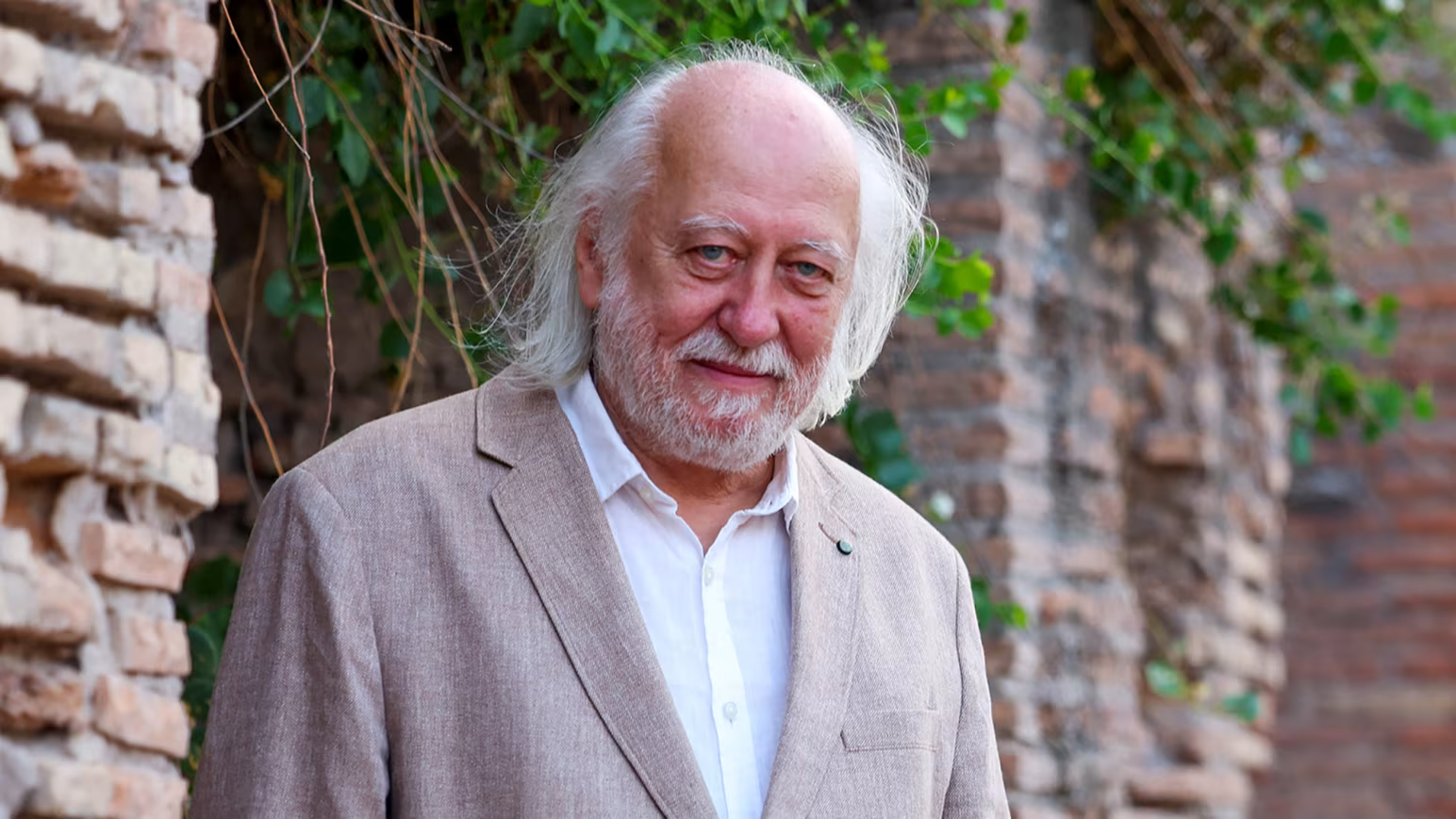
Hungarian novelist David Szalay has been awarded the 2025 Booker Prize for Flesh, a daring and unflinching exploration of the human condition. The novel, set against the backdrop of post-transition Europe, impressed the judges with its emotional depth and masterful prose.
David Szalay on his Booker Prize Win
David Szalay is a Canadian-born Hungarian-British writer. He has written six novels and several dramas for BBC. He won the Betty Trask Award for his debut novel London and the South-East. Szalay was also shortlisted for the Booker Prize in 2016 for his book, All That Man Is.
In an interview at the Booker Ceremony, David Szalay said, "I wanted to write about what it’s like to be a living body in the world".
He talked about his favourite works of writing growing up and mentioned how Animal Farm by George Orwell was the book that changed his perspective towards life and the world. He further added that My Side of the Mountain by Jean Craighead George, was the book that made him fall in love with reading and shaped his life in a way.
When asked about his book, he added that Flesh began organically and just flowed. He wanted to capture the duality through the story of a Hungarian immigrant during the country’s EU accession, a lens on modern Europe’s cultural and economic divides. At its core, the novel explores life as a physical experience, uniting people through the shared reality of the body.
What is "Flesh"?
The novel follows István, a shy 15-year-old living in Hungary, whose early experience with a married neighbour triggers a life marked by displacement, violence, longing and upward social mobility. His journey takes him through juvenile detention, military service, and eventually to London’s elite circles, yet despite outward success, he remains emotionally distant and disconnected.
Szalay employs spare, minimalist prose, with short sentences and clipped dialogue (István often replies simply “okay”).
The novel explores masculinity, embodiment and alienation: bodily experience, sexual awakening, and the gap between physical and emotional life.
It also reflects on class and migration: moving from a Hungarian housing-estate milieu into the world of the super-rich in London, yet remaining an outsider throughout.
Why It Stands Out: The book invites the reader to fill in the gaps — major events often happen off-screen, leaving the emotional weight to accumulate in what is left unsaid. The result is a haunting portrait of a man who lives his “flesh” rather than explains it.
Opening Pragraph of "Flesh" : The Body as the Novel’s First Language
When he’s fifteen, he and his mother move to a new town and he starts at a new school. It’s not an easy age to do that – the social order of the school is already well established and he has some difficulty making friends. After a while he does make one friend, another solitary individual. They sometimes hang out together after school in the new Western-style shopping mall that has just opened in the town.
‘Have you ever done it?’ his friend asks him.
‘No,’ István says.
‘Me neither,’ his friend says, making the admission seem easy somehow. He has a simple and natural way of talking about sex. He tells István which girls at school he fantasises about, and what he fantasises about doing to them. He says that he often masturbates four or five times a day, which makes István feel inadequate since he usually only does it once or twice. When he admits that, his friend says, ‘You must have a weak sex drive.’
It may be true, for all he knows.
He doesn’t know what it’s like for other people.
He only has his own experience.
Booker as a platform for Literature
David Szalay’s win for Flesh marks a major milestone, bringing international recognition to his daring exploration of identity, desire, and the human body. The Booker Prize judges praised the novel’s originality and emotional depth, cementing Szalay’s place among contemporary Europe’s most compelling voices. This victory not only honors his achievement but also highlights the growing global appreciation for stories that cross borders, both geographic and emotional, reaffirming the Booker Prize’s role in celebrating bold, boundary-defying literature.