

Parent Categories



Related Products


Related Books
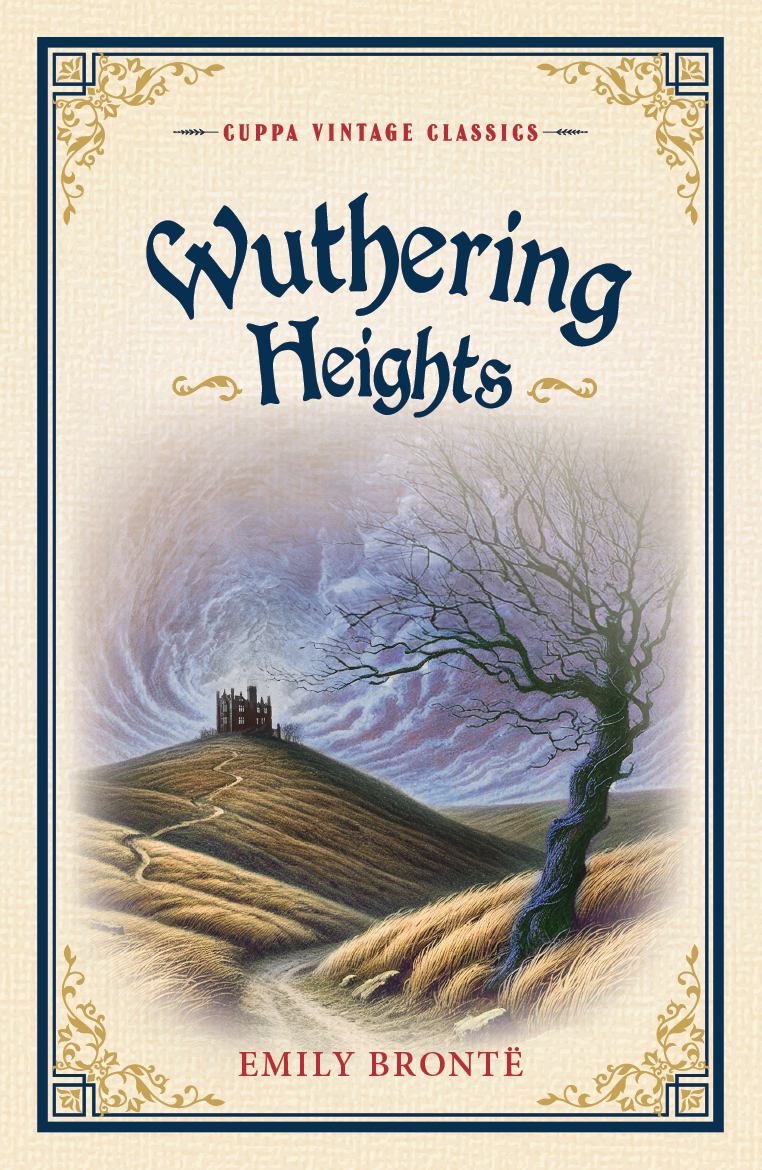
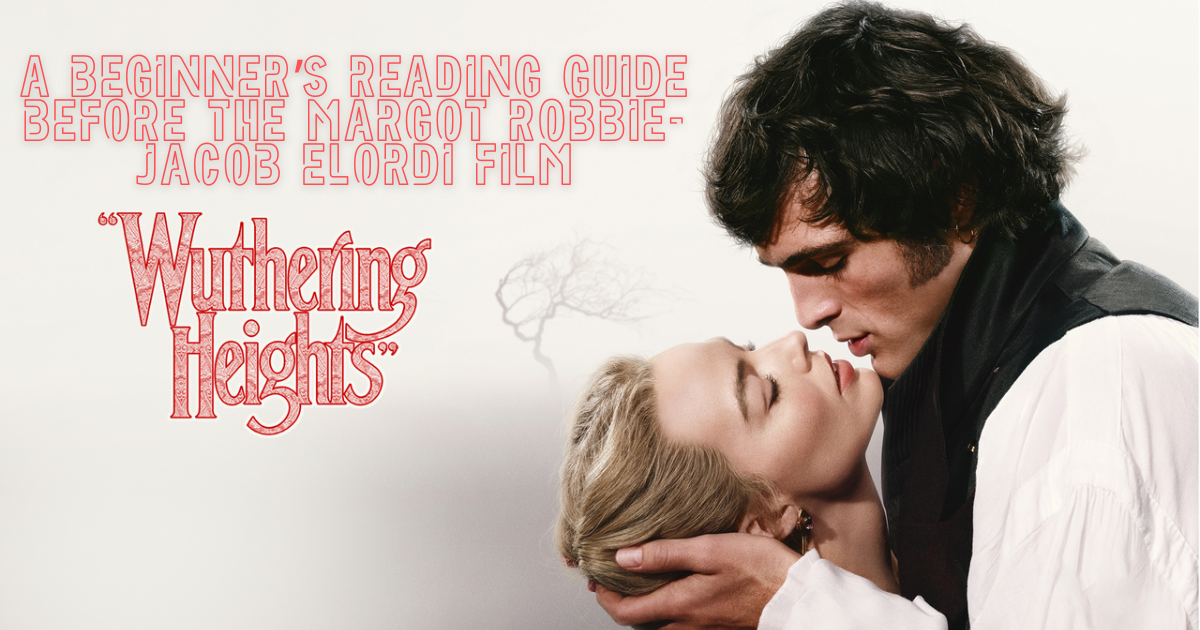
Wuthering Heights: A Beginner’s Reading Guide Before the Margot Robbie-Jacob Elordi Film
 Wuthering Heights - Beginner's Guide
Few novels have stirred as much fascination, confusion, and passionate debate as Wuthering Heights. Emily Brontë’s only novel, first published in 1847, remains one of English literature’s most haunting and unconventional love stories.
At the heart of the novel lies Catherine Earnshaw’s famous declaration:
‘Whatever our souls are made of, his and mine are the same.’
A line that captures the fierce, almost supernatural bond she shares with Heathcliff.
With a new film adaptation reportedly bringing Margot Robbie and Jacob Elordi into the stormy world of Catherine Earnshaw and Heathcliff, many new readers are preparing to step onto the wild Yorkshire moors for the first time. If you are one of them, consider this your guide to navigating a novel that is as turbulent as the winds that howl across its pages.
Also read: Intimidated by James Joyce? Here’s What You Need to Know Before Reading Him
Entering a World Unlike Any Other Love Story
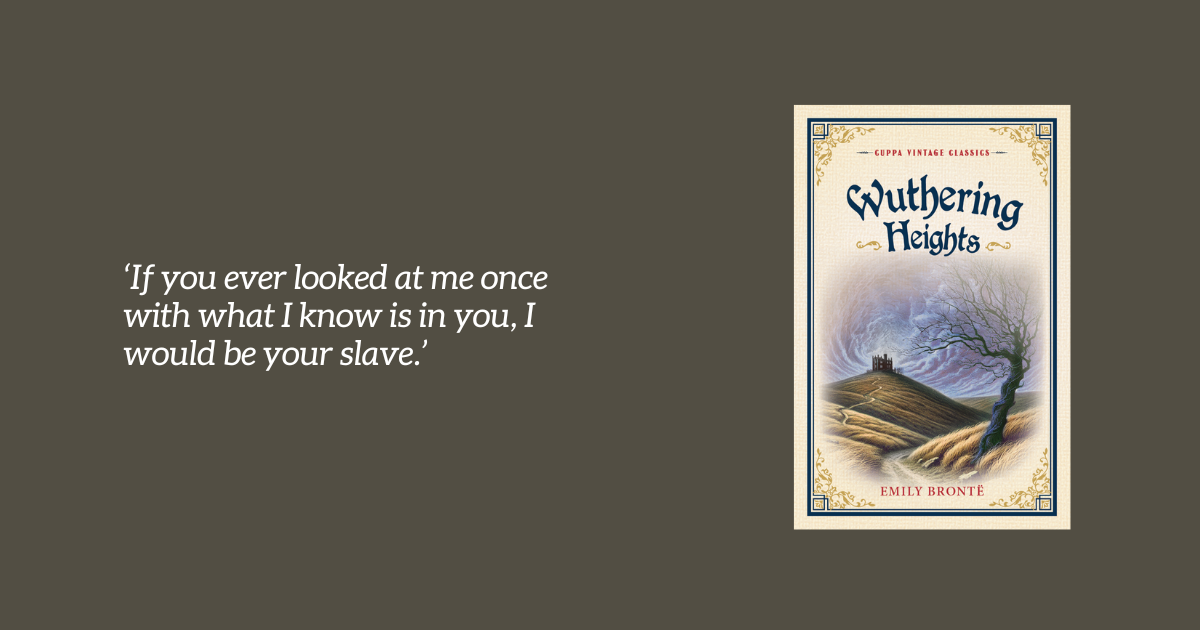
If you approach Wuthering Heights expecting a traditional romance, the novel will likely surprise—perhaps even unsettle—you. This is not a gentle love story filled with poetic declarations and easy emotional resolution. Instead, it is a dark, obsessive tale of passion, revenge, and emotional destruction.
At its core lies the intense and almost elemental bond between Catherine Earnshaw and Heathcliff. Their relationship is raw, volatile, and deeply intertwined with the rugged landscape around them. They are less lovers in the conventional sense and more reflections of each other’s untamed spirits. The upcoming film adaptation may lean into the glamour and visual intensity of their relationship, but readers should prepare for a story that explores love in its most chaotic and destructive form.
Understanding the Unusual Narrative Style
One of the biggest challenges for first-time readers is the novel’s layered storytelling. Emily Brontë does not present the story in a straightforward chronological sequence. Instead, the narrative unfolds through multiple perspectives.
The story begins with Mr. Lockwood, an outsider who rents Thrushcross Grange and becomes curious about his mysterious landlord, Heathcliff. Much of the history of the characters is then revealed through Nelly Dean, a housekeeper who recounts past events. These shifting viewpoints create distance between the reader and the central characters, allowing the story to feel both intimate and unreliable.
As you read, remember that you are hearing the story filtered through narrators who have their own biases and limitations. This narrative complexity adds richness to the novel but can also feel confusing at first. Keeping track of timelines and relationships can make the reading experience far smoother.
The Moors as a Living Presence
In Wuthering Heights, the setting is far more than a backdrop—it is almost a character in its own right. The Yorkshire moors are wild, expansive, and unpredictable, mirroring the emotional intensity of the characters who inhabit them.
The contrast between the two main houses—Wuthering Heights and Thrushcross Grange—reflects the novel’s thematic tensions. Wuthering Heights is harsh, exposed, and chaotic, much like Heathcliff and Catherine’s fierce connection. Thrushcross Grange, on the other hand, represents refinement, social order, and restraint.
When reading the novel, pay attention to how weather, landscape, and architecture shape the mood of scenes. The physical environment often echoes the emotional states of the characters, creating a deeply atmospheric reading experience that a film adaptation will likely attempt to capture visually.
Meeting Characters Who Defy Sympathy
Another reason Wuthering Heights feels so striking—even today—is its morally complex characters. Emily Brontë does not offer clear heroes or villains. Heathcliff, in particular, is one of literature’s most polarizing figures. He is at once a victim of cruelty and a perpetrator of relentless revenge.
Catherine, too, resists simple interpretation. She is passionate, self-aware, and fiercely independent, yet her choices lead to devastating consequences for herself and others. Many modern readers find her emotional contradictions surprisingly relatable, which may be why her character continues to resonate across generations.
As you prepare for the film adaptation, it helps to approach these characters not as figures to admire or condemn, but as deeply flawed individuals shaped by trauma, social pressures, and uncontrollable emotions.
Themes That Make the Novel Timeless
While Wuthering Heights is often categorised as a gothic romance, its themes extend far beyond love. The novel explores class divisions, social ambition, the cycle of abuse, and the destructive power of obsession. It also examines how environment and upbringing influence personality and destiny.
Perhaps most importantly, the novel challenges the Victorian ideal of romantic love as something pure and redemptive. Instead, Brontë presents love as something primal—capable of both transcendence and devastation. This darker exploration of emotional intensity is what continues to captivate readers and filmmakers alike.
Tips for First-Time Readers
If you are approaching Wuthering Heights for the first time, patience is key. The opening chapters may feel slow or confusing, but once the backstory unfolds, the emotional stakes become gripping.
It may also help to refer to a character guide, as the novel features multiple generations with similar names. Reading slowly and allowing yourself to absorb the atmosphere rather than rushing through the plot can greatly enhance your experience.
Another helpful approach is to focus on the emotional tone rather than trying to rationalise every character’s decision. Much of the novel operates on intense feelings rather than logical motivations.
What the New Film Adaptation Might Highlight
With Margot Robbie and Jacob Elordi bringing fresh star power to the story, the upcoming film adaptation is likely to emphasise the visual drama and romantic intensity of Catherine and Heathcliff’s relationship. Modern adaptations often reinterpret classic texts through contemporary emotional and aesthetic lenses, potentially highlighting Catherine’s complexity or Heathcliff’s outsider status in new ways.
However, the novel’s psychological depth and layered storytelling may be difficult to fully capture on screen. Reading the book beforehand allows viewers to appreciate the nuances, motivations, and haunting symbolism that might only be hinted at in film form.
Why Wuthering Heights Still Matters
More than 175 years after its publication, Wuthering Heights remains startlingly modern in its emotional boldness. Emily Brontë crafted a story that refuses neat moral conclusions or comforting romantic resolutions. Instead, she offers a powerful exploration of love, identity, and the enduring impact of human connection—both nurturing and destructive.
As anticipation builds for the new cinematic adaptation, reading Wuthering Heights offers more than preparation for a film. It provides an opportunity to experience one of literature’s most daring and emotionally charged works in its original, untamed form. Like the moors themselves, the novel may feel overwhelming at first—but those willing to wander its stormy landscape often find it impossible to forget.
Your next read: London Through Charles Dickens’ Eyes: A City That Became a Character