
Parent Categories


Related Products




Related Books

Women’s Day Reads: 8 Classic Authors to Turn to When You Need Quiet Strength
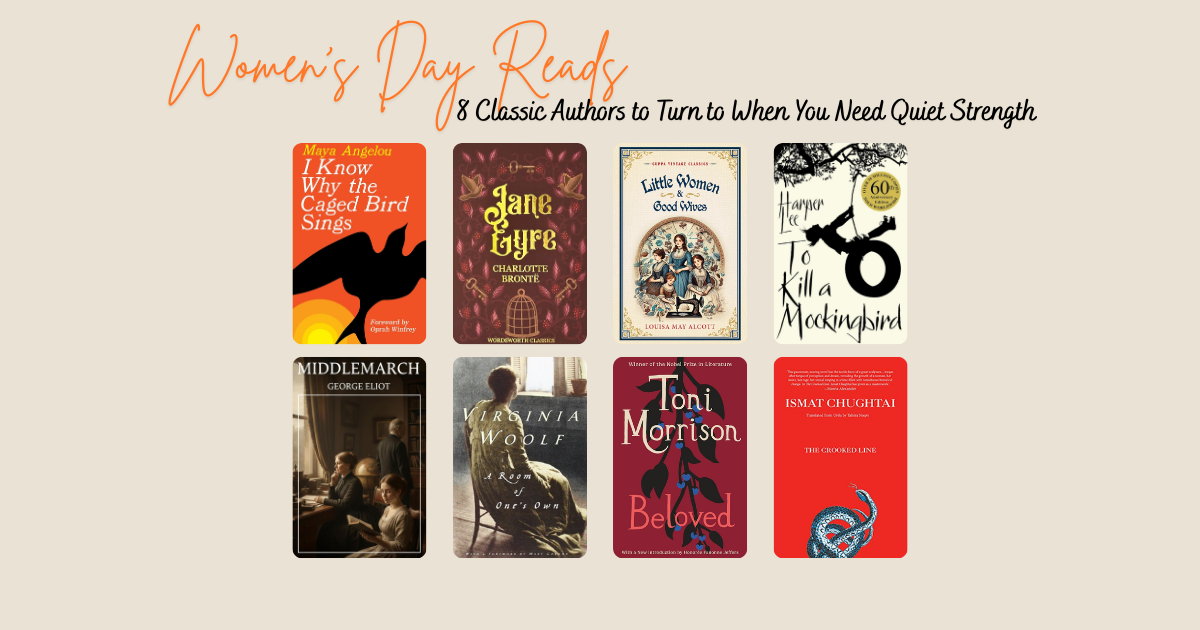 Women’s Day Reads
There are days when strength does not roar. It does not raise slogans or break doors down. It sits quietly at a desk, walks away from humiliation with dignity, endures grief without spectacle, and insists—softly but firmly—on selfhood. On such days, we turn to books. And not just any books, but the kind that hold us steady.
This Women’s Day, here are eight classics that embody quiet strength—not the loud, triumphant kind, but the enduring, moral, reflective courage that sustains women across time.
Also read: 8 Virginia Woolf Quotes That Explain Modern Womanhood
1. Strength Through Survival: I Know Why the Caged Bird Sings by Maya Angelou

"The caged bird sings with a fearful trill,
of things unknown, but longed for still,
and his tune is heard on the distant hill,
for the caged bird sings of freedom."
― Maya Angelou, ‘Caged Bird’
Maya Angelou’s memoir is a testament to layered survival. Growing up as a young Black girl in the segregated American South, she faced racism not as theory but as daily humiliation. The trauma of sexual assault further fractures her world, pushing her into near-total silence—she believes her voice has caused harm.
What makes Angelou’s journey powerful is not dramatic escape, but gradual reclamation. Through literature and the encouragement of Mrs Bertha Flowers, she slowly returns to language. Books restore rhythm to her speech and dignity to her identity.
The ‘caged bird’ sings not because the cage disappears, but because singing asserts existence. Angelou shows that survival is not loud triumph—it is the quiet, persistent choice to reclaim one’s voice.
2. Strength Through Integrity: Jane Eyre by Charlotte Brontë
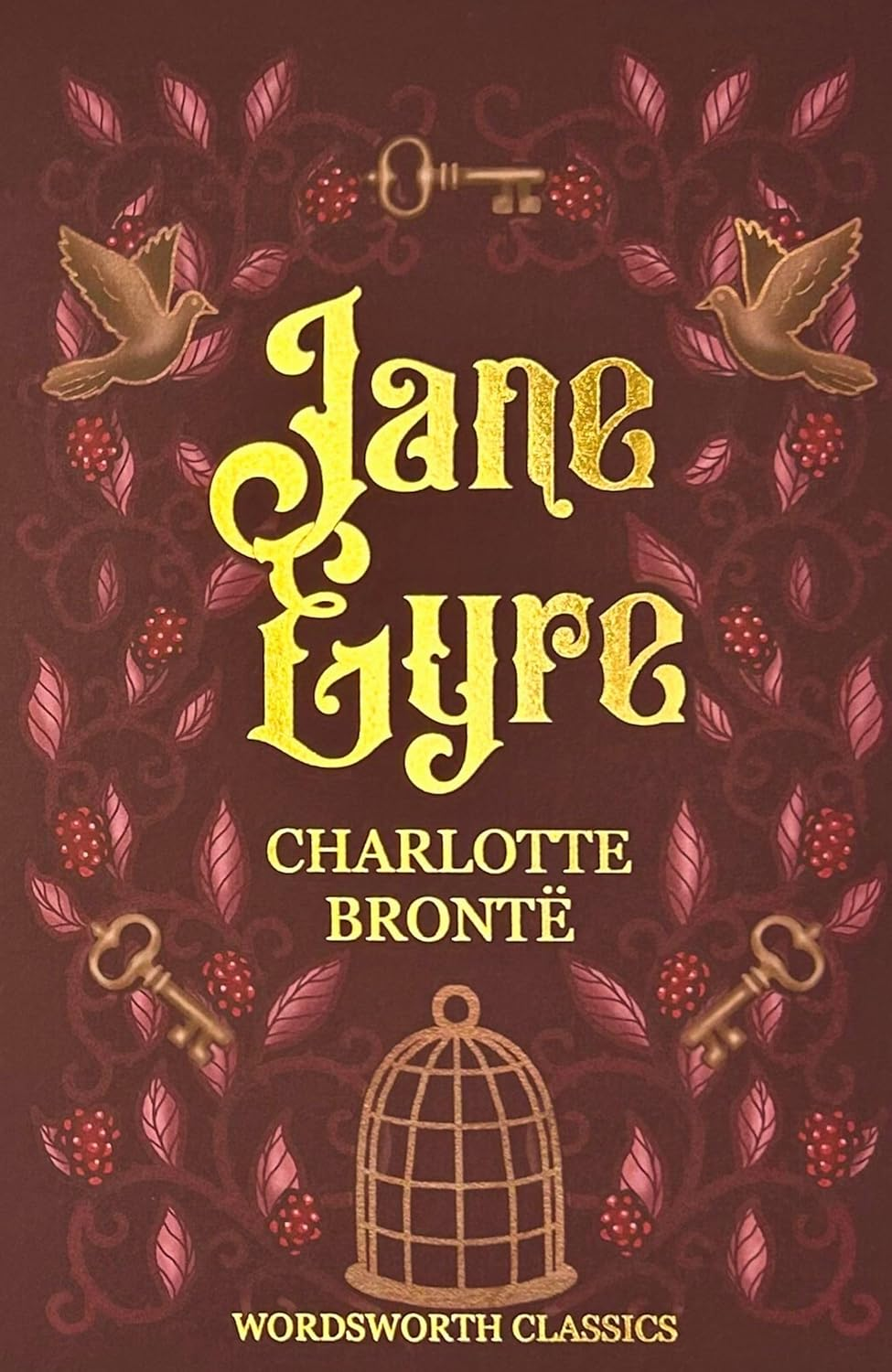
‘I am no bird; and no net ensnares me: I am a free human being with an independent will.’
― Charlotte Bronte, Jane Eyre
Jane Eyre is small, plain, and socially insignificant—yet morally unshakeable. When love tempts her to compromise her principles, she walks away. Not dramatically. Not angrily. Simply resolutely.
Jane’s strength lies in her refusal to trade self-respect for security. In an era when women had little autonomy, she insists on equality of soul. Her quiet declaration—‘I am a free human being with an independent will’—is less rebellion and more moral clarity.
Reading Jane Eyre today feels like being reminded that dignity is not negotiable.
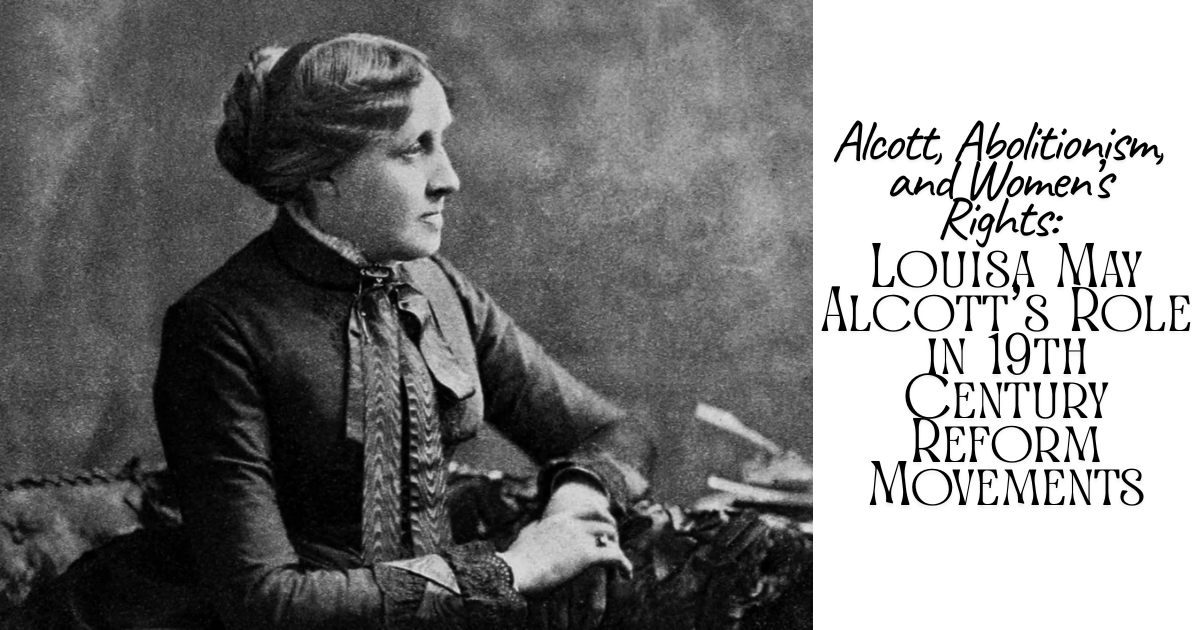
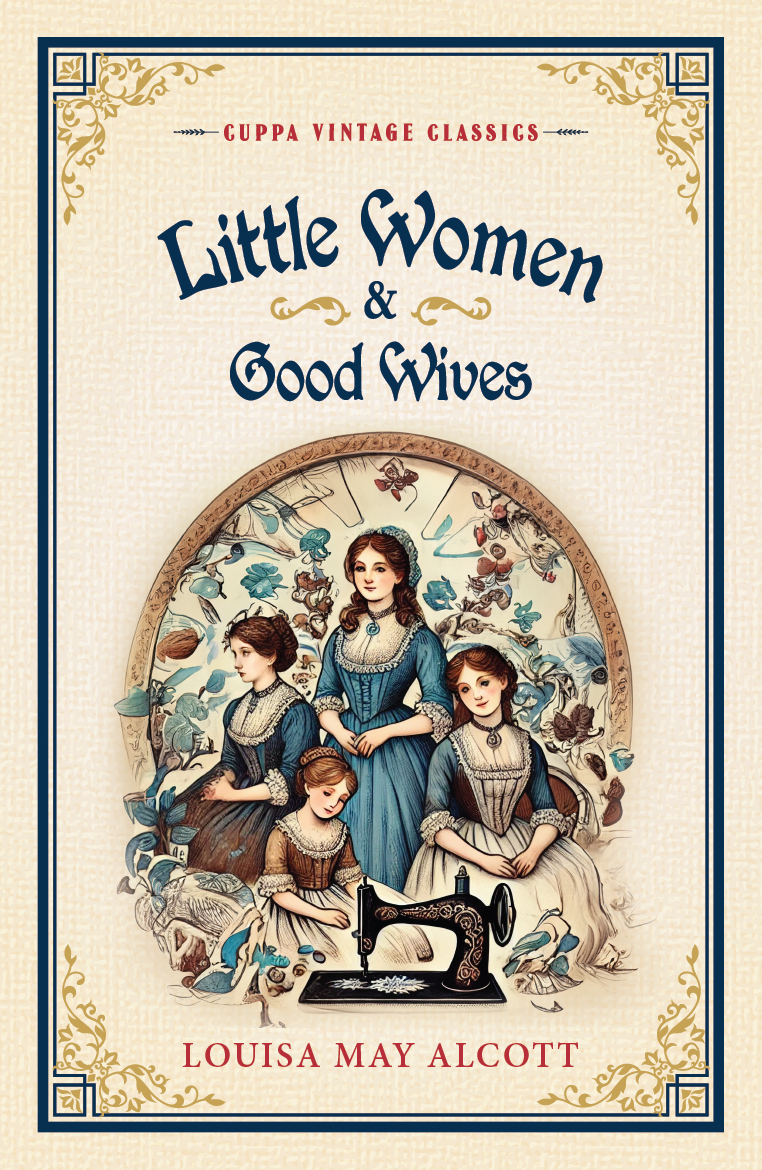
3. Strength Through Sisterhood: Little Women & Good Wives by Louisa May Alcott
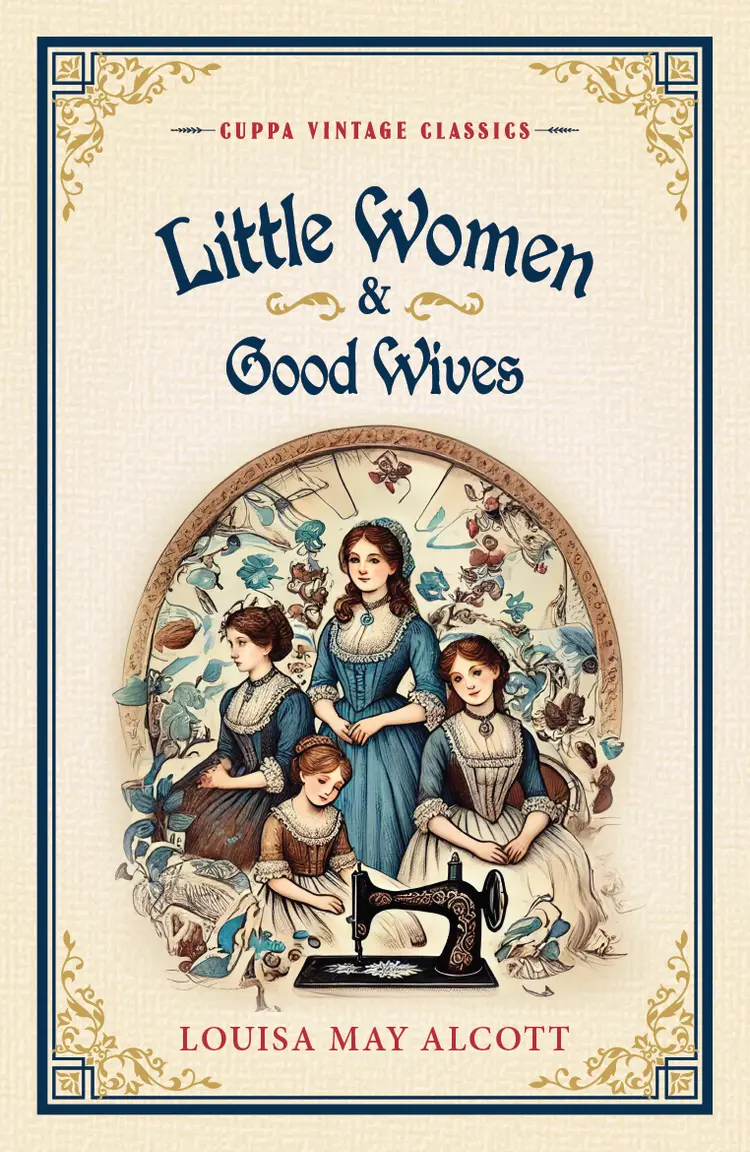
The March sisters grow not through grand revolutions but through everyday trials—ambition thwarted, tempers tamed, love gained and lost. Jo’s literary dreams, Meg’s domestic adjustments, Beth’s gentle endurance, Amy’s quiet determination—all reflect different forms of strength.
Alcott does not glorify suffering, yet she honours perseverance within ordinary life. The courage to remain kind. The discipline to pursue art. The grace to accept change.
In Little Women & Good Wives, strength looks like shared meals, stitched dresses, and letters written by lamplight.
4. Strength Through Moral Awakening: To Kill a Mockingbird by Harper Lee
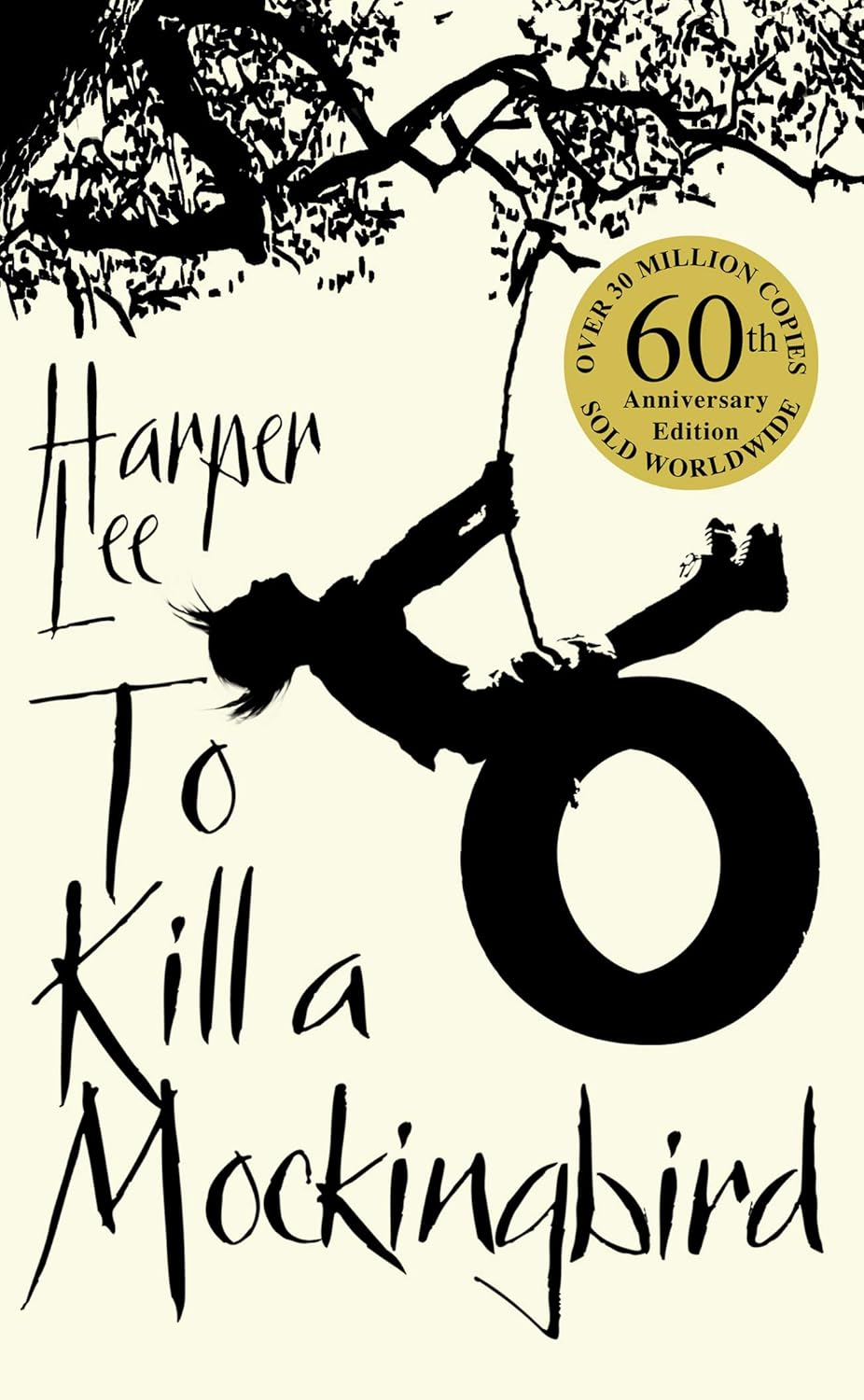
‘People in their right minds never take pride in their talents.’
― Harper Lee, To Kill a Mockingbird
Though narrated by Scout, the quiet power of this novel rests in moral steadiness. Scout learns integrity not from lectures but from witnessing it—most memorably through Atticus Finch’s calm commitment to justice in a prejudiced society.
Yet Scout herself embodies quiet growth. She learns empathy, restraint, and courage without losing her curiosity. The novel suggests that strength begins in conscience, often nurtured quietly at home before it faces the world.
On days when injustice feels overwhelming, this book reminds us that decency is its own defiance.
5. Strength Through Thought: Middlemarch by George Eliot

‘Character is not cut in marble - it is not something solid and unalterable. It is something living and changing, and may become diseased as our bodies do.’
― George Eliot, Middlemarch
Dorothea Brooke dreams of greatness. She longs to improve the world. Instead, she encounters disappointment—particularly in marriage. But what makes Middlemarch extraordinary is not tragedy; it is growth.
Dorothea learns to see clearly. She recognises illusion, accepts complexity, and reshapes her ideals without abandoning them. Eliot’s genius lies in portraying intellectual maturity as heroic.
Quiet strength here is self-awareness—the courage to evolve without surrendering compassion.
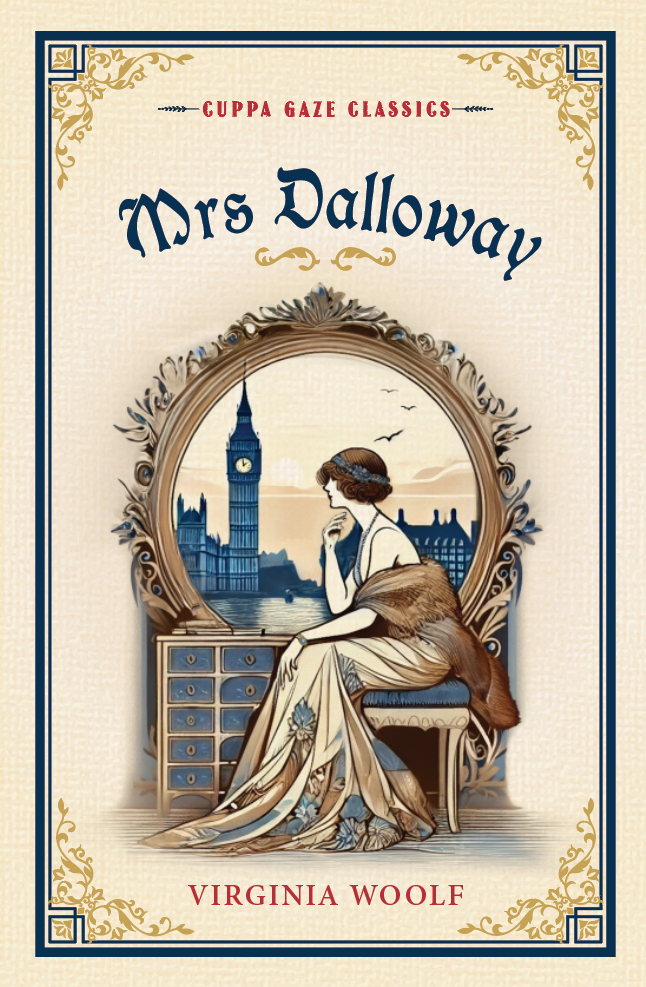
6. Strength Through Intellectual Independence: A Room of One's Own by Virginia Woolf
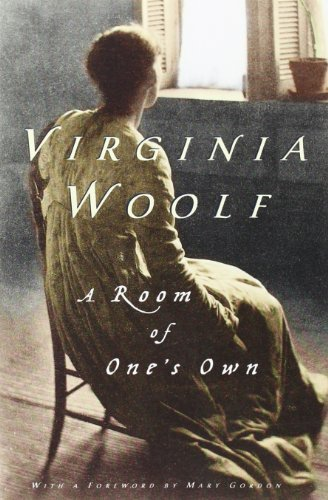
‘Lock up your libraries if you like; but there is no gate, no lock, no bolt that you can set upon the freedom of my mind.’
― Virginia Woolf, A Room of One’s Own
Virginia Woolf’s extended essay argues something deceptively simple: a woman needs money and a room of her own to write fiction. Beneath this calm assertion lies a radical demand for autonomy.
Woolf does not rage; she reasons. She walks through libraries, reflects on history, and exposes systemic exclusion with elegant restraint. Her strength lies in clarity of thought.
For any woman balancing ambition with expectation, this book remains a quiet manifesto.
7. Strength Through Memory and Reclamation: Beloved by Toni Morrison

‘Me and you, we got more yesterday than anybody. We need some kind of tomorrow.’
― Toni Morrison, Beloved
Some strength is forged in unbearable histories. In Beloved, Morrison confronts the legacy of slavery through the story of Sethe, a mother haunted by her past.
Sethe’s choices are complex, even troubling. Yet Morrison insists on her humanity. The novel is heavy, lyrical, and unflinching. It's women who endure trauma that refuses to stay buried.
Here, quiet strength is the act of remembering—of refusing erasure. Morrison teaches us that survival is not only physical; it is narrative.
8. Strength Through Defiance of Norms: The Crooked Line by Ismat Chughtai
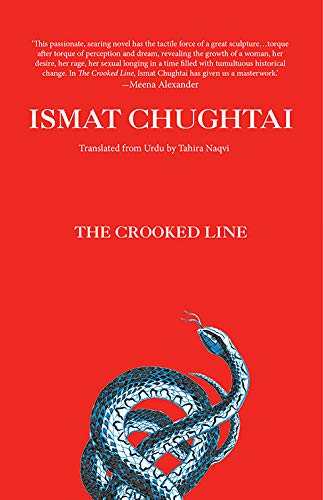
‘But when a Bird's feathers have been clipped once, it remains imprisoned even when its free, and the clipped feathers don't grow back in this life and even if they do, they reappear all out of shape and crooked.’
— Ismat Chugtai, The Crooked Line
In The Crooked Line (Tedhi Lakeer), Ismat Chughtai traces the coming-of-age of Shamman, a young woman navigating identity, sexuality, and intellectual freedom in a conservative society. Set in the turbulent decades just before Indian Independence, the novel unfolds against a nation in transition. It captures a society being reshaped by political upheaval, reformist thought, and shifting gender expectations—changes that were especially destabilising, and liberating, for Indian women.
Chughtai writes with boldness, yet her protagonist’s strength unfolds gradually. Shamman questions, observes, and evolves. She does not accept inherited truths without scrutiny.
This is quiet rebellion—the refusal to shrink one’s mind to fit social comfort.
Why These Books Matter Today
What binds these eight works together is not a single definition of strength. Instead, they show its many shades: survival, integrity, sisterhood, conscience, thought, independence, memory, and defiance.
None of these women wields swords. Many are constrained by their times. Yet each claims space—whether physical, emotional, or intellectual. They remind us that resilience is often invisible. It is stitched into daily life, written into margins, carried in silence.
On Women’s Day, celebration need not always be loud. Sometimes, it is enough to sit with a book that steadies you. To read a sentence that feels like recognition. To remember that strength can be patient, reflective, and deeply interior.
And perhaps, in turning these pages, we find not only their quiet courage—but our own.
Your next read: From The Cat in the Hat to How the Grinch Stole Christmas!: 10 Things You Didn’t Know About Dr Seuss