

Parent Categories



Related Products



Related Books

Why Virginia Woolf Believed Reality Was Felt, Not Explained
 Virginia Woolf
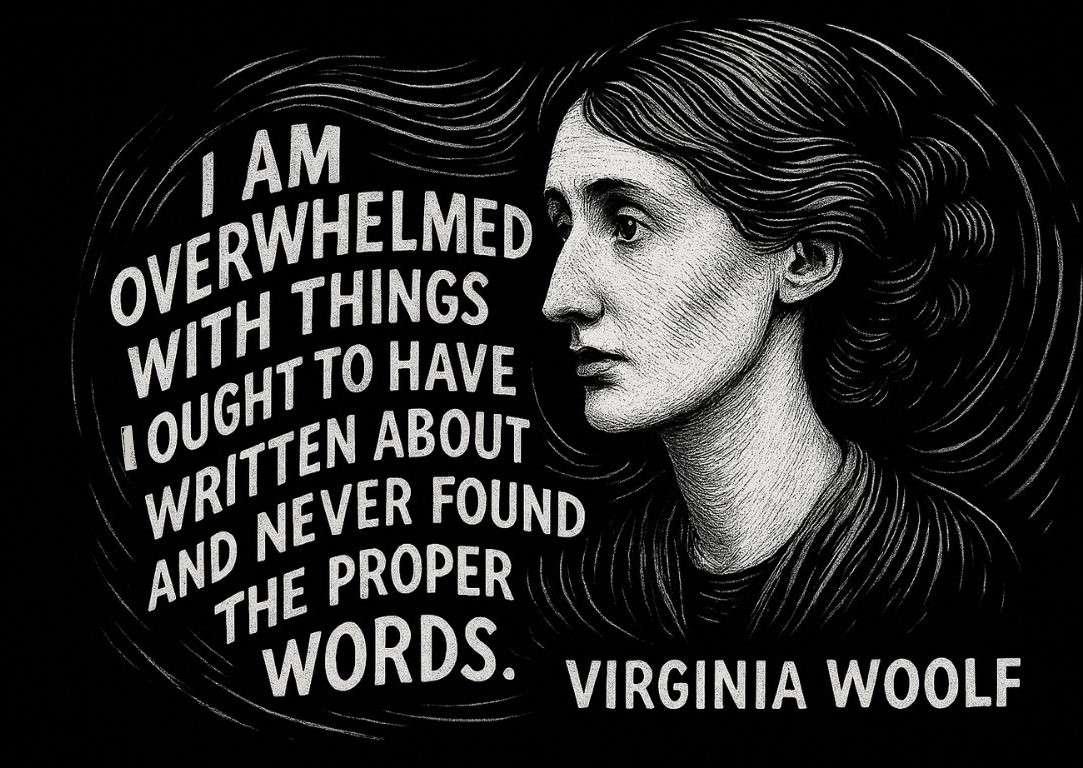
Many of us move through life trying to explain it—analysing our experiences, justifying our choices, arranging events into neat narratives, as if existence itself were a problem to be solved rather than something to be lived. In this constant effort to make sense of everything, we overlook the details of our surroundings, our own fragility, and the subtle sensitivities through which life first reaches us. This was not how Virginia Woolf understood reality.
 [Image Credit: The New Yorker]
For her, reality was something to be experienced directly, not reduced to concepts or conclusions. This belief runs through her diaries, her novels, and even her daily routines. It shaped the way she wrote, the forms she experimented with, and the interior worlds she brought to life on the page.
Being the Author of the Month at Cuppa Classics, we took our sweet time to explore Woolf as a deeply sensitive writer and her consciousness of reality. In this blog, we will look at how her commitment to feeling rather than explaining influenced her writing rituals and shaped the enduring works she left behind.
Virginia Woolf’s Inner Life

Virginia Woolf was intensely emotionally sensitive, and she made no effort to conceal this fact in her diaries. Rather than presenting a composed or idealised self, her private writings reveal a mind constantly attuned to its own fluctuations—excitement, irritation, envy, joy, despair. Woolf took her inner life seriously, not as a weakness to be managed, but as the primary site where reality first made itself known.
Despite her public image as a disciplined and deeply committed writer, Woolf’s inner life was marked by vulnerability and unrest. Her diaries show a constant attention to reviews, criticism, and public reception, revealing how deeply external judgment affected her emotional state. Alongside this ran frequent self-doubt and emotional volatility, as well as an acute awareness of time, health, and daily routine. These concerns were not distractions from her work but integral to it—conditions under which her writing emerged.
Woolf’s sensitivity, then, was not incidental to her art. It shaped how she perceived the world and how she translated that perception into language.
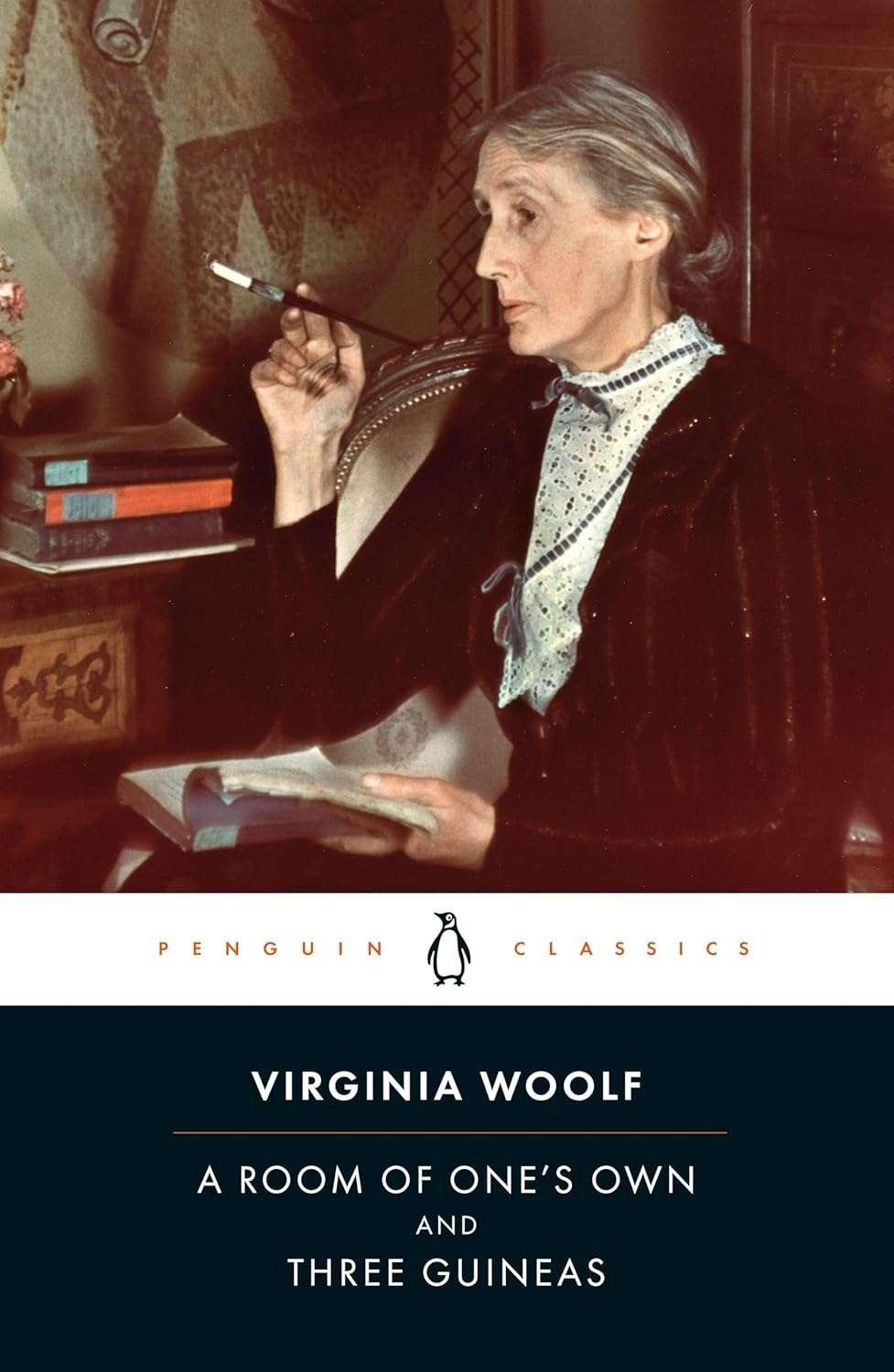
Buy Here : A Room of One's Own
Woolf’s Consciousness of Reality

For Virginia Woolf, reality, as she understood it, did not arrive as a clear idea or a finished thought. It arrived first as sensation—as a sudden flash of awareness, a shift in mood, a moment of heightened presence. Thought came later, if at all.
This is what critics have described as Woolf’s consciousness of reality: a heightened awareness of existence itself. It was not philosophical abstraction or theoretical reflection, but a felt presence—direct, immediate, and often overwhelming. These moments were frequently triggered by ordinary sights: the movement of the sky, the shape of a room, a landscape glimpsed through a window, a simple household object. The everyday world, in Woolf’s hands, became the gateway to deeper perception.
Also read: Cheers to New Beginnings: Classic Books for Your 2026 Reading List
Writing Without Explaining: How Virginia Woolf’s Consciousness of Reality Impacted Writing

For Virginia Woolf, writing was not a means of explaining reality but of allowing it to appear. Mundane objects—a coffee cup, a table, a knife, a fork—are not metaphors to be decoded but presences to be felt. Through them, inner life becomes visible without ever being named.
Instead of climactic plots or clear resolutions, her novels attend to moments of perception: shifts in light, passing thoughts, the rhythm of a day. Meaning emerges not through explanation, but through sustained attention. This approach reaches its most radical form in The Waves, often described as Virginia Woolf’s most extreme attempt to capture pure consciousness.

The novel abandons conventional narrative, dissolving character and plot into a series of interwoven voices. Woolf’s diary entries from this period reveal her struggle to represent reality without recourse to traditional structure—to let consciousness speak for itself, without interpretation or guidance.
In writing this way, Woolf asks something unusual of her readers: not to understand, but to experience. She invites them into a shared act of perception, where reality is not explained or resolved, but felt in its immediacy. Her work stands as a reminder that literature does not always exist to clarify the world. Sometimes, its task is simply to let the world be seen.
Why Woolf Still Matters in an Explanatory Age
We live in an age that is obsessed with explanation. Everything is measured, interpreted, optimised, and justified. Experiences are broken down into data, emotions are labelled and diagnosed, and even creativity is often explained away through productivity systems and psychological frameworks. We are encouraged to understand life constantly, but rarely to simply feel it.
This is precisely why Virginia Woolf still matters. She left behind a way of seeing that is at risk of being lost. In a culture that privileges clarity, certainty, and explanation, she defends ambiguity, silence, and felt experience. She reminds us that not everything meaningful can be explained—and that literature exists, in part, to protect those forms of truth.
To read Virginia Woolf today is to be reminded that consciousness itself is worth listening to. Not because it leads to conclusions, but because it allows us to inhabit reality more fully.
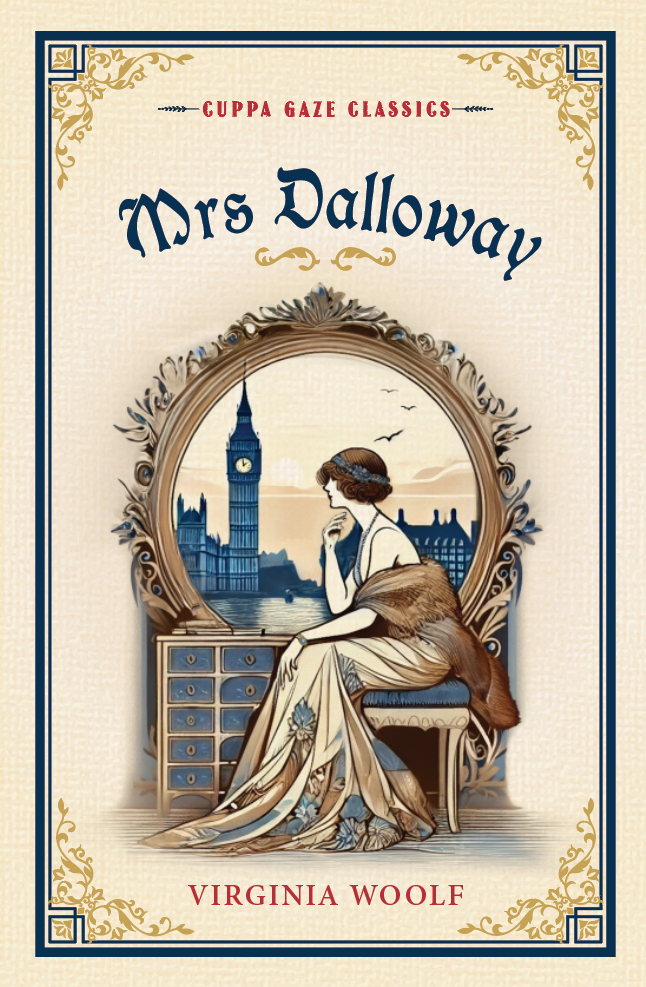
Your next read: Beyond Mrs Dalloway: 5 Most Underappreciated Works of Virginia Woolf Worth Reading