

Parent Categories

Related blogs



Related Products




Related Books


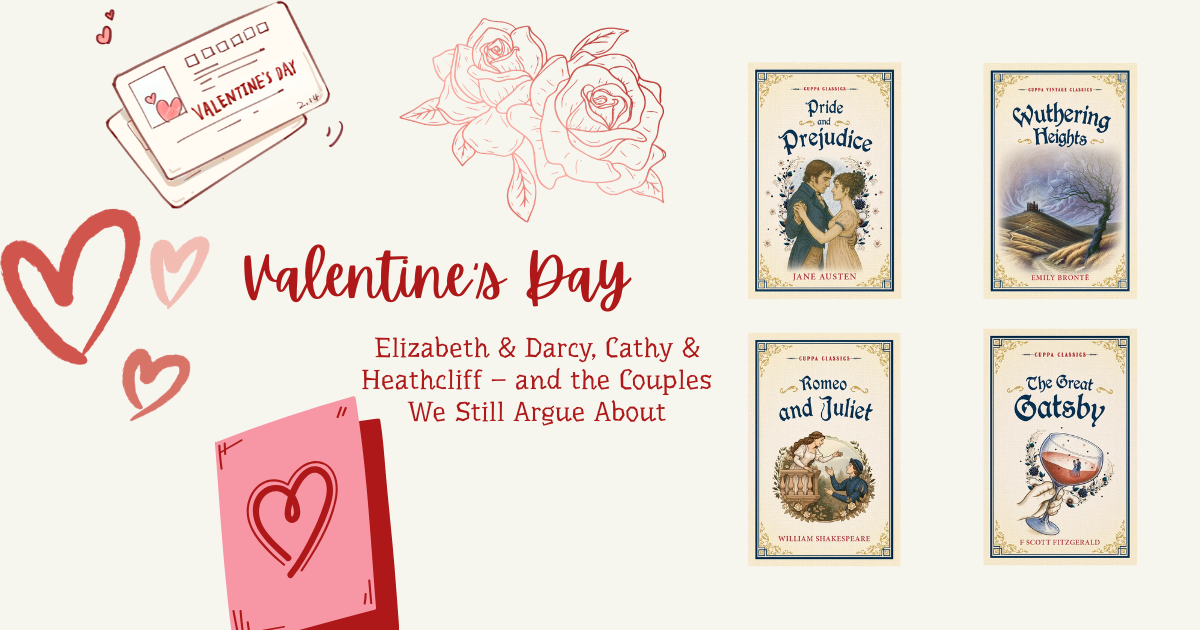
Valentine’s Day: Elizabeth & Darcy, Cathy & Heathcliff – and the Couples We Still Argue About
 Valentine's Day
Every Valentine’s Day arrives wrapped in predictable symbols—roses, chocolates, candlelight dinners, and carefully curated declarations of love. Yet, beyond greeting cards and Instagram-perfect proposals, some of the most memorable romances remain those that are messy, complicated, and fiercely debated. Literature, especially, has gifted us couples whose love stories continue to spark arguments centuries later. Were they romantic or toxic? Aspirational or cautionary? These fictional relationships endure precisely because they resist simple answers.
Let’s revisit some of the literary couples who continue to make readers sigh, argue, and occasionally roll their eyes—proof that love stories are often most powerful when they’re imperfect.
Also read: Single This Valentine’s Day? These Classic Books Understand You
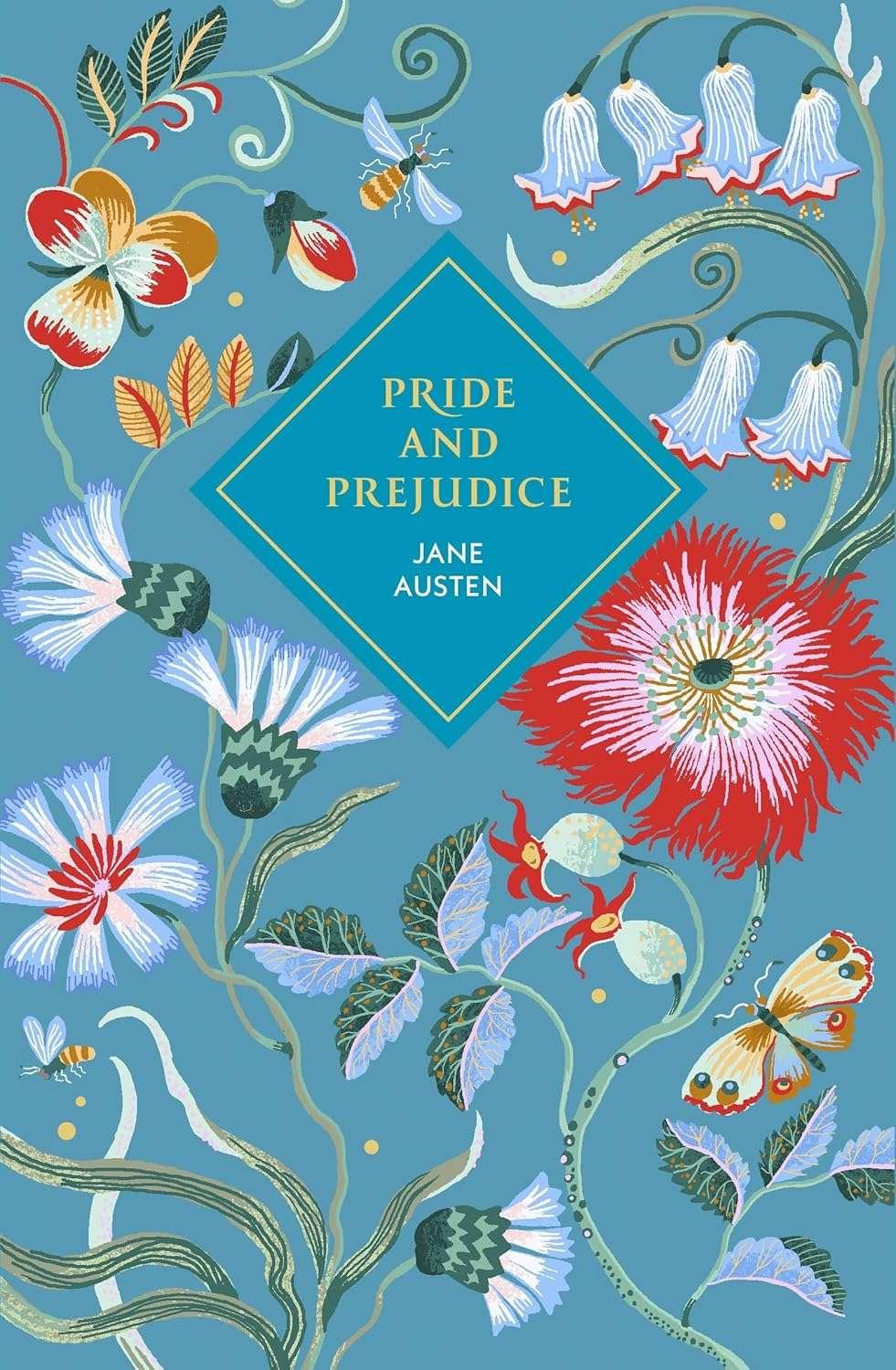
Elizabeth Bennet & Fitzwilliam Darcy – Pride and Prejudice
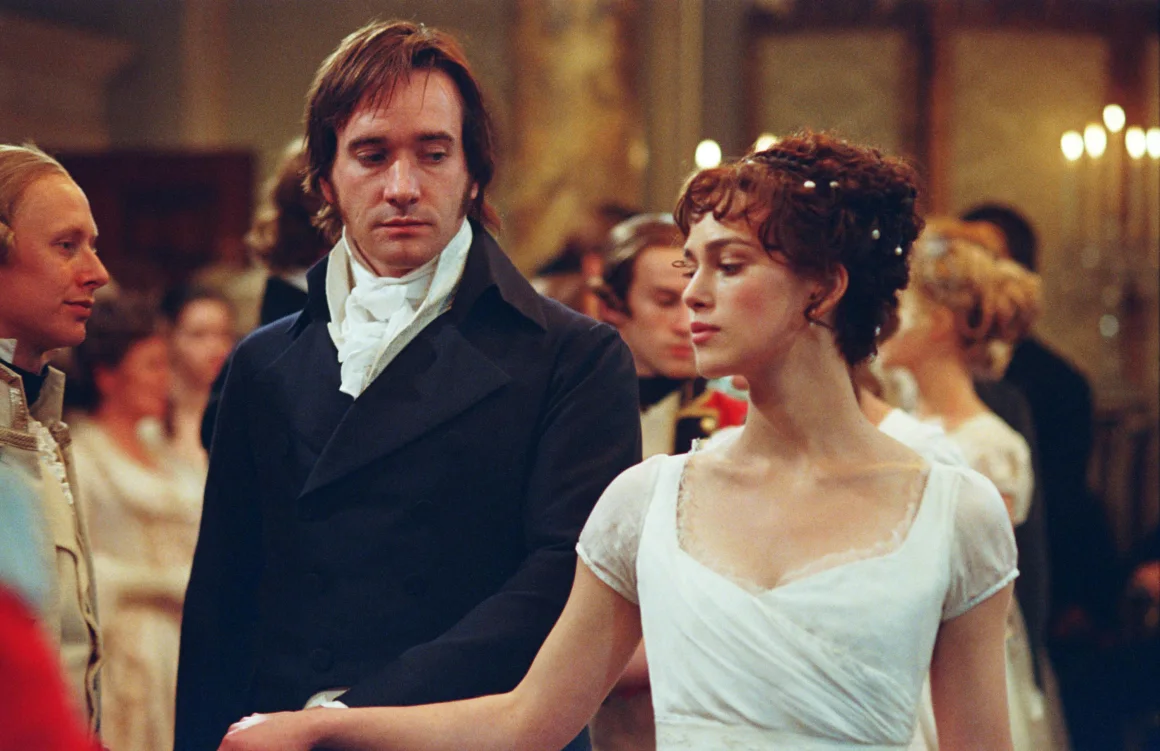 [Image Credit: Pride and Prejudice 2005]
Few love stories capture the thrill of emotional transformation quite like this one. At first glance, their relationship appears to be built on mutual misunderstanding. She sees arrogance and class prejudice; he perceives impulsiveness and social impropriety. Their early encounters are filled with sharp observations and wounded pride, making readers question whether affection could ever bloom between them.
What keeps this relationship relevant is its evolution. Their story is not about instant attraction but about growth—learning to confront personal flaws and societal expectations. Readers often debate whether his eventual transformation redeems his initial arrogance or whether she was too quick to forgive. Others celebrate their story as one of the earliest and finest examples of emotional maturity in romantic fiction.
Their romance resonates today because it challenges the idea that love is effortless. Instead, it suggests that genuine connection often demands introspection and change—a message that feels refreshingly realistic in an age obsessed with perfect first impressions.
Catherine Earnshaw & Heathcliff – Wuthering Heights
 [Image Credit: Wuthering Heights 2009 TV serial]
If the previous couple represents love refined by growth, this pair embodies love consumed by obsession. Their bond is intense, primal, and destructive—often leaving readers divided between fascination and discomfort.
Their relationship begins in childhood, forged through shared isolation and emotional dependence. As they grow older, societal pressures, personal pride, and emotional volatility tear them apart, yet their attachment refuses to fade. Their love is often described as transcending conventional romance, blurring the line between devotion and self-destruction.
Modern readers frequently argue about whether this relationship should even be called romantic. Some view it as a haunting portrayal of love that refuses to die, while others see it as a cautionary tale about emotional toxicity. Either way, their story remains unforgettable because it captures the darker side of passion—the kind that burns brightly but leaves devastation in its wake.
Romeo Montague & Juliet Capulet – Romeo and Juliet
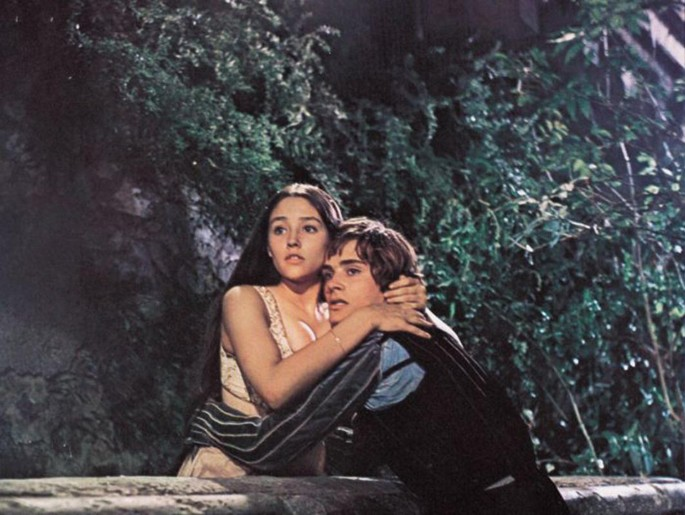 [Image Credit: Romeo and Juliet 1968]
Perhaps the most iconic lovers in literary history, these two have defined romantic tragedy for centuries. Their whirlwind romance—sparked by instant attraction and sealed by impulsive decisions—has become synonymous with youthful passion.
Yet, contemporary readers often debate whether their story is genuinely romantic or simply reckless. The speed with which their relationship unfolds has led many to question whether their love represents emotional depth or adolescent infatuation intensified by forbidden circumstances.
Despite these debates, their narrative continues to captivate because it captures the intensity of first love—the kind that feels absolute and all-consuming. Their story reminds us that love is not always measured by longevity but sometimes by emotional impact. Their legacy survives precisely because it explores how love can inspire courage while simultaneously leading to tragedy.
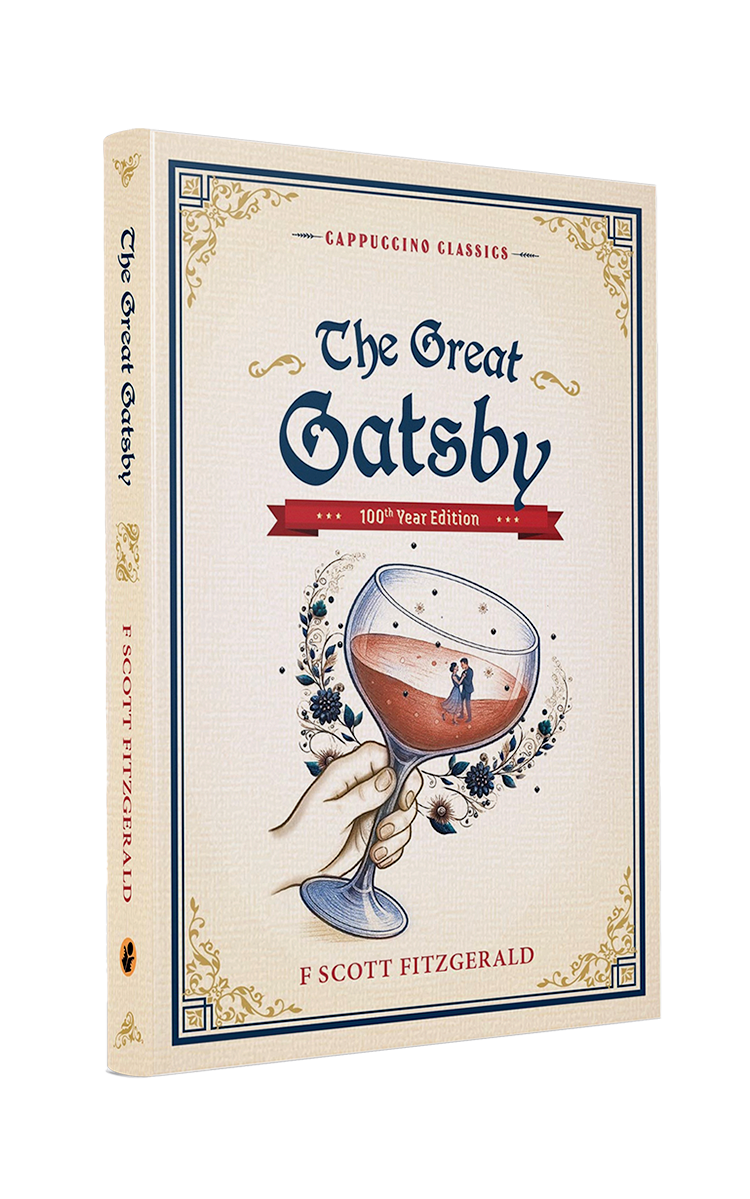
Jay Gatsby & Daisy Buchanan – The Great Gatsby
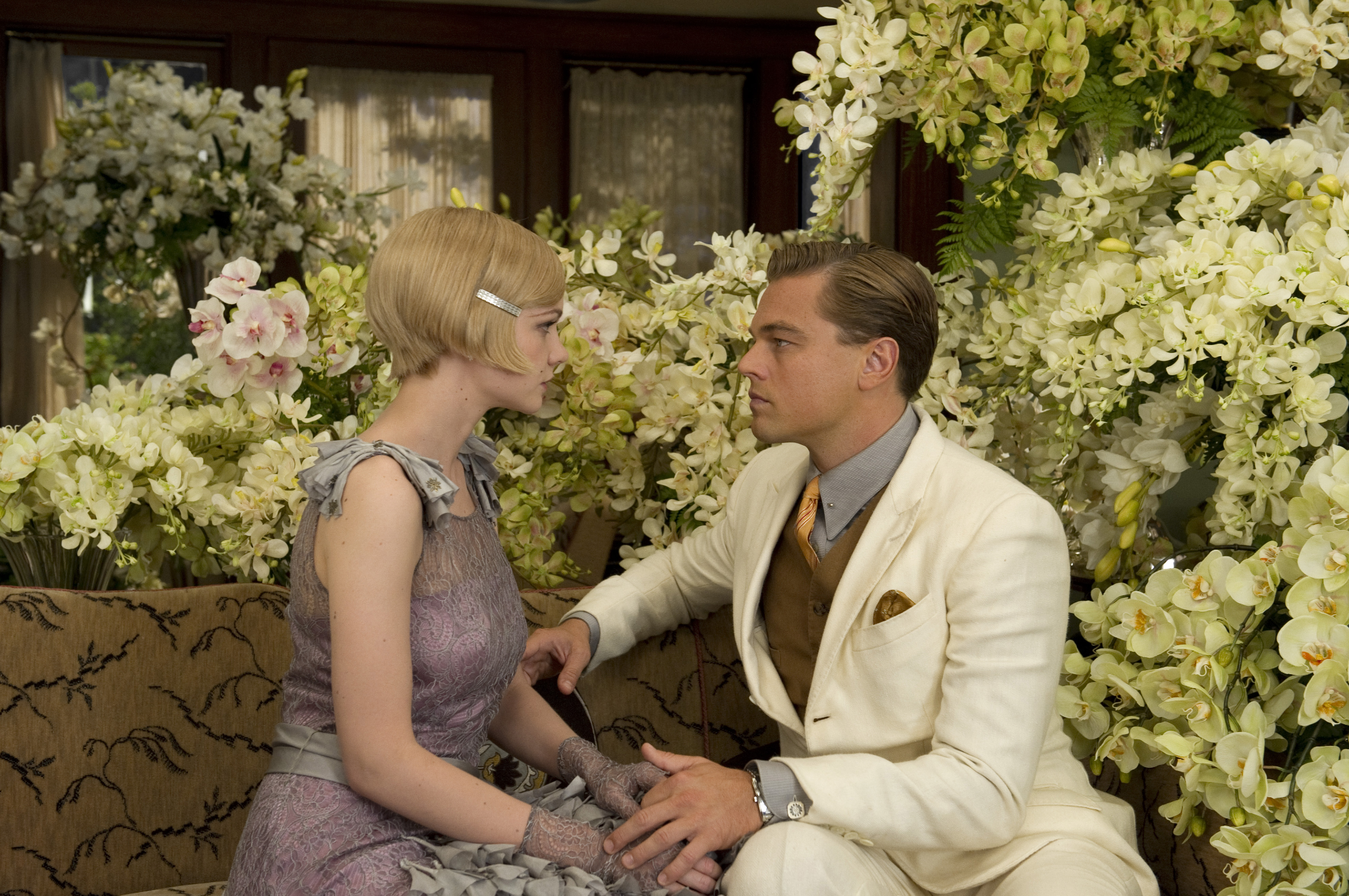 [Image Credit: The Great Gatsby 2013]
Few literary romances are as dazzling—and disillusioning—as this one. Their relationship is built on memory, longing, and illusion rather than mutual understanding. He dedicates his life to recreating a perfect past, while she becomes the symbol of an unattainable dream.
Readers frequently debate whether she deserves the devotion she receives or whether she represents the shallow glamour of a materialistic society. Meanwhile, his relentless pursuit of an idealised love story raises questions about whether he ever truly loved the real person or merely the fantasy he constructed around her.
Their relationship endures because it reflects a universal truth about love and nostalgia. Sometimes, what we chase is not a person but a memory—a feeling tied to who we once were. Their story is less about romance and more about the dangers of idealisation, making it deeply relevant in a world driven by curated realities and selective memories.
Why We Still Argue About Them
The enduring fascination with these couples lies in their complexity. None of them offers an easy definition of love. Instead, they present relationships shaped by pride, obsession, youth, illusion, and emotional growth. They invite readers to project their own beliefs about love onto these stories, which is why discussions about them remain lively and unresolved.
These couples also reflect changing cultural attitudes toward romance. Relationships once celebrated as passionate are now re-evaluated through modern perspectives that emphasise emotional health, equality, and communication. Each generation reads these stories differently, finding new meaning in familiar narratives.
Love Stories That Refuse to Fade
Valentine’s Day often encourages us to celebrate idealised love—relationships that seem harmonious and uncomplicated. Yet, literature reminds us that love has always been far more layered. The couples who linger in our imaginations are not those who love perfectly but those who love intensely, imperfectly, and memorably.
Perhaps that is why these stories endure. They mirror the contradictions of real relationships—how love can inspire growth or destruction, clarity or illusion. They remind us that romance is rarely simple, and maybe it isn’t meant to be.
And so, every February, as hearts and roses fill the world, readers quietly return to these timeless lovers—not just to celebrate love, but to debate what it truly means.
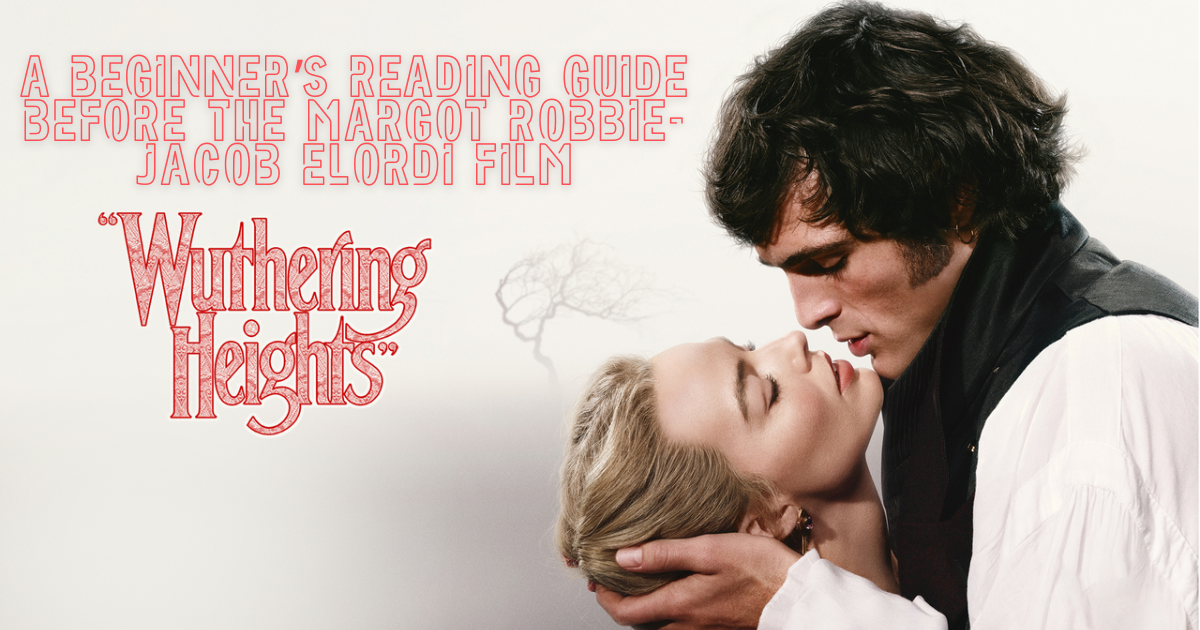
Also read: Wuthering Heights: A Beginner’s Reading Guide Before the Margot Robbie-Jacob Elordi Film