

Parent Categories


Related Products




Related Books

Toni Morrison’s Legacy: From Beloved to Becoming the First Black Woman Nobel Laureate in Literature
 Toni Morrison’s Legacy
We’re in the heart of Black History Month, and there’s one name that keeps resurfacing in conversations about Black literature, memory, and resistance. You already know who it is; it’s Toni Morrison.
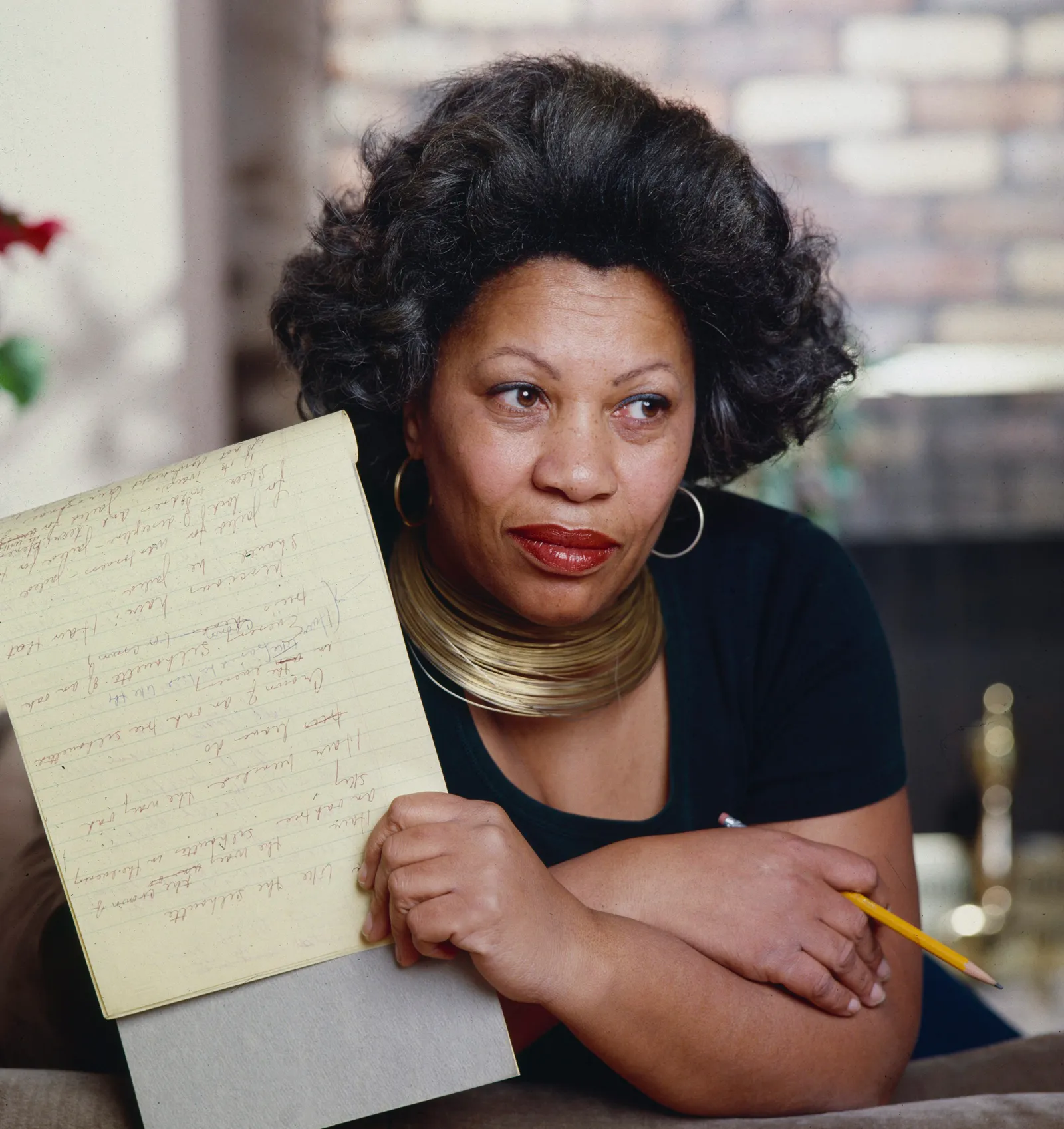 [Image Credit: The New Yorker]
Born as Chloe Anthony Wofford, Morrison faced a world where racial discrimination wasn’t just present—it was persistent, shaping the everyday life of black women like her. But instead of letting it define her limits, she transformed it into language, storytelling, and truth.
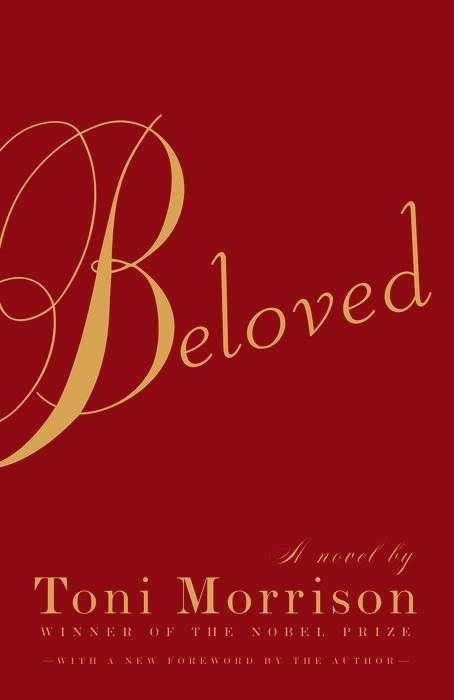
Against the odds, she became everything the White culture of her time told Black women they could not be: the first Black woman senior fiction editor at Random House, a Pulitzer Prize winner, and, in 1993, the first Black woman to win the Nobel Prize in Literature. Through works like Beloved, she forced the world to confront history, memory, and the interior lives of Black people with an honesty that still reverberates.
So, on her birthday, let’s pause and revisit the legacy of Toni Morrison!
Toni Morrison’s Debut Novel at The Age of 39

Unlike many authors who wrote in the early stages of their career, Toni's debut novel came at the age of 39. Remembering a sombre moment from her childhood, where another young Black girl confessed to praying every night for blue eyes, she started to shape the memory into a novel.
She started writing it as part of a writer’s group at Howard University, working in the early mornings and late-night hours when her sons were asleep. She wrote the story less as a writer and more as a reader because the literature of her time didn’t have such a story to tell about Black girlhood, internalised racism, and beauty standards.
Also read: Plot Twist: 10 Surprising Facts About Classic Authors
Toni’s Route to Editing & Writing Life
Let’s rewind a bit to the life Toni lived before her first novel. Her academic path was just as impressive as her literary one. Toni Morrison was an avid reader from childhood. After graduating from high school, she was accepted into Howard University, becoming the first woman in her family to attend college.
 [Toni was a part of the university’s theatrical group called the Howard University Players, Credit: The Dig at Howard University]
She earned her Bachelor of Arts degree and went on to Cornell University in Ithaca, New York, where she completed her master’s degree. Unsure of what path to take next, Morrison spent about a year and a half teaching at Texas Southern University before returning to Howard University in 1957 to teach.
Seven years later, Morrison moved to Syracuse, New York, to work as an editor in the textbook division of Random House, eventually becoming the first Black woman to serve as a senior fiction editor there.
From Song of Solomon to Beloved: Expanding the Black Narrative in American Fiction
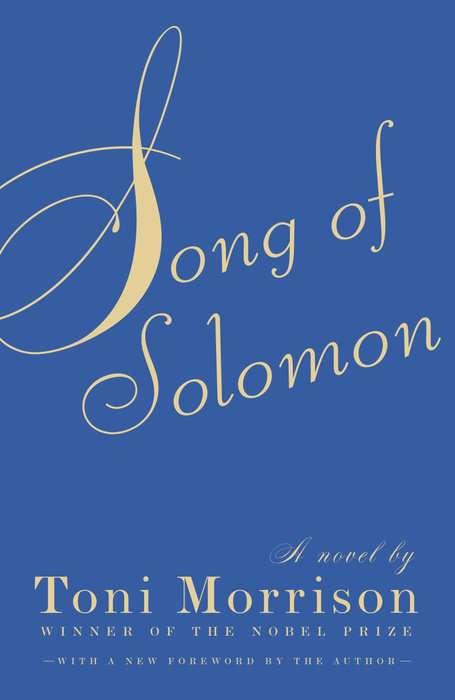
Morrison’s profile as a writer grew as she started writing full-time. Her third novel, Song of Solomon, was her first attempt to write Black experience in a white society from a male protagonist's point of view. And this attempt earned her national attention and won the National Book Critics Circle Award for the same.
 [Toni Morrison receiving her Nobel Prize from H.M. King Carl XVI Gustaf of Sweden at the Stockholm Concert Hall on 10 December 1993. Nobel Foundation. Photo Credit: The Nobel Prize]
What Toni Morrison Gave the World
Celebrating Toni Morrison’s birthday during Black History Month feels especially fitting. Her work has always been about remembering—about telling the stories that were ignored, erased, or pushed aside, and telling them honestly. Morrison gave us Black stories centred on Black lives, written without apology and without the need to explain themselves to anyone.
Through her novels, her editorship, and her voice as a cultural thinker, she changed the landscape of Black literature and American storytelling as a whole. She made space for complexity, for memory, for discomfort, and for beauty—all at once.
So today, and all through Black History Month, we read her, we talk about her, and we pass her work along. And to you, the reader—thank you for being part of that. For remembering. For showing up. And for keeping a voice like Toni Morrison’s alive.
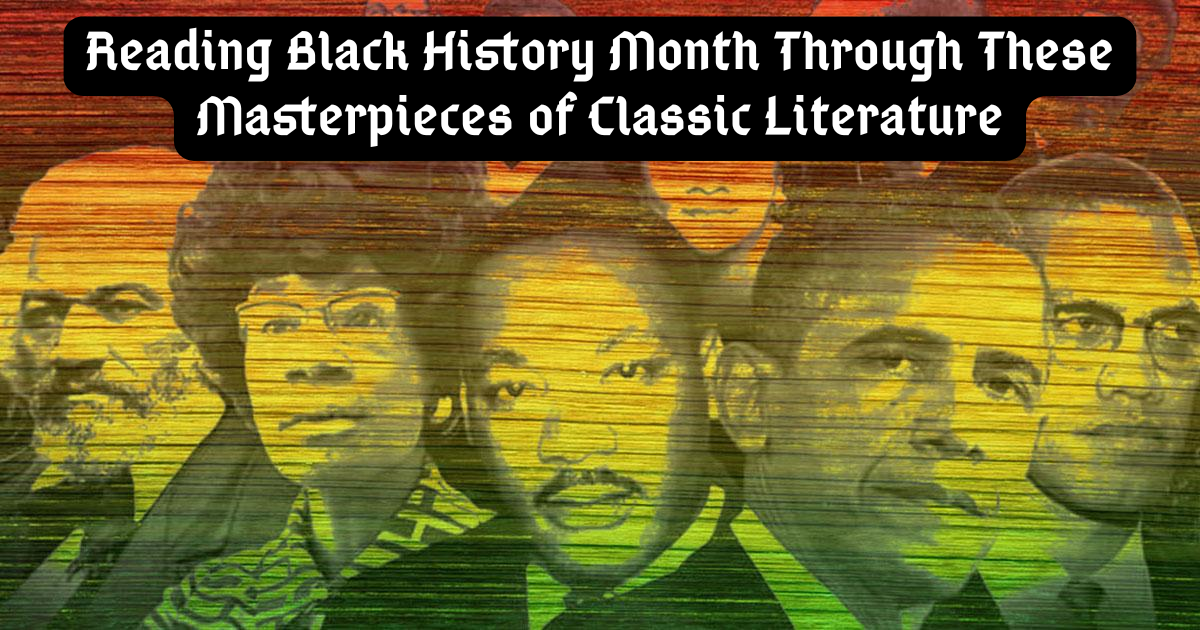
Your next read: Reading Black History Month Through These Masterpieces of Classic Literature