

Parent Categories

Related blogs


Related Products


Still She Rises: The Enduring Power of Maya Angelou
 Maya Angelou
“You may shoot me with your words,
You may cut me with your eyes,
You may kill me with your hatefulness,
But still, like air, I’ll rise.”
There are some voices that don’t just speak—they echo across time. Maya Angelou was one such voice: bold yet tender, wounded yet unbreakable. She was one of those classic writers whose words didn’t merely sit on a page—they stood up, walked, resisted, and rose.
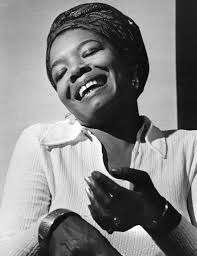 [Image Credit: The New York Times]
Born as Marguerite Ann Johnson in St. Louis, Missouri, her life was filled with upheavals, hardships, and moments that could have easily silenced her forever—but instead, they shaped her into a voice the world could not ignore. She lived many lives—author, poet, historian, songwriter, playwright, dancer, stage and screen producer, director, performer, singer, and civil rights activist—but at her core, she was a truth-teller.
And on her birthday, on the 4th April, let’s revisit the life of Maya Angelou and how it shaped a voice that never dies and gives us unwavering belief in rising again and again.
A Memoir That Became a Mirror for a System That Failed Her
Maya Angelou’s life reads almost like one of her own narratives—layered, complex, and filled with transformation. She wasn’t just a writer who observed the world; she lived many worlds, and each phase added depth to who she became.

I Know Why the Caged Bird Sings is perhaps the most intimate window into that life. It feels like a confession, a remembering, a reclaiming. Across its pages, she writes through racism, trauma, and the kind of pain no child should ever have to carry. She writes to show how deeply systems like segregation seep not just into society, but into the minds, bodies, and identities of Black individuals growing up within it.
And for many, the classic remains painfully relevant because the questions it raises have never really left us. Systemic barriers still exist—just in different shapes and forms. It forces us to ask: what does it mean to grow up silenced—not just by circumstance, but by society itself? To carry shame that was never yours to begin with? Angelou doesn’t offer easy answers—but she offers something more important: recognition.
The Heart of a Woman: Activism, Motherhood & Finding Her Voice
“The black mother perceives destruction at every door, ruination at each window, and even she herself is not beyond her own suspicion.”
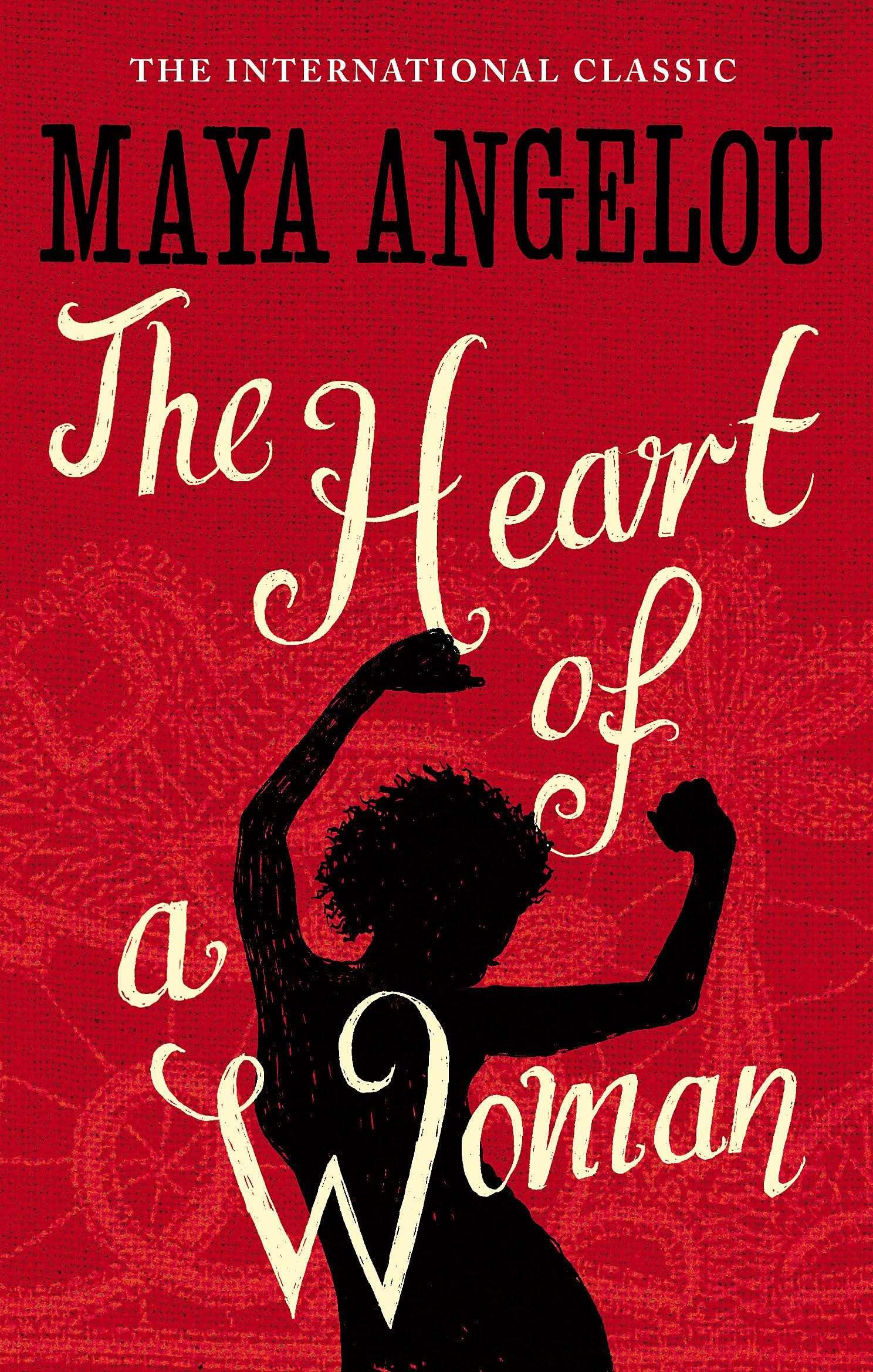
The Heart of a Woman is the fourth volume of Maya Angelou’s seven-part autobiography, and it captures a woman in motion—personally, politically, and emotionally. The book moves between her involvement in the Civil Rights Movement and her role as a mother, revealing the tension of holding both worlds together. While working alongside figures like Martin Luther King Jr. and Malcolm X, she also documents what it’s like to raise her son, navigating love, independence, and identity.
What makes this memoir endure is its honesty. She questions, falters, learns, and grows. Her time in Ghana further deepens this journey, forcing her to confront what it means to belong, to return, and to redefine herself.
Letter to My Daughter: Words That Hold and Heal
Letter to My Daughter shows a completely different side of Maya Angelou that we encounter in her earlier works. This collection of essays and poems feels quieter, more intimate—less like a declaration, and more like a conversation.
Beyond just a writer or activist, she is a guide, a mother figure, a voice of gentle reassurance. The pieces read like letters written not to one daughter, but to many—to anyone who has ever searched for belonging, for courage, for a sense of self in a world that often feels overwhelming.

She reflects on love, identity, race, loss, and resilience, but without the urgency or intensity that marks some of her earlier narratives. Instead, there is a softness here—a kind of emotional ease that comes from having lived, learned, and made peace with one’s journey.
Still, She Rises
In the end, the power of Maya Angelou lies not just in what she wrote, but in how deeply she lived. Her life was not free of pain, silence, or struggle—but it was never defined by them. Instead, she transformed each experience into something meaningful, something that could reach beyond her own story and touch the lives of others.
What makes her legacy endure is not perfection, but truth. She never claimed to have all the answers, but she offered something far more powerful—honesty, courage, and the reminder that even in our lowest moments, there is always the possibility of rising.
And maybe that is what we carry forward from her—not just her poems or her prose, but her spirit. The quiet insistence that no matter what tries to break us, silence us, or define us, we can still stand. Still speak. Still become.
And still—like air—we rise!
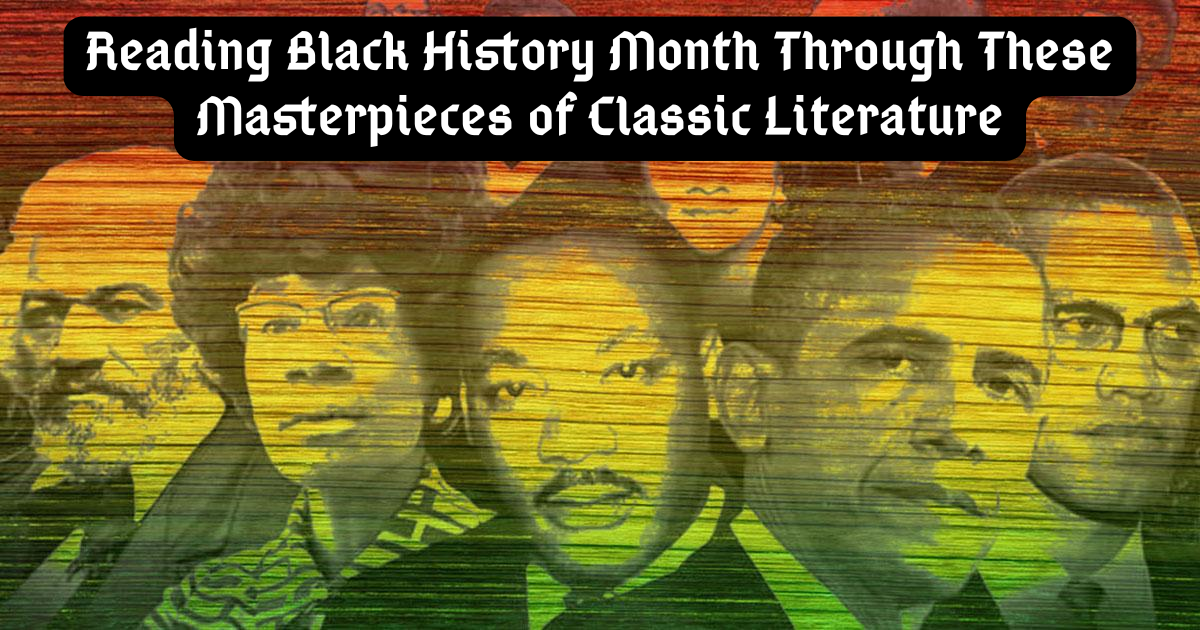
Your next read: Reading Black History Month Through These Masterpieces of Classic Literature