

Parent Categories

Related blogs




Related Products




Related Books

Why RK Narayan’s Malgudi Still Speaks to Us: Timeless Lessons from a Fictional Town
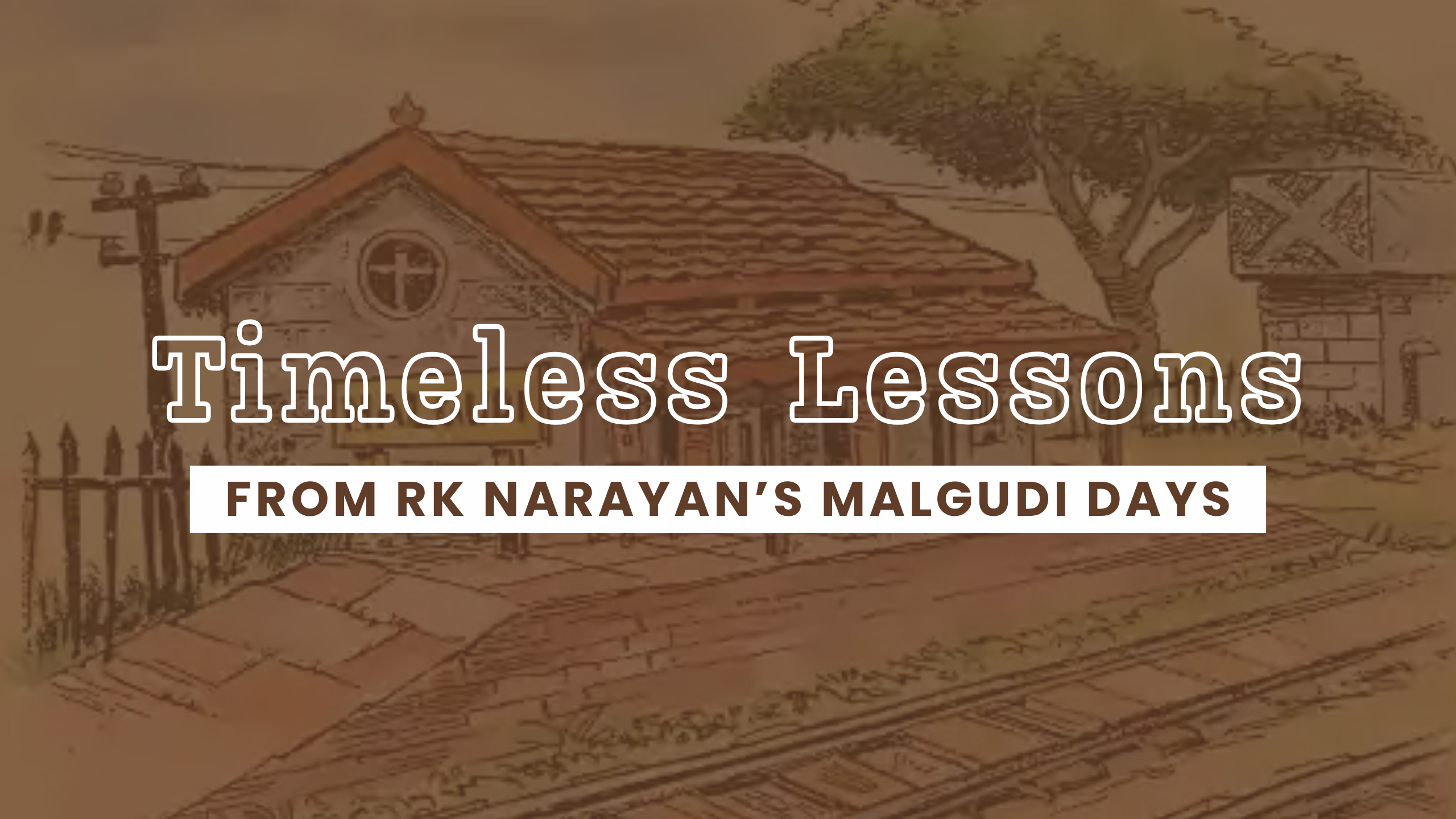 Timeless Lessons from RK Narayan’s Malgudi Days
If there’s anything that forms the collective memory of our childhoods, it's Malgudi Days. Whether you read RK Narayan’s books or watched Malgudi Days on TV, chances are you grew up wandering the streets of this fictional South Indian town, meeting characters who felt like neighbours, friends, or even family. There were no heavy words, no mind-boggling plots—just simple, warm stories that somehow stuck with us.
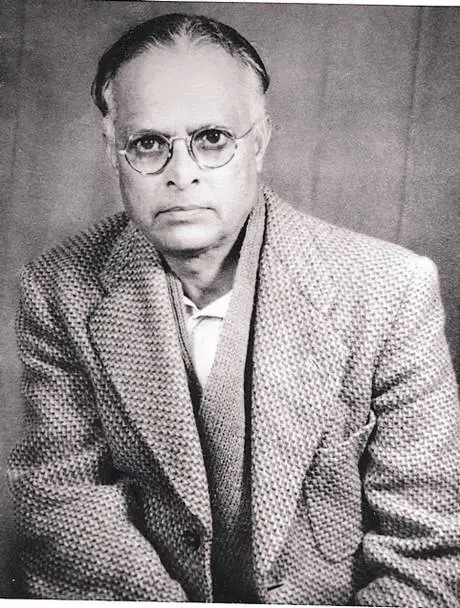
And since it’s RK Narayan’s birthday, let’s take a little trip back to Malgudi and revisit the timeless lessons this fictional town has somehow never left us.
Values Hold Meaning IRL
RK Narayan had this magical way of showing that values like kindness, empathy, honesty, and perseverance actually do make a difference. Think about Swami, fumbling through school but learning courage along the way, or those neighbours whose small acts of care quietly shape everyone around them.
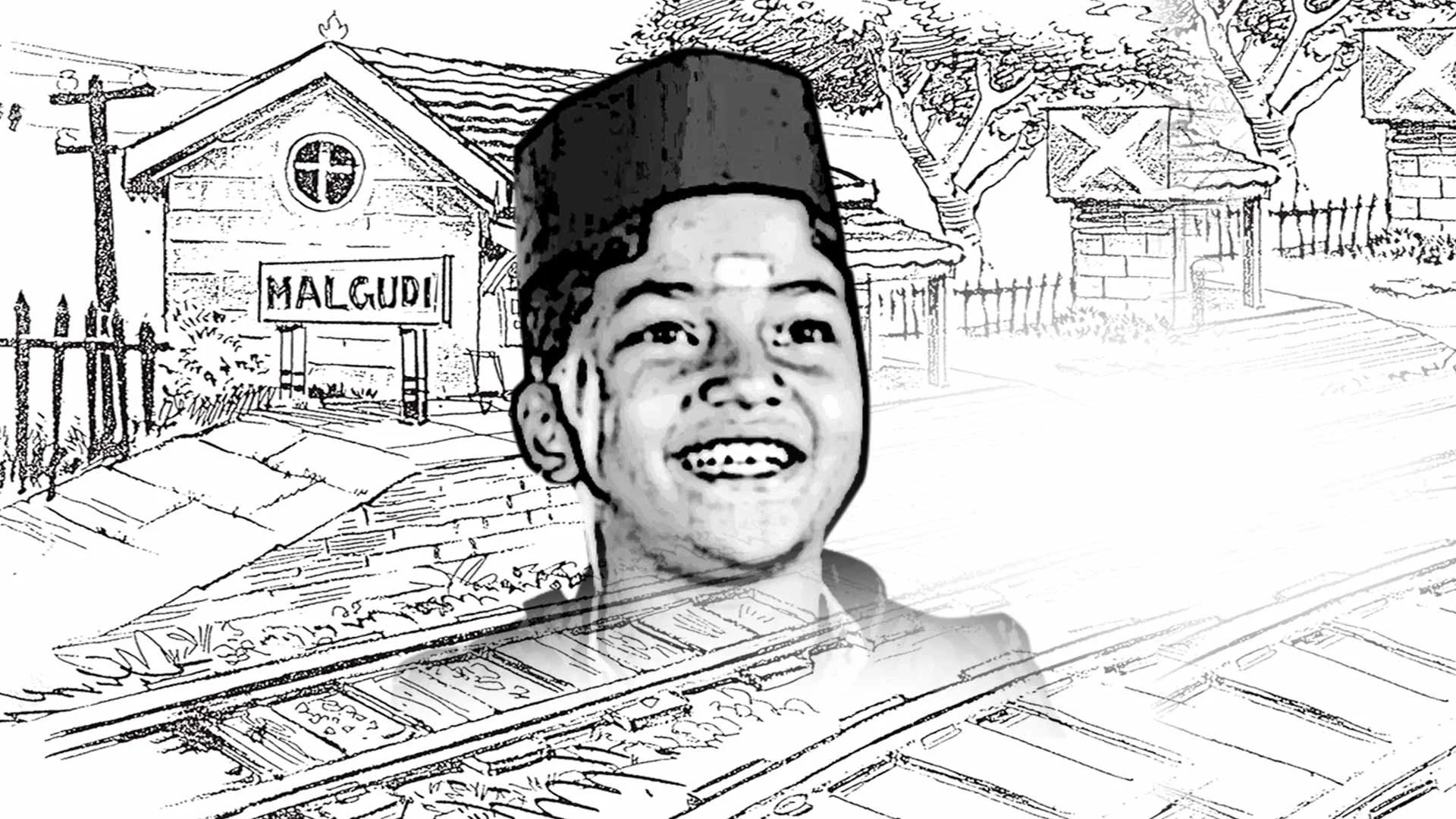
The best part? These stories make you realise that values aren’t old-fashioned—they’re timeless. In Malgudi Days, doing the right thing isn’t flashy or dramatic; it’s just human. And maybe that’s why, even decades later, we still relate to stories of Malgudi, smiling, learning, and nodding along.
Humour Makes Life Lighter
Life in Malgudi isn’t always smooth—there are troubles, misadventures, and plenty of little follies. But RK Narayan reminds us that even in those moments, we can choose to laugh (or at least chuckle). His stories are packed with wit, satire, and humour that still make us smile decades later.
What’s brilliant is that Narayan’s humour doesn’t come from exaggeration or slapstick—it comes from a deep understanding of human nature. He observes our quirks and little weaknesses, treating them with sympathy. The result? Humour that feels warm, real, and timeless.
Also read: Reading Gitanjali in Modern Times: Why Tagore’s Poetry Still Matters
Ordinary Life is Rich Enough
“The harvest depends not on the hand that holds the plough but on the hand which holds the pot.”
In today’s digital world, we’re always trying to glamorise life—turning our everyday moments into something Instagram-worthy. But Malgudi quietly reminds us that the ordinary doesn’t need any filters.
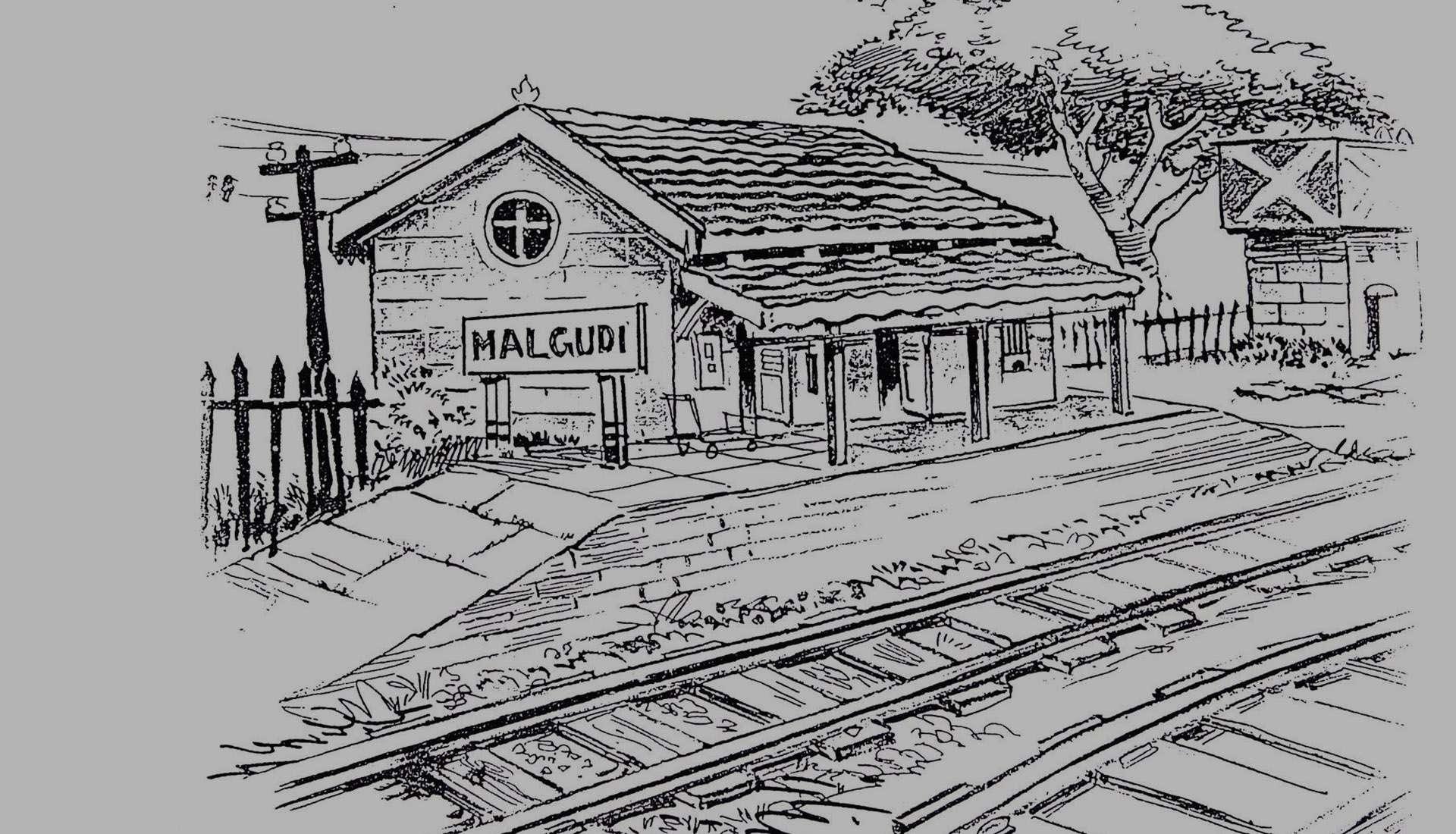
Each story celebrates life in its small, diverse moments: a family meal, a friendly chat, a tiny personal triumph. Narayan shows us that the simple joys of everyday life—friends, family, little adventures—can be just as extraordinary as any grand adventure. Sometimes, the richness of life is already right in front of us; we just need to notice it.
Compassion Makes Life Better

In Malgudi, kindness isn’t just a nice idea or a people-pleasing tendency—it actually changes things. Whether it’s helping a neighbour in need, forgiving a friend for a mistake, or simply taking the time to understand someone’s troubles, Narayan shows that small acts of care have real, tangible effects.
We Are Imperfect Beings
“When a dozen persons question openly or slyly a man’s sanity, he begins to entertain serious doubts himself.”
One of the quiet truths Malgudi teaches us is that nobody’s perfect—and that’s completely okay. Life is full of small blunders, and Narayan shows us that these imperfections aren’t failures; they’re part of being human.
By observing his characters with gentle humour and empathy, he reminds us to laugh at our own foibles, forgive ourselves, and accept others as they are. In Malgudi, flaws don’t define anyone—they make people real, relatable, and, in a strange way, lovable.
Why Malgudi Days Still Speak to Us
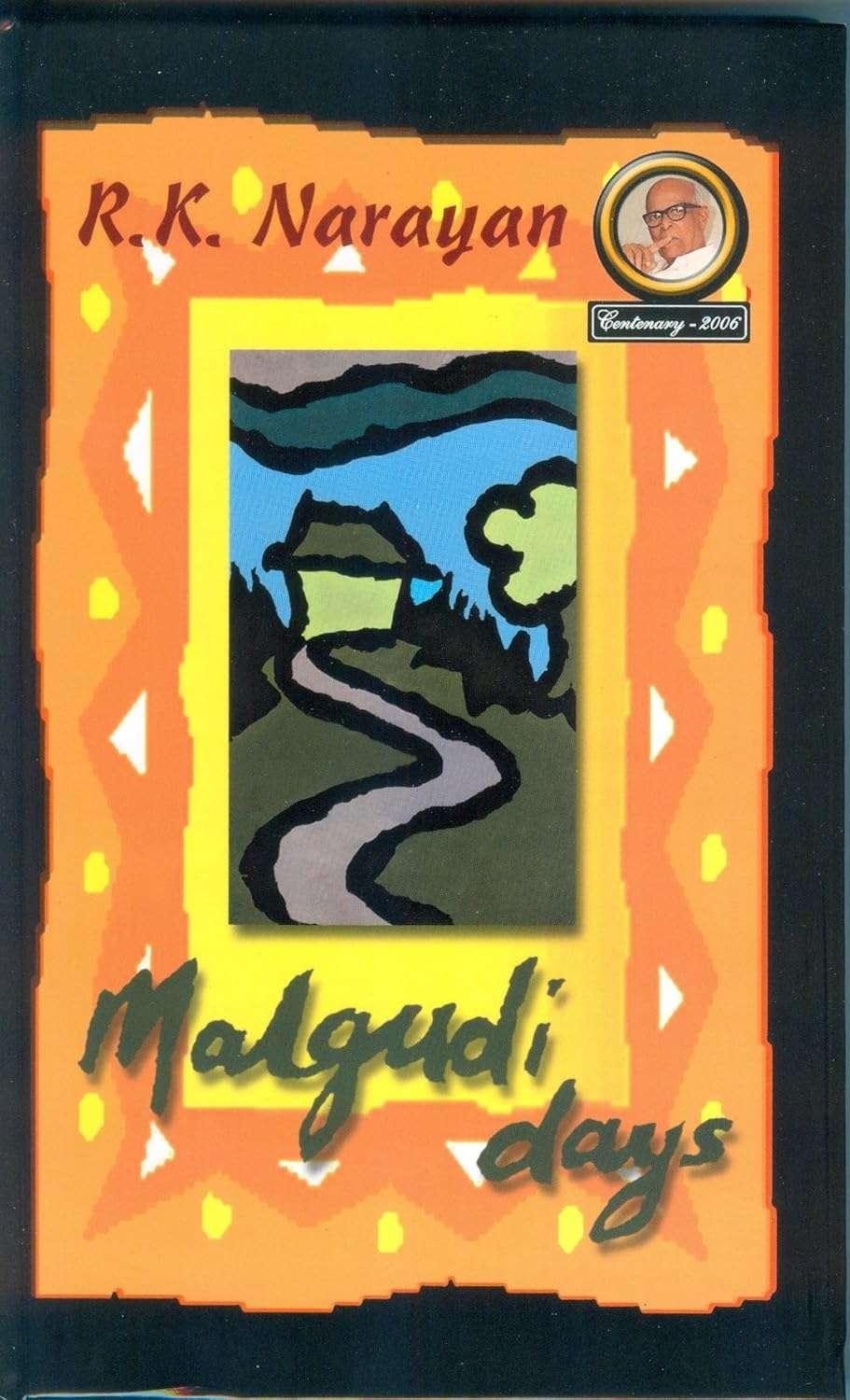
Consciously or not, these are lessons that many have carried over the years—little reminders of why Malgudi Days continues to resonate. Narayan’s stories aren’t just about being human; they’re about noticing small joys, cherishing simple pleasures, and learning along the way.
Thanks to him, we still have characters, words, and tales that take us straight back to the streets of Malgudi, reminding us to stop overthinking life and simply live it—laughing, caring, and learning with every step.
Your next read: Why RL Stine’s Goosebumps Still Give Us Chills (and Smiles) Decades Later