

Parent Categories



Related Products



Related Books

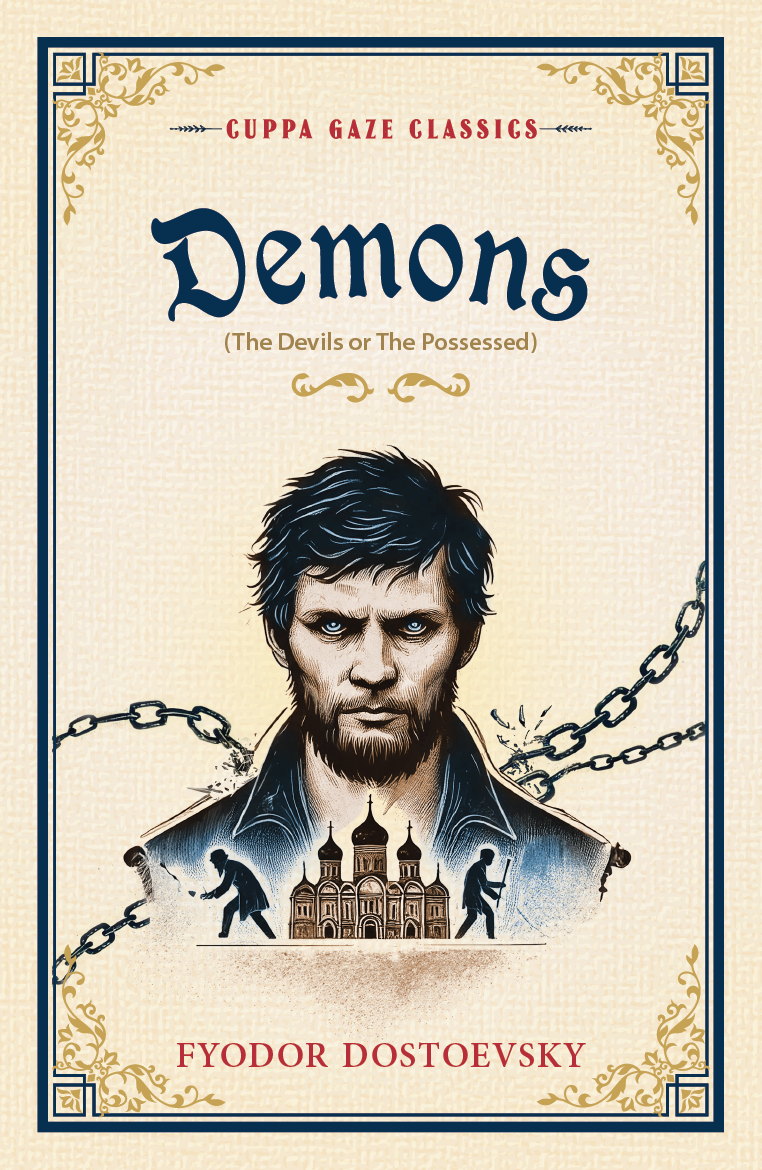
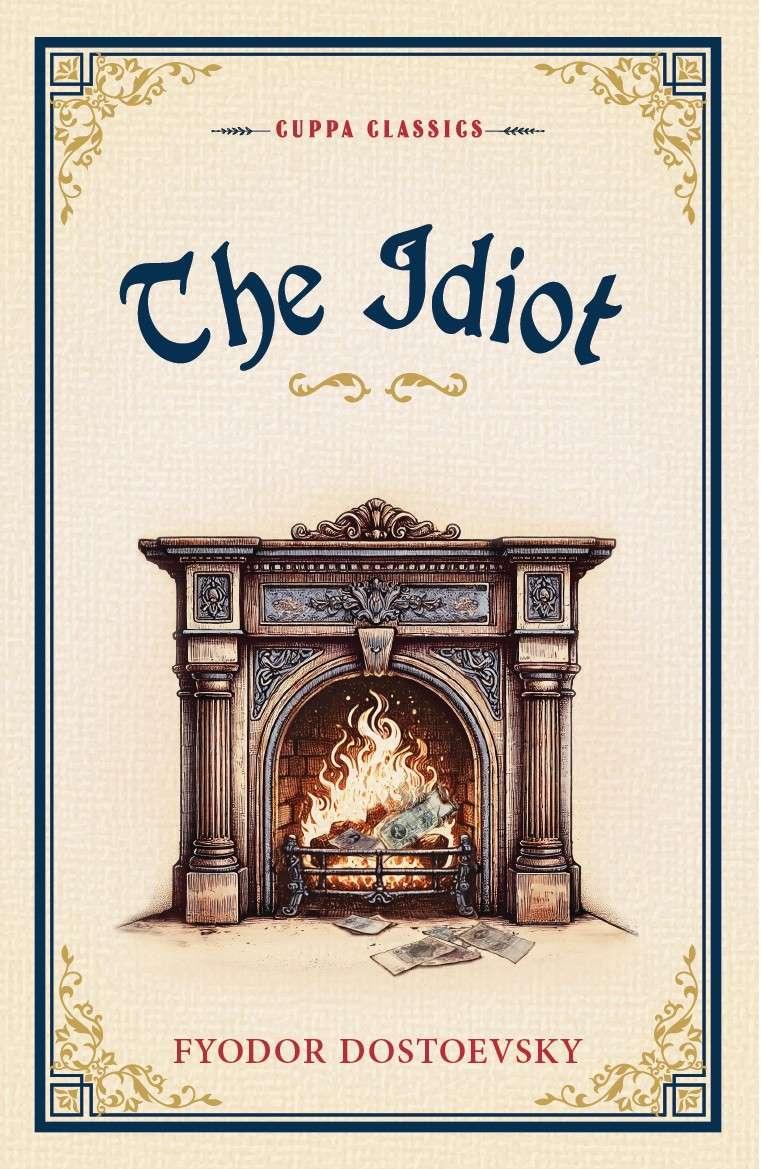
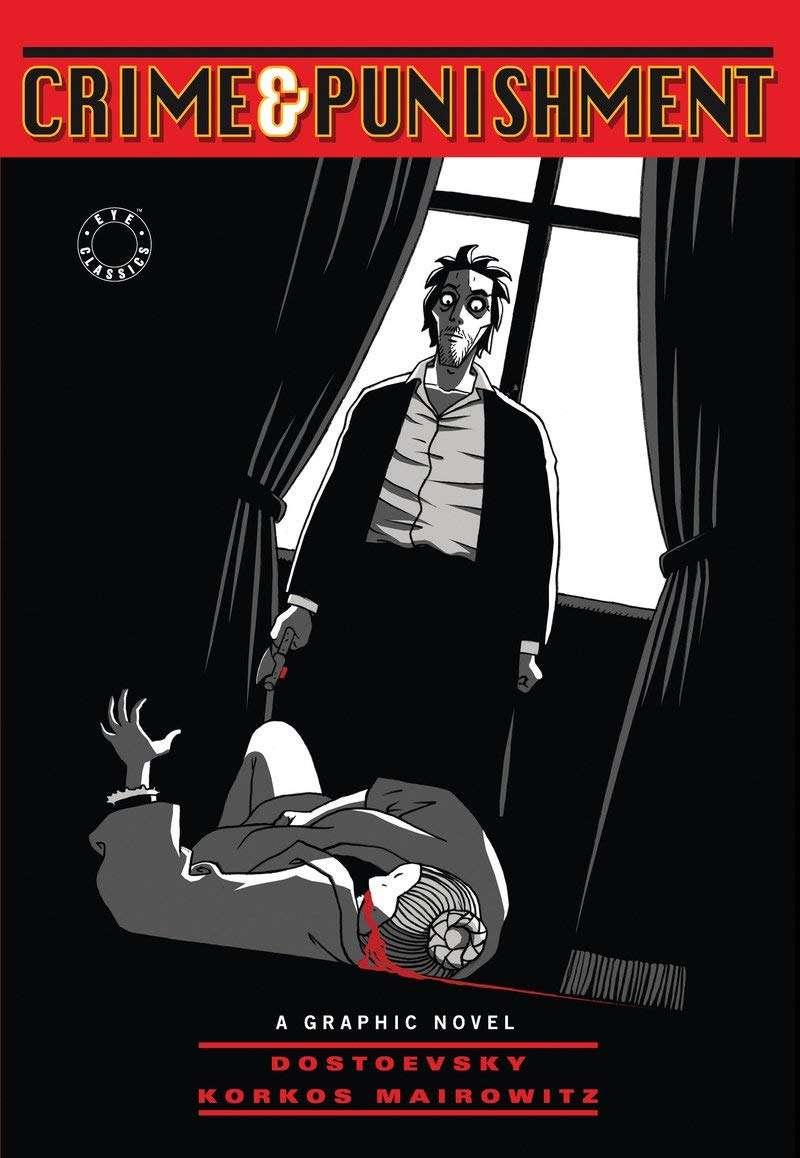
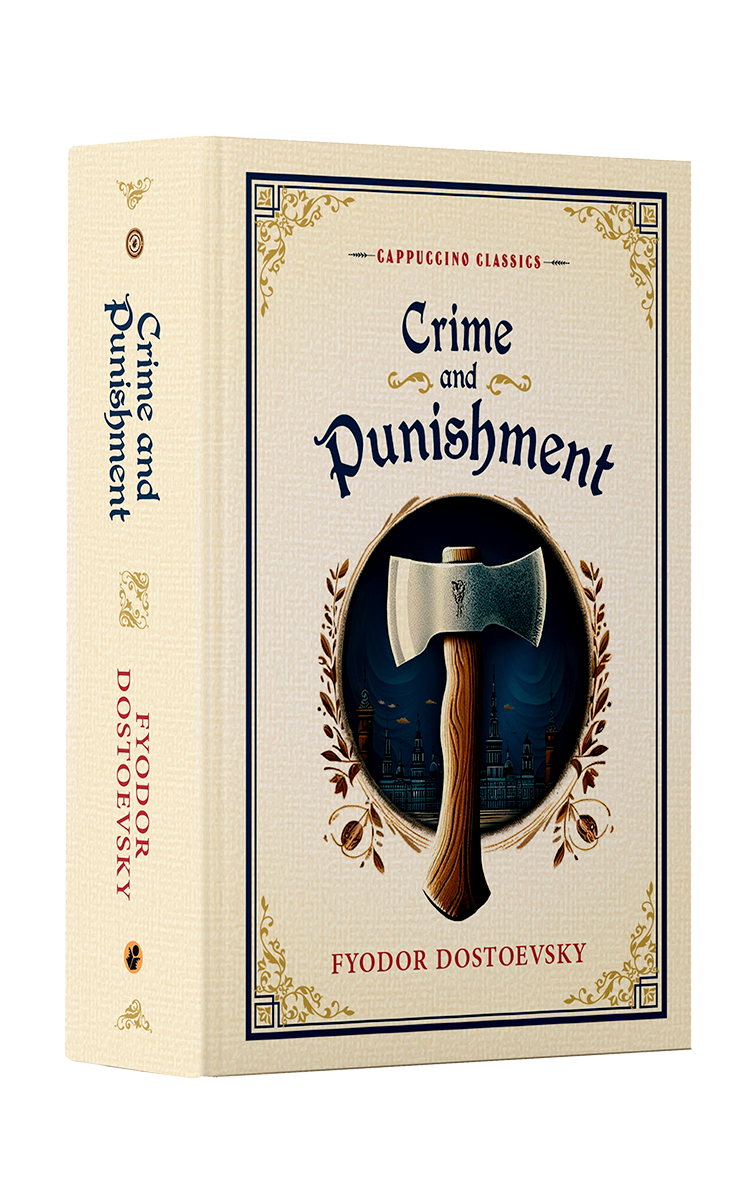

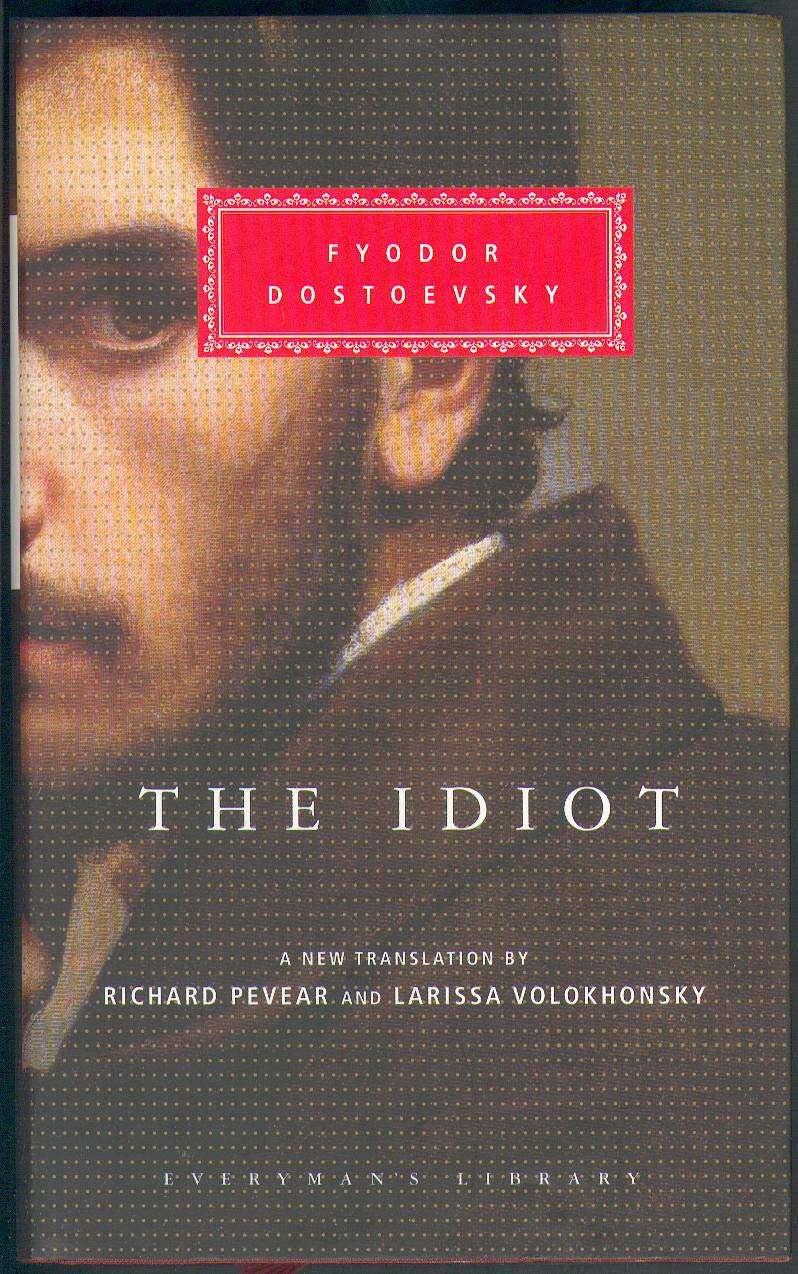
Reading Dostoevsky in 2025: Why His Characters Still Speak to Our Inner Chaos
 Reading Dostoevsky in 2025: Why His Characters Still Speak to Our Inner Chaos
Dostoevsky’s shadow is everywhere. Even if you’ve never touched his classics like The Brothers Karamazov or Crime and Punishment, you’ve felt his fingerprints on so many writers, filmmakers, artists—anyone who feels the world a little too sharply. People quote him like his words are stitched into their skin. And honestly, it makes sense. His characters still reach us, decades later, because they don’t hide. They’re messy, contradictory, spiralling, neurotic, self-sabotaging, soul-searching disasters of human beings. They let us see what it really is to be human when you feel everything a little too much.
And yes, they feel incredibly modern. Anxiety, guilt, existential dread, loneliness, depressive spirals—Dostoevsky was writing about these experiences before psychology even had words for them.
In this blog post, we peel back the minds, impulses, and jagged thought patterns of Dostoevsky’s characters to understand why they still feel painfully real—and why their chaos still mirrors our own.
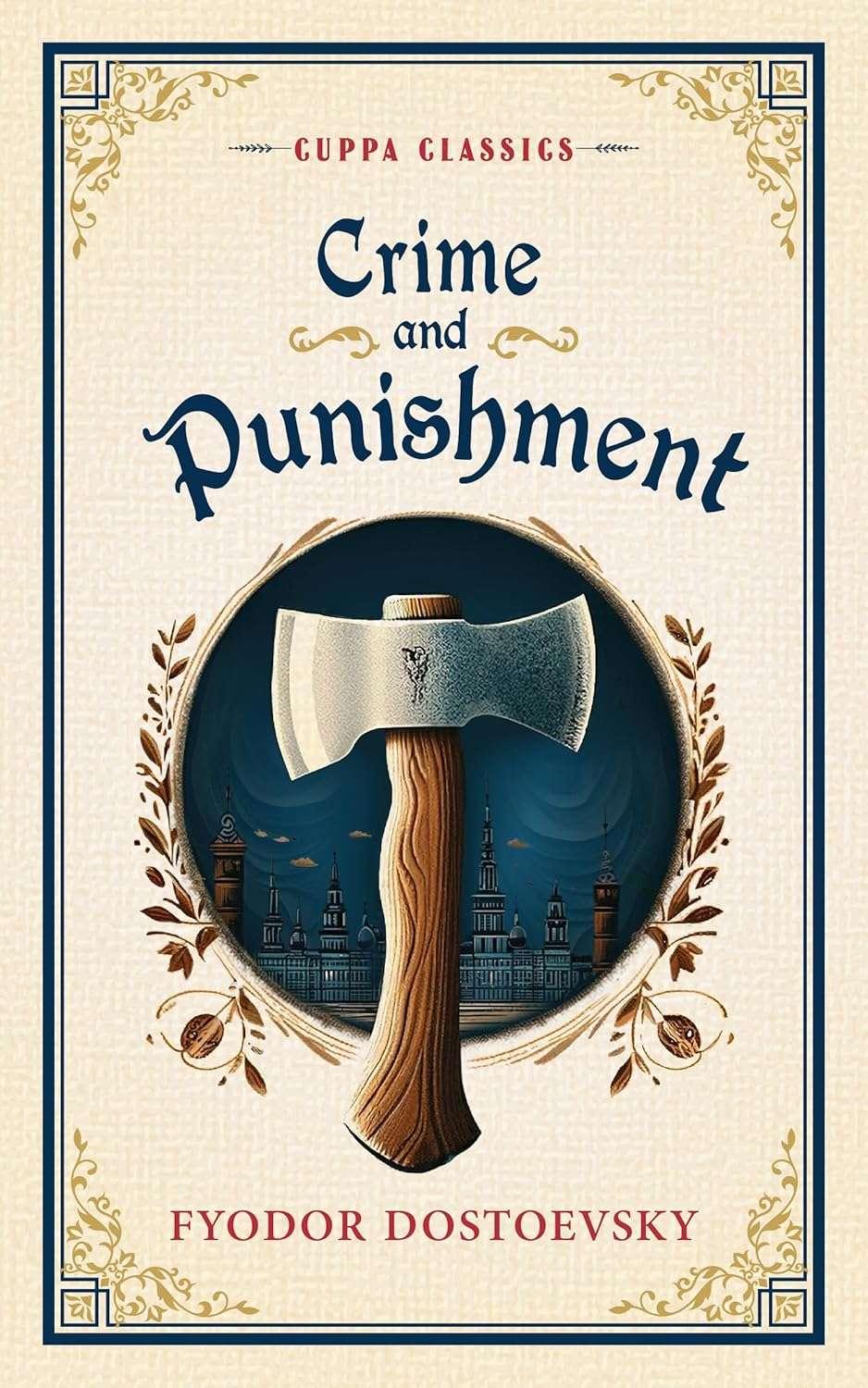
Rodion Raskolnikov: Crime & Punishment
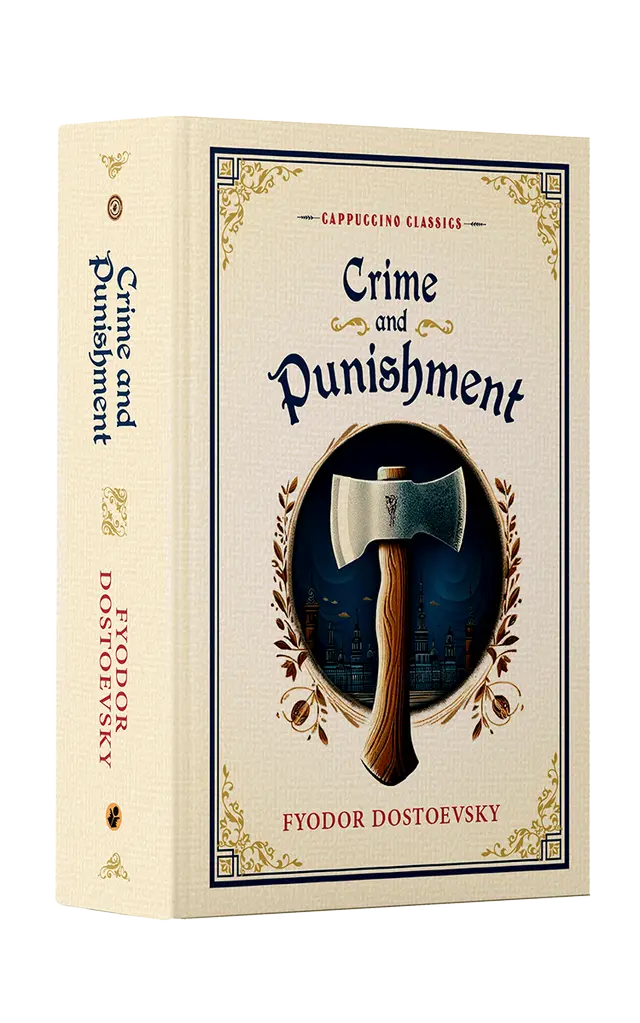
“Pain and suffering are always inevitable for a large intelligence and a deep heart.”
To those who haven’t read the classic, here’s the simplest way to describe Rodion Raskolnikov: he’s a man split down the middle. He carries an impressive intellect and a strangely tender heart, yet also a frightening capacity for cold, inhumane logic. He’s the calculating thinker who insists his crime was justified, but his emotional moral core knows it was wrong.
Dostoevsky didn’t write him as a villain or a hero; he wrote him as the uncomfortable truth of what happens when a person can’t escape their own mind. Raskolnikov’s path to redemption is messy, reluctant, painful, and slow—because that’s how real change works. And in all of this, Dostoevsky holds up a mirror to our own dual selves.
Ivan: The Brothers Karamazov

“I think the devil doesn’t exist, but man has created him, he has created him in his own image and likeness.”
Dostoevsky’s character, Ivan Karamazov, from his classic novel The Brothers Karamazov, is painfully relatable for anyone who felt too smart to be at peace, yet too human to be detached. He’s the kind of character you’ll instantly recognise: the overthinker, the rational one, the person who tries to stay emotionally detached, but his reality forces him into the very chaos he tries to avoid.
What makes Ivan so relatable is how he mirrors our own tendency to hide behind logic, to avoid messy emotion, to pretend we’re “above” the situations that actually affect us. Ivan shows what happens when we disconnect too much: our thoughts start making decisions our hearts can’t live with. He’s the part of us that overthinks everything… until life finally demands we feel.
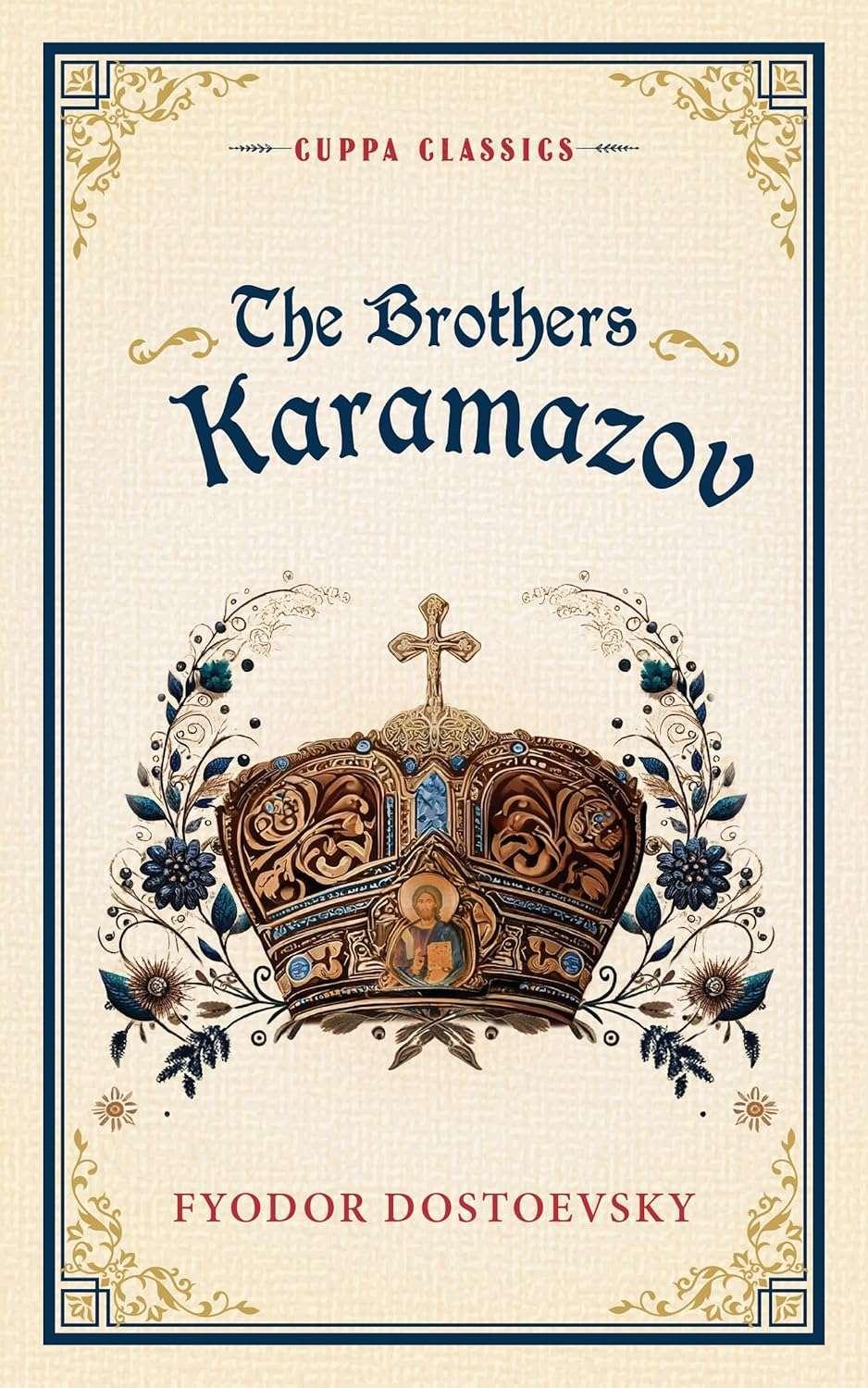
Buy here: The Brothers Karamazov
Nastasya Filippovna: The Idiot
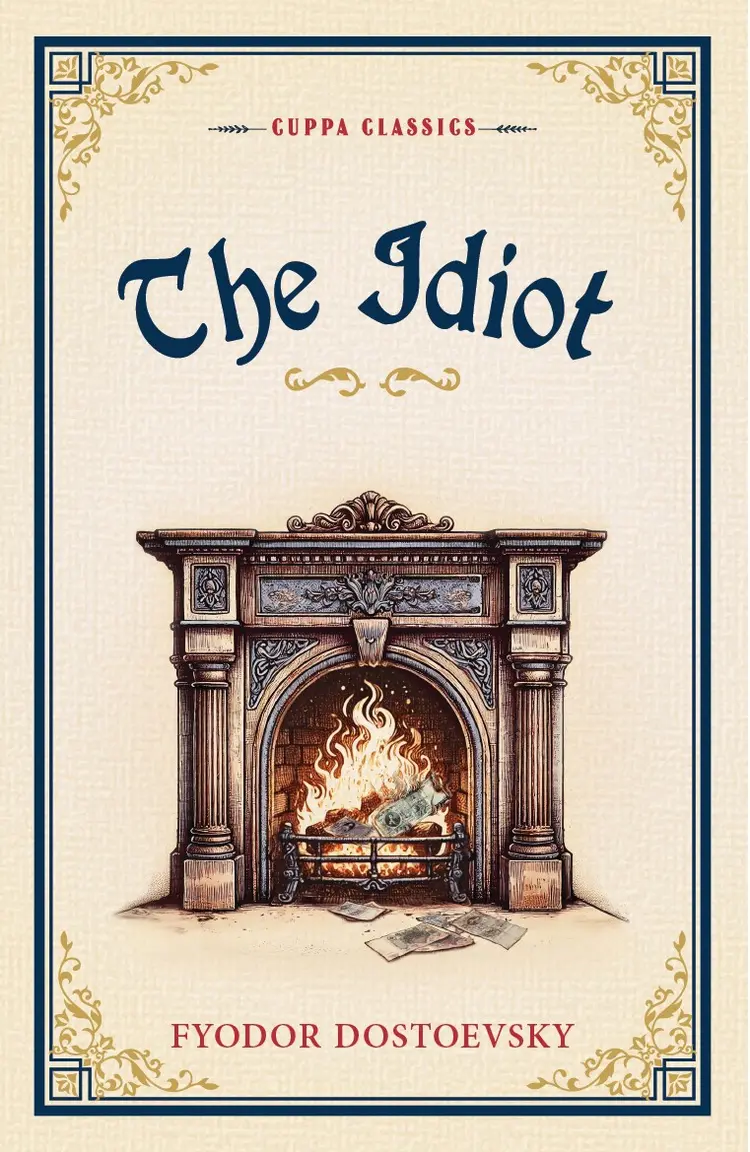
“You are innocent—and in your innocence lies all your perfection—oh, remember that! What is my passion to you?—you are mine now; I shall be near you all my life—I shall not live long!”
Nastasya is one of Dostoevsky’s most psychologically complex female characters and perhaps one of the most misunderstood ones as well. Even if you haven’t read The Idiot, here’s the heart of her story: she grows up orphaned and ends up in the hands of Totsky, a wealthy man who exploits her instead of protecting her. This trauma shapes everything that follows.
Caught between Prince Myshkin’s gentle compassion and Rogozhin’s obsessive love, she moves toward the darkness she thinks she deserves, fleeing the kindness that terrified her. Nastasya is a mirror for the part of us that wrestles with self-worth, that fears good things, that confuses love with punishment.
Buy here: The Idiot
The Underground Man: Notes from the Underground
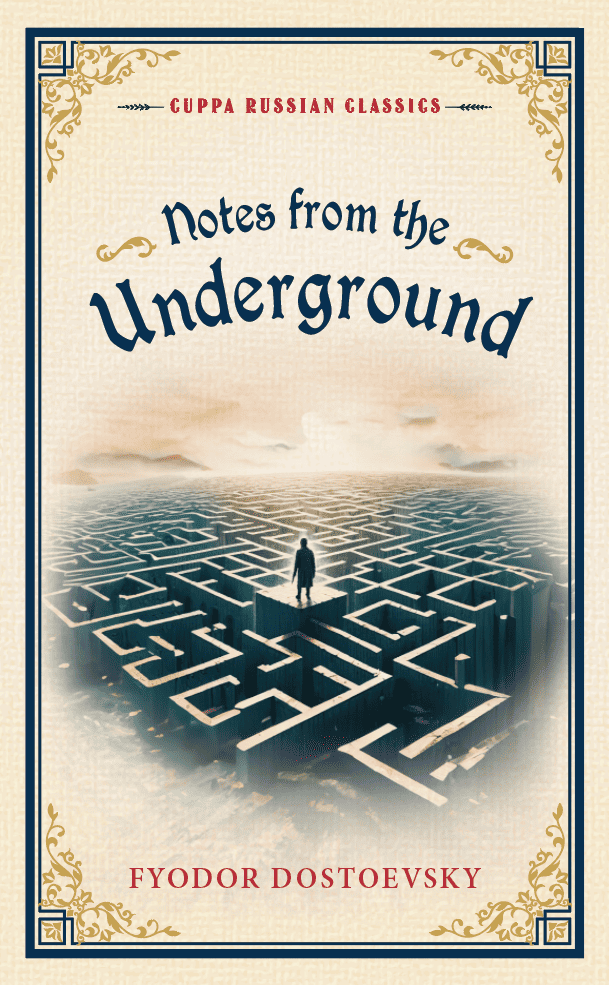
“An intelligent man cannot become anything seriously, and it is only the fool who becomes anything.”
Notes from the Underground revolves around a deeply complex man, presented in two parts: first, his thoughts; second, the consequences of living within those thoughts. The Underground Man is the embodiment of the internal chaos we rarely say out loud. He spirals emotionally, feels misunderstood, doubts his worth, craves connection while fearing it, and constantly analyses—and attacks—himself.
The Underground Man is practically allergic to taking action, a struggle that feels very familiar to us today as consumers, artists, and humans navigating an overwhelming age of data and information. He thinks, rethinks, overthinks, and then doubts his own overthinking. Every decision becomes an internal battlefield. He’s the original “terminally online” brain—long before the internet existed—and that’s exactly why he still speaks to our inner chaos.
Buy here: Notes From the Underground
Nastenka: White Nights & Other Stories
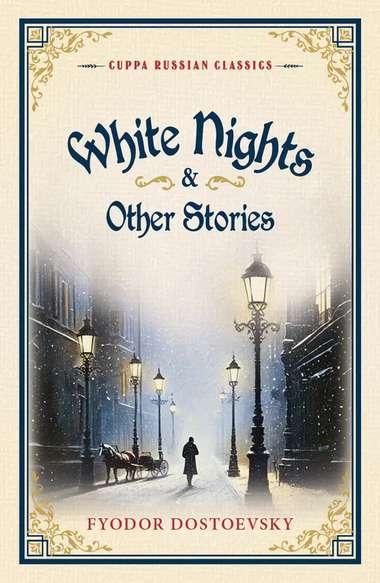
“I don't know how to be silent when my heart is speaking.”
In White Nights, Dostoevsky presents Nastenka not as a fantasy or a symbol, but as a young woman shaped by her limited world. Raised under her grandmother’s strict supervision, she grew up sheltered and emotionally inexperienced, which explains her mix of honesty, uncertainty, and impulsive openness.
Throughout the story, she is torn between a long-held hope for her former lover and the new connection forming with the narrator. Dostoevsky shows her as she truly is: a person trying to navigate her feelings with the few emotional tools she has. Nastenka resonates with modern readers because her confusion, longing, and search for emotional safety feel incredibly familiar today. She doesn’t represent perfection or tragedy—she represents how messy and human young love truly is.
Buy here: White Nights & Other Stories
Why Dostoevsky’s Characters Still Speak to Us
These are just a few of the characters from Dostoevsky’s world. Yet, each one he wrote brings value, perspective, and vulnerability—not only to the story, but also to the readers. His characters are never entirely good or entirely bad. No matter how inhumane or cold they can seem, we still recognise them as human.
And maybe that’s why they continue to speak to us after so many years. They hold heavy emotions in ways we’re not taught to hold. They run from themselves, avoid their truths, and show us what happens when we do the same. They reveal our contradictions, our doubts, our inner battles—quietly reminding us that being human has always been messy.
There’s much more that could be said about Dostoevsky’s emotional and intellectual universe, but for now, we’ll leave it here. If this journey through his characters made you feel seen, then it’s done its job.
Here’s to Dostoevsky’s timeless characters—reflecting our own chaos back to us, just a little more clearly. Happy reading!
Your next read: The Birth of the Absurd Hero: Camus, Meursault, and the Meaning of Indifference