

Parent Categories



Related Books

Timeless Lessons on Starting Over: New Year Reflections from Classic Books
 Timeless Lessons on Starting Over
The New Year arrives each time like a blank page—hopeful, intimidating, and quietly demanding courage. We promise ourselves renewal: better habits, braver choices, kinder selves. Yet the act of starting over is rarely as simple as a calendar turning. Long before resolutions became rituals, classic literature wrestled with the idea of renewal—after failure, loss, disillusionment, or moral reckoning. In their pages, we find characters who stumble, reflect, and rise again, offering wisdom that feels especially resonant as one year gives way to another.
Also read: Why RK Narayan’s Malgudi Still Speaks to Us: Timeless Lessons from a Fictional Town
Redemption Is Rarely Instant: A Christmas Carol by Charles Dickens
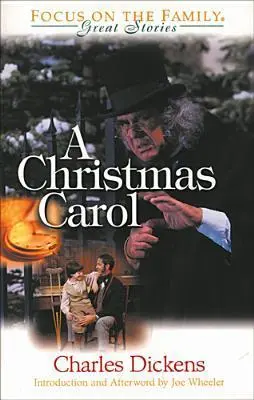
Few stories capture transformation as memorably as Ebenezer Scrooge’s journey. What makes A Christmas Carol endure is not merely its festive charm, but its insistence that redemption requires confrontation. Scrooge does not wake up generous by accident; he is forced to look squarely at who he has been and what his future might become if he refuses to change.
The New Year lesson here is sobering and hopeful in equal measure: starting over demands honesty. True renewal often begins with discomfort—acknowledging mistakes, facing neglected relationships, or admitting that old ways no longer serve us. Dickens reminds us that change is possible at any stage of life, but it requires reckoning before rebirth.
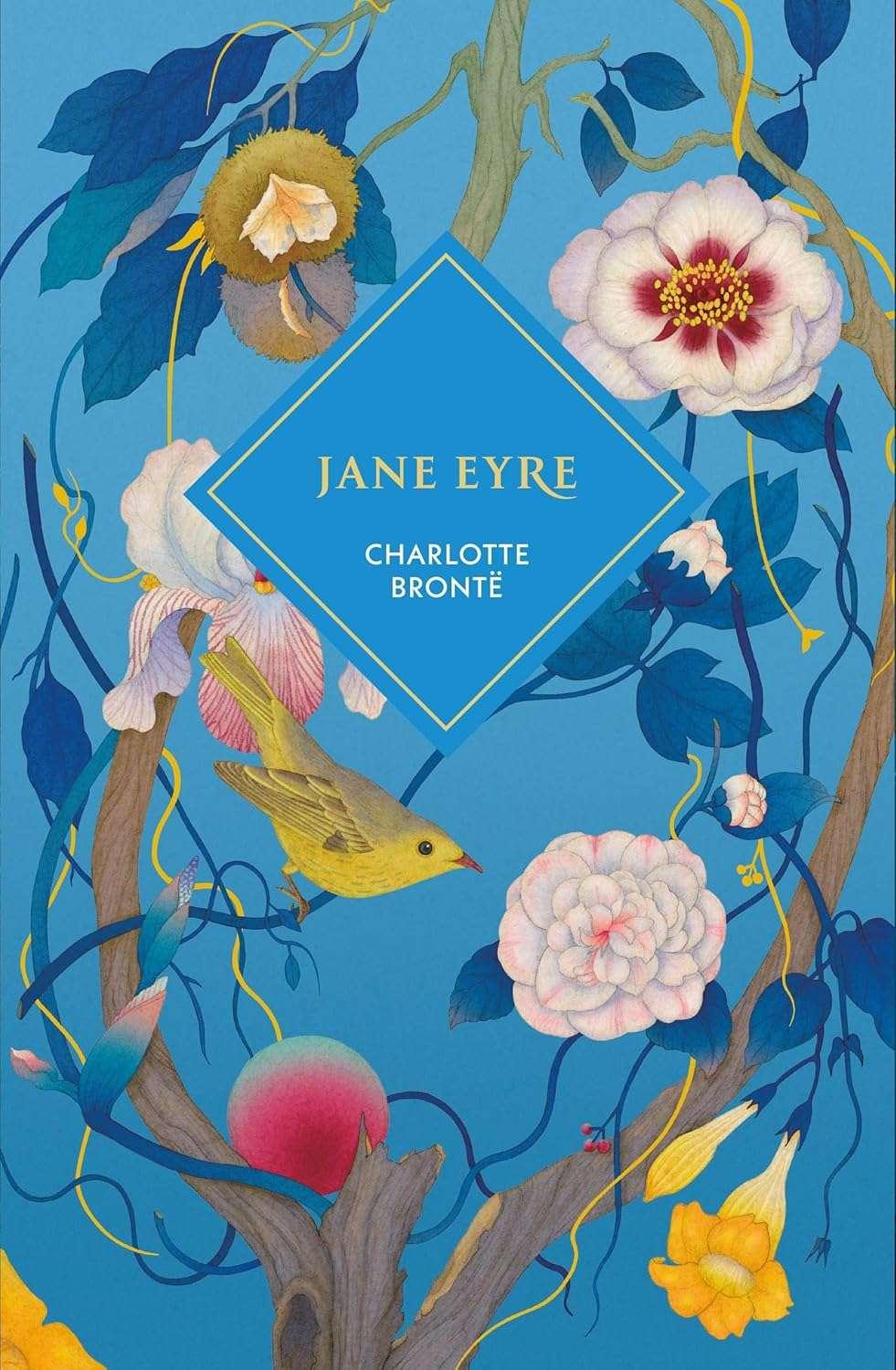
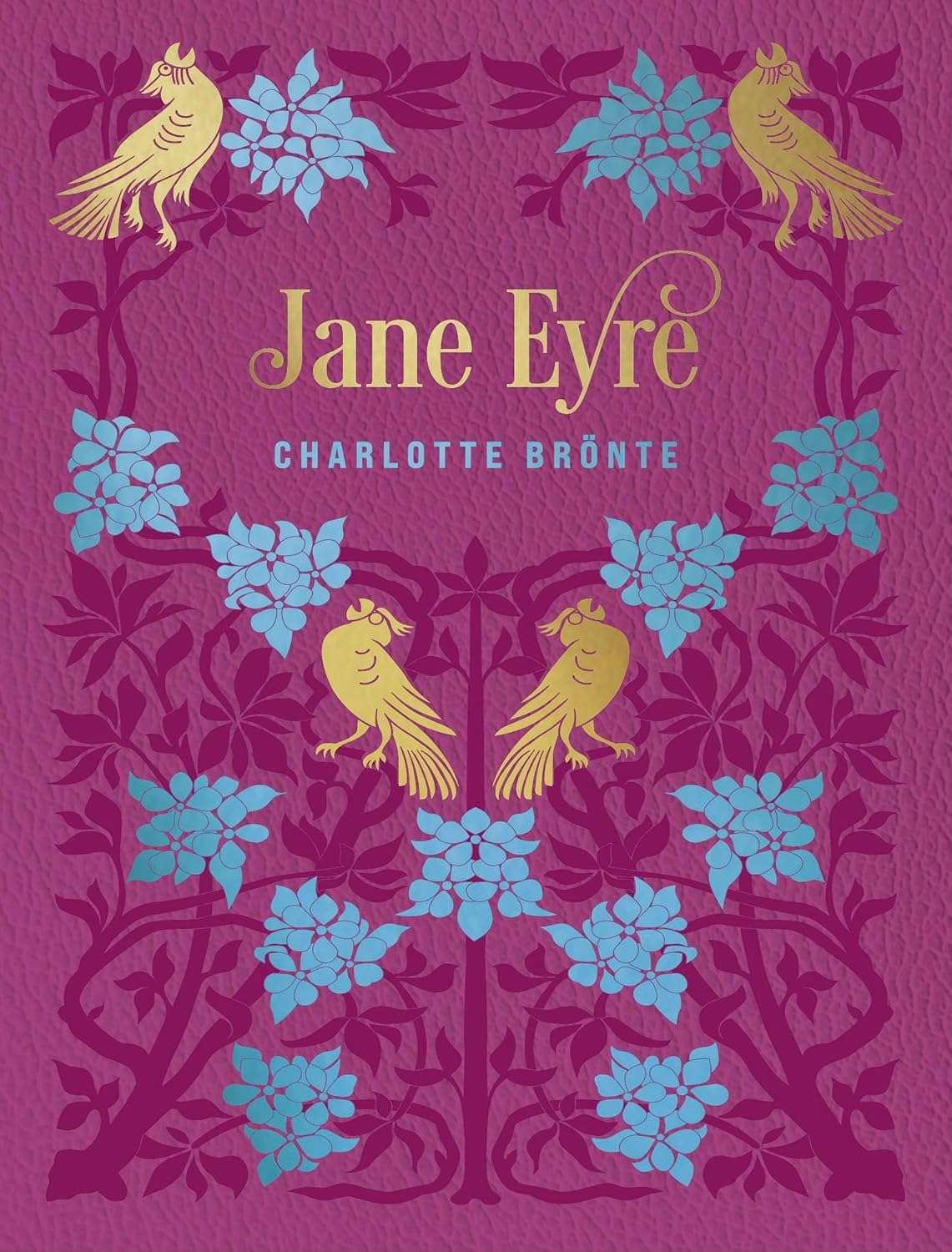
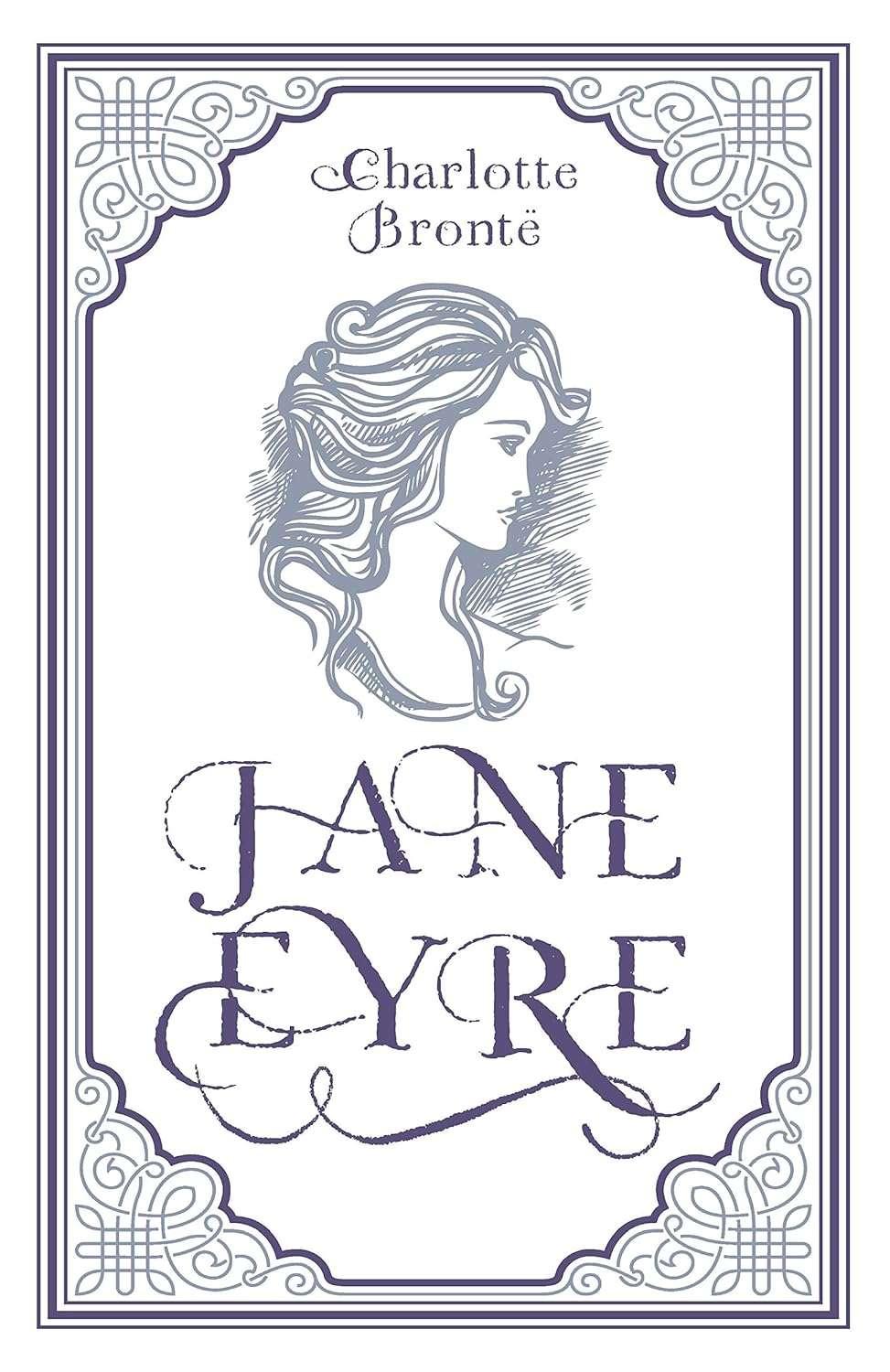
Growth Comes Through Endurance: Jane Eyre by Charlotte Brontë
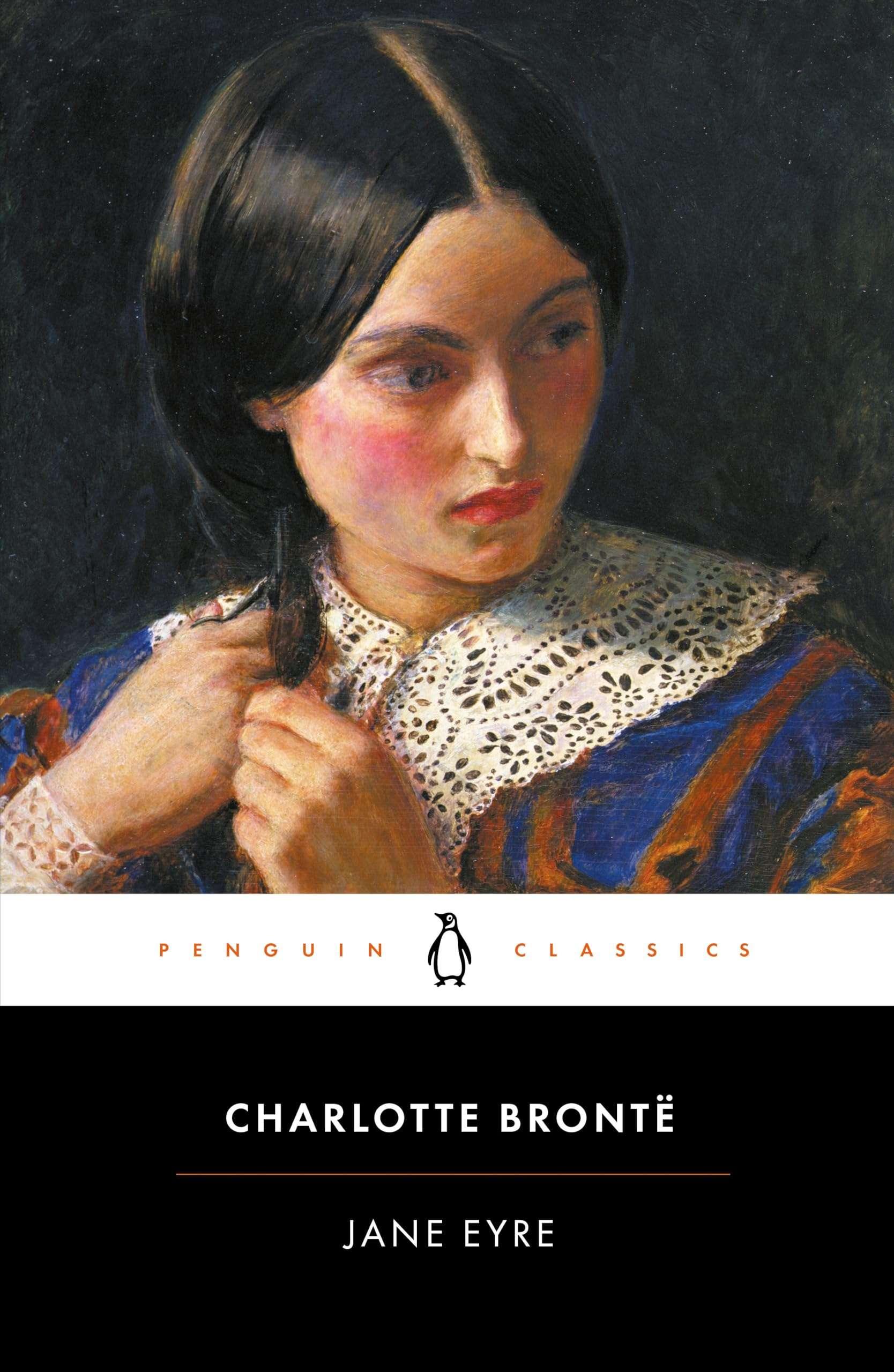
Jane Eyre’s life is marked by restarts—leaving Gateshead, surviving Lowood, departing Thornfield, and finally choosing her own terms for happiness. What distinguishes Jane is her refusal to abandon her moral compass, even when doing so would promise comfort or security.
In a world obsessed with quick reinvention, Jane Eyre offers a quieter New Year wisdom: growth is not about becoming someone else, but becoming more firmly yourself. Starting over does not always mean erasing the past; sometimes it means carrying its lessons forward with integrity. Jane teaches us that resilience, not reinvention, is often the most radical form of renewal.
Hope Survives Even in Ruins: Great Expectations by Charles Dickens

Pip begins the year—and his story—believing that transformation lies in wealth, status, and the shedding of humble origins. His expectations are grand, and his disillusionment equally profound. By the novel’s end, Pip learns that starting over is less about external change and more about internal reckoning.
The New Year often tempts us with fantasies of sudden success. Great Expectations gently dismantles that illusion. Dickens suggests that hope survives not in ambition alone, but in humility, gratitude, and compassion. True beginnings emerge when we redefine what success actually means.
Time Itself Is a Teacher: Middlemarch by George Eliot
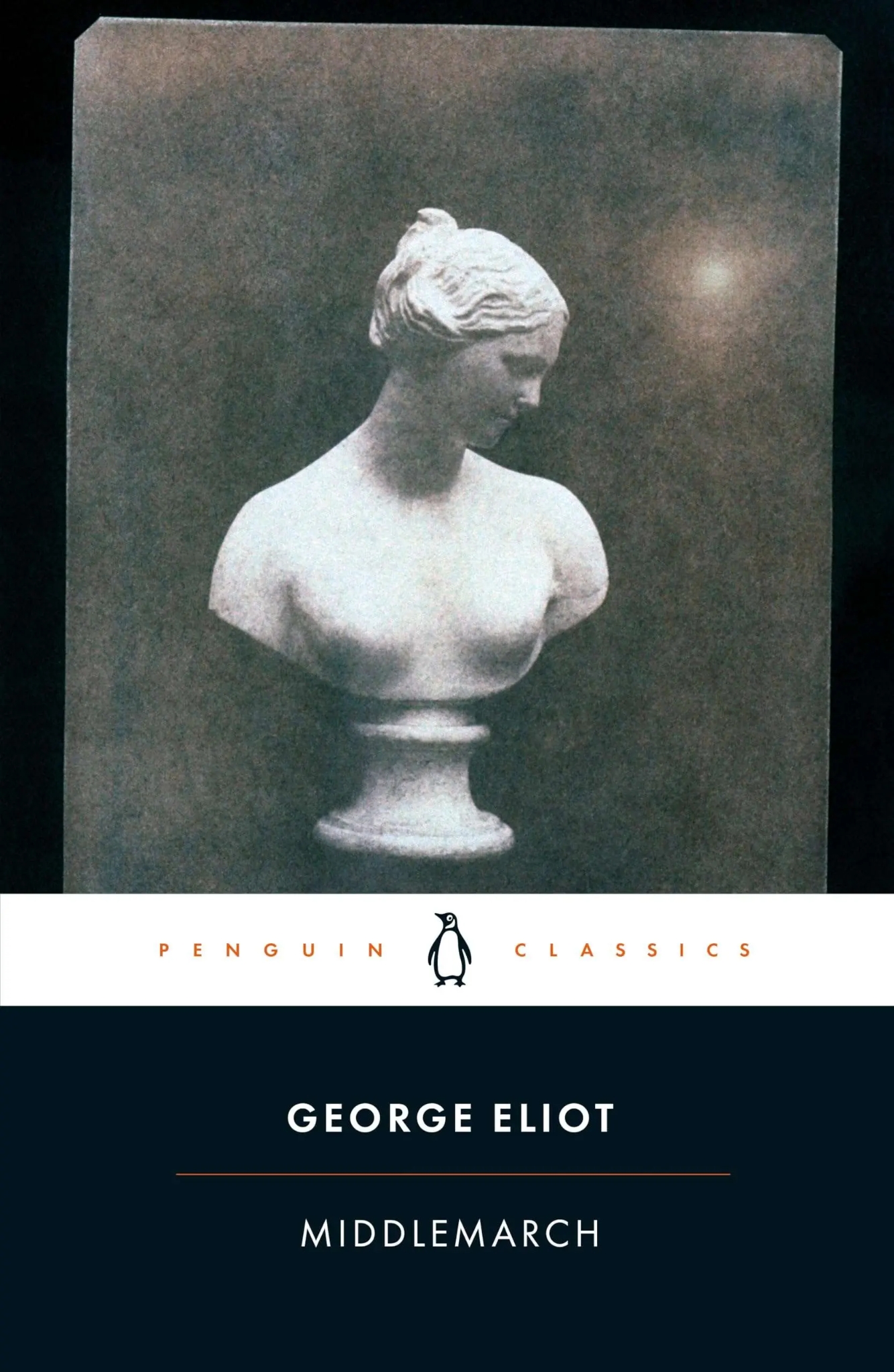
George Eliot’s Middlemarch reminds us that life rarely pivots on dramatic moments. Instead, it unfolds through ‘unhistoric acts’—small decisions, repeated daily, shaping destinies quietly over time. Dorothea Brooke’s youthful idealism matures not through triumph, but through patience and self-awareness.
As a New Year reflection, Middlemarch encourages us to rethink resolution culture. Change does not require sweeping declarations; it thrives in consistency. Eliot’s work reassures us that even if the year ahead feels ordinary, it can still be meaningful. Starting over may simply mean starting again tomorrow, with intention.
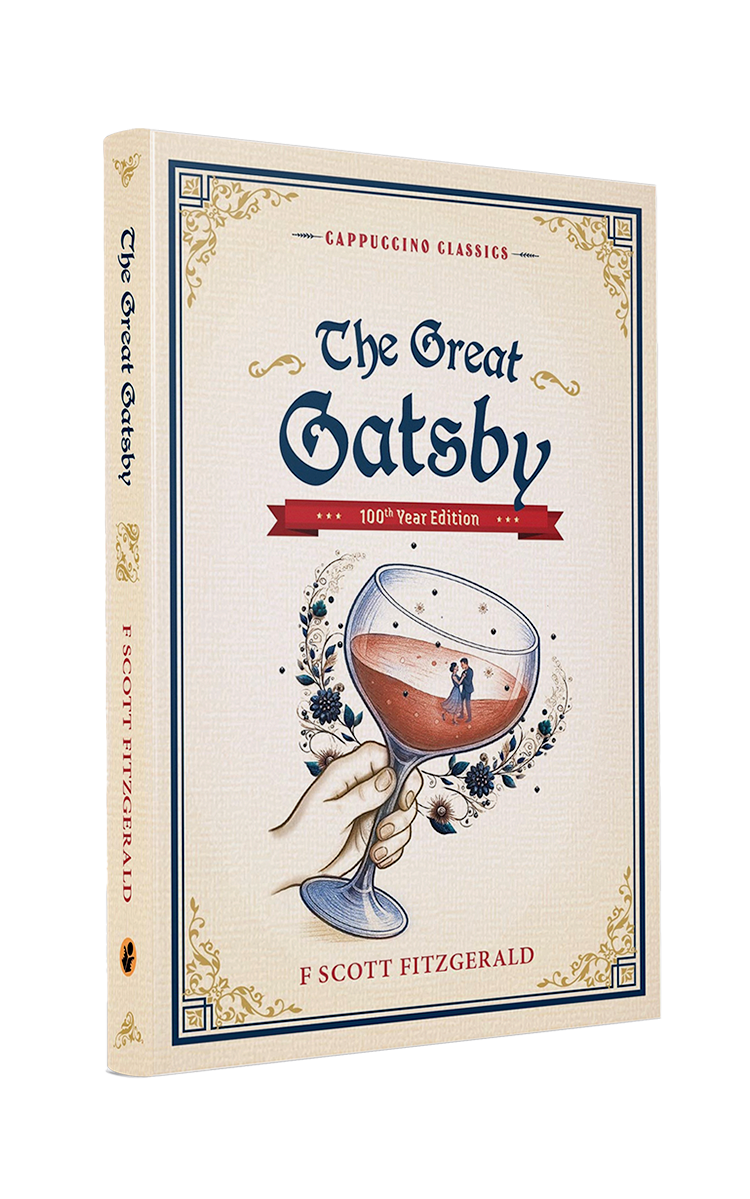
Letting Go Is a Form of Renewal: The Great Gatsby by F Scott Fitzgerald
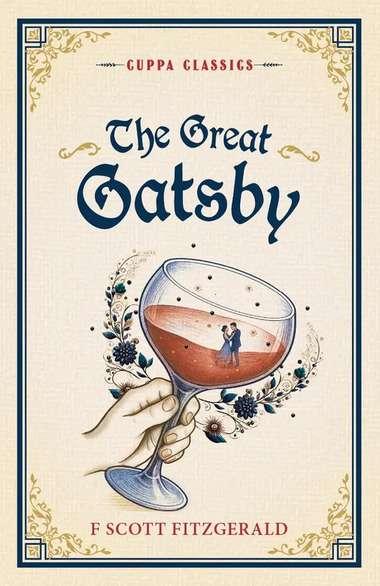
Jay Gatsby believes fiercely in the power of reinvention. He reshapes his past, constructs a dazzling identity, and clings to the idea that time can be reversed. Yet Fitzgerald’s novel ultimately questions whether starting over is possible without letting go.
The New Year lesson here is bittersweet. Hope is essential, but nostalgia can become a trap. The Great Gatsby teaches us that beginnings rooted entirely in the past risk collapse. Renewal requires release—of illusions, of idealised memories, of versions of ourselves that no longer exist. Only then can the future breathe.
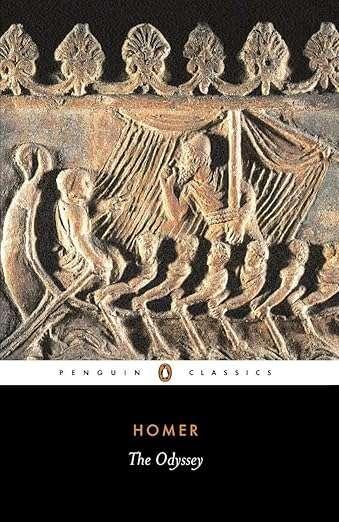
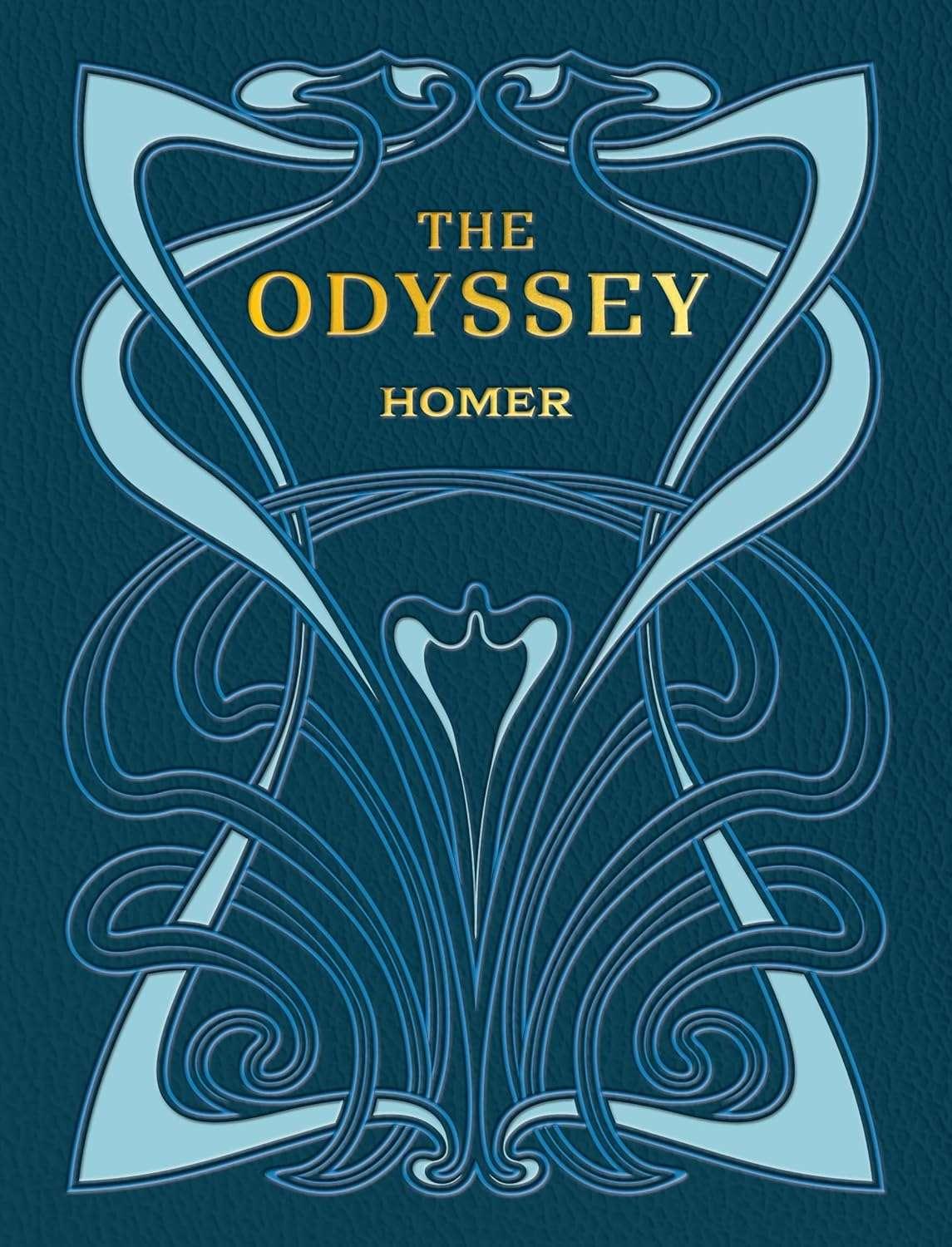
Wisdom Is Earned Through Reflection: The Odyssey by Homer
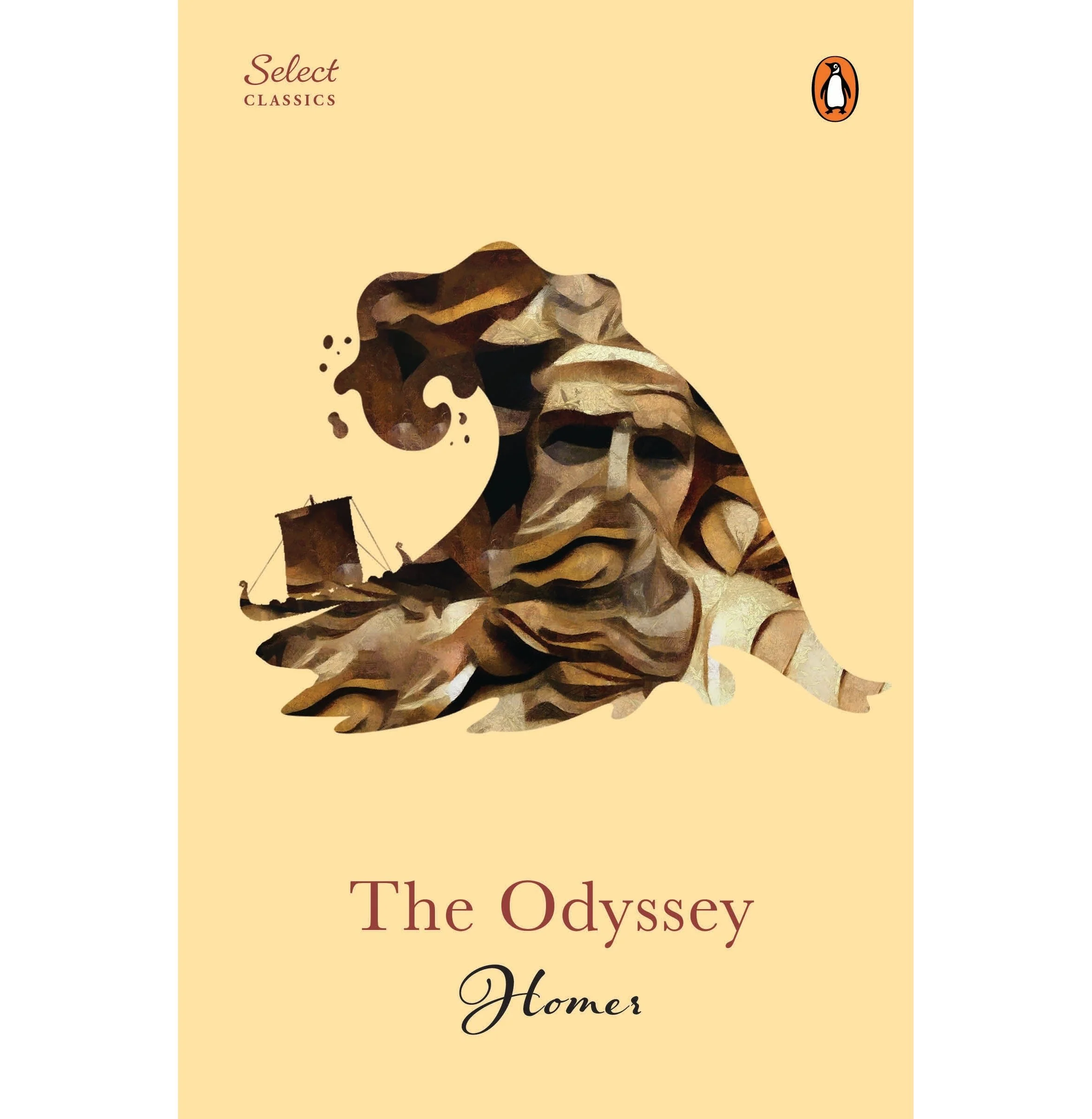
Odysseus’ long journey home is not merely physical; it is deeply transformative. He leaves Troy as a cunning warrior and returns to Ithaca tempered by loss, humility, and wisdom. His homecoming is not a reset, but a culmination.
As the New Year dawns, The Odyssey reminds us that starting over does not mean forgetting where we have been. Our experiences—both victories and failures—shape the people we are becoming. Reflection, patience, and perseverance are the quiet companions of any meaningful beginning.
Why Classics Still Guide Our New Beginnings
What unites these works across centuries is their understanding that renewal is complex. Beginnings are rarely clean; they are layered with memory, regret, hope, and effort. Classics endure because they honour this complexity. They do not promise instant transformation, but they insist—again and again—that change is possible.
As we step into a new year, perhaps the most valuable lesson these stories offer is compassion: for ourselves and for others in transition. Starting over is not a single moment, but a process—one page, one choice, one quiet resolve at a time.
In turning to the classics, we are reminded that we are not alone in our desire to begin again. Countless characters have stood where we stand now—uncertain, hopeful, and ready to turn the page. And like them, we move forward not by erasing the past, but by understanding it, learning from it, and daring, once more, to begin.
Also read: Sylvia Plath and the Struggle for Women’s Identity: Lessons for a New Generation