

Parent Categories

Related blogs



Related Products



Related Books


London Through Charles Dickens’ Eyes: A City That Became a Character
 London Through Charles Dickens’ Eyes
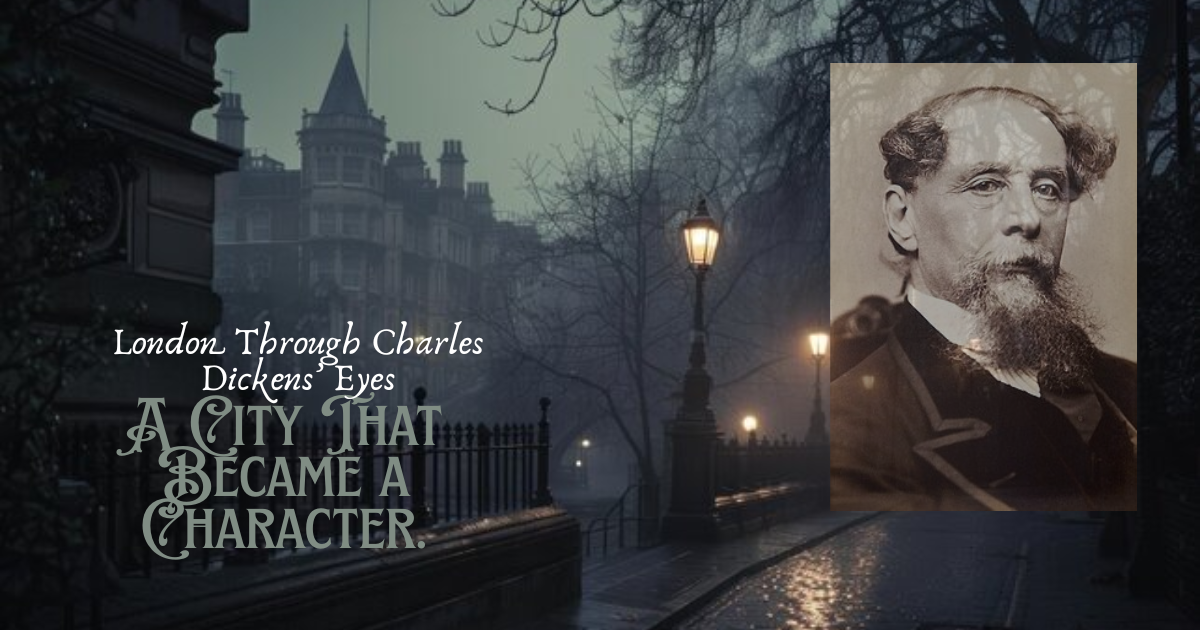
For Charles Dickens, London was never a neutral backdrop. It breathed, muttered, accused, and occasionally embraced. Streets sulked under fog, alleyways whispered secrets, and grand avenues paraded wealth with theatrical arrogance. To read Dickens is to walk a city that is always watching its inhabitants, shaping their fates as surely as any human antagonist or ally. London, in his novels, does not simply host the story—it is the story.
Dickens wrote at a moment when London was swelling into a modern metropolis, chaotic and unequal in equal measure. Factories, railways, slums, courts, and counting houses coexisted in uneasy proximity. His genius lay in transforming this sprawl into something intimate and legible: a city with moods, morals, and memory.
Also read: Intimidated by James Joyce? Here’s What You Need to Know Before Reading Him
Fog, Filth, and the Moral Weather
One of the most enduring features of Dickensian London is its atmosphere—often quite literally. Fog rolls through Bleak House not just as weather, but as a moral condition. It coils around the Court of Chancery, blurring vision and judgment alike, mirroring a legal system choked by delay and indifference. The air itself seems complicit in injustice.
Similarly, dirt and decay recur throughout his work, especially in the city's poorer quarters. In Oliver Twist, the grime of workhouses and criminal dens reflects a society willing to hide its cruelty behind institutional respectability. These physical details are never gratuitous. Dickens uses the city’s surfaces—muddy streets, gaslit corners, crumbling buildings—to reveal the invisible structures of power, neglect, and hypocrisy beneath them.
London’s climate becomes ethical shorthand: where the city is murky, something is wrong.
Streets of Extremes: Wealth and Want Side by Side
 [Image Credit: History Extra]
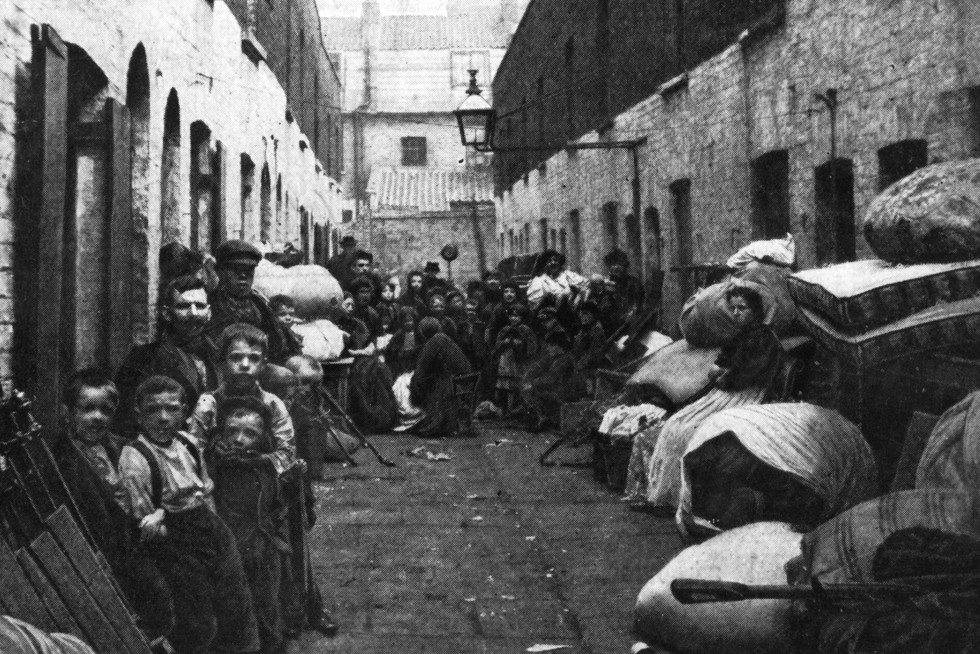
Dickens’ London is a city of brutal contrasts. A short walk can take you from glittering drawing rooms to desperate slums. In Great Expectations, young Pip moves between the rigid gentility of urban aspiration and the harsh realities that support it. The city dazzles him, but it also disillusions him.

What makes Dickens’ portrayal so unsettling is how close these worlds exist to one another. Respectable society depends on what it refuses to see. Money flows through counting houses and clubs, while poverty festers in courts and cellars just out of sight. London, in Dickens’ hands, becomes an exposé of Victorian capitalism—efficient, impressive, and profoundly indifferent.
Yet Dickens never treats the poor as mere scenery. The city’s underbelly is crowded with fully realised lives, humour, resilience, and sorrow, reminding readers that London’s greatness rests on fragile, human foundations.
Institutions That Loom Like Characters
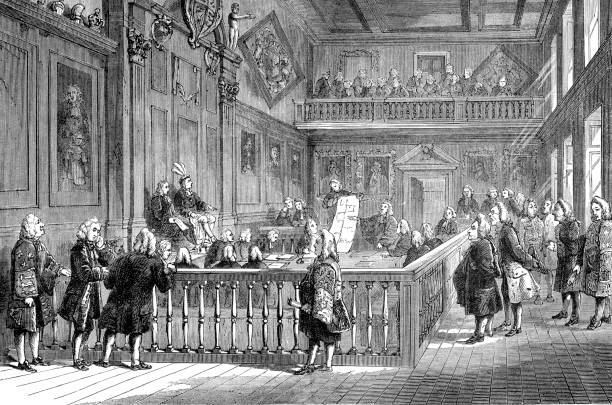
Few writers have made buildings feel as sentient as Dickens does. The Marshalsea Prison in Little Dorrit is not just a setting but a psychological trap, shaping identities and futures long after its gates are left behind. The Circumlocution Office is less an office than a personality—smug, evasive, and maddeningly alive.

These institutions dominate the cityscape and the imagination of Dickens’ characters. They loom, constrain, and dictate, often with more power than individuals. London becomes a city where systems outgrow the people they are meant to serve, and brick-and-mortar structures quietly enforce social hierarchies.
In giving these spaces a presence, Dickens suggests that injustice is not abstract. It has addresses, corridors, and locked doors.
Crowds, Loneliness, and the Urban Soul
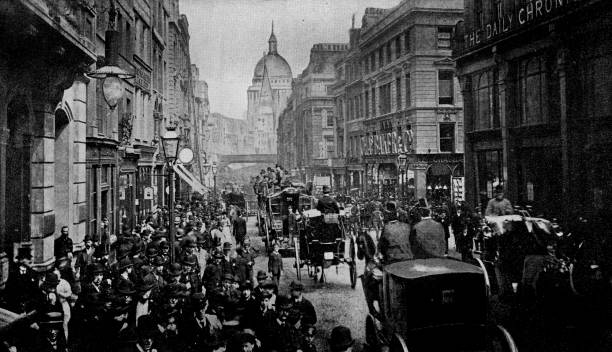
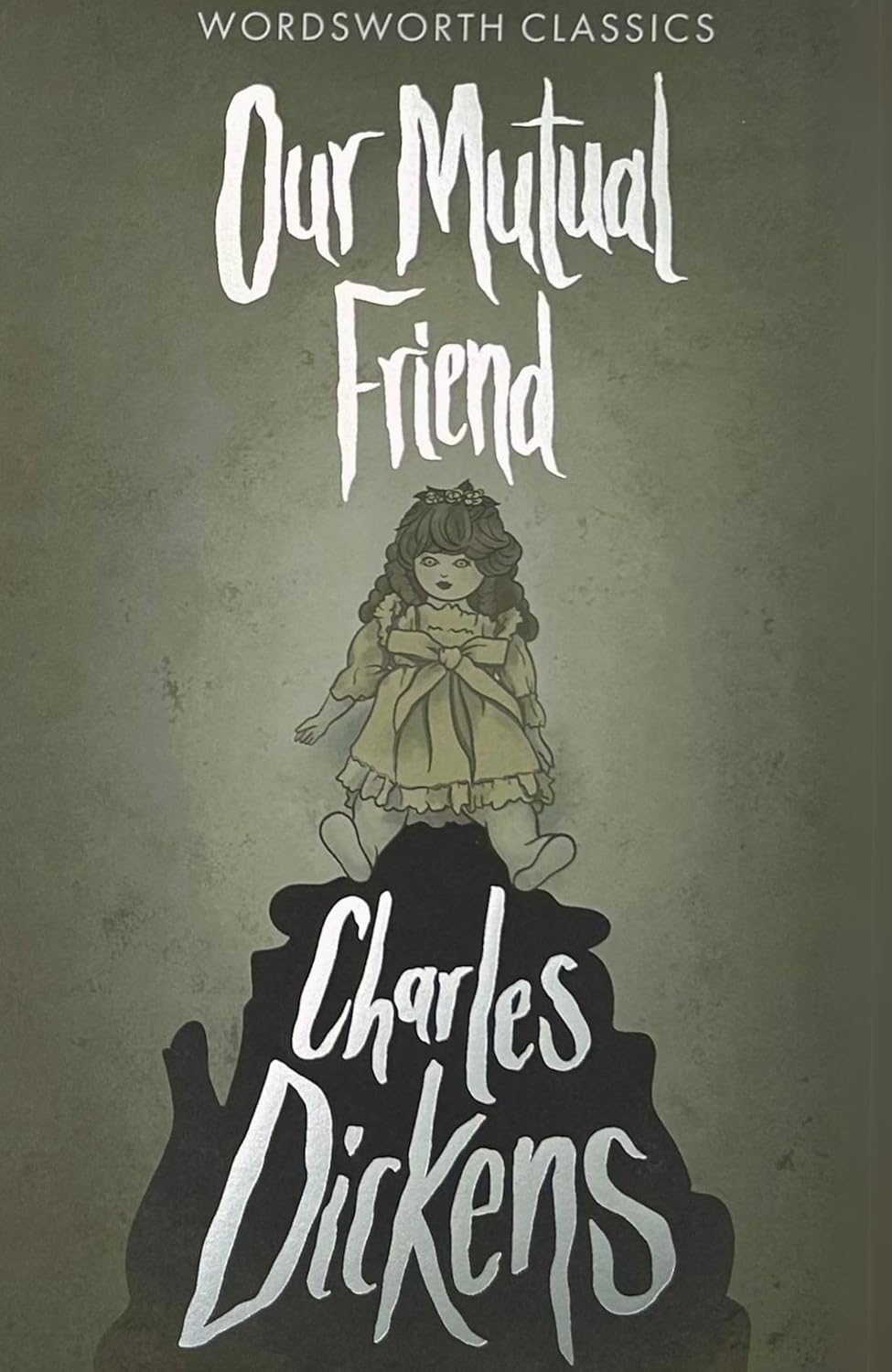
Despite its density, Dickens’ London is often painfully lonely. Characters are lost in crowds, anonymous in a sea of faces. In novels like Our Mutual Friend, the city’s vastness amplifies isolation rather than easing it. People pass one another endlessly, connected by proximity but separated by class, circumstance, and silence.
Yet Dickens also captures the strange intimacy of urban life—the overheard conversation, the fleeting kindness, the shared hardship. London can alienate, but it can also unexpectedly unite. This tension gives the city its emotional complexity. It is neither wholly cruel nor wholly compassionate, but deeply, recognisably human.
A City That Shapes Destiny
Perhaps the most radical aspect of Dickens’ London is its agency. Characters do not simply act in the city; they are acted upon by it. Where one lives, works, or wanders determines who one becomes. A wrong turn can lead to ruin, a chance encounter to redemption.
This is why London feels like a character rather than a setting. It evolves across Dickens’ novels, responding to industrialisation, reform, and social anxiety. It remembers past injustices and reproduces them, unless challenged by conscience and compassion.
Why Dickens’ London Still Speaks to Us
Modern London is vastly different from Dickens’ city, yet his vision remains uncannily relevant. Inequality, bureaucratic indifference, urban loneliness, and moral blind spots persist in new forms. Dickens teaches us how to read a city—to see what its streets, buildings, and silences are telling us about ourselves.
Through his eyes, London becomes more than geography. It is a living moral landscape, capable of cruelty and kindness, oppression and transformation. By turning the city into a character, Dickens ensures that London cannot be ignored. It demands attention, accountability, and, above all, empathy.
To walk through Dickens’ London is to understand that cities, like people, are shaped by the choices they make—and the ones they refuse to see.
Your next read: What Is ‘Chekhovian’ Writing? Explained