

Parent Categories

Related blogs



Related Products


Related Books

John Steinbeck’s Writing Rituals: Why He Sharpened Pencils Between Every Page
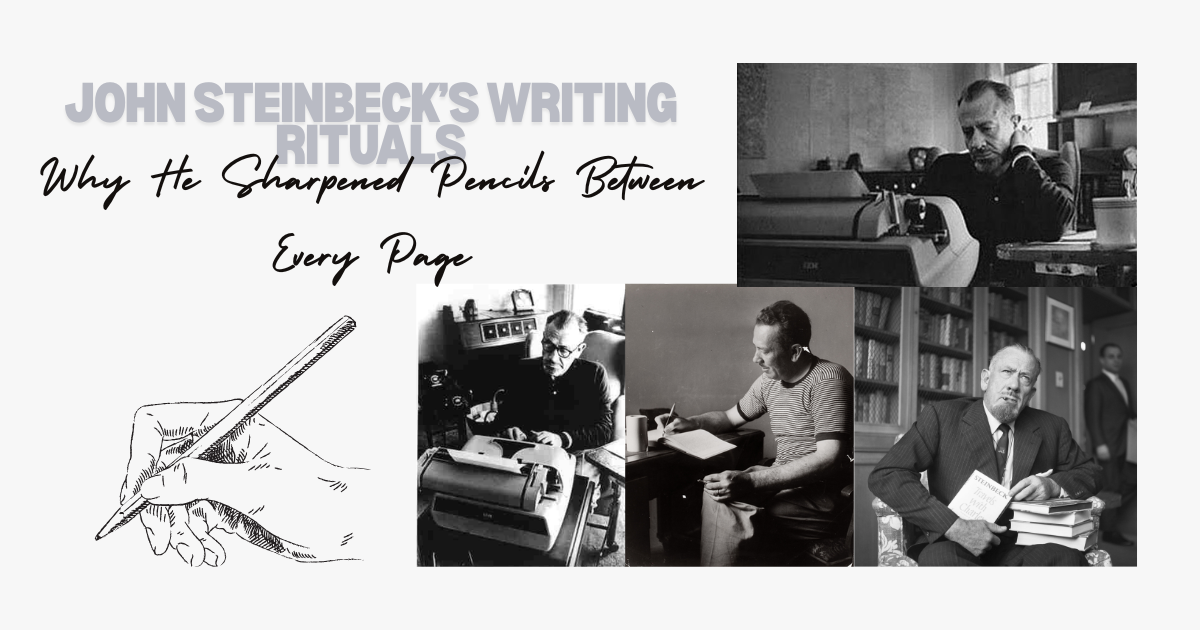 John Steinbeck’s Writing Rituals
There is something deeply reassuring about imagining great writers at work—not as distant geniuses struck by lightning bolts of inspiration, but as disciplined craftspeople sitting at a desk, day after day, doing the work. Few images capture this better than that of John Steinbeck methodically sharpening a pencil before beginning a new page.
It sounds almost obsessive. Why pause the flow of a novel to shave cedar and graphite into a fine point? Why interrupt momentum for ritual?
But with Steinbeck, the ritual was the work.
Also read: Celebrating Charles Dickens: His Most Unforgettable Characters and Why They Endure
A Desk, Twelve Pencils, and a Promise to Begin
Steinbeck preferred to write in longhand. Not in ink, not on a typewriter—at least not at first—but in pencil. On his desk, he kept a neat row of freshly sharpened pencils, often a dozen or more. As he filled one page, he would pause, sharpen the pencil, and only then begin the next.
It was not a mere habit. It was preparation.
Writing, for Steinbeck, was not a mystical act; it was labour. Each morning, he approached the blank page as though he were stepping into a field that needed tending. The sharpening of the pencil was like readying a plough. It marked the transition from thinking to doing.
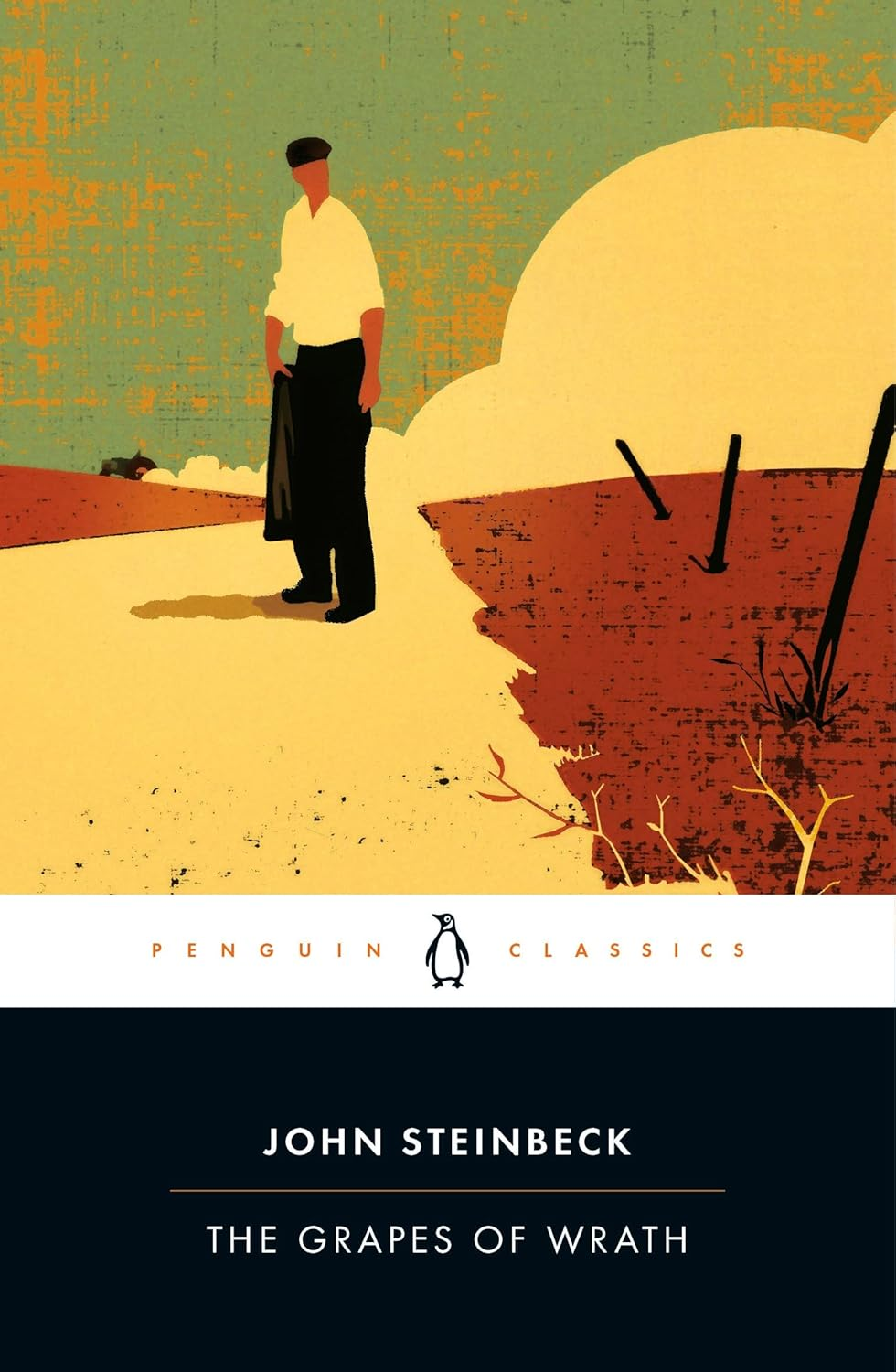
When he wrote The Grapes of Wrath, the novel that would win him a Pulitzer Prize and define the American Depression in fiction, he kept meticulous journals. In those journals, he recorded daily word counts, anxieties, and frustrations. He wrote about self-doubt, about fear that the book might fail, about whether he was equal to the task.
The ritual of sharpening pencils did not eliminate doubt. It simply gave him a way to proceed despite it.
Ritual as Resistance to Fear
Many writers imagine that discipline stifles creativity. Steinbeck believed the opposite.
He understood that fear is the writer’s most persistent companion. Fear of inadequacy. Fear of judgment. Fear of not finishing. Ritual provided structure against that fear. By sharpening a pencil between pages, he created a rhythm that steadied him.
There is something almost meditative in the act. The slow turn of the blade. The gathering curls of wood. The emergence of a clean, sharp point. It is repetitive and tactile—anchoring the body while the mind prepares to leap into imagination again.
Between pages, there is always a small death. You leave behind what you have written and step into the unknown of what comes next. The sharpened pencil becomes a quiet declaration: I am ready.
In that sense, Steinbeck’s ritual was less about stationery and more about courage.
Precision on the Page
A practical explanation also exists. Steinbeck liked a precise line. A dull pencil drags and smudges. A sharp point forces intention. Each stroke becomes deliberate.
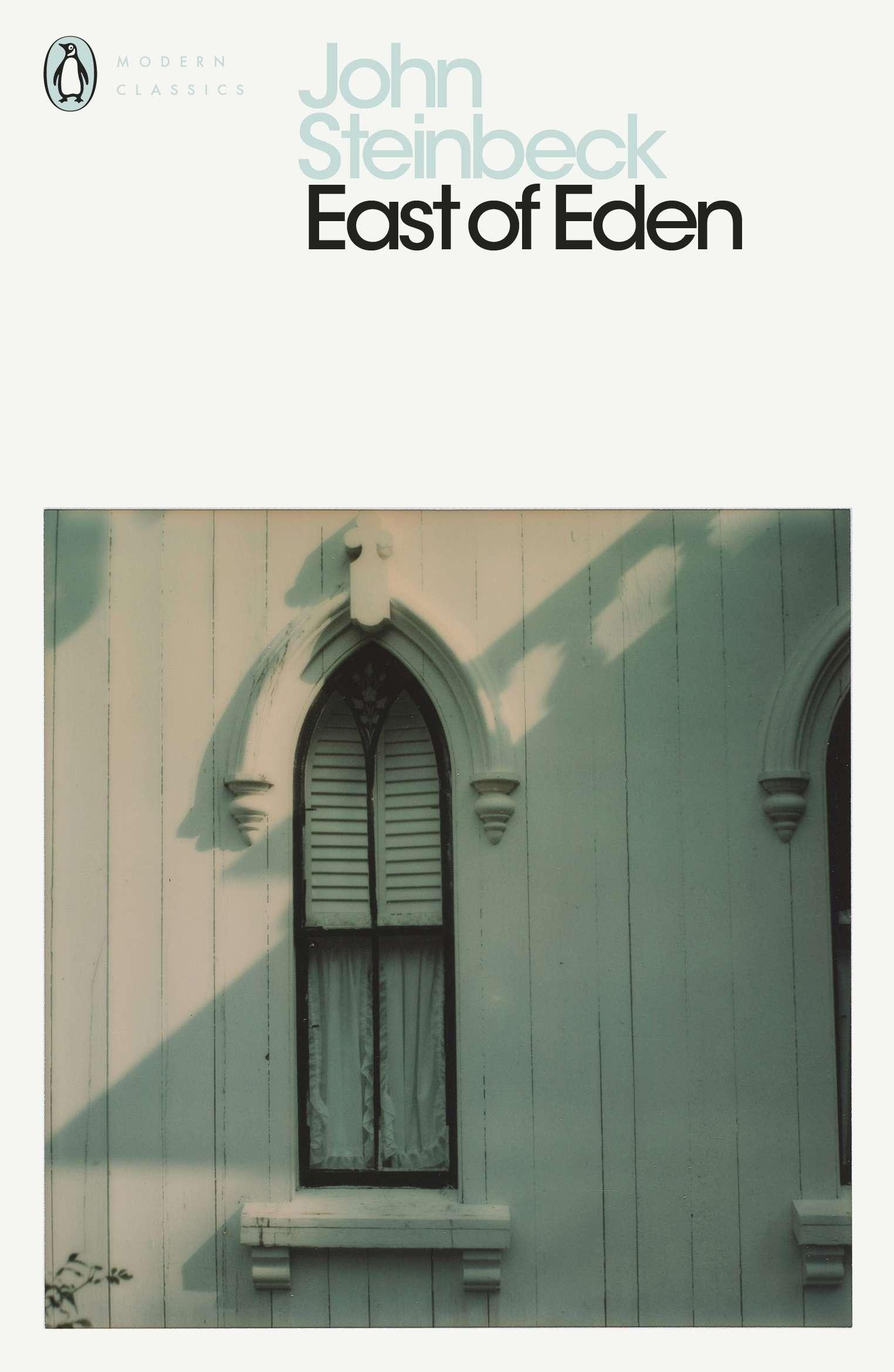
His prose reflects this clarity. Whether describing the vast Californian landscape in East of Eden or the lonely itinerant workers of Of Mice and Men, his sentences are controlled, muscular, and unadorned. They move with quiet confidence.
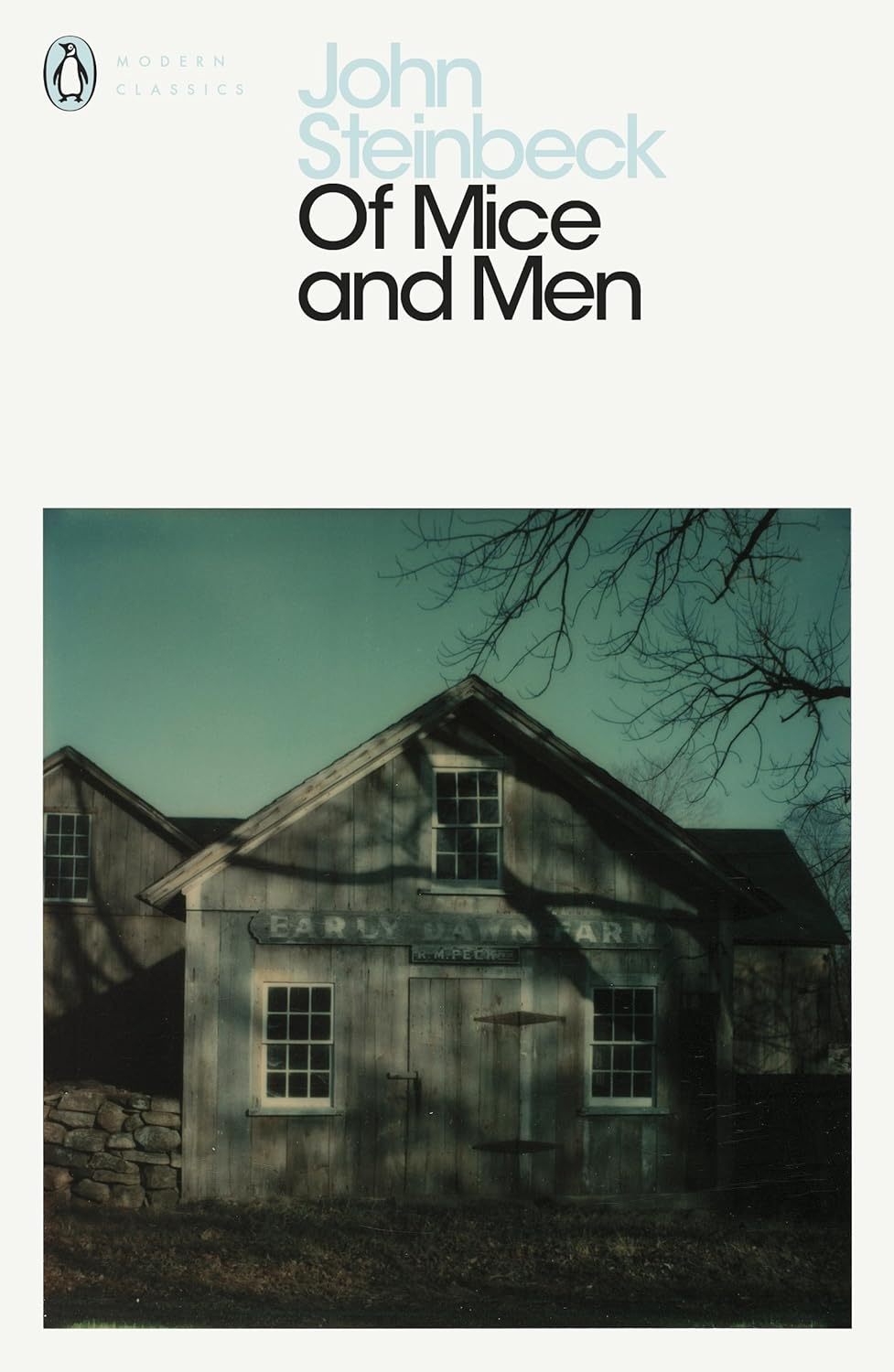
You can almost imagine the graphite gliding across the paper—no wasted flourishes, no blunted thoughts.
Steinbeck was not a writer of ornate sentences. He was a writer of lived reality. The sharpened pencil matched his philosophy: say what must be said, clearly and cleanly.
The Discipline Behind the Nobel
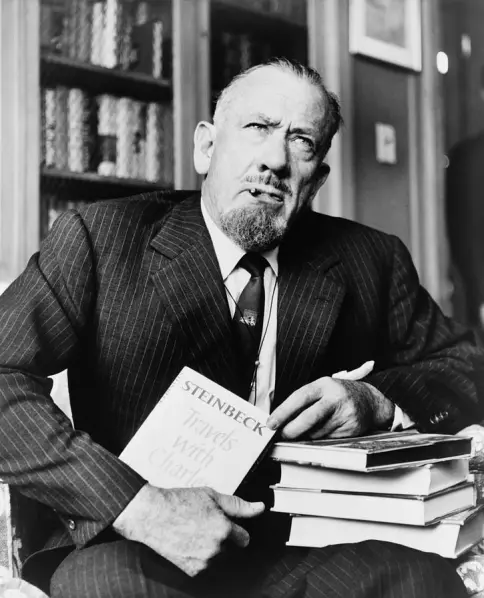 [Image Credit: housecrazysarah.life]
When Steinbeck received the Nobel Prize in Literature in 1962, some critics questioned whether he deserved it. He himself admitted in private moments that he sometimes felt inadequate. Yet the body of work he produced—novels, travelogues, journalism—reveals not luck, but relentless discipline.
In his journals, he often wrote reminders to himself: Do not get self-conscious. Forget your general readers. Work steadily. He treated writing like daily labour, not divine inspiration.
The pencil ritual reinforced that mindset. It slowed him down just enough to prevent haste, but not enough to derail progress. It was a physical reminder that writing is constructed, line by line, page by page.
In an age of keyboards and blinking cursors, it is easy to romanticise this image. But what it truly represents is intention. Steinbeck did not wait for the perfect mood. He did not wait for clarity to descend. He created conditions that allowed him to begin.
The Beauty of Small Acts
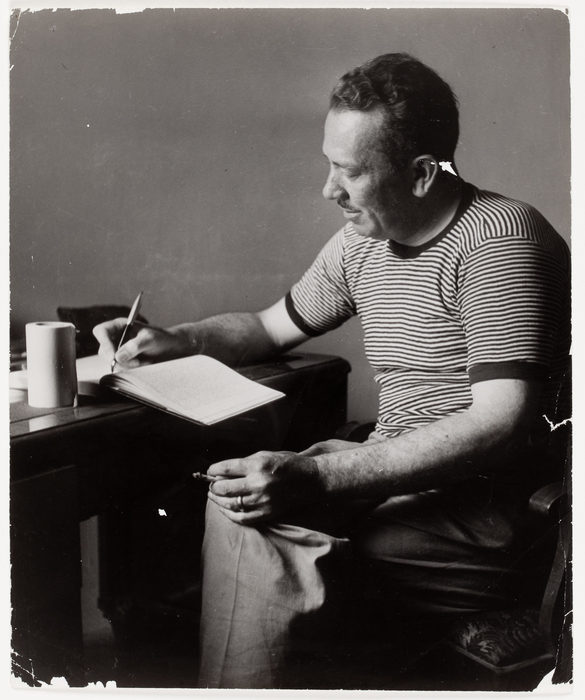 [Image Credit: www.icp.org]
There is a quiet lesson here for anyone who creates.
Grand gestures rarely sustain long projects. Tiny, repeatable actions do.
Sharpening a pencil is small. Almost trivial. Yet done consistently, it becomes a marker of continuity. It separates one completed page from the next possibility. It offers a pause without inviting procrastination.
Modern productivity culture often emphasises speed—write faster, publish sooner, produce more. Steinbeck’s ritual suggests something different: respect the page. Approach it prepared. Accept that transitions matter.
Each sharpened pencil tip was a clean start.
Craft Over Myth
The mythology of writers often leans toward chaos—late nights, scattered drafts, brilliant bursts of inspiration. Steinbeck disrupts that image. He was orderly. Structured. Intentional.
His rituals did not make him rigid; they made him reliable.
There is something deeply human in that image of him at his desk, sleeves rolled up, pausing to sharpen graphite before continuing. It reminds us that masterpieces are not born whole. They are assembled through repetition.
A novel like The Grapes of Wrath did not appear fully formed. It emerged from days when Steinbeck doubted himself but sharpened another pencil anyway.
What the Sharpened Pencil Really Means
Ultimately, Steinbeck’s ritual is not about pencils at all.
It is about commitment.
Between every page lies uncertainty. Between every chapter lies fatigue. Between every draft lies the temptation to quit. The sharpened pencil becomes a bridge—an act that says, I will continue.
In our digital age, perhaps the equivalent is closing unnecessary tabs, clearing a desk, and taking one deliberate breath before typing the next paragraph. The form may change, but the principle remains.
Ritual anchors creativity to action.
Steinbeck sharpened pencils because writing mattered to him. Because precision mattered. Because beginning again mattered.
And perhaps that is the quiet secret behind great work—not genius, not glamour, but the humble, repeated decision to prepare for the next page.
Your next read: 7 Famous Classic Books Most People Start—but Rarely Finish