

Parent Categories



Related Products


Related Books


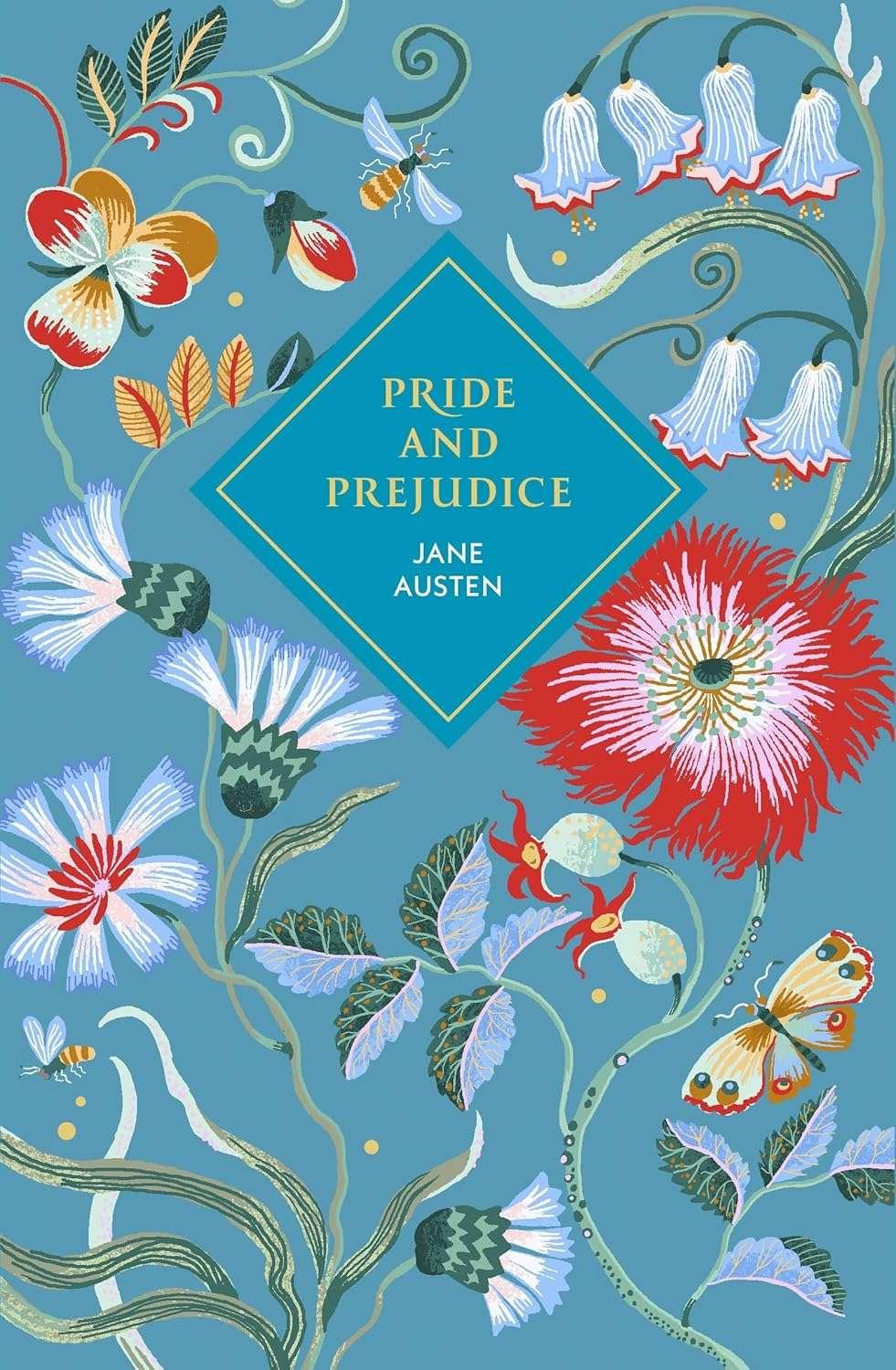
The Wit, Wisdom, and World of Jane Austen: A 250-Year Retrospective
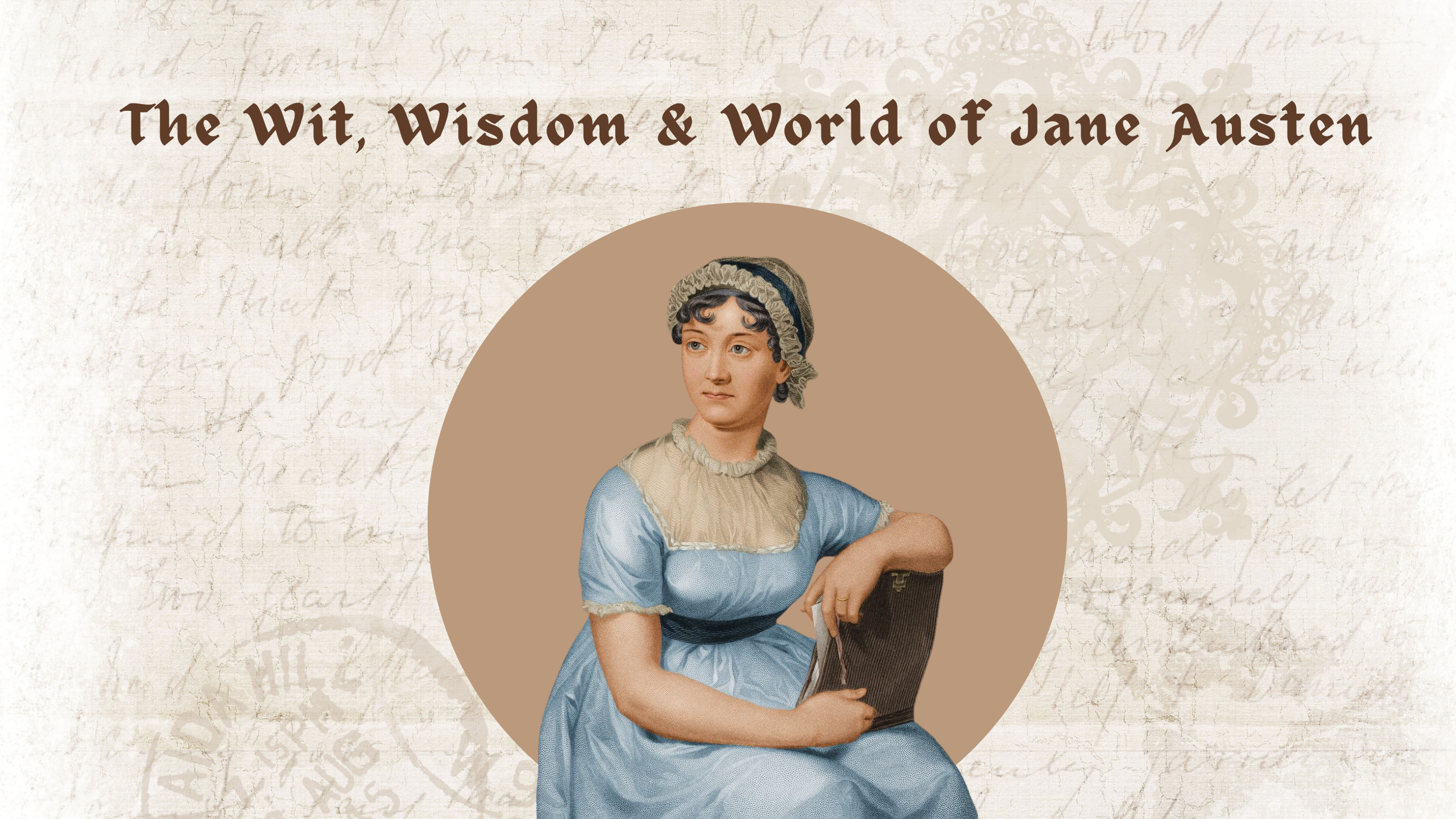 The Wit, Wisdom, and World of Jane Austen
As we celebrate Jane Austen’s 250th birthday, it feels only right to pause, pour a cup of tea, and ask a deceptively simple question: why does she still matter so much? When her classics are viewed in retrospect, they reveal far more than period romance—they uncover the very source of their timelessness.
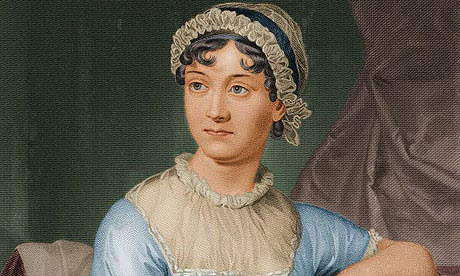
Over the next few minutes, we’ll explore exactly why Austen’s voice, wit, and wisdom continue to resonate, and how her influence has quietly woven itself into the modern world. Whether you’re a lifelong admirer or a curious newcomer, consider this your invitation to revisit Austen—not as a relic of the past, but as a conversation that’s still very much alive.
Satire in Silk Gloves: How Austen Uses Wit to Skewer Society
One of the most famous opening lines in English literature comes from Pride and Prejudice:

For first-time readers, this line might sound startlingly patriarchal. But read on, and Austen’s wit quickly reveals itself. In the classic, Austen critiques a society obsessed with matchmaking, wealth, and social status, where marriage is viewed less as a romantic union and more as a strategic transaction.
Much of Austen’s humour comes from irony like this—she often states things plainly while meaning the exact opposite. Her characters expose this irony through their own confident misunderstandings of the world. Take Mrs Bennet, whose frantic desperation to marry off her daughters exposes the limited options available to women, even as Austen gently pokes fun at her excesses.
Austen’s wit lies not in grand jokes, but in her sharp observation of human behaviour—allowing her characters to reveal society’s flaws simply by being themselves.
Emotional Intelligence & Wisdom in Austen’s World
Pick up any of Austen’s classics, and you can always expect strong character development—not just people falling in love, but people learning. Austen understood something deeply modern: that emotional maturity doesn’t arrive magically. It’s earned through self-reflection, uncomfortable realisations, and the willingness to change.
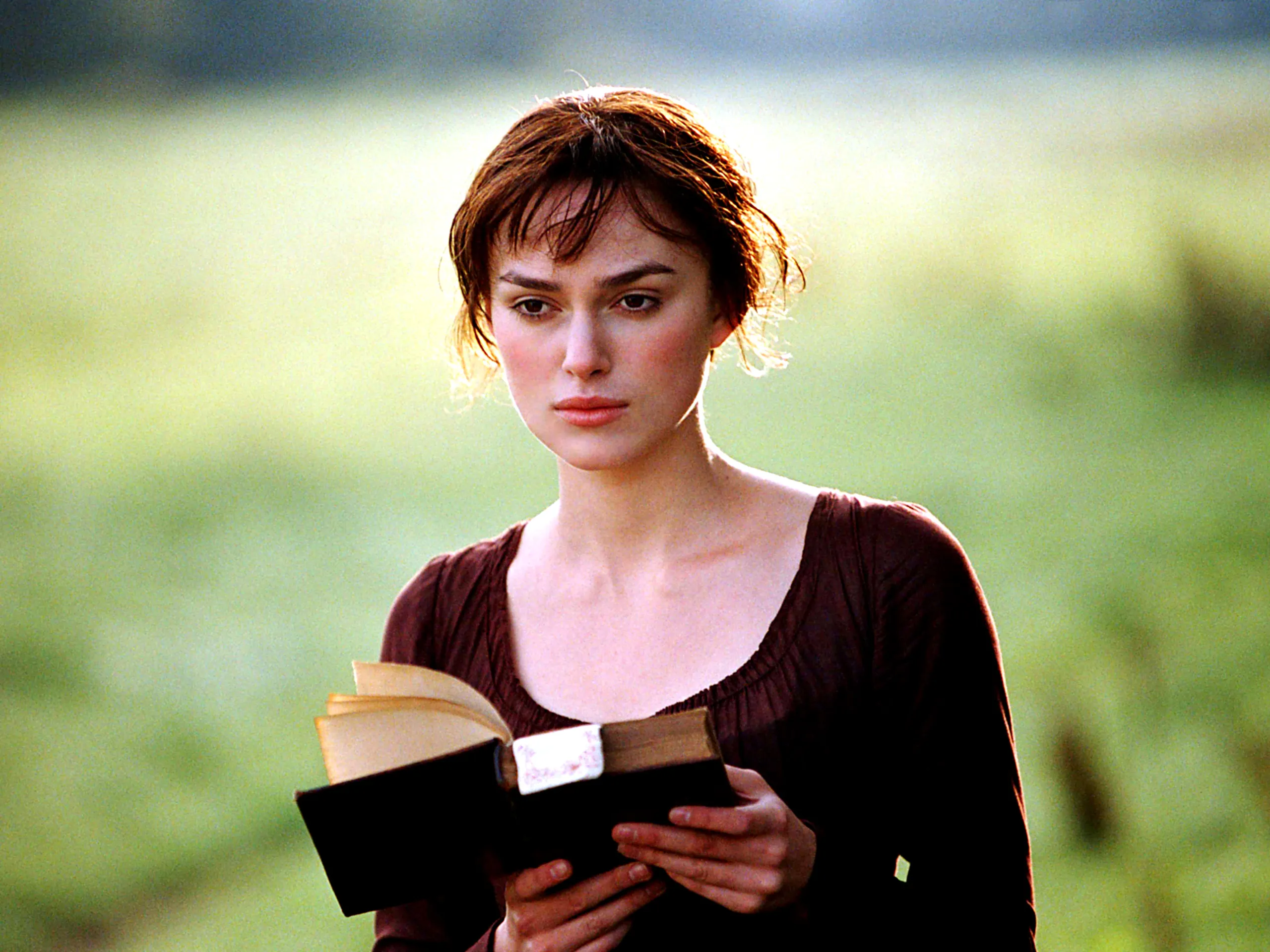 [Credit: Vogue]
Take Pride and Prejudice. Elizabeth Bennet prides herself on being perceptive and clever—until she realises how wrong she’s been. Her quiet admission, “Till this moment I never knew myself,” is a turning point. Austen’s wisdom shows up here in a simple truth: being intelligent isn’t the same as being emotionally intelligent. Growth begins when we question our own judgments.
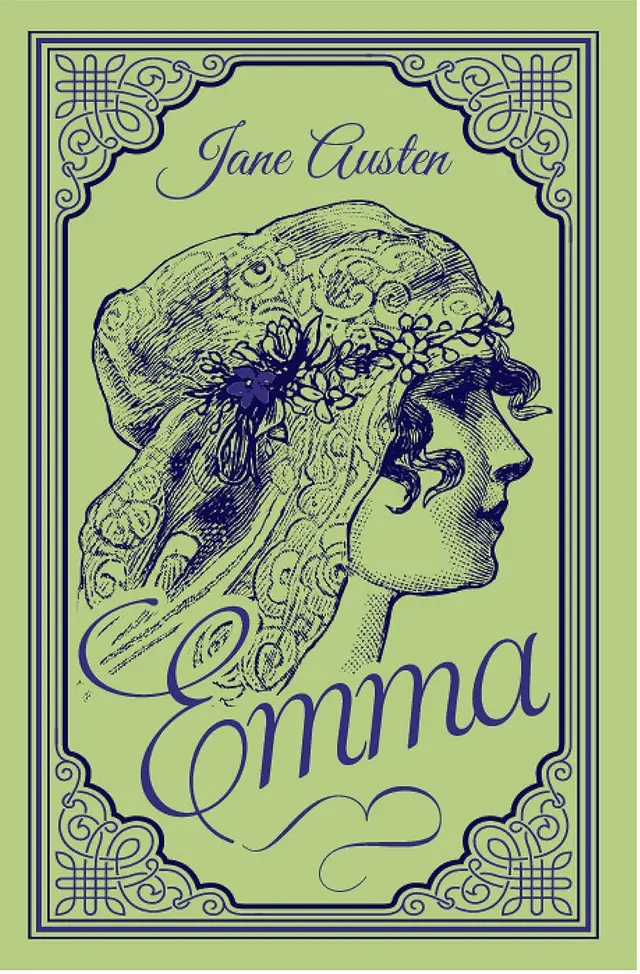
In Emma, Austen gives us a heroine who is confident to the point of arrogance. Emma Woodhouse thinks she understands everyone’s feelings better than they do themselves—and repeatedly proves she doesn’t. Watching Emma stumble, reflect, and slowly develop empathy feels surprisingly relatable, even now.
 [Credit: Pinterest]
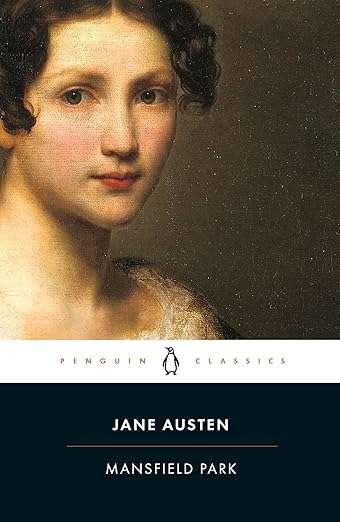
Then there’s Persuasion, Austen’s most emotionally mature novel. Anne Elliot teaches us about patience, resilience, and trusting your own voice—even after mistakes. Austen reminds us that wisdom isn’t loud or flashy; it’s quiet, earned, and deeply human.
Strip away the corsets and calling cards, and Austen is basically writing about self-awareness, emotional growth, and unlearning. Which is exactly why her wisdom still hits—250 years later and still painfully relatable.
Echoes of Austen: Wit, Wisdom, and Rebellion in Pop Culture
Jane Austen, who wrote in the early 1800s, has had a lasting influence on modern pop culture. From rom-coms to prestige dramas, from booktok favourites to high-school retellings, her stories keep getting rebooted—not because we’re nostalgic, but because her themes still work.
Take Clueless, the ultimate '90s teen classic. It’s a direct adaptation of Emma, swapping Regency matchmaking for Beverly Hills social politics. Cher’s well-meaning but chaotic interference is pure Emma Woodhouse energy—proof that Austen’s wit translates seamlessly across centuries.
Similarly, Bridget Jones’s Diary reimagines Pride and Prejudice for the modern dating scene, complete with awkward social encounters, emotional misfires, and a very intentional Mr Darcy.
Austen’s rebellion shows up in how these stories centre flawed, outspoken women who refuse to settle—romantically or socially. Her heroines paved the way for characters who value emotional intelligence, autonomy, and growth over status and convenience. Even today’s “slow-burn” romances and enemies-to-lovers tropes owe a quiet debt to Austen.
Why Gen Z Love Jane Austen
You’d think a generation raised on TikTok, group chats, and 10-second attention spans would steer clear of 19th-century classics. And yet—Gen Z has fully claimed Jane Austen. Her novels, characters, and entire vibe live on Pinterest moodboards, BookTok edits, and “soft but sharp” aesthetics. For many, Austen isn’t just an author; she’s a personality trait.
So why the obsession? Gen Z connects deeply with Austen’s rebellion—not the loud, dramatic kind, but the quiet refusal to conform. Austen’s heroines push back against expectations in ways that feel very modern.
There’s also something comforting about Austen’s emotional honesty. Her characters overthink, misread signals, spiral internally, and grow through self-awareness—basically the blueprint of modern dating discourse.
For Gen Z, Austen represents soft strength, emotional intelligence, and choosing yourself—even when it’s inconvenient. And that kind of rebellion never goes out of style.
Also read: Pride, Prejudice, and DMs: Reimagining Jane Austen’s Iconic Couple in the Modern Era
Still Speaking, Two and a Half Centuries On
While we can go on and on about Jane Austen’s world, this is where we’ll stop for now. In celebrating her 250 years, we also celebrate the legacy she’s left behind—the wit, wisdom, and quiet defiance that continue to shape readers across generations. Austen remains an author who meets each era exactly where it stands. And perhaps that is her greatest achievement: not that she belongs to the past, but that she continues to speak—softly, sharply, and endlessly—to the present.
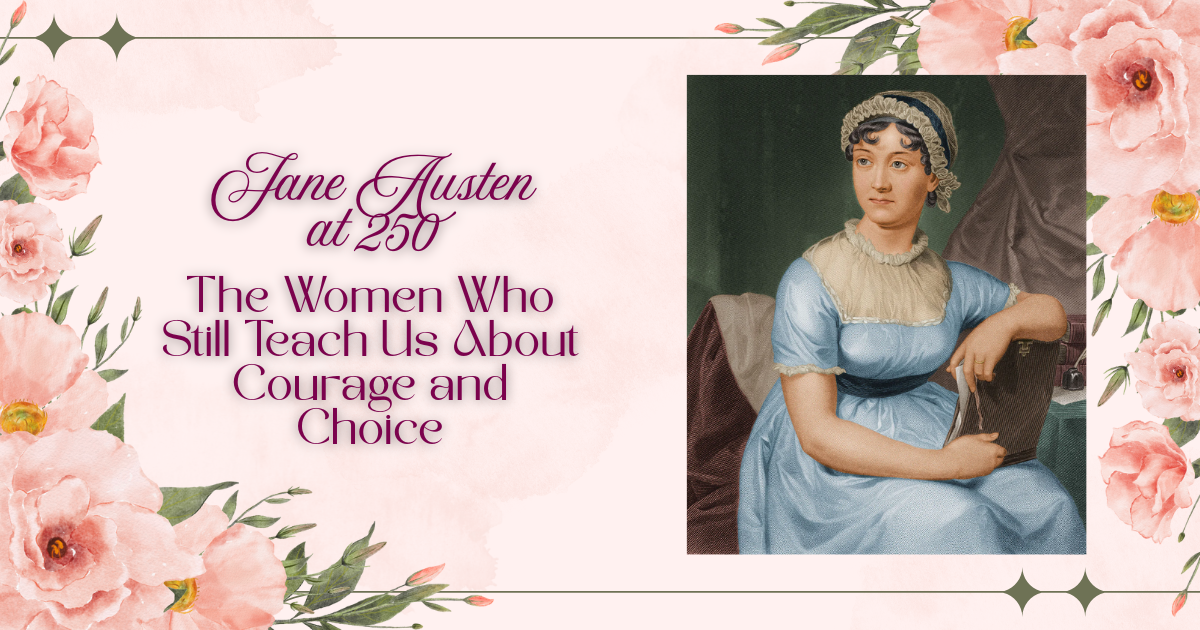
Your next read: Jane Austen at 250: The Women Who Still Teach Us About Courage and Choice