

Parent Categories

Related blogs



Related Products


Related Books
Intimidated by James Joyce? Here’s What You Need to Know Before Reading Him
 James Joyce
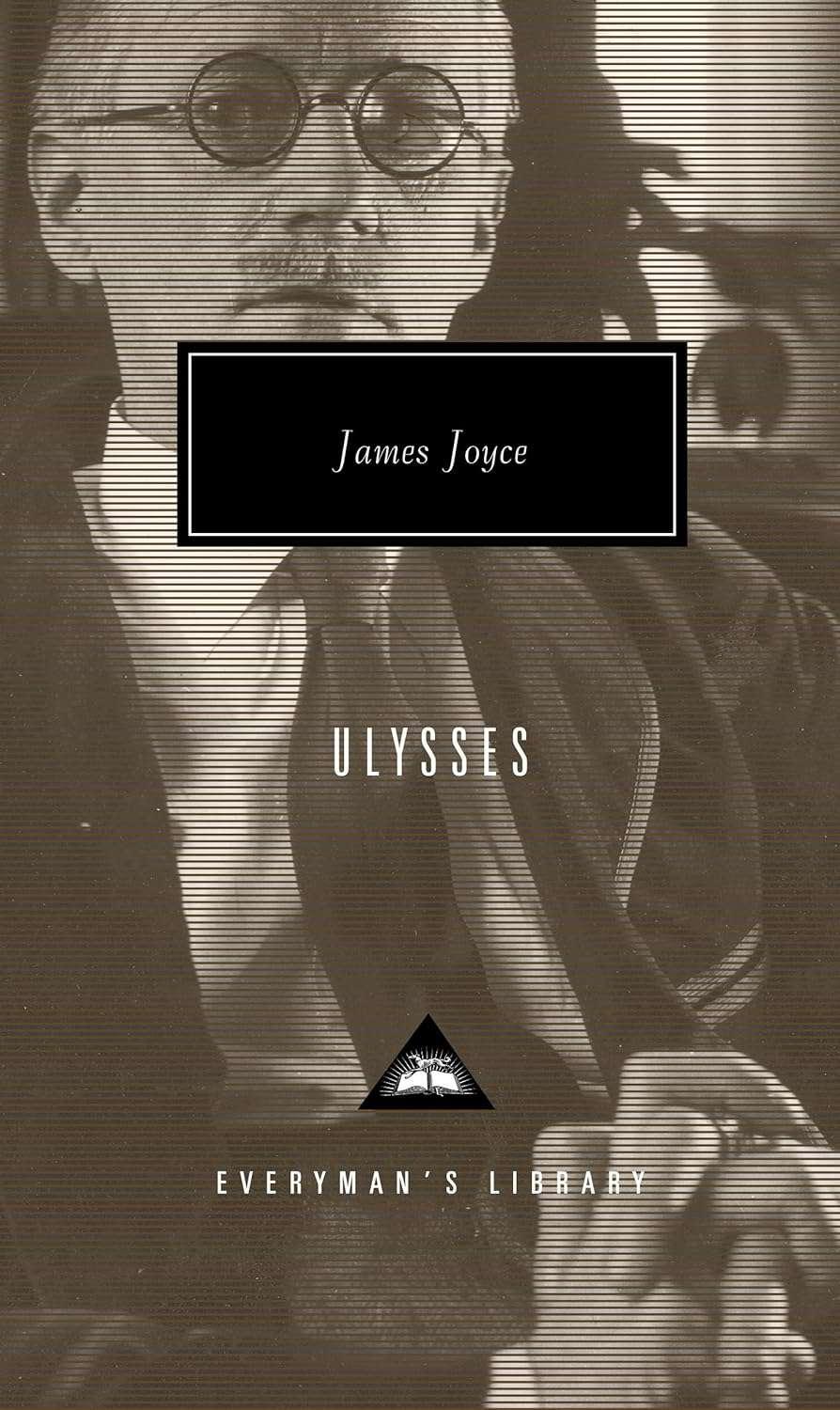
Let’s be honest: owning James Joyce’s classics and actually reading James Joyce are two very different things. Somewhere in the world right now, copies of his classics—most likely Ulysses—are sitting stranded, looking decorative, intellectual, and completely untouched, like a literary dumbbell we swear we’re going to lift someday.
 [James Joyce Statue in Dublin, Image Credit: Expedia]
And it’s not just you or us. Data from the Hawkings Index (a mock mathematical measure of how far people will, on average, read through a book before giving up) suggests Ulysses has one of the highest abandonment rates out there.
So, why does reading Joyce feel like lifting a literary weight & why does it intimidate readers? Before you let the reputation scare you off and miss the chance to celebrate the birthday of one of the most influential writers of the 20th century, let’s break down what you actually need to know.
Also read: What Is ‘Chekhovian’ Writing? Explained
Who Is James Joyce?
Before reading him, it helps to know who Joyce was as a person and a writer. It might not make the reading easier, but it does explain why Dublin mattered so much to him.
 [Image Credit: Irish Times]
Born there, he spent most of his adult life in self-imposed exile across Europe—especially Trieste, Paris, and Zurich—yet he couldn’t move on from Ireland, and Dublin in particular. The city shaped his childhood, family struggles, religion, and politics—the roots of both his identity and his writing. Even in exile, that love-hate dynamic with the city stayed psychologically loud in his classics.
Why Is James Joyce So Hard to Read, Anyway?
As simple as the plots of his classics may sound on paper, Joyce isn’t here to make reading easy for you. He was trying to write the way the mind actually works—jumping between memories, sensations, worries, random observations, and half-finished ideas. Put simply, his commitment to stream-of-consciousness writing pushed language and structure to their limits.
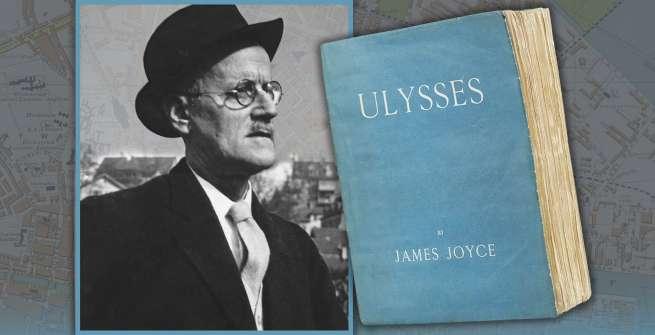 [Image Credit: Los Angeles Public Library]
And it wasn’t easy for Joyce to write his most demanding work either. According to The Guardian, when he finished Ulysses, he was so exhausted he didn’t write a line of prose for a year. So what makes you think you can finish reading it without having a breakdown or a spiral of what’s happening?
And it’s not just Ulysses. His other works—A Portrait of the Artist as a Young Man, Dubliners, and Finnegans Wake—each experiment with language, structure, and perspective in ways that challenge conventional reading habits. He makes you experience consciousness—and that’s hard work.
How to Actually Read Joyce Without Giving Up
Still don’t want to give up on reading Joyce, right? So, how to go about reading his works without losing your mind? Here are a few ways to make the experience fun yet challenging, but not miserable.
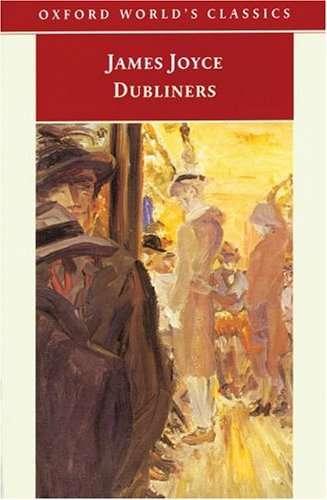
First, dive into his shorter, more accessible works like Dubliners or A Portrait of the Artist as a Young Man first, as many readers do. These give you a sense of Joyce’s voice and depth. Once you’ve warmed up to his style and thematic obsessions, you’ll have a better footing when you tackle Ulysses.
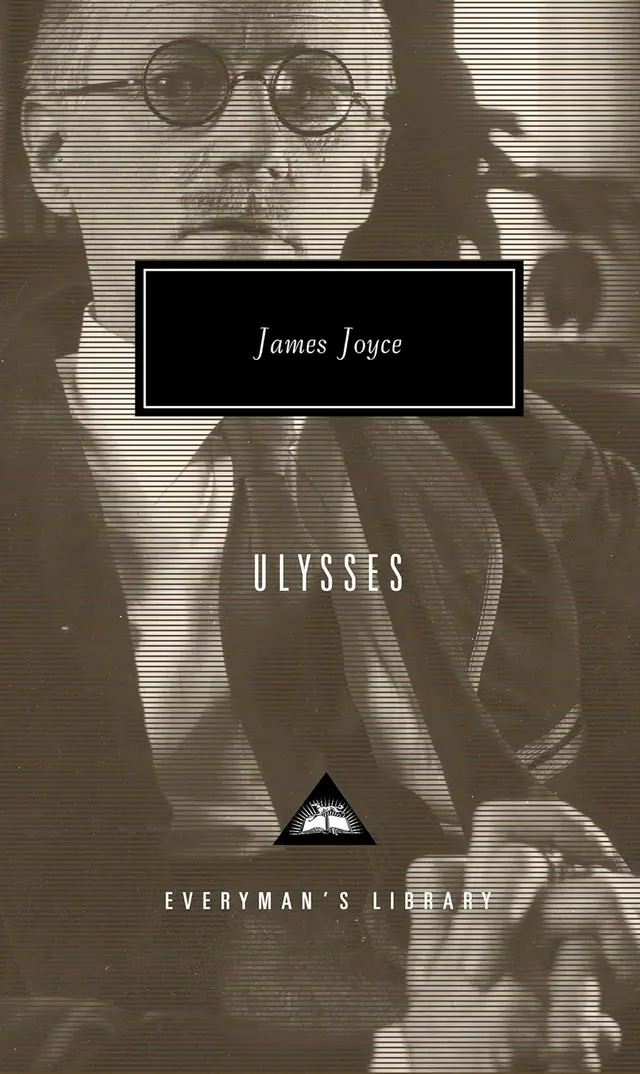
When it comes to Ulysses, patience is everything. Read it in manageable chunks, go slow, and don’t panic if pages feel impenetrable. In fact, early confusion is part of the Joycean adventure, and many literary critics and scholars in the field still scratch their heads over his classics. So, rather than forcing yourself to decode every line, try letting the language wash over you and focus on the texture of the narrative and the personalities of the characters—especially Leopold Bloom, whose consciousness forms the heart of the book.
Buy here: Ulysses
Some readers find it helpful to mix formats—listening to an audiobook, using summaries, or using discussion guides. Treat them as companions, not crutches; their purpose is to clarify, not replace your encounter with the original text.
Most importantly, read without expectation. Joyce isn’t a race to be won—he’s an experience to savour, revisit, puzzle through, and come back to. Once you let go of perfection and embrace curiosity, finishing Ulysses becomes not just possible, but deeply rewarding.
Why It’s Always Worth It to Read Joyce
Reading Joyce can feel exhausting, confusing, and occasionally like a personal challenge—but it’s also deeply rewarding in a way few writers manage. His work doesn’t just tell stories; it changes how you read, how you notice language, and how you think about ordinary life. Joyce proves that a single day, a single city, or a single thought can hold epic meaning if you’re willing to slow down and look closely.
You don’t read Joyce to “finish” him. You read him to experience what language can do when it stops playing by the rules. Even partial understanding still counts—because the act of engaging with his work sharpens your attention, patience, and curiosity as a reader.
If you’ve ever been intimidated by his reputation, consider this your sign to try again—or to try for the first time. And what better moment than his birthday to do it?
Happy birthday to James Joyce—and happy reading to you. Take it slow, get lost, and don’t worry if it doesn’t all make sense. Joyce would probably approve.
Your next read: A Gentle Guide to Reading Virginia Woolf Without Feeling Intimidated