

Parent Categories

Related blogs


Related Products



Related Books



Gabriel García Márquez and Magical Realism: When Reality Learns to Dream
 Gabriel García Márquez and Magical Realism
If you’ve ever been exposed to magical realism in classics, you might know a classic 20th-century author who popularised the genre. If you don’t, read on and let us introduce you to Gabriel García Márquez.
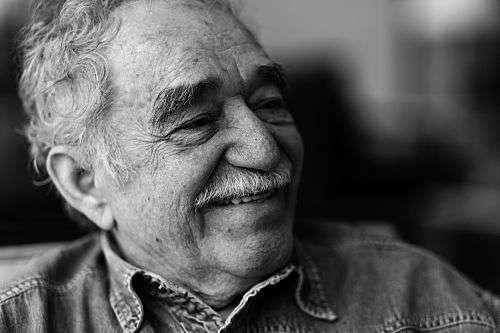 [Image Credit: The Paris Review]
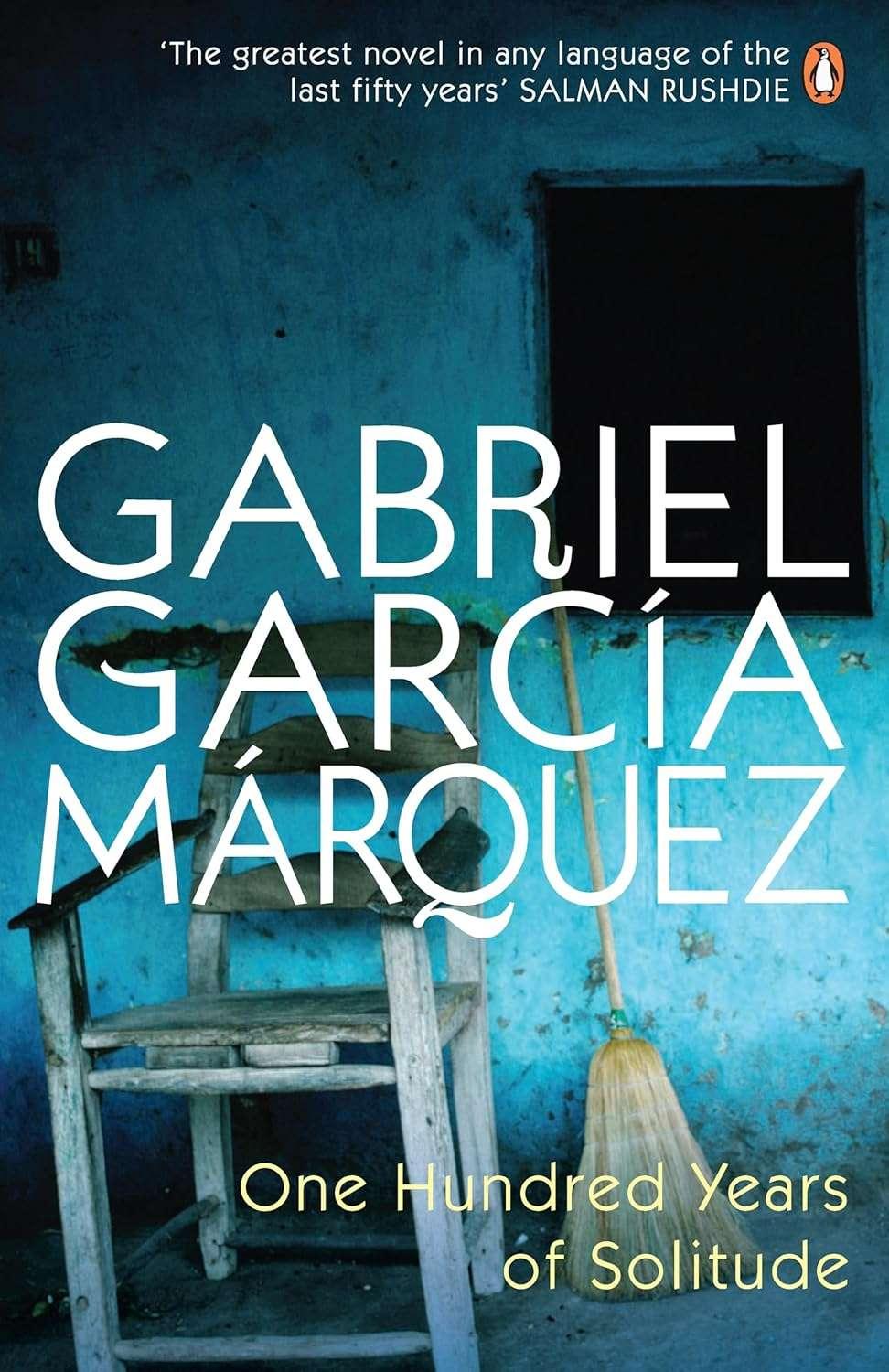
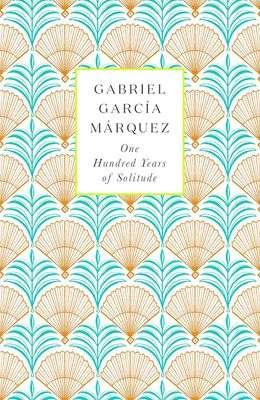
Gabriel García Márquez was a Colombian literary genius with a rare ability to weave the mundane details of reality with fantasy fiction, creating what would become the defining style of magical realism. He was awarded the Nobel Prize in Literature in 1982 for his masterpiece Cien años de soledad or One Hundred Years of Solitude, which helped bring this genre to global prominence.
From his life in journalism, his transition into writing, his literary breakthrough and much more, let’s take a peek into the life of a writer who made us realise that reality can learn to dream!
Also read: Gabriel García Márquez and Magical Realism: When Reality Learns to Dream
Early Life of Gabriel García Márquez
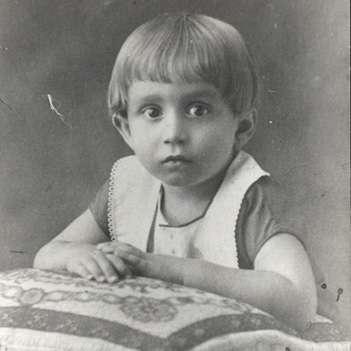 [A photograph of Gabriel García Márquez around the year 1929, at the age of two. Image Credit: Harry Ransom Centre]
Born in the town of Aracataca, Gabriel (affectionately called Gabo) was raised by his maternal grandparents for the first eight years of his life. He was a shy boy whose world blended realism and fantasy in his grandparents' house. He wrote poems under the name Javier Garcés, and his creative journey began with drawing cartoons even before he started writing. This childhood laid the foundation for a writer deeply grounded in reality yet vividly connected to imagination.
 [García Márquez's childhood house in Aracataca, Colombia. Hand-drawn by the writer in 1978. Image Credit: Harry Ransom Centre]
Law School, Journalism, & a Love for Short Stories
“In journalism just one fact that is false prejudices the entire work. In contrast, in fiction one single fact that is true gives legitimacy to the entire work. That’s the only difference, and it lies in the commitment of the writer. A novelist can do anything he wants so long as he makes people believe in it.”
—Gabriel García Márquez’s Interview with Peter Stone
This distinction between factual accuracy and emotional truth would later become central to García Márquez’s magical realism. Journalism trained him to observe the world closely, while fiction allowed him to reveal deeper truths through imagination.
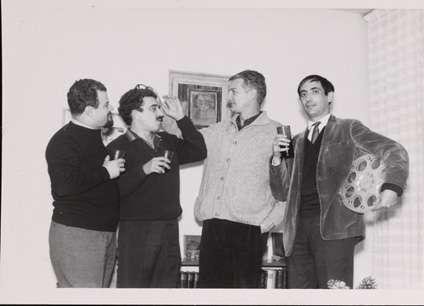
Even before exploring journalism, Gabriel enrolled in law school in Bogotá to appease his parents, but quickly lost interest, spending his time reading literature in cafés. He eventually left to pursue journalism and his love for short fiction. His first short story, La tercera resignación or The Third Resignation, was published in El Espectador.
 [Image Credit: Harry Ransome Centre]
Gabriel was deeply influenced by modernist writers such as James Joyce, Virginia Woolf, William Faulkner, and Ernest Hemingway. Faulkner’s narrative techniques, in particular, inspired his first short novel, Leaf Storm, which introduced the world to the fictional town of Macondo.
Literary Breakthrough: One Hundred Years of Solitude
“Death really did not matter to him but life did, and therefore the sensation he felt when they gave their decision was not a feeling of fear but of nostalgia.”
This single line introduces the brilliance of Gabriel García Márquez’s writing in One Hundred Years of Solitude. Published in 1967, the novel extends far beyond Latin America, reshaping world literature and introducing millions of readers to the beauty of magical realism.
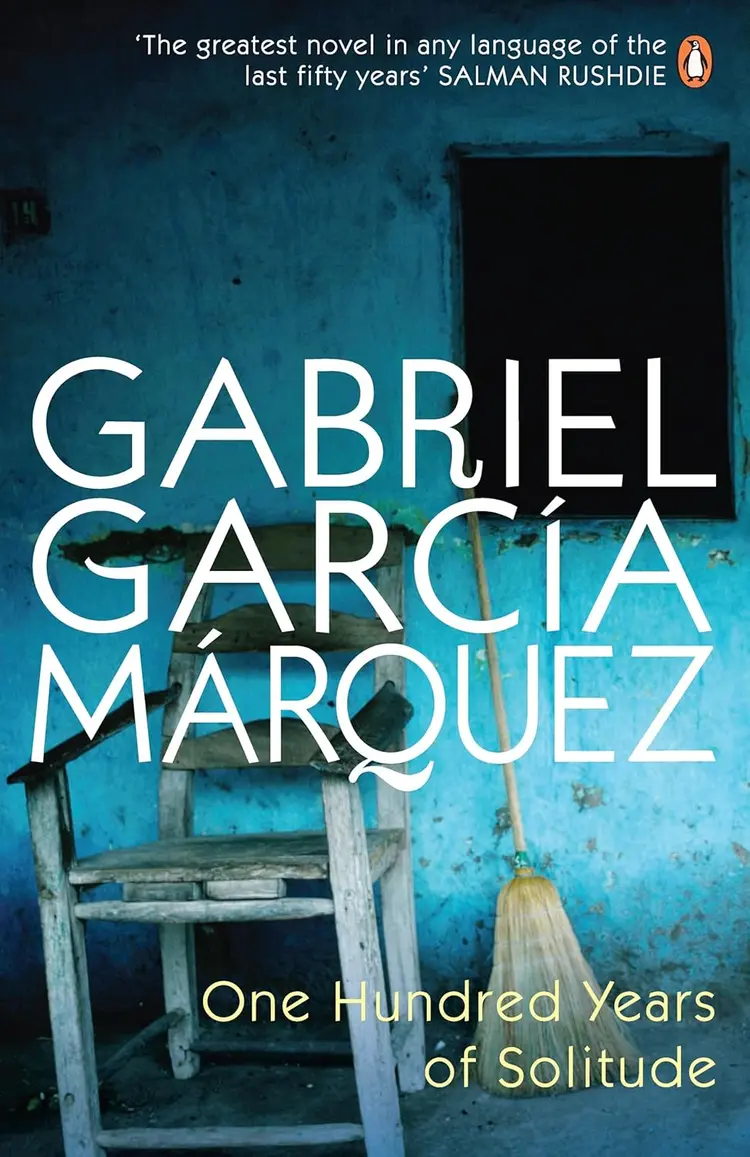
The book traces the rise and fall, birth and death of the mythical town of Macondo through several generations of the Buendía family. Time moves in circles, memories linger as ghosts, and extraordinary events unfold with the calm logic of everyday life. Rain lasts for years, the dead converse with the living, and miracles occur without surprise—all presented as part of reality itself. Beyond that, it gives you a fictionalised reflection of Colombian and Latin American history.
One Hundred Years of Solitude secured García Márquez a permanent place in world literature and earned him the Nobel Prize for Literature in 1982.
Buy here: One Hundred Years of Solitude
Who Was Gabriel García Márquez Writing For?
In an interview with The Paris Review, Gabriel García Márquez was asked whom he was writing for. His response was simple and deeply grounded.
“Leaf Storm was written for my friends who were helping me and lending me their books and were very enthusiastic about my work. In general I think you usually do write for someone. When I’m writing I’m always aware that this friend is going to like this, or that another friend is going to like that paragraph or chapter, always thinking of specific people. In the end all books are written for your friends. The problem after writing One Hundred Years of Solitude was that now I no longer know whom of the millions of readers I am writing for; this upsets and inhibits me. It’s like a million eyes are looking at you and you don’t really know what they think.”
Seeing the World Through Magical Realism
Magical realism runs through most of Gabriel García Márquez’s fiction, though with varying intensity. The Autumn of the Patriarch, Chronicle of a Death Foretold, Love in the Time of Cholera, and Of Love and Other Demons all contain elements that invite the imagination without ever losing touch with reality.
If you are looking for one compelling reason to read him, this may be it. He writes about love, politics, memory, solitude, and generational patterns. Yet even at his most imaginative, these themes remain deeply rooted in human experience. The extraordinary unfolds alongside the ordinary, making the impossible feel natural and the familiar newly mysterious.
On his birthday, the best way to celebrate him is simply to open one of his books and step into his world, where reality learns to dream and dreams, in turn, reveal deeper truths about reality.
Your next read: Victor Hugo’s Very Loud Private Life: Exile, Mistresses, and His Naked Writing Rituals