

Parent Categories



Related Products



Related Books

Who Was Fyodor Dostoevsky? An Introduction for First-Time Readers
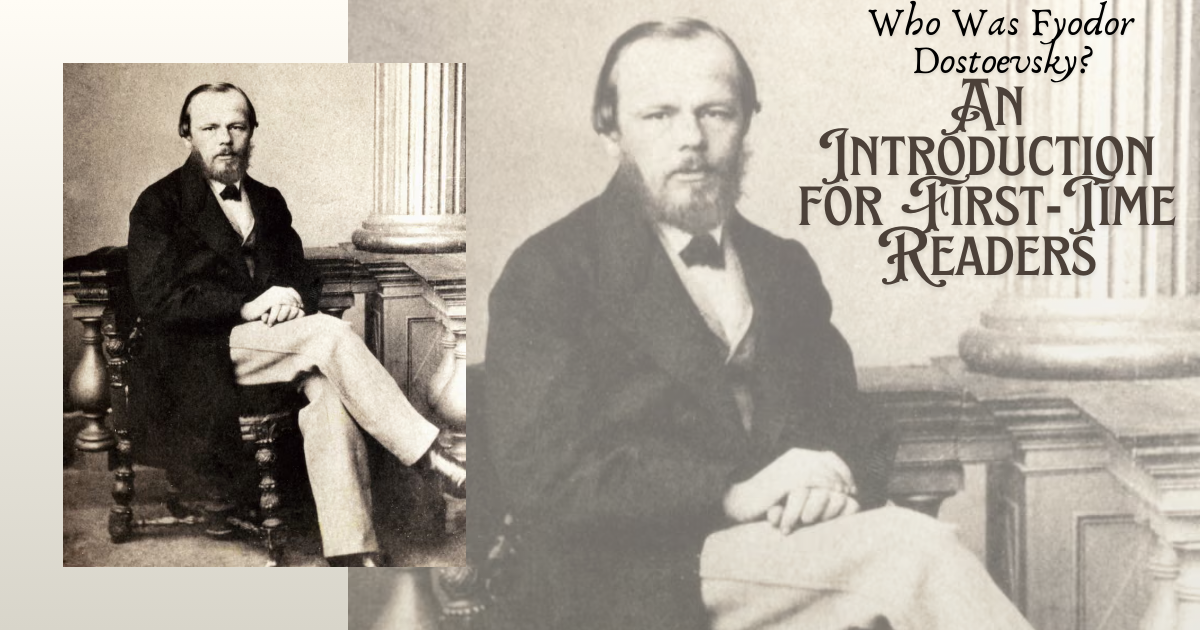 Who was Fyodor Dostoevsky
If you have ever picked up a thick Russian novel and wondered whether you were ready for it, chances are the name Fyodor Dostoevsky was printed on the cover. His books have a reputation: intense, philosophical, morally unsettling. They are often described not just as stories, but as experiences.
But who was this man whose fiction continues to disturb and illuminate readers nearly two centuries later?
Also read: Toni Morrison’s Legacy: From Beloved to Becoming the First Black Woman Nobel Laureate in Literature
A Childhood Among Suffering
To understand Dostoevsky, we must step into 19th-century Russia—a land of imperial splendour and profound inequality. Born in 1821 in Moscow, Dostoevsky grew up near a hospital for the poor where his father worked as a doctor. Poverty, illness, desperation—these were not distant realities. They were part of his daily landscape.
This early exposure to suffering would shape his imagination. The poor clerk, the tormented student, the desperate gambler, the fallen woman—these figures would later populate his novels with startling emotional authenticity.
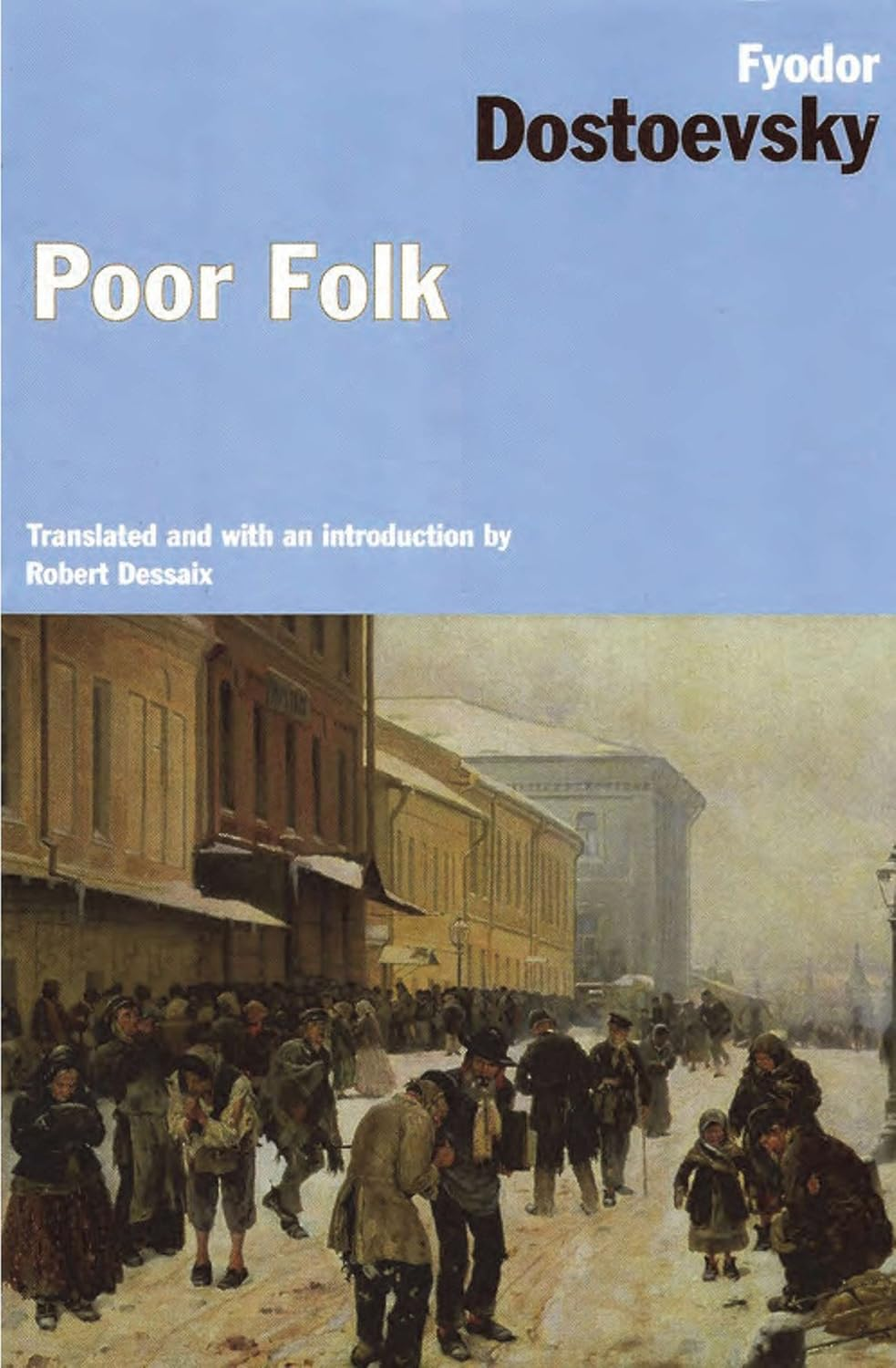
Though drawn to literature, Dostoevsky initially pursued engineering at the St. Petersburg Military Engineering Academy. It was a practical path in a rigid society. Yet books consumed him. At just 24, he published Poor Folk, and the literary world welcomed him as a brilliant new voice of social compassion.
Success, however, would not last long.
The Day He Faced Death
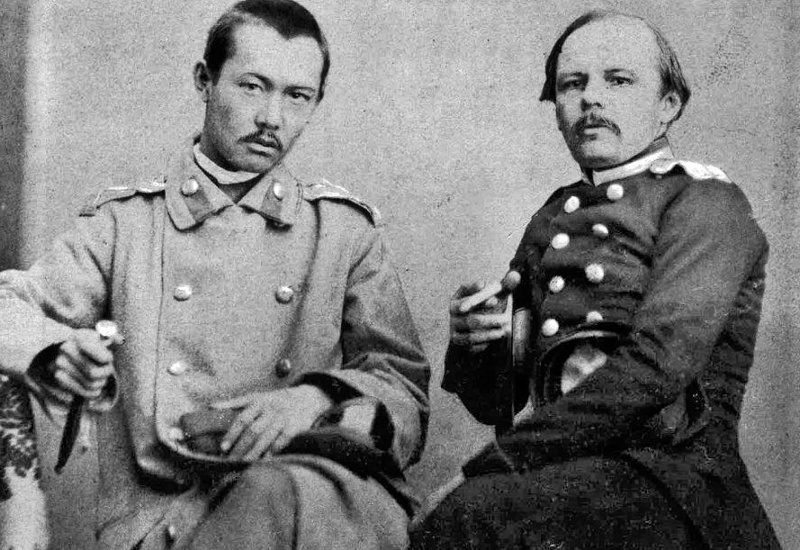 [Image credit: www.russianlife.com]
In 1849, Dostoevsky was arrested for attending a discussion group that read banned political texts. Though the meetings were intellectual rather than revolutionary, Tsarist Russia tolerated no dissent.
He was sentenced to death.
On a freezing morning, he and his fellow prisoners were led before a firing squad. The rifles were raised. At the final moment, a messenger arrived with a reprieve. The execution had been staged; the sentence commuted to hard labour in Siberia.
The psychological shock of standing at the edge of death and being abruptly returned to life transformed him forever. It also directly influenced The Idiot. In the novel, Prince Myshkin recounts the terror and strange clarity experienced by a man awaiting execution—an almost verbatim reflection of Dostoevsky’s own ordeal. Through Myshkin, he explores what it means to be granted life twice, and whether such an experience makes one wiser, gentler, or painfully out of step with the world.
Siberia: Suffering and Spiritual Awakening
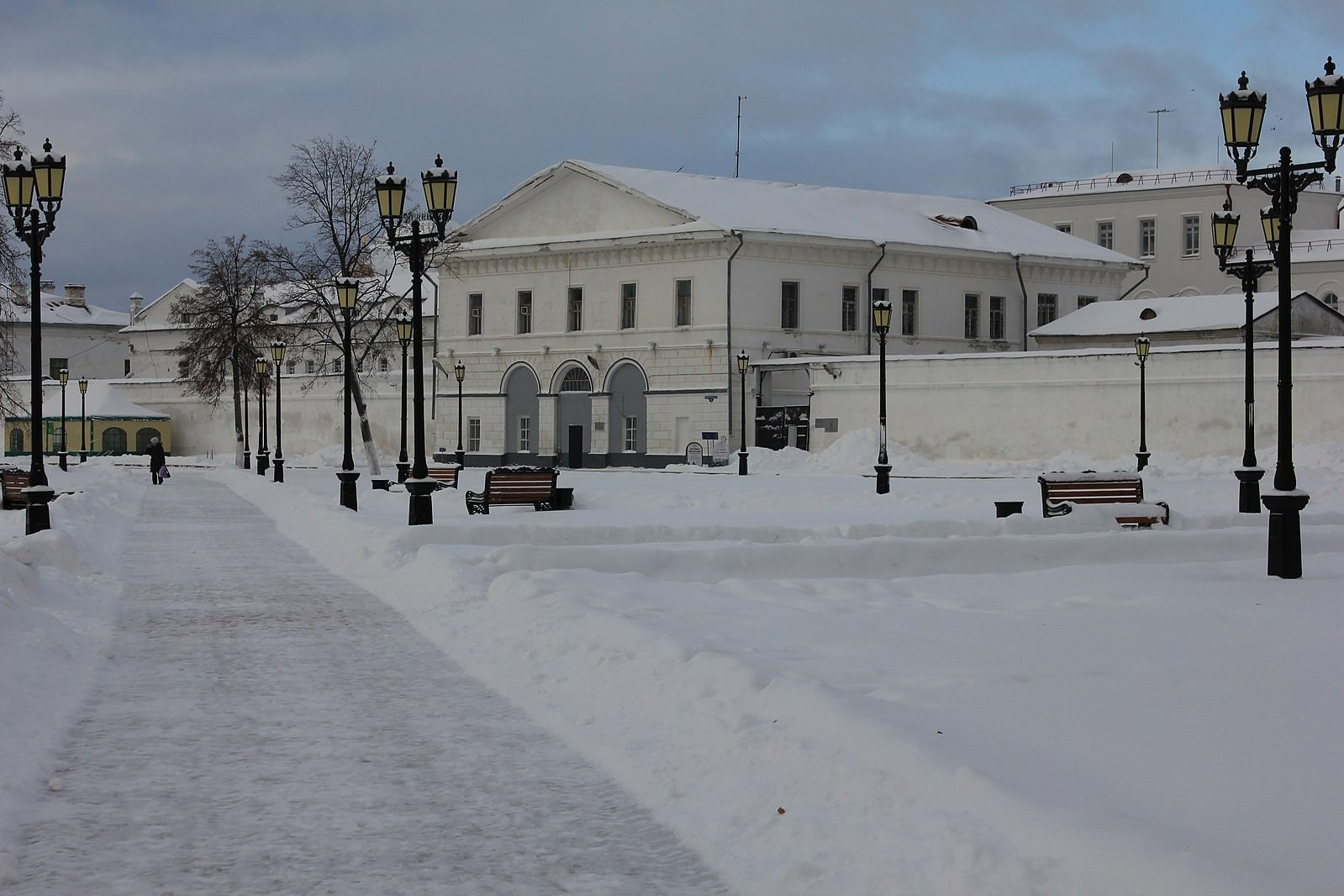 [The Tobolsk Prison Castle, built in 1855 in Tobolsk, Russia, was a notorious 19th-century convict facility renowned for its strict regime, housing political prisoners like Fyodor Dostoevsky before becoming a Soviet-era NKVD prison and, later, a museum. Image credit: www.russianlife.com]
Dostoevsky spent four years in a Siberian prison camp among murderers and thieves. Conditions were brutal—sleeping on wooden planks, enduring illness, humiliation, and isolation. He was forbidden to write.
Yet this period marked a profound turning point. He encountered not political theory, but raw humanity. He saw cruelty and compassion intertwined in unexpected ways. His youthful flirtation with radical ideas gave way to a deeper preoccupation: freedom, faith, guilt, and redemption.
When he returned from exile, he was no longer an idealistic young writer. He had become a novelist of the human conscience.
The Psychological Earthquake of Crime and Punishment

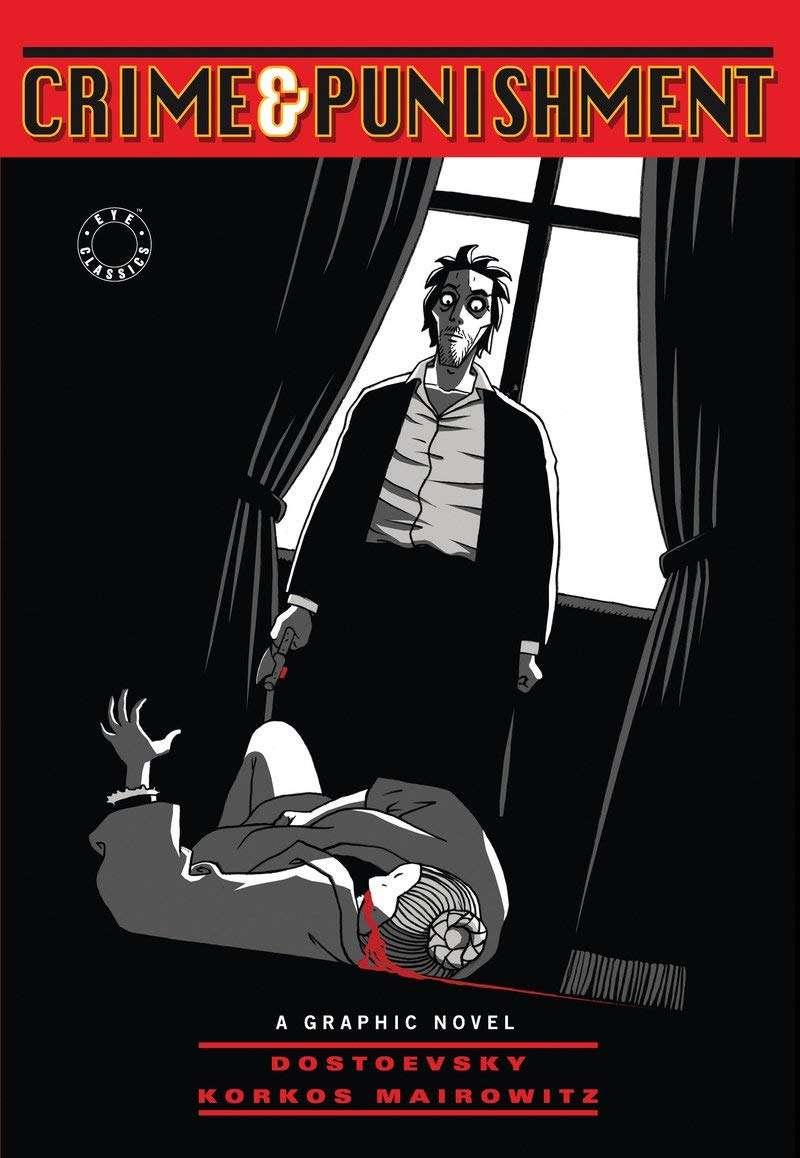
For first-time readers, Crime and Punishment is often the gateway.
The novel follows Raskolnikov, a poor former student who commits murder to test a dangerous idea—that certain ‘extraordinary’ individuals may transcend moral law. But the real drama is not the crime itself. It is the psychological aftermath.
Raskolnikov’s mind becomes a battlefield of pride, guilt, rationalisation, and despair. Dostoevsky dissects his inner turmoil with astonishing precision, anticipating modern psychology decades before Freud.
What begins as a crime story becomes an exploration of conscience itself.
Faith, Doubt, and Freedom in The Brothers Karamazov

Dostoevsky’s final masterpiece, The Brothers Karamazov, expands these moral questions to an epic scale.
Three brothers—each embodying different responses to belief, doubt, and desire—are drawn into a drama involving their corrupt father. Within the novel lies the famous ‘Grand Inquisitor’ chapter, a philosophical parable about free will and humanity’s longing for certainty.
The book dares to ask:
- If God does not exist, is everything permitted?
- Why does suffering exist?
- Can love redeem even the most fractured soul?
Few novels wrestle so boldly with the spiritual dilemmas of modern life.
The Tragic Goodness of The Idiot
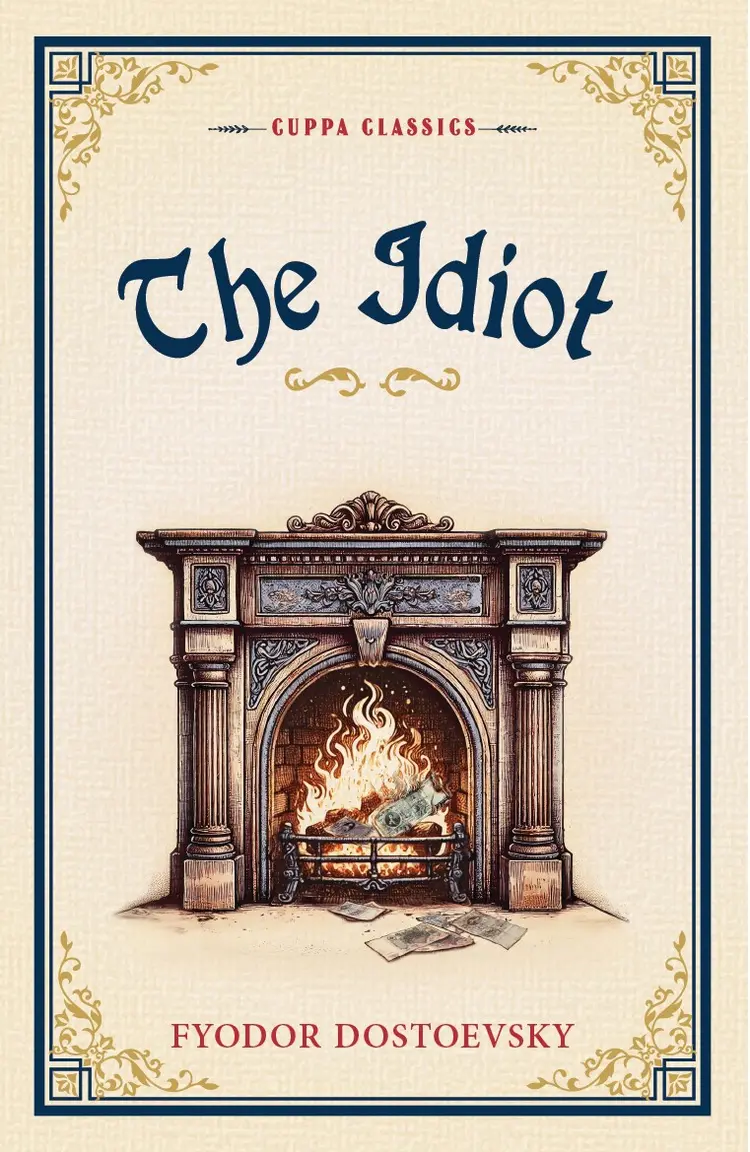
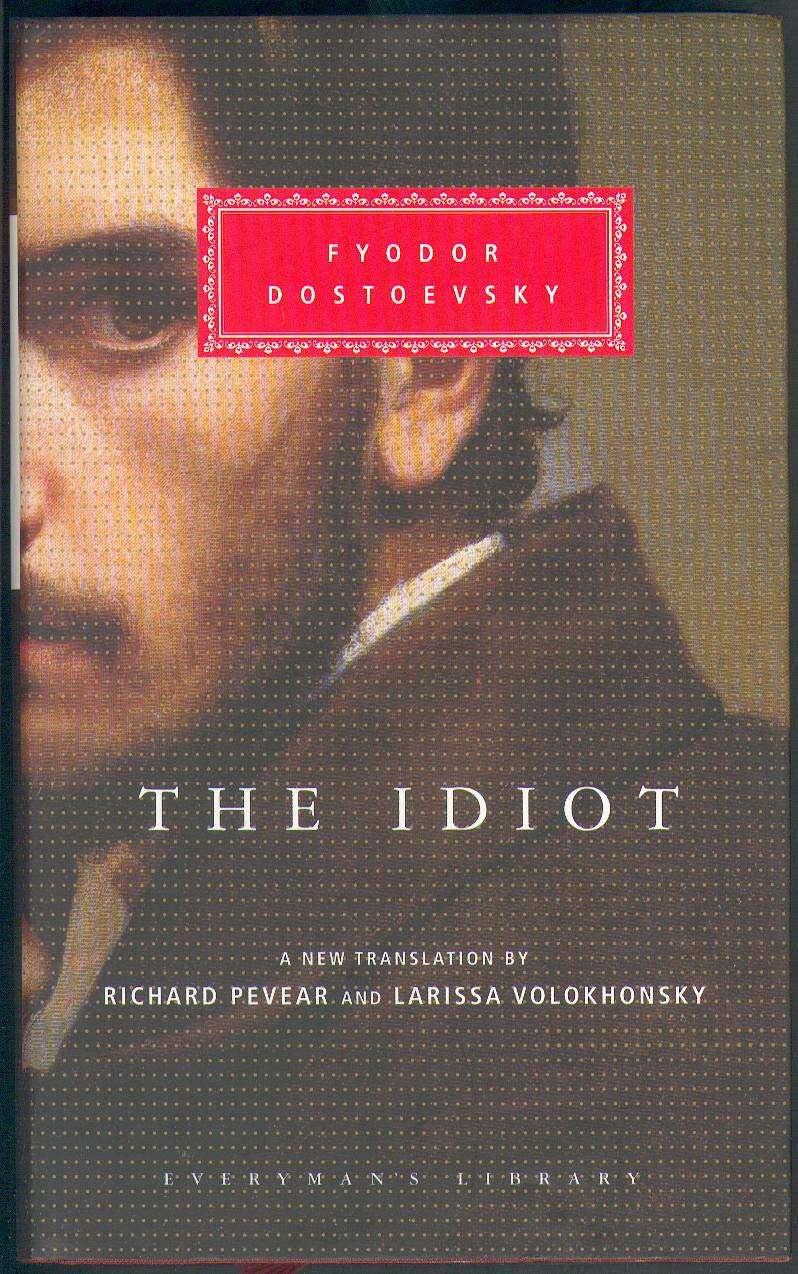
In The Idiot, Dostoevsky attempted something radical: portraying a truly good man in a flawed society.
Prince Myshkin, innocent and compassionate, returns to Russia after treatment for epilepsy. Instead of transforming those around him, he becomes entangled in vanity, obsession, and cruelty.
The novel poses an unsettling question: Can pure goodness survive in a cynical world—or will it be destroyed by it?
Why Dostoevsky Still Feels Modern
What sets Dostoevsky apart is his narrative style. His characters argue passionately. They confess, contradict themselves, spiral into doubt. His novels feel alive with debate. Ideas clash without neat resolution.
Philosophers like Nietzsche admired him. Freud recognised his psychological insight. Existentialists later claimed him as a precursor. Yet Dostoevsky was not writing abstract philosophy. He was writing about people—flawed, yearning, torn between pride and repentance.
In a world still wrestling with inequality, ideology, faith, and freedom, his questions remain painfully relevant.
A Gentle Warning for First-Time Readers
Dostoevsky is not light reading. His pages are crowded with suffering, moral crisis, and spiritual struggle. But they are also filled with fierce compassion. He believed that even the most broken individual carries the possibility of redemption.
If you are new to him, read slowly. Allow the long conversations. Sit with the discomfort. What feels overwhelming at first often becomes strangely intimate. You may find that he is not merely telling a story—he is revealing parts of yourself.
Why He Endures
Dostoevsky died in 1881, mourned by thousands who lined the streets of St. Petersburg. Yet his voice has never faded.
To read him for the first time is to step into a moral laboratory of the human heart. He does not hand you answers. He forces you to confront your beliefs about justice, faith, suffering, and freedom.
And that is why, nearly two hundred years later, readers still approach him with a mixture of nervousness and awe—only to emerge changed.
Your next read: Kafka to Dostoevsky: Classic Novels Left Unfinished