
Parent Categories



Related Products

Related Books

Rebels, Radicals, and Rule-Breakers: Fascinating Facts About Women Classic Authors
 Women Classic Authors Facts
Rebels, radicals, and rule-breakers—these weren’t just labels. They were a way of life for some of the most prolific women in classic literature. Remarkable women who wrote powerful stories in times when their voices were often discouraged, dismissed, or ignored. While women breaking barriers may not feel new today, there was a time when even writing a story was an act of quiet rebellion—bold, defiant, and deeply radical.
Back then, many women writers broke social rules, challenged literary traditions, and quietly reshaped the world of books. From writing under male pseudonyms to shaping the early novel, women authors have long been rebels in the literary world.
Also read: Love vs Autonomy: How Women Classic Authors Rewrote Romance
Here are some fascinating facts that reveal just how radical, resourceful, and influential these women really were.
1. Many Women Writers Used Male Pen Names to Be Taken Seriously
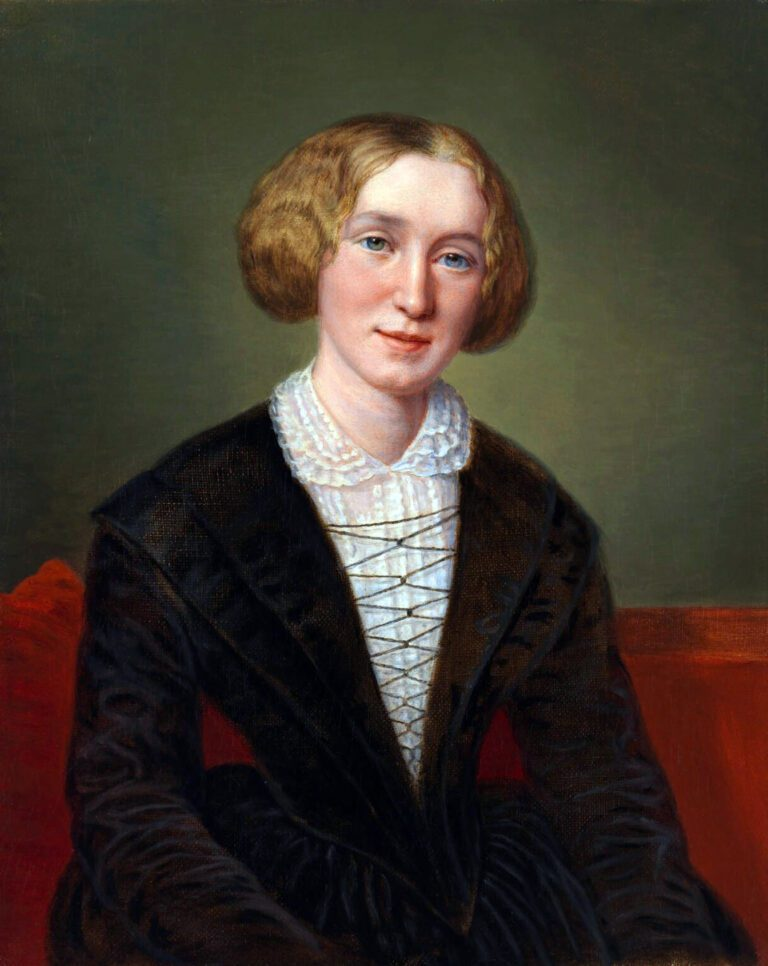 [George Eliot. Image credit: dlitreview.com]
One of the most famous literary disguises belongs to George Eliot, whose real name was Mary Ann Evans. In the nineteenth century, works written by women were often dismissed as ‘light’ or overly sentimental, making publishers reluctant to take them on. By publishing under a male name, Evans ensured that critics and readers would judge her writing on merit rather than gender.
Her strategy worked. Novels like Middlemarch were widely respected and are now considered among the greatest works in English literature.
2. One of the First English Novelists Was a Woman
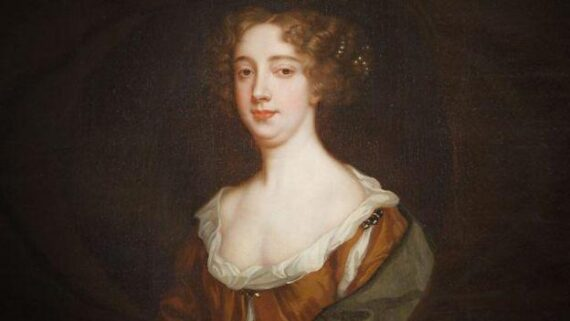 [Aphra Behn. Image credit: Chetham's Library]
Long before the novel became a dominant literary form, Aphra Behn was already experimenting with it. Her 1688 work Oroonoko is frequently described as one of the earliest English novels.
The story, which explores slavery, colonialism, and moral conflict, was bold for its time. Behn herself was equally unconventional—she is often considered one of the first English women to earn a living solely through writing.
3. Early Women Novelists Were Surprisingly Popular
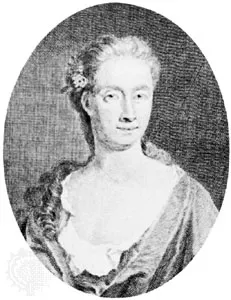 [Eliza Haywood. Image credit: Britannica]
The eighteenth century saw an explosion of female authors. More than 600 novels written by women appeared during this period, proving that women were not rare voices in literature—they were a major force.
Writers such as Eliza Haywood produced hugely popular works. Her novel Love in Excess (1719) went through several editions and attracted a wide readership. Despite this popularity, many of these authors later disappeared from literary histories dominated by male writers.
4. Some Writers Published Anonymously on Purpose
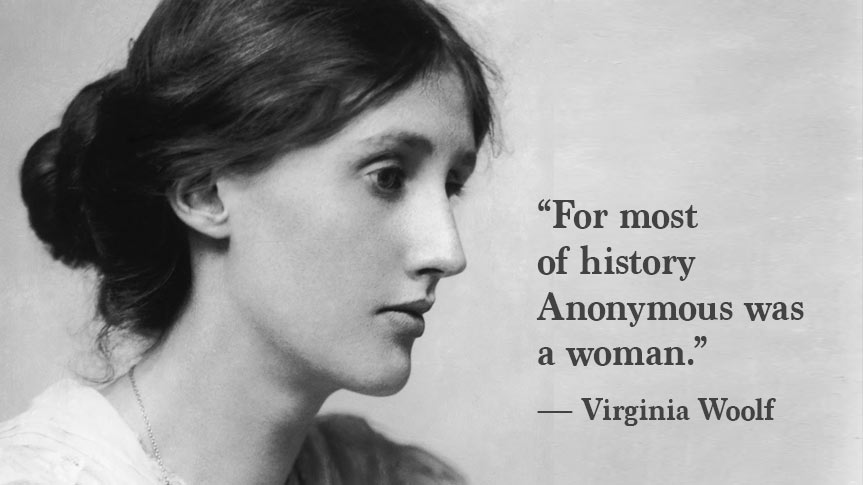 [Image Credit: Feminism and Religion]
In earlier centuries, anonymity was not always about hiding one’s identity. Many writers—men and women alike—published anonymously as a literary device.
Anonymous novels sometimes pretended to be real memoirs or personal histories, which made them feel more authentic to readers. Women writers used this technique both to protect themselves from criticism and to make their stories appear more believable.
For example, the first editions of Jane Austen’s novels—including Sense and Sensibility—were credited simply to ‘A Lady’. Likewise, Mary Shelley’s Frankenstein was initially published without her name, leading some readers to assume it had been written by her husband.
5. Early Women’s Novels Often Questioned Marriage
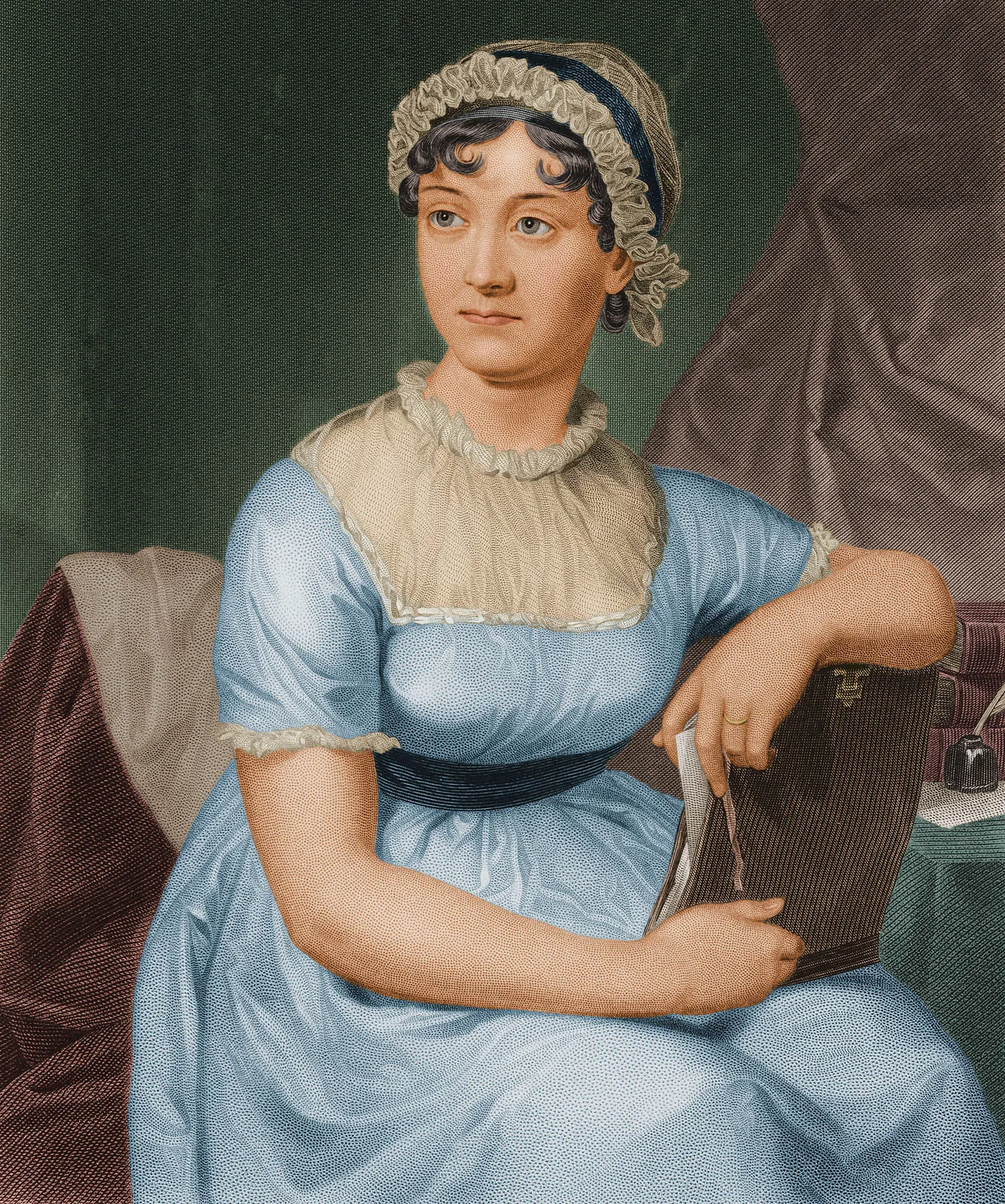 [Jane Austen. Image credit: Britannica]
Many eighteenth-century novels focused on courtship and marriage, but women writers often used these stories to explore deeper questions about independence and personal freedom.
Their heroines sometimes resisted traditional expectations, choosing intelligence, moral strength, or self-determination over simply securing a husband. For readers of the time, these subtle challenges to social norms could feel surprisingly radical.
A well-known example appears in the work of Jane Austen. In her novel Pride and Prejudice, the heroine Elizabeth Bennet rejects a financially advantageous proposal from Mr. Collins because she does not respect him. At the time, such a refusal could be seen as bold, since women were often expected to accept marriages that guaranteed economic stability.
6. Some Famous Books Were Written Incredibly Fast
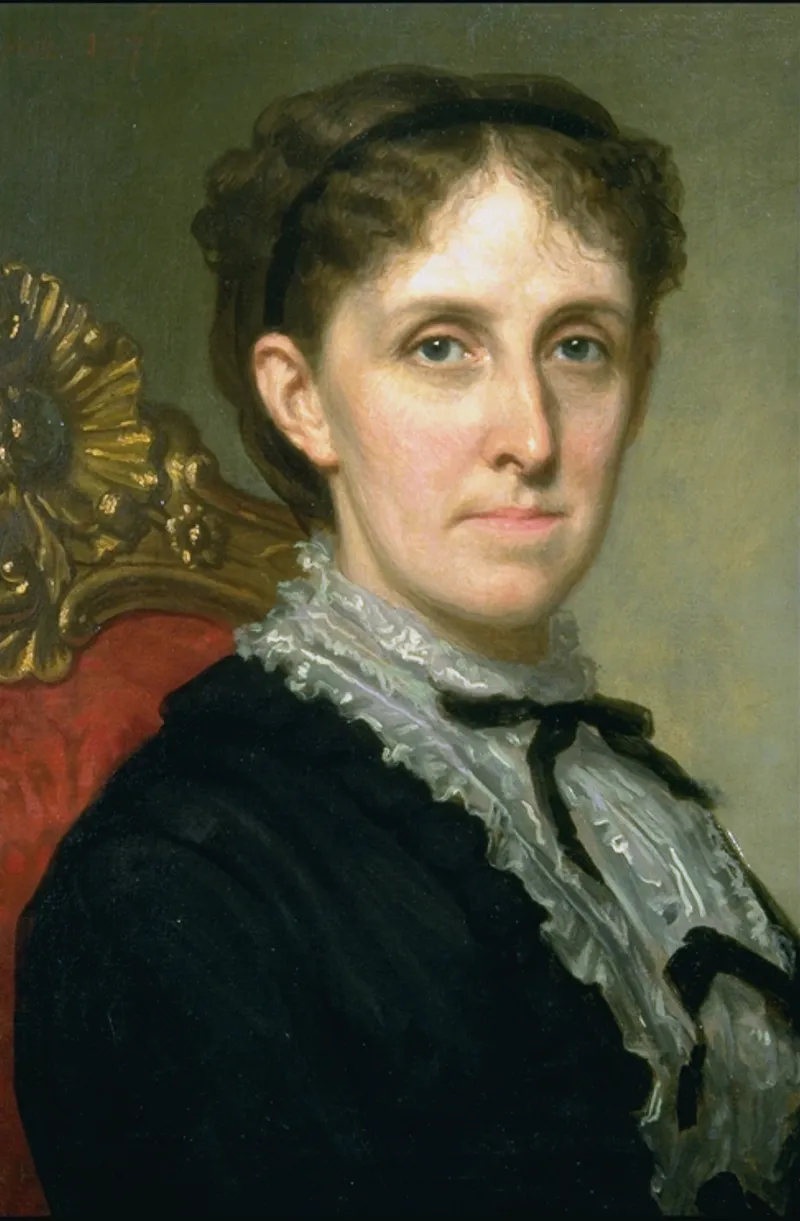 [Louisa May Alcott. Image credit: louisamayalcott.org]
The beloved novel Little Women by Louisa May Alcott was reportedly written in just three months.
Despite its quick creation, the novel became a timeless classic. Its portrayal of sisterhood, ambition, and growing up continues to resonate with readers around the world more than a century later.
7. Some Writers Took the Opposite Approach—Slow and Meticulous
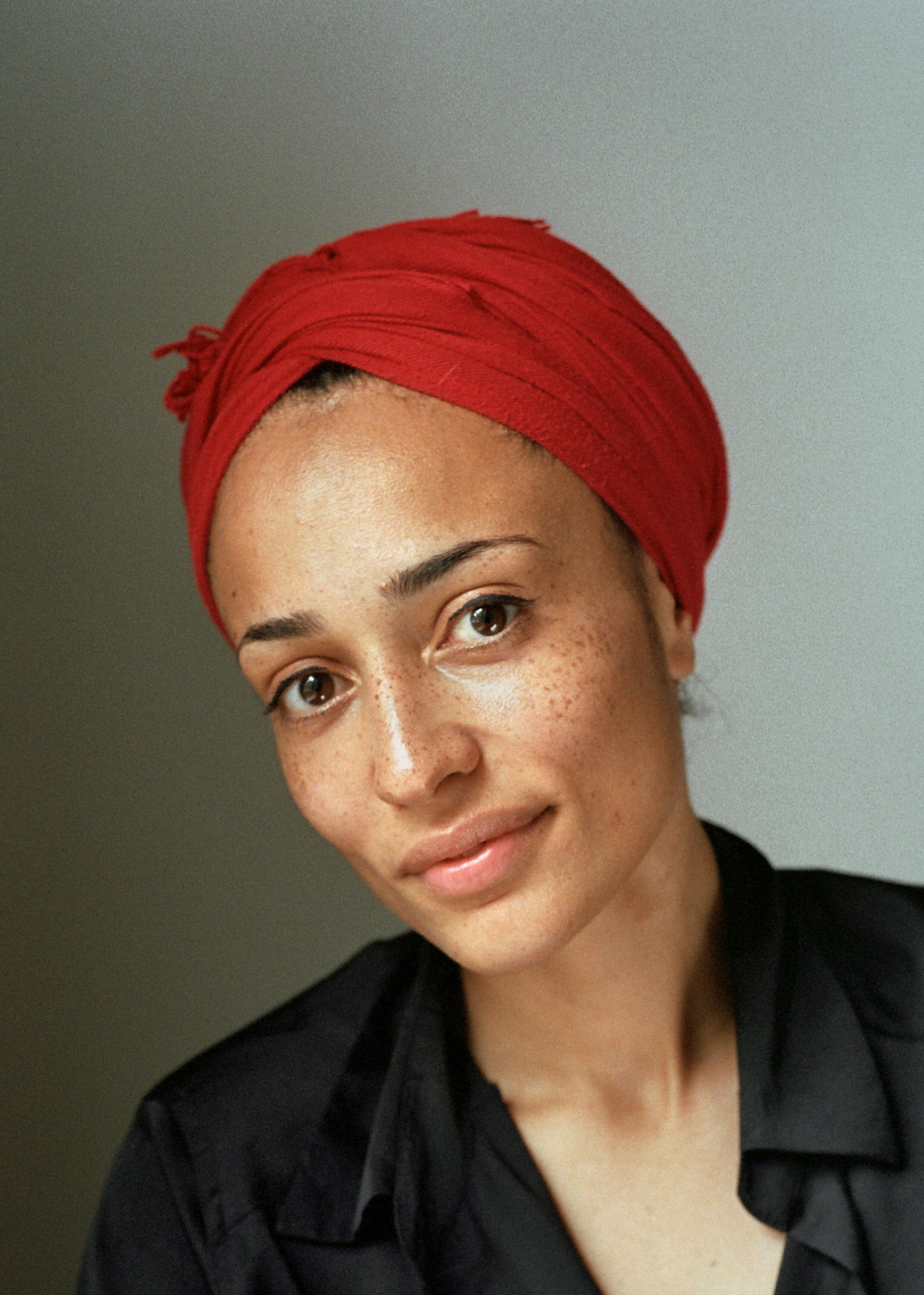 [Zadie Smith Image credit: theasylum.wordpress.com]
While some authors wrote quickly, others laboured over every page. Zadie Smith reportedly spent nearly two years writing the first twenty pages of her novel On Beauty.
The contrast between fast and slow writing processes shows that there is no single path to literary success.
8. One of the Most Influential Authors Started Writing Later in Life
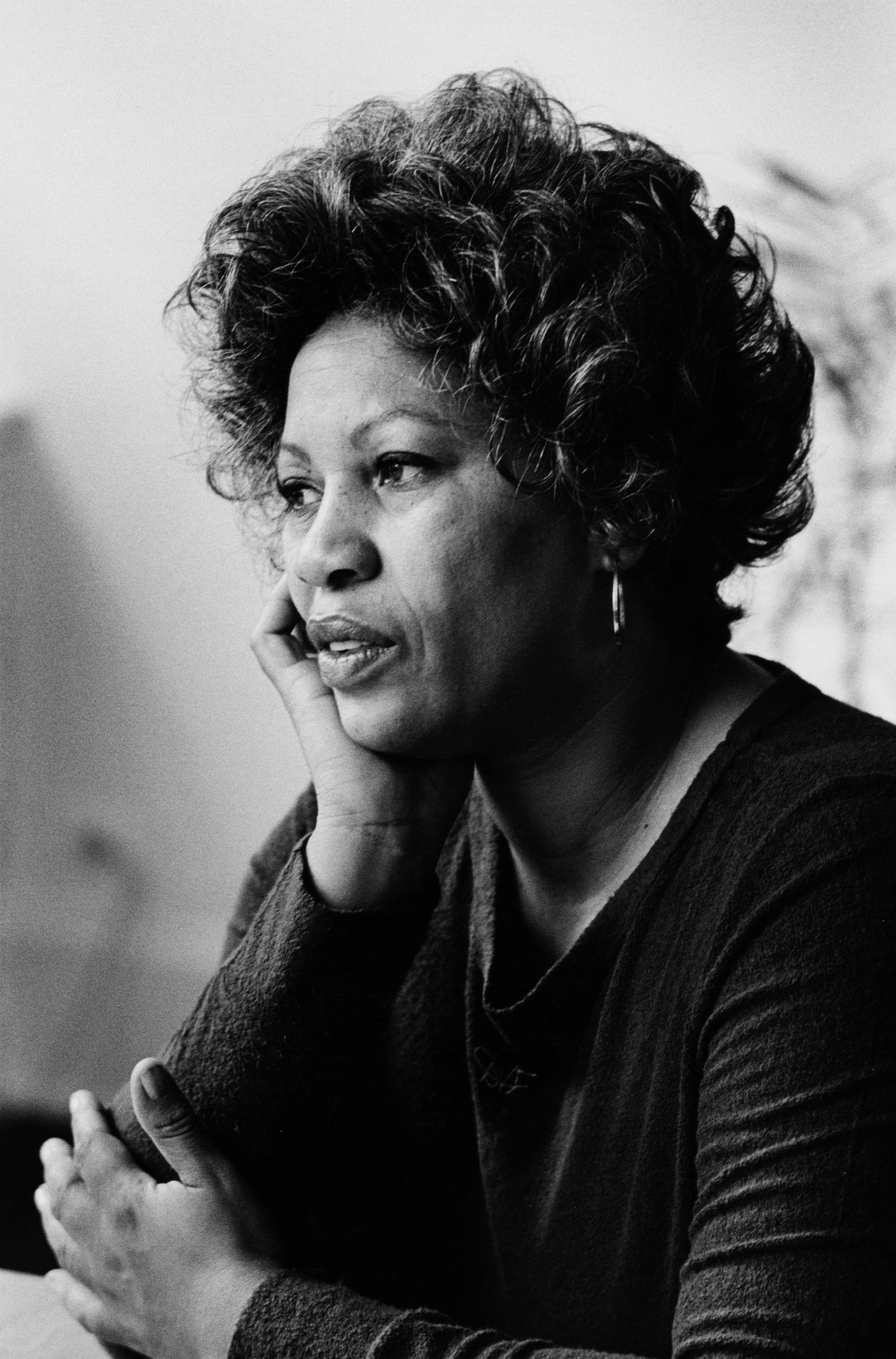 [Toni Morrison. Image credit: The New York Times]
Toni Morrison, one of the most celebrated writers of modern literature, did not begin writing seriously until her mid-thirties.
Her novels—known for their poetic language and exploration of Black history and identity—eventually earned her the Nobel Prize in Literature in 1993. Morrison’s journey proves that literary brilliance can emerge at any stage of life.
9. Some Women Authors Lived Extraordinary Lives Before Writing
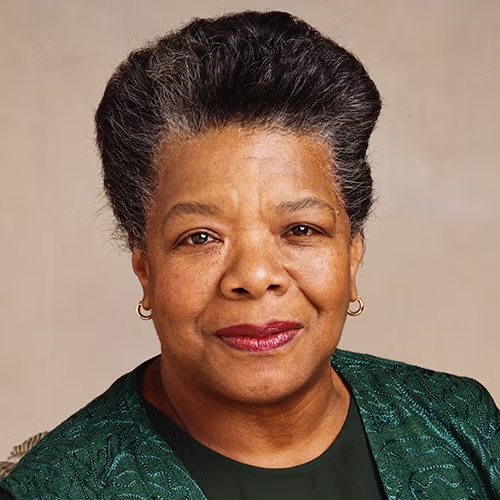 [Maya Angelou. Image credit: www.biography.com]
Before becoming a renowned author and poet, Maya Angelou worked in several professions, including becoming the first Black female streetcar conductor in San Francisco.
Her varied life experiences—from activism to performing arts—later shaped her powerful autobiographical writing.
10. Mary Shelley Conceived Frankenstein as a Teenager
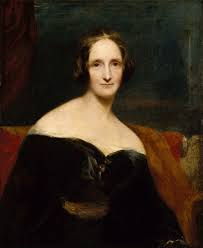 [Image credit: https://www.reddit.com/r/Weird/comments/1o79h3b/frankenstein_author_mary_shelley_kept_her/]
Mary Shelley came up with the idea for Frankenstein when she was just about 18 years old, during a ghost-story challenge with friends that included Lord Byron.
First published anonymously in 1818, the novel later became one of the earliest and most influential works of science fiction—an extraordinary achievement for such a young writer.
The Rule-Breakers Who Changed Literature
From publishing under male pseudonyms to shaping entire literary genres, women authors have always been rebels in their own quiet ways. They challenged expectations, experimented with storytelling, and insisted on writing—even when society discouraged them from doing so.
The result is a literary legacy filled with bold voices and groundbreaking stories. These writers did not simply contribute to literature—they transformed it.
And perhaps that is the most fascinating fact of all.
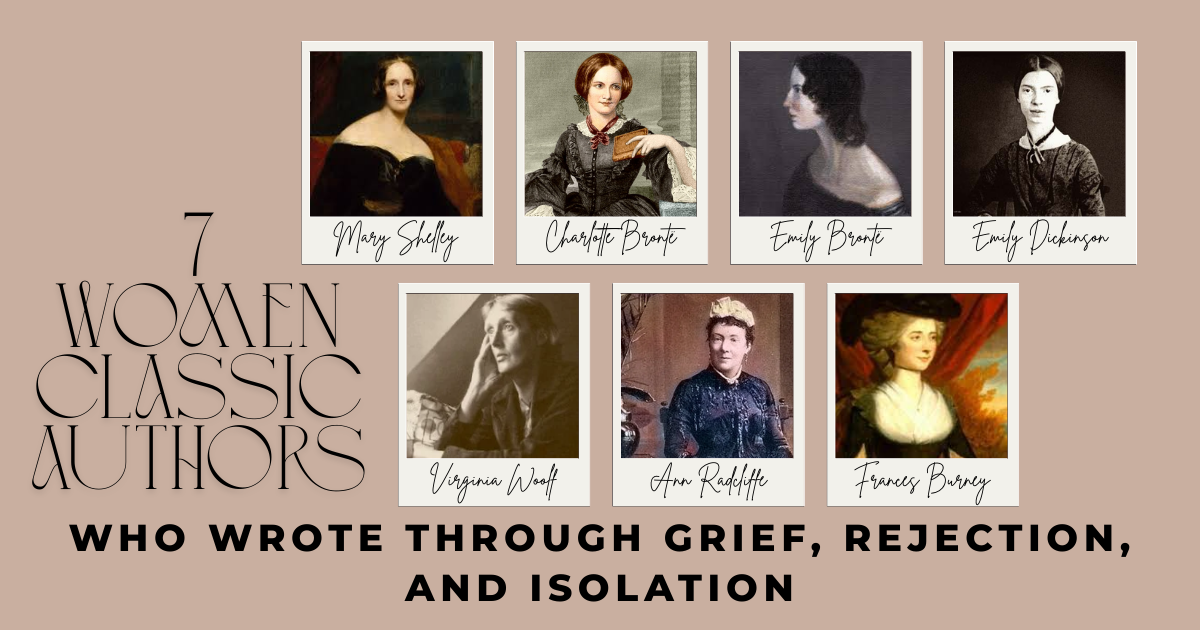
Your next read: 7 Women Classic Authors Who Wrote Through Grief, Rejection, and Isolation