

Parent Categories

Related blogs


Related Products


Related Books

Kafka to Dostoevsky: Classic Novels Left Unfinished
 Classic Novels Left Unfinished
We as humans like to see things completed: the projects we begin, the books we read, the albums we listen to, the journeys we take. There is something deeply satisfying about reaching the final page, the last track, the closing chapter. We expect stories to end, questions to be answered, and characters to find their way forward. But what happens to the unfinished stories?
Many classic authors we lost left behind manuscripts still in progress; stories yet to be told, endings yet to be written. We lost them to illnesses and accidents. And so, those characters were left suspended in time, their lives paused mid-sentence, their futures unknown.
In this blog, let’s see which classic novels stopped midway, yet continue to linger in literary history.
1. Jane Austen: The Watsons and Sanditon

Jane Austen left two unfinished novels, The Watsons and Sanditon, and one completed but never-published novel, Lady Susan. Both The Watsons and Sanditon show fascinating “what might have been” directions in Jane Austen’s writing beyond romance; one reflecting financial vulnerability and privileges, the other venturing into sharper social satire.
2. Charles Dickens: The Mystery of Edwin Drood
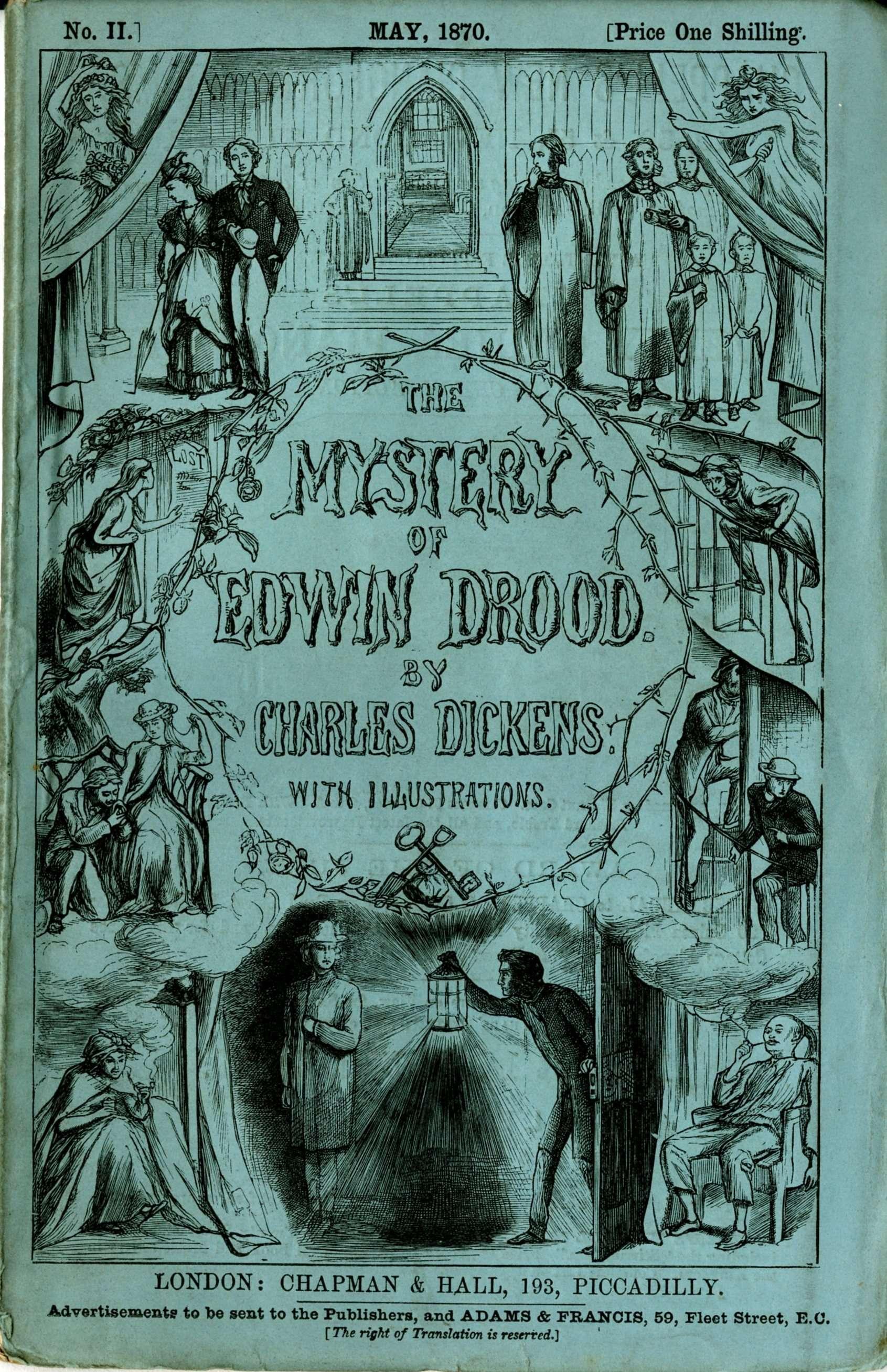
Charles Dickens’ death wasn’t a mystery, but what he left behind in his final work certainly was. In The Mystery of Edwin Drood, the protagonist, Edwin Drood, disappears under suspicious circumstances, with all fingers pointing toward his uncle, John Jasper. Dickens died suddenly in June 1870, leaving the novel incomplete, with no notes outlining the ending or confirming the truth behind the mystery.
3. Mary Wollstonecraft: Maria, or The Wrongs of Woman
Mary Wollstonecraft was up to her most radical feminist work, Maria, or The Wrongs of Woman, a sequel to her revolutionary political treatise A Vindication of the Rights of Woman. Due to complications after giving birth to Mary Shelley (the author who later gave us Frankenstein), she left the manuscript incomplete with multiple draft endings, but no final conclusion.
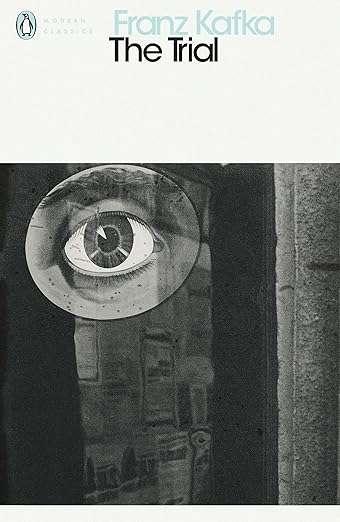
4. Franz Kafka: The Trial
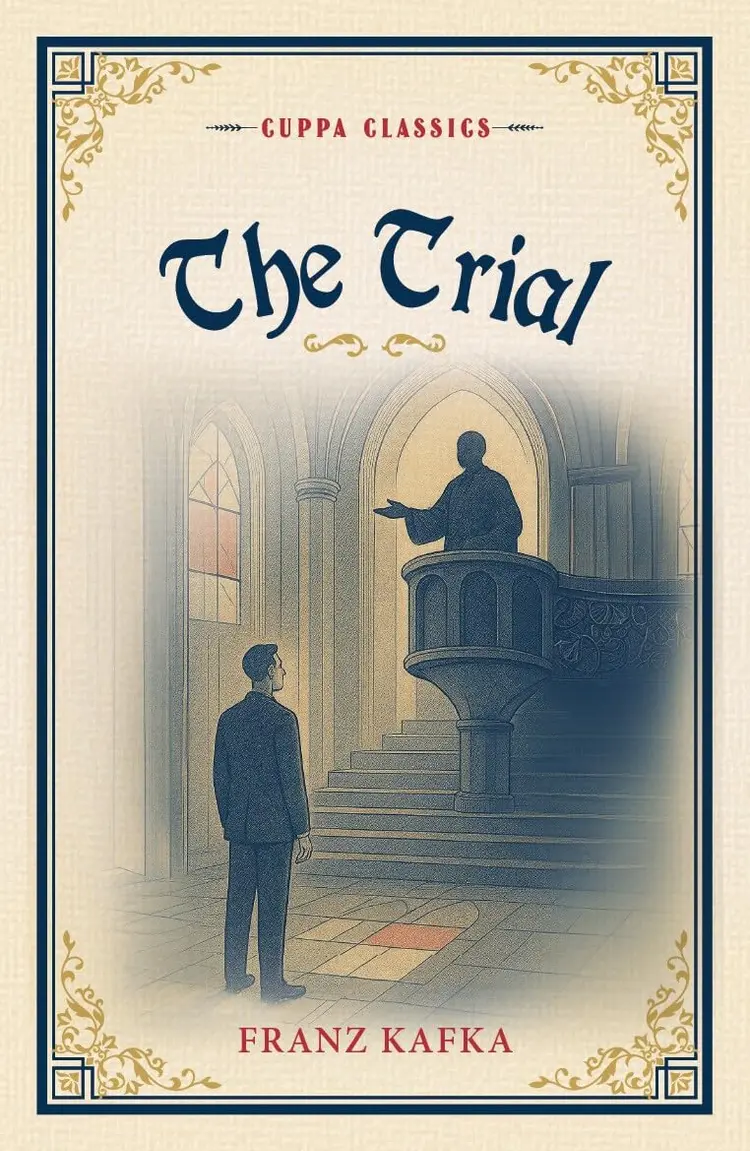
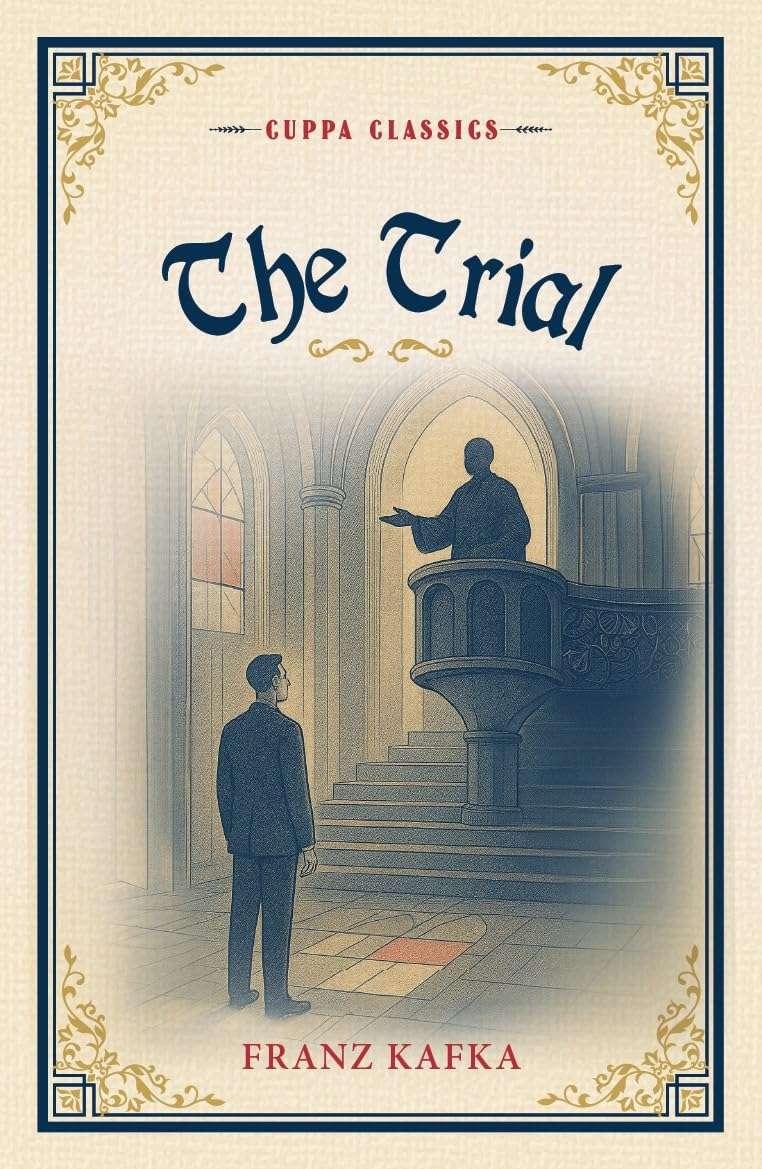
Published posthumously, The Trial is one of Kafka’s most haunting works, left unfinished in a way that deepens its unresolved tension. It follows Joseph K., an ordinary man who wakes to find himself accused of a crime he did not commit. Kafka died of tuberculosis in 1924 before completing it. The fragmented manuscript was later arranged and published in 1925 by his friend Max Brod.
5. F Scott Fitzgerald: The Last Tycoon
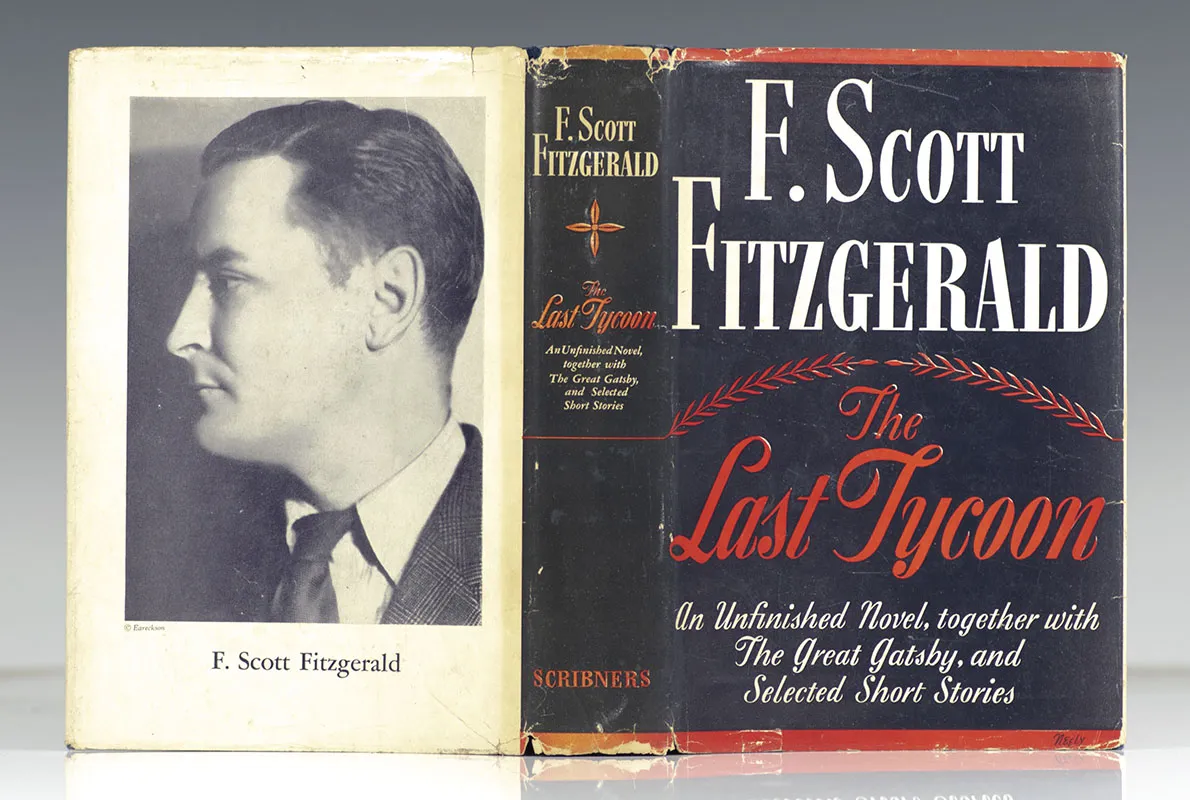 [Image Credit: Raptis Rare Books]
Assembled from drafts and notes of F Scott Fitzgerald after a heart attack, The Last Tycoon is a story of Monroe Stahr, a powerful and disciplined film producer inspired partly by real-life studio executive Irving Thalberg. Though incomplete, it is often regarded as one of his most mature and promising works—a final glimpse of the brilliance that defined his career.
6. Geoffrey Chaucer: The Canterbury Tales

Originally intended as a collection of a hundred tales from the perspectives of a group of pilgrims travelling to Canterbury, The Canterbury Tales is a vibrant snapshot of medieval life. Chaucer painted a rich and often satirical portrait of society through these stories. However, he completed only 24 tales before his death in 1400, leaving the grand storytelling journey unfinished.
7. Wilkie Collins: Blind Love
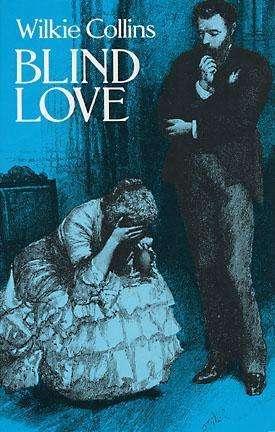
Wilkie Collins' sudden death left his final novel, Blind Love, incomplete. It is the only book on this list that was later completed based on the author’s detailed plans by novelist Sir Walter Besant. Set during the Irish Land War, Iris Henley, an independent young woman in the novel, marries a member of an Irish secret society, and soon finds herself unhappily drawn into a dangerous conspiracy.
Also read: How Wilkie Collins Invented the Psychological Thriller—And Why We’re Still Living in His World
8. Robert Louis Stevenson: Weir of Hermiston

Stevenson's sudden death in 1894 from a cerebral haemorrhage cut short the ending to what is
hailed as his potential masterpiece. Weir of Hermiston is set in 18th-century Scotland and centres on a character named Archie Weir and his intense relationship with his father, transitioning to the story of newfound love on his retreat to the countryside.
9. Herman Melville: Billy Budd, Sailor
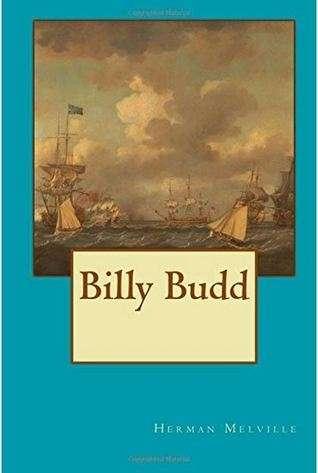
Melville had begun writing the original version of Billy Budd, Sailor in November 1888, but left it unfinished and completely disordered at his death in 1891. Posthumously published, this sea adventure classic tells the story of a young, innocent sailor named Billy Budd who unintentionally murders his false accuser.
10. Vladimir Nabokov: The Original of Laura
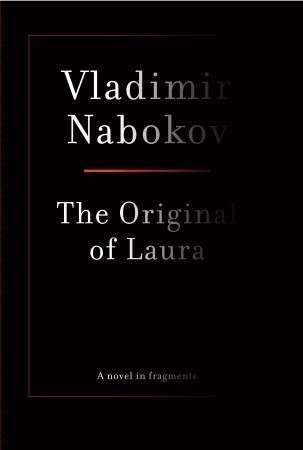
Published three decades after his death, The Original of Laura was assembled from 138 handwritten index cards Vladimir Nabokov had instructed his heirs to burn in 1977. His wife, Vera, could not destroy the manuscript, and the decision later fell to his son, Dmitri, who ultimately chose to publish it in 2009. The fragmentary novel centres on Philip Wild, an ageing scholar obsessed with self-erasure, and his unfaithful young wife, revealing last flashes of Nabokov’s brilliance rather than a finished conclusion.
11. Ernest Hemingway: The Garden of Eden
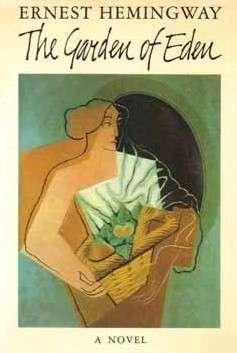
Ernest Hemingway began writing The Garden of Eden long before he completed his other classics. He laboured over the manuscript for 15 years, and it was published long after his death. Unlike his usual style, the novel explores gender fluidity and shifting identities, as young writer David Bourne and his wife Catherine become romantically involved with the same woman during their honeymoon.
12. Albert Camus: The First Man
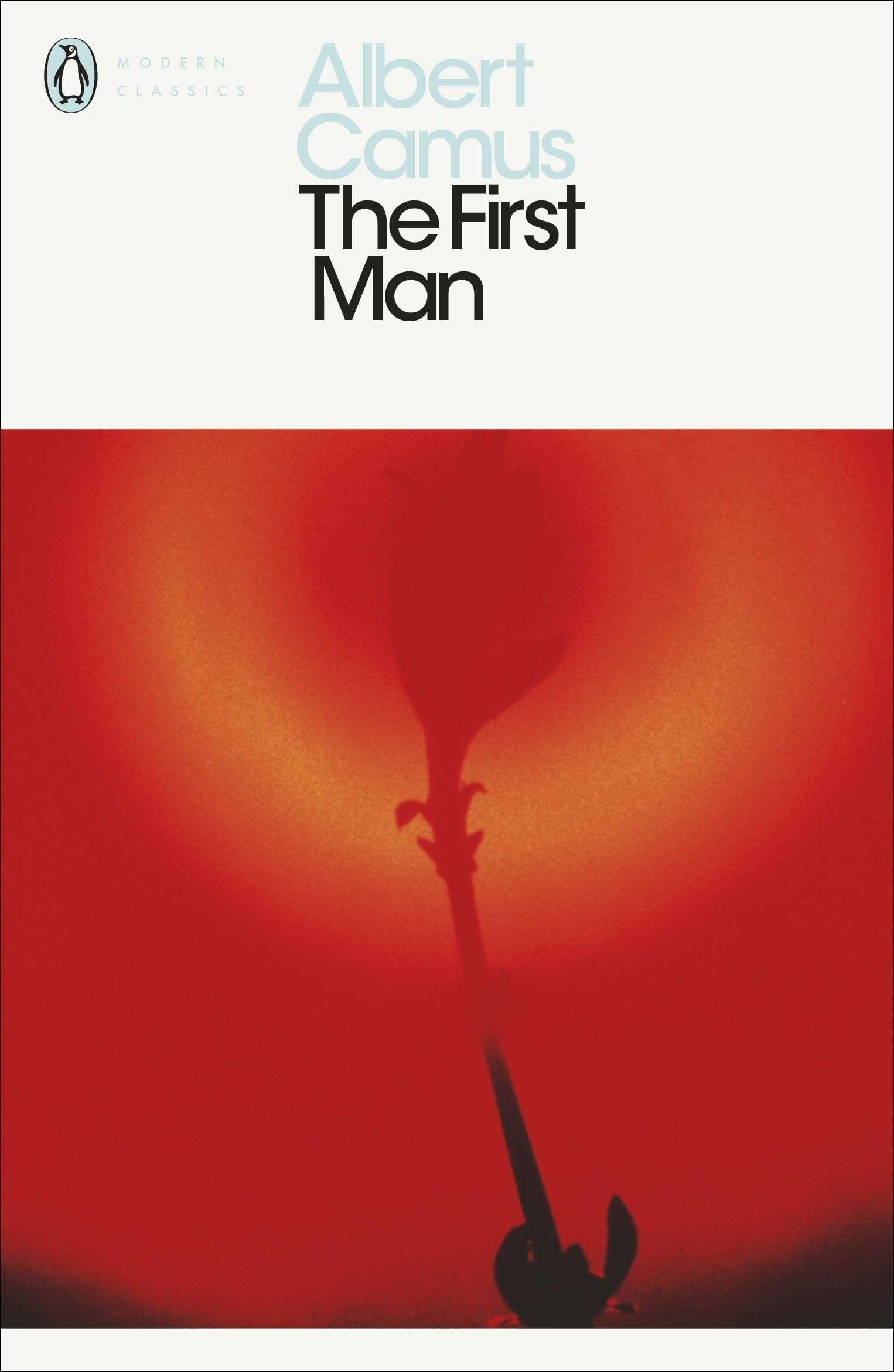
Albert Camus died in a car accident in 1960, and the unfinished manuscript of The First Man was found in the same wrecked car. Heavily autobiographical, it revolves around Jacques Cormery, who survives a poverty-stricken childhood in Algiers due to his love for his silent and illiterate mother, and by the teacher who transforms his understanding of his world.
13. Fyodor Dostoevsky: Netochka Nezvanova

Netochka Nezvanova is an unfinished novel by Fyodor Dostoevsky, originally intended to serve as a prologue to a larger work. It tells the psyche of Netochka, a sensitive young girl who encounters social complexities after the loss of her delusional stepfather and her mother, eventually finding herself in a wealthy household. Dostoevsky left it unfinished after his arrest and exile to Siberia in 1849.
14. Shirley Jackson: Come Along With Me
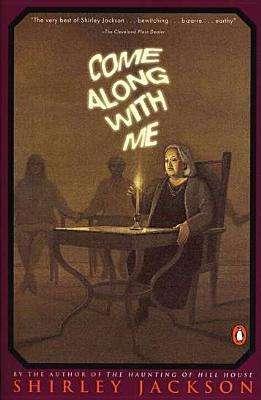
Come Along With Me is a posthumous collection of works published by her husband three years after her death. It includes the unfinished titular novel she was working on at the time, along with three lectures and sixteen short stories, mostly in the gothic genre. Among them is Jackson’s best-known work, The Lottery.
15. EM Forster: Arctic Summer

Arctic Summer is an unfinished (later abandoned) novel by EM Forster, worked on intermittently between 1912 and 1913. Much like Forster’s other works, it explores themes of personal connection, social convention, and the quiet tensions beneath polite society — with particular focus on same-sex attraction. It remained unpublished until 1980, a decade after his death.
The Stories That Continue Without an Ending
While these stories may never have found their intended fate, they continue to touch hearts and pique the curiosity of those who cherish the timelessness of these authors and their works. Even without a final chapter, these classic novels have reached generations of readers, carrying forward the legacy of their creators.
If you are fascinated by stories left mid-sentence, this comprehensive list is one you can return to time and again as a reminder that not every great story needs an ending to endure.
Till the next time, keep reading classics!
Your next read: Wuthering Heights: A Beginner’s Reading Guide Before the Margot Robbie-Jacob Elordi Film