
Parent Categories


Related Books

Satire Under the Mistletoe: When Classic Authors Roast Christmas
 Red Green Elegant Festive Ribbon Wreath Garland Christmas Placemat
'Tis the season again—to pull on fussy socks, wrap yourself in cosy blankets, sip a warm cuppa, and slip into that timeless festive spirit. Or perhaps to socialise with family and friends for a snug holiday gathering. That’s the classic way of doing Christmas… right?
But some classic authors looked at all that and essentially said: Absolutely not. They chose instead to roast the rituals, skewer the expectations, and poke at the societal loopholes baked into the holiday.
And whenever classic authors rebel, we can’t help but be intrigued. So in this blog, we went digging for the classic works where satire and Christmas—two seemingly unrelated, almost contradictory forces—collide to make the season feel more grounded, more perspective-shifting, and a whole lot more interesting.
So, grab your cuppa… and let’s begin!
1. A Christmas Carol by Charles Dickens
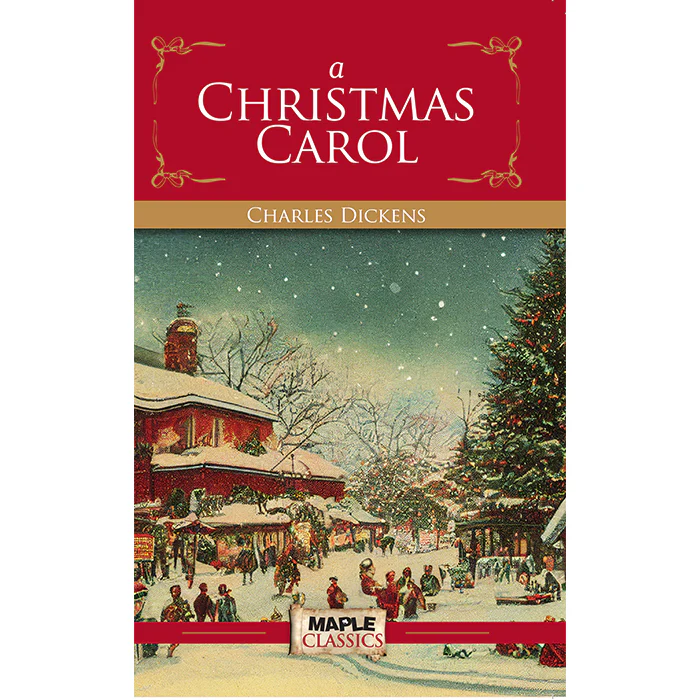
Satire or not, A Christmas Carol by Charles Dickens is almost universally loved as a Christmas classic. But what’s so satirical about it?
Dickens certainly uses satirical edges to critique Victorian society. The story’s cosy sentiment often hides how sharp his commentary is. Scrooge, exaggerated to the point of caricature, embodies the era’s cold obsession with wealth and productivity—Victorian capitalism made almost comedic.
So, is it satire? Yes—just softened with warmth. Dickens uses humour and exaggeration not to sneer, but to spark empathy, compassion, and social awareness. It’s satire with a soul: meant to shift perspectives while making you laugh.
2. The Gift of the Magi by O Henry
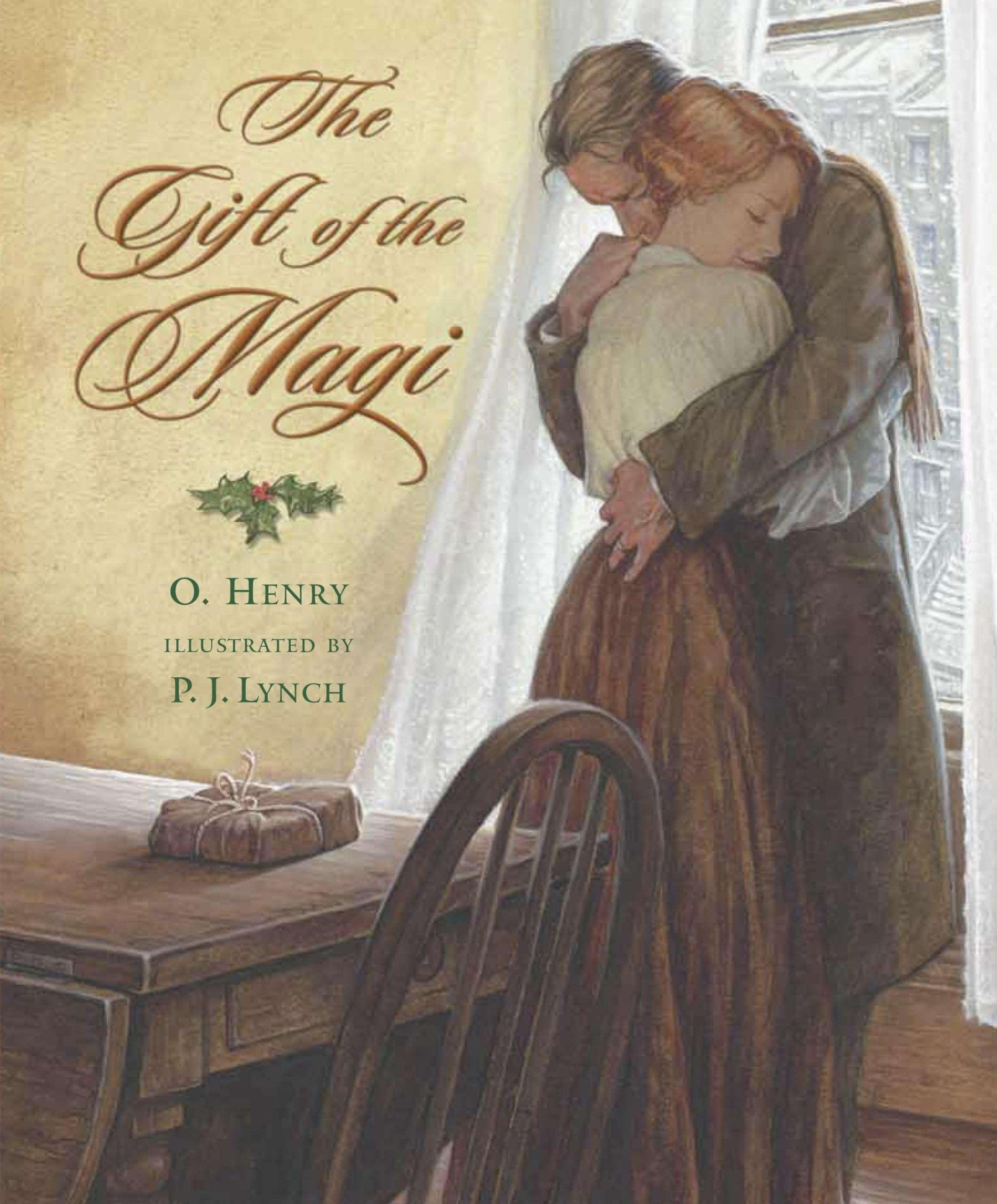
This beloved classic is more rooted in irony and gentle satire than it appears. Classic author O Henry takes the sweet, sentimental essence of Christmas giving and wraps it in a brilliant twist of situational irony. Della and Jim each sacrifice their most prized possession to buy a gift for the other—only to discover that their gifts now serve no practical purpose.
It’s tender, yes, but also a sly commentary on the pressures of holiday gift-giving and the misplaced value society often places on material presents. O Henry lightly satirises the idea that love must be proven through buying the “perfect” gift, revealing instead that the real treasure is the devotion behind the gesture.
3. How the Grinch Stole Christmas! by Dr Seuss
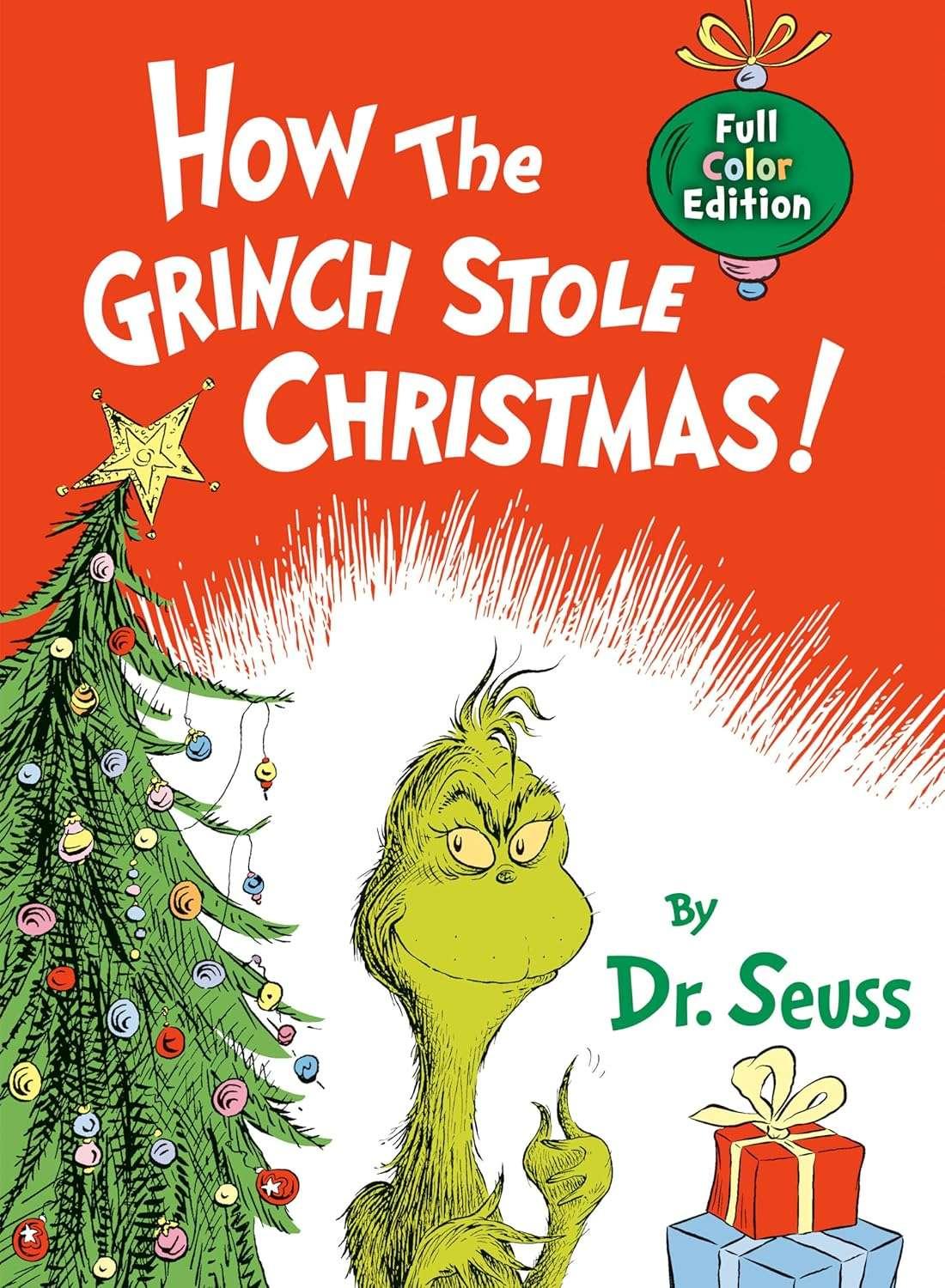
You can’t think of Christmas satire without this one. Dr Seuss’s How the Grinch Stole Christmas! is bold, bright, and delightfully in-your-face about calling out the materialism wrapped around the holiday season. Though whimsical on the surface, the story is a clear critique of how Christmas had become tangled in presents, decorations, and commercial frenzy.
The Grinch’s attempt to “steal” Christmas exposes the absurdity of equating joy with stuff, while the Whos reveal the truth: the season’s real magic lies in love, connection, and community—none of which can be packed into a box.
4. The Christmas Tree and the Wedding by Fyodor Dostoevsky
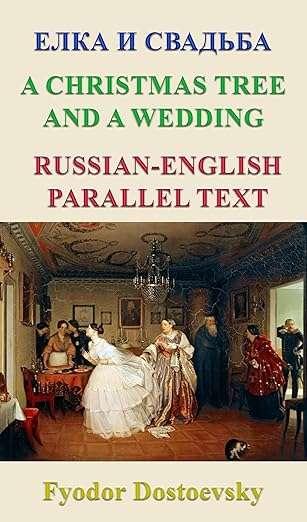
The Christmas Tree and the Wedding is a short story by Fyodor Dostoevsky that intentionally moves away from the usual warmth of the holiday season. Told by an unnamed narrator, it recalls a children’s Christmas party he witnessed years earlier, where a wealthy, grotesque man showed an unsettling interest in the host’s young daughter. Dostoevsky also exposes the social inequality woven into the Christmas ritual: the finest presents are reserved for the children of the wealthiest guests, while the poorer children receive whatever is left
Years later, the narrator sees this same man marrying the girl, whose resigned sadness reveals a marriage of convenience rather than choice. A haunting tale with no redemption, it exposes social inequality, transactional marriage, and the moral decay masked by festive cheer—Dostoevsky at his sharpest.
Also read: Reading Dostoevsky in 2025: Why His Characters Still Speak to Our Inner Chaos
5. The Fir-Tree by Hans Christian Andersen

The Fir-Tree by Hans Christian Andersen is a subtle satire on the highs and hopes tied to Christmas. Andersen humanises a young fir tree that spends its life yearning for more—wanting to grow taller, travel the seas as a ship’s mast, or simply become something grander than it is.
One Christmas, it is cut down, taken into a lavish drawing room, and adorned with ornaments. For a single magical night, it becomes the centre of attention and believes an even brighter future awaits. But the joy is short-lived, and the tree soon discovers that its moment of glory was fleeting—a bittersweet reminder of misplaced hopes and the cost of longing.
6. The Chimes by Charles Dickens
We opened this list with Charles Dickens in a gentler mood, but we’re closing with one of his darker, more politically charged Christmas works. The second book in his Christmas series, The Chimes, trades warm sentiment for a sharp, unapologetic critique of Victorian society.
The story follows Toby “Trotty” Veck, a hardworking porter who is constantly told—by politicians, wealthy benefactors, and self-important public figures—that people like him are the root of society’s problems. Through supernatural intervention from the spirits of the Chimes, Trotty is shown a bleak, cautionary future shaped by inequality, cruelty, and the chilling indifference of the elite.
This makes Chimes a powerful, satirical wake-up call wrapped in a Christmas tale.
What Satire Teaches Us About the Spirit of the Season
Many people shy away from satire or social commentary around Christmas, fearing it might “kill the Christmas vibe.” But there’s a lingering question we all face at some point: Is Christmas really just about the highs & the festivities? And what happens when our own lives don’t match the glossy ideal of a “perfect” holiday?
That’s where satire in classics shines. Through humour, irony, and sharp critique, they remind us that Christmas isn’t defined by grand gestures, overflowing feasts, or flawless celebrations. Instead, they highlight compassion, generosity, community, reflection, and the small, sincere acts that carry real meaning.
Satire and social commentary strip away the excess and expose the heart of the holiday—showing that even flawed people, imperfect situations, and less-than-magical seasons can hold profound warmth. These stories make the season feel more honest, grounded, and human. And in doing so, classic authors make it even more wholesome and heartfelt—reminding us that the true spirit of Christmas isn’t about perfection, but perspective.
Your next read: Plot Twist: 10 Surprising Facts About Classic Authors