

Parent Categories

Related blogs

Related Products



Related Books
Reading Black History Month Through These Masterpieces of Classic Literature
 Reading Black History Month Reads
Black History Month invites us to do more than remember—it asks us to read closely. To sit with stories that carry the weight of erased histories, fractured identities, and enduring resistance. Classic Black literature does not simply document the past; it interrogates it, mourns it, and reshapes it through language.
These books span continents, centuries, and forms—novels, memoirs, speeches, and essays—but together they create a powerful literary archive of Black life, struggle, and imagination.
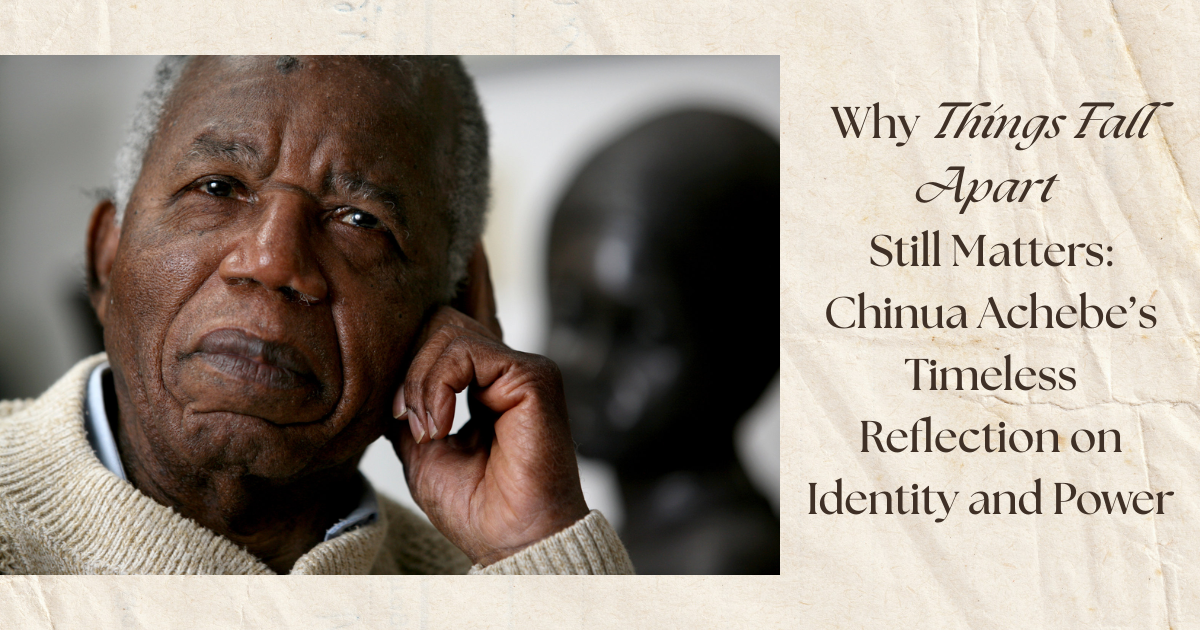
Also read: Why Things Fall Apart Still Matters: Chinua Achebe’s Timeless Reflection on Identity and Power
Things Fall Apart by Chinua Achebe
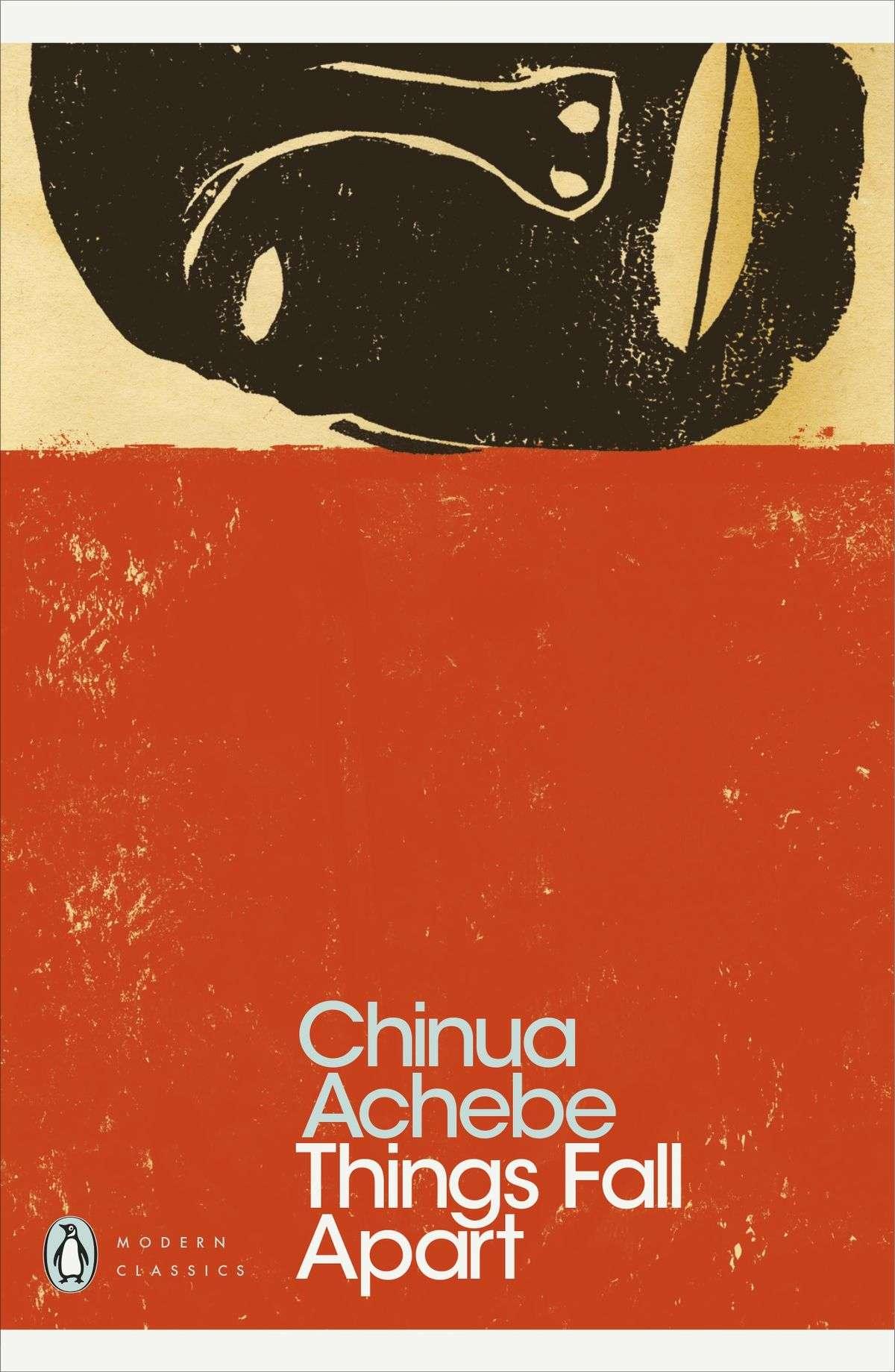
Achebe’s Things Fall Apart is revolutionary precisely because of its quiet authority. By centering Igbo life before and during colonisation, Achebe restores dignity and complexity to African societies long misrepresented by Western literature. Customs, kinship systems, rituals, and oral traditions are rendered with care, not romanticism.
Okonkwo’s tragic arc mirrors the violent disruption of colonial rule, but the novel resists easy binaries of good and evil. Achebe shows how colonialism fractures not just societies, but individual identities. Reading this during Black History Month reminds us that Black history did not begin with enslavement—it existed, flourished, and was forcibly interrupted.
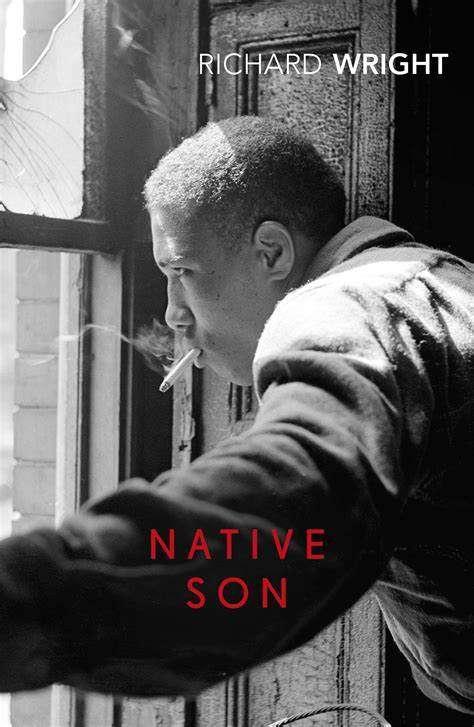
Native Son by Richard Wright
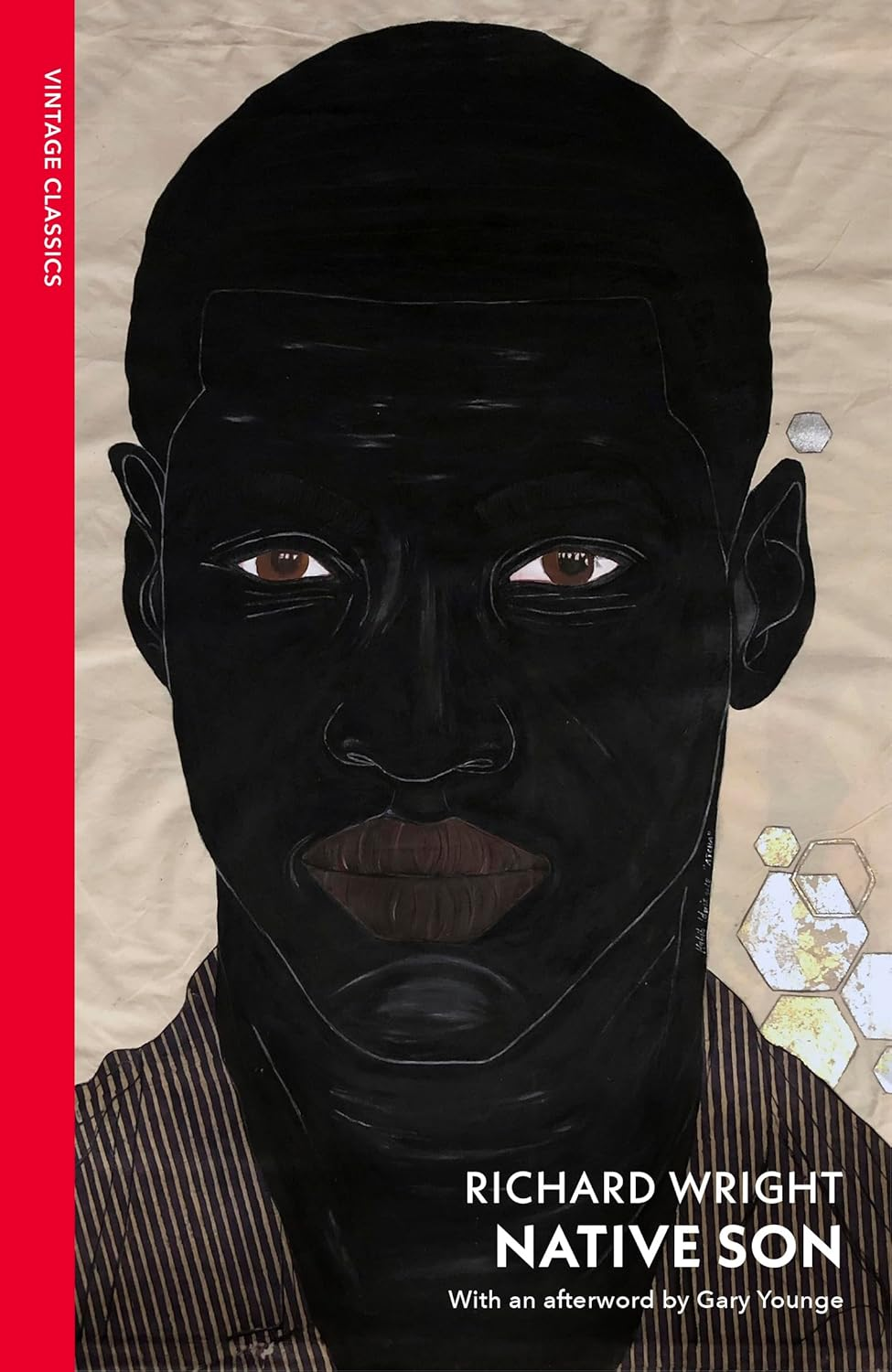
Native Son is relentless, claustrophobic, and deliberately unsettling. Bigger Thomas is not written to be likeable—he is written to be understood. Wright exposes how systemic racism manufactures fear, anger, and inevitability, trapping Black men in narratives written long before they act.
The novel forces readers to confront uncomfortable questions: What happens when society denies someone humanity at every turn? How much agency exists inside oppression? Wright’s work remains essential because it refuses moral comfort—and insists that racism is not just personal prejudice, but a structure with lethal consequences.
Beloved by Toni Morrison
In Beloved, Toni Morrison writes against historical silence. Rather than recount slavery as a series of events, she explores its psychological afterlife—the memories that refuse burial, the love that becomes unbearable, the trauma passed down through generations.
The ghost at the centre of the novel is both literal and symbolic: a reminder that history haunts those who survive it. Morrison’s nonlinear, poetic style mirrors the fragmentation caused by slavery itself. This is Black history written not as record, but as reckoning—demanding emotional engagement, not detached sympathy.
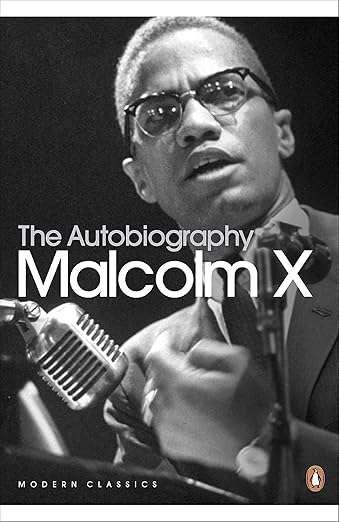
The Autobiography of Malcolm X by Malcolm X & Alex Haley
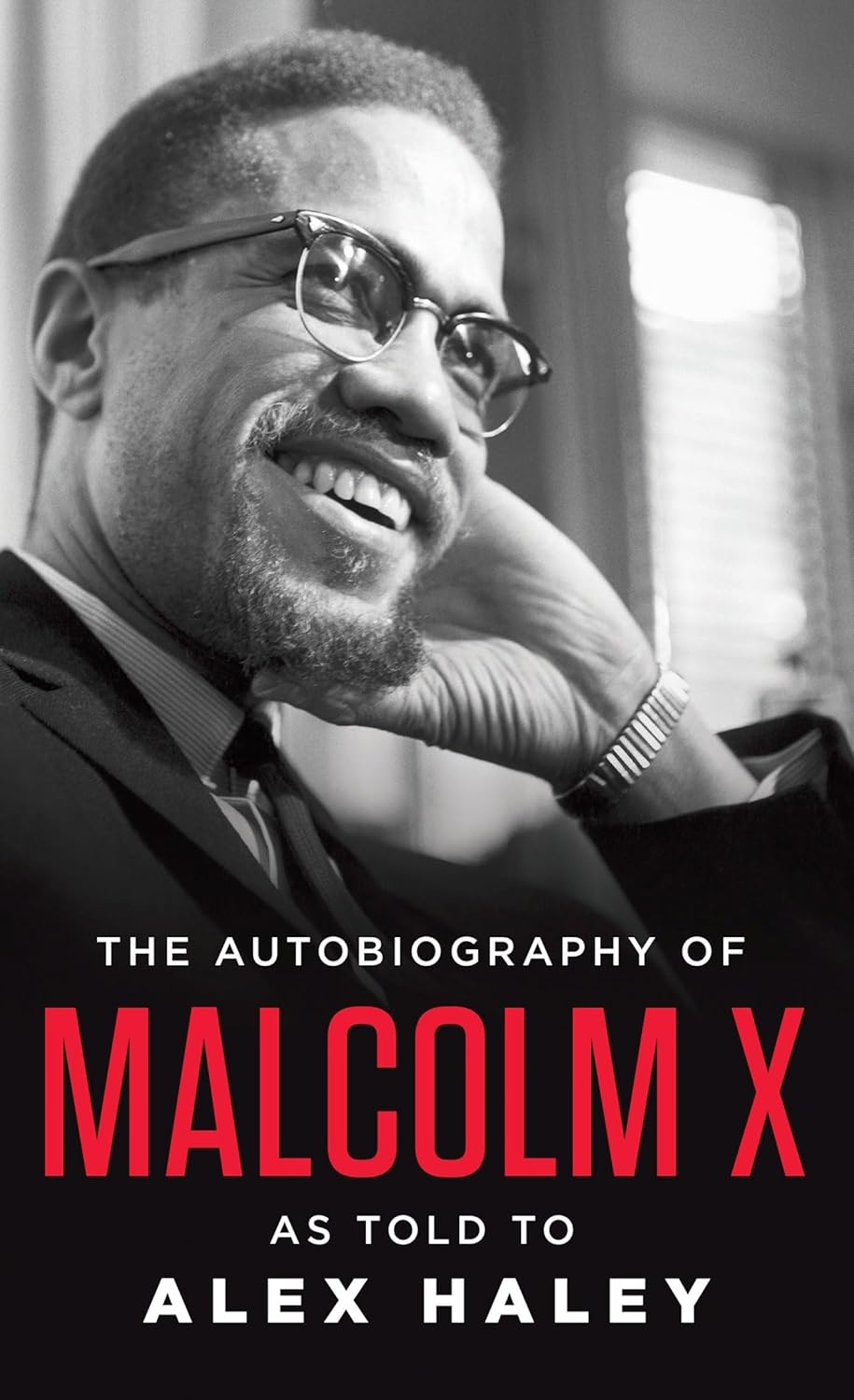
This autobiography charts one of the most dramatic transformations in modern political history. Malcolm X’s journey—from street hustler to Nation of Islam minister to independent global thinker—reveals the power of education, self-discipline, and ideological evolution.
What makes this book vital to Black History Month is its refusal to sanitise anger. Malcolm X articulates rage as a rational response to injustice, while also demonstrating the courage to revise one’s beliefs. His life story underscores that Black history is not static—it is shaped by debate, growth, and hard-earned self-awareness.
Giovanni’s Room by James Baldwin
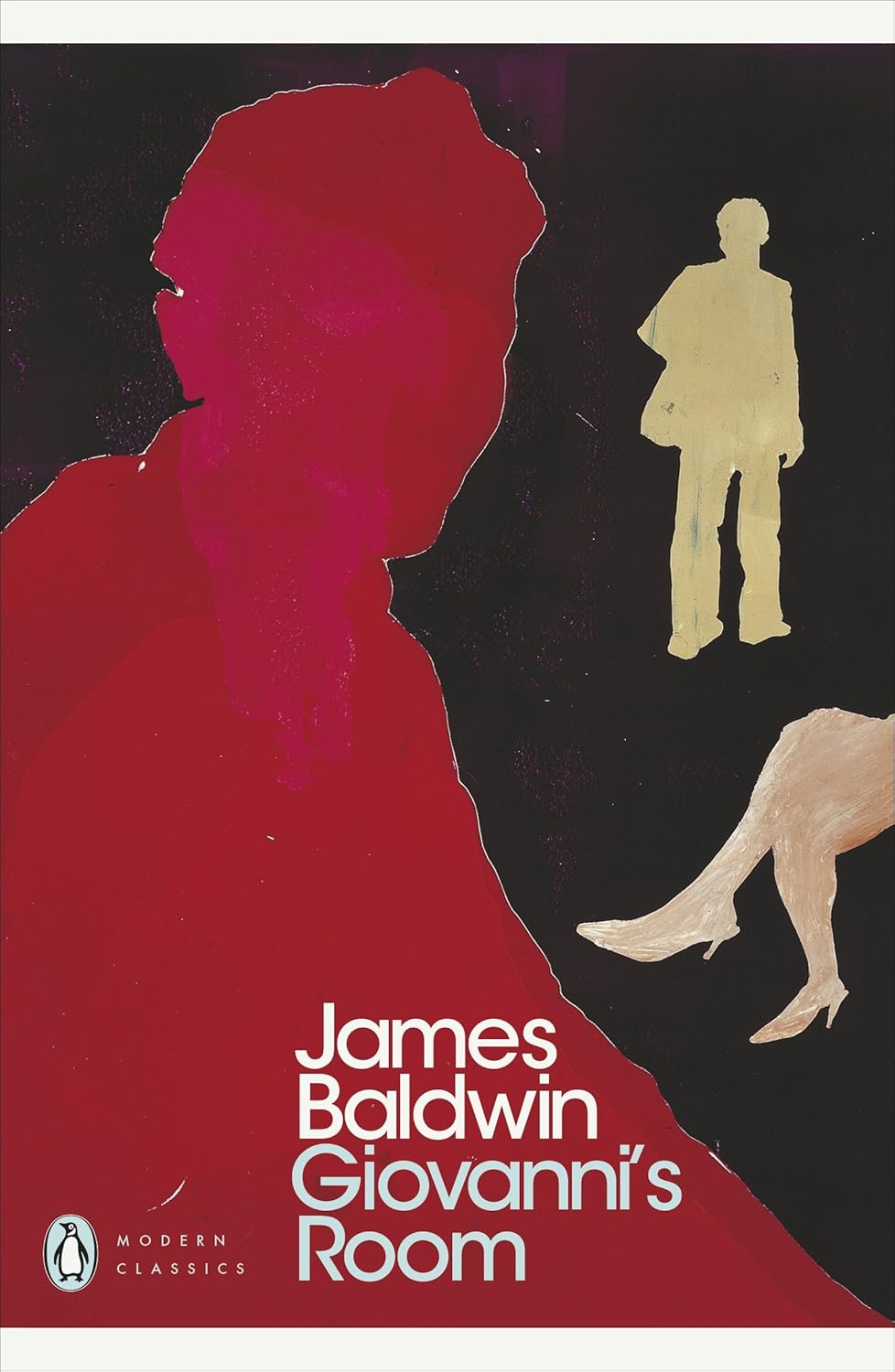
Though race is not overtly foregrounded in Giovanni’s Room, James Baldwin’s exploration of exile, desire, and shame is deeply connected to his experience as a Black man navigating a hostile world. By setting the novel in Paris and focusing on queer identity, Baldwin examines what it means to live outside prescribed categories.
The novel challenges the idea that Black literature must only address race directly. Baldwin insists on emotional and moral complexity, reminding us that Black history also includes interior lives—longings, contradictions, and silences that defy expectation.
The Color Purple by Alice Walker
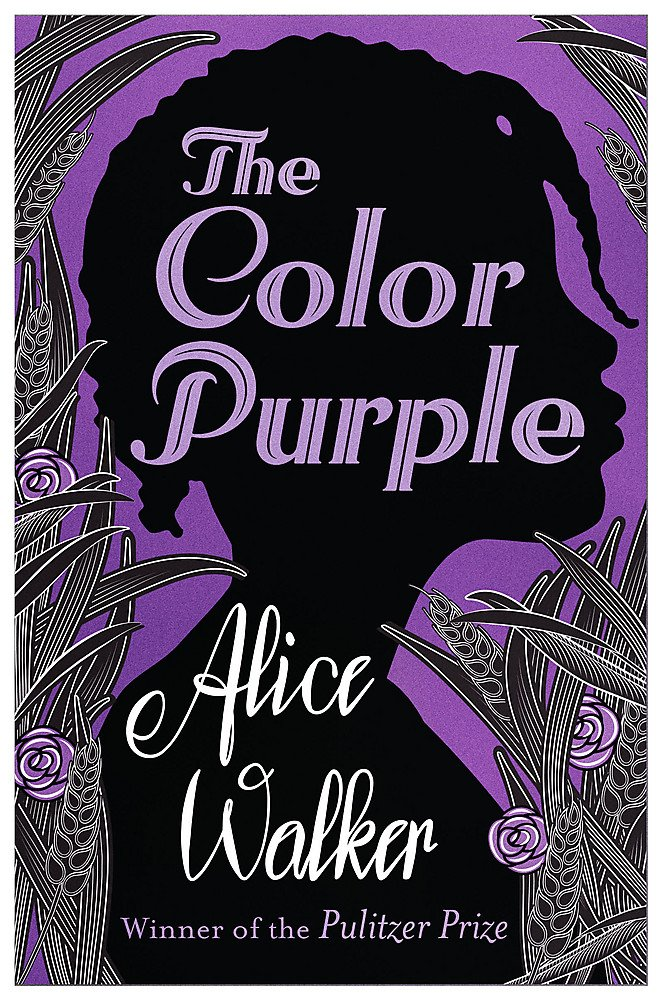
Alice Walker’s The Color Purple centres Black women’s voices with radical tenderness. Through Celie’s letters, readers witness the compounded oppressions of racism, sexism, and poverty—and the slow, transformative power of love and community.
Walker refuses narratives of passive suffering. Celie’s journey toward self-worth, sexual autonomy, and spiritual awakening reframes survival as a form of resistance. This novel is essential to Black history because it records lives often left out of grand political narratives, insisting that personal liberation is deeply political.
I Know Why the Caged Bird Sings by Maya Angelou
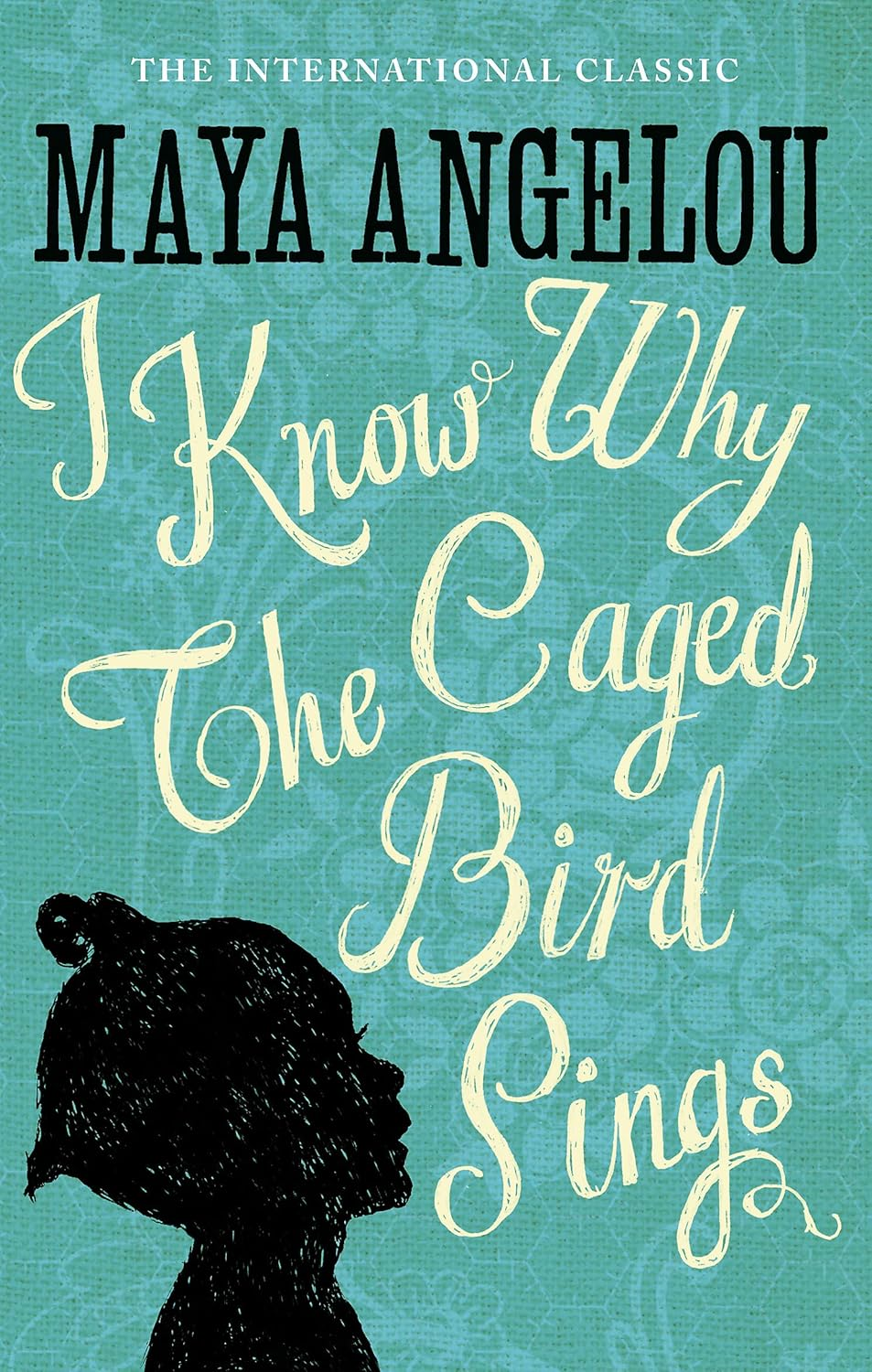
Angelou’s memoir captures the vulnerability of childhood shaped by racial violence and silence. Her clear-eyed prose recounts trauma without sensationalism, offering instead a testament to endurance and self-expression.
The metaphor of the caged bird speaks to restricted Black lives under segregation—but also to the insistence on voice despite confinement. Angelou’s work affirms that storytelling itself can be an act of freedom, making personal memory a crucial part of collective history.
James by Percival Everett
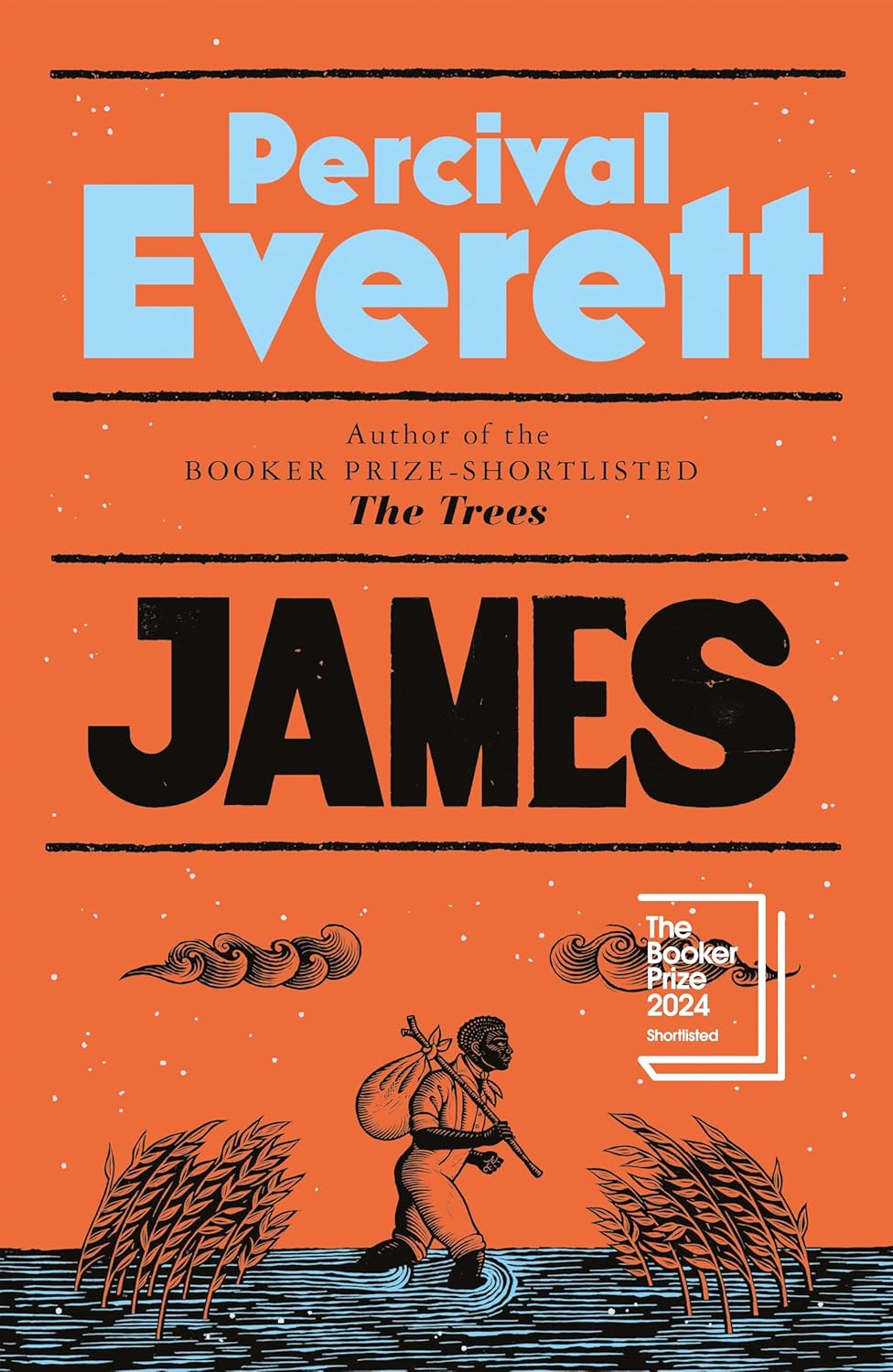
With James, Percival Everett performs a bold literary correction. By retelling Huckleberry Finn from Jim’s perspective, he exposes how Black characters have historically been denied interiority—even in beloved classics.
Everett gives Jim intellect, irony, fear, and moral clarity, challenging readers to reconsider whose stories have been privileged and whose have been muted. This novel speaks powerfully to Black History Month’s contemporary relevance: history must not only be remembered, but re-examined and rewritten.
Ain’t I a Woman by Sojourner Truth
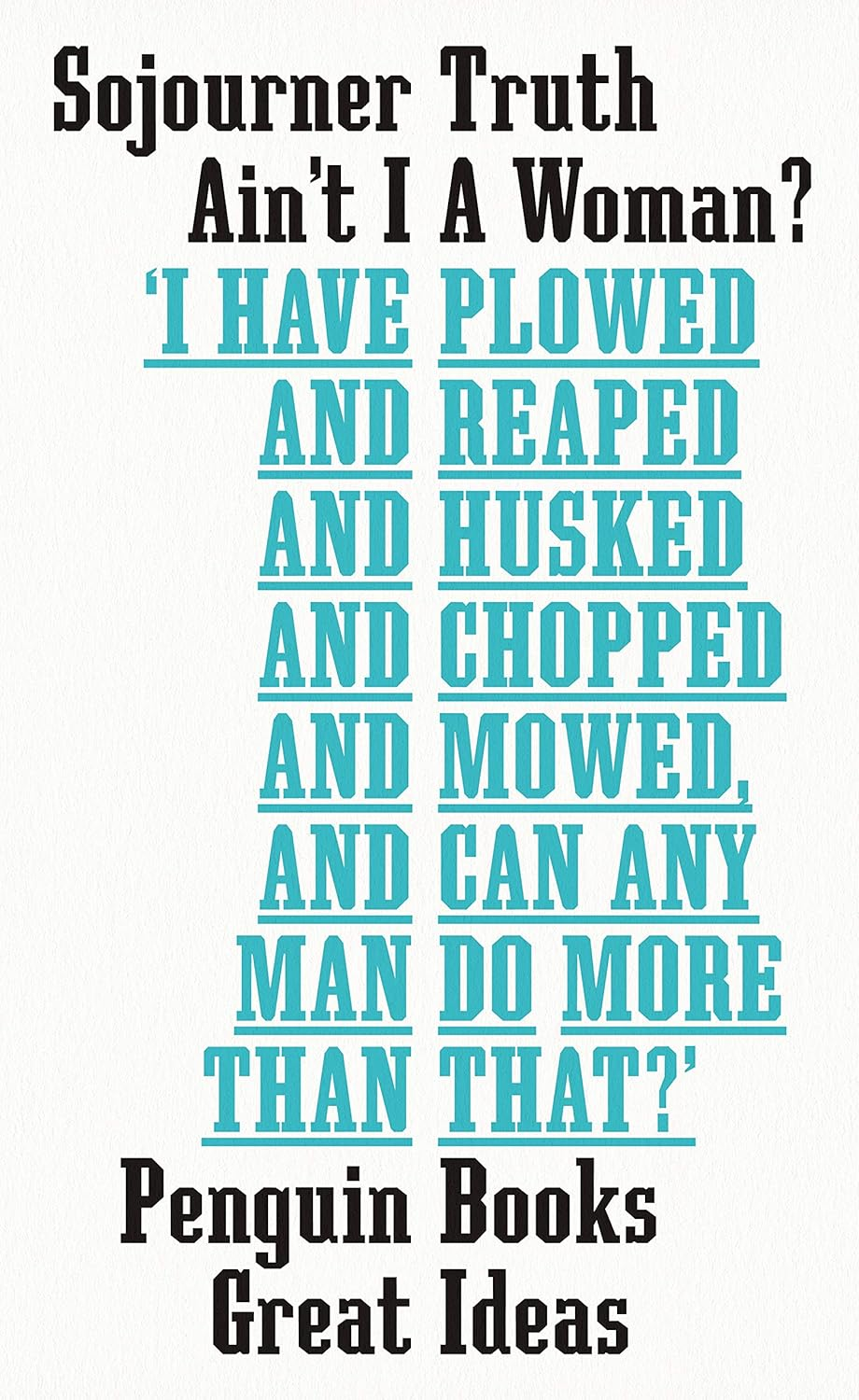
Sojourner Truth’s speech remains one of the most piercing critiques of intersecting oppression. In a few devastating questions, she dismantles both racist and sexist assumptions, asserting Black womanhood as undeniable and powerful.
Her words remind us that Black feminism did not emerge in theory alone—it was forged in lived struggle. Truth’s voice represents a tradition of Black women speaking truth in spaces that refused to hear them.
The Souls of Black Folk by WEB Du Bois
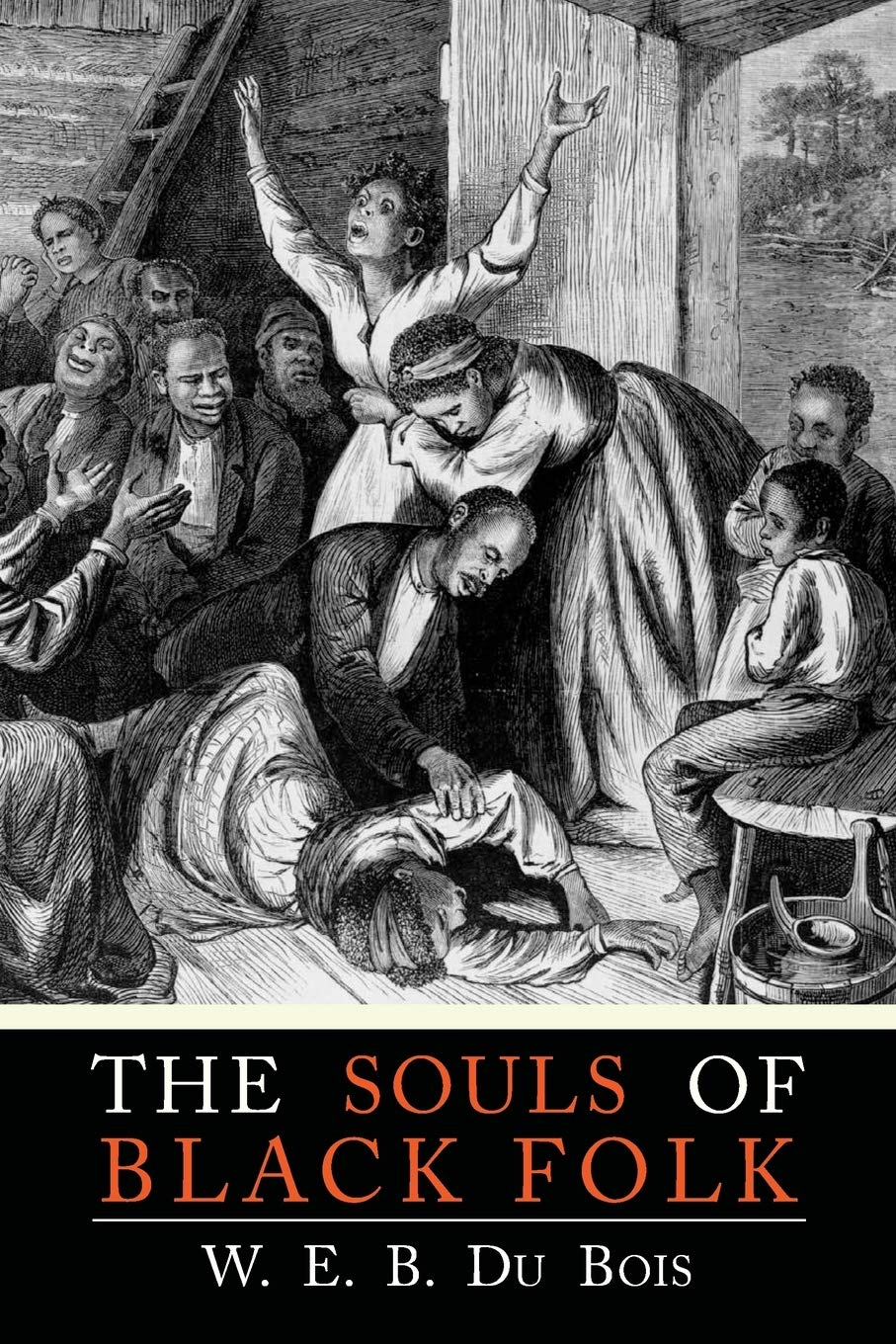
Du Bois blends sociology, history, music, and memoir to articulate the emotional cost of racism. His concept of “double consciousness” captures the tension of being both American and Black in a society that devalues Black existence.
More than a theoretical text, The Souls of Black Folk is deeply human—mourning lost possibilities while demanding justice. It remains foundational because it gives language to experiences many live but struggle to name.
Why These Books Matter—Now
Reading these works during Black History Month is not about checking off a list. It is about slowing down, listening deeply, and recognising literature as a living archive. These books ask readers to confront injustice, honour resilience, and acknowledge voices that history has too often tried to erase.
They remind us that Black history is not confined to the past—it continues to speak, challenge, and demand attention through the written word.
Your next read: A Gentle Guide to Reading Virginia Woolf Without Feeling Intimidated