
Parent Categories




Related Products


Related Books
A Birthday Letter to Virginia Woolf From a Modern Reader
 A Birthday Letter to Virginia Woolf
Dear Potto,
I hope you won’t mind being addressed by the name and that Vita, wherever she is, is not quietly disapproving and preparing to haunt me for the audacity.
It feels strange to write to you across time, knowing that you lived in a world that tried to confine women to silence and love to narrow definitions. Yet, in your writing, you refused both. Long before feminism had mass movements and queerness had language, you were already imagining lives that did not obey the rules of patriarchy or conventional ideas of love.
On your birthday, the world celebrates you as a literary icon. But I think of you as someone more radical: a woman who dared to claim intellectual space in a world that barely allowed women physical or emotional autonomy.
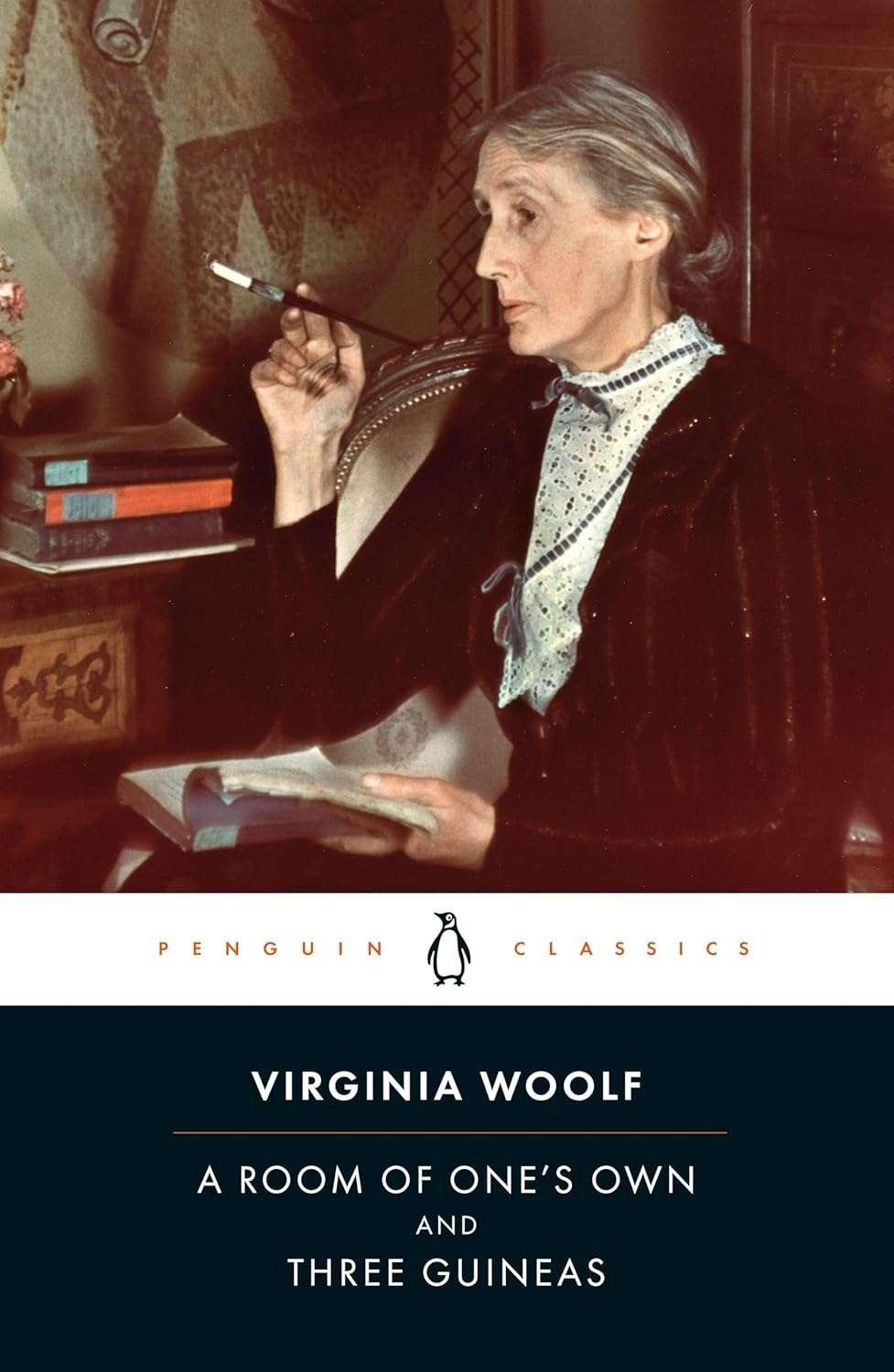
When you wrote A Room of One’s Own, you were not just talking about walls and doors. You were talking about freedom! The right of a woman to think without permission, to create without apology, to exist beyond roles assigned to her. Nearly a century later, women have more rooms of their own and yet we still struggle to claim them. We have careers, voices, platforms, and choices you fought for in thought and in your reality. But we still justify ambition. We still explain why our voices deserve to be heard.
Your feminism was never loud in slogans, but devastating in insight.
And then there was you, in all your queer self—quiet, complex, and revolutionary in your own way. With your “longest and most charming love letter ever written in the history of literature”, you claimed your queerness; you articulated your love for Vita.
In your letters to Vita, love appears not as something neat or socially acceptable, but as something urgent and destabilising. History tried to soften your relationship into friendship, but modern readers know better. We know better. You loved her in a way that unsettled the boundaries of gender, marriage, and propriety. You are the queer icon of literature, sitting in our minds with Oscar Wilde, and telling us to embrace our truths.
And when I read Orlando, I felt as though you were whispering across time: identity is not fixed, gender is not stable, and love does not always follow rules. You, in a very subtle yet loud manner, said “Gender is performative”. Take out that performance, and all we are left with is our true selves.
You wrote women not as ideals, but as contradictions. You wrote love not as certainty, but as tension. You wrote identity not as a destination, but as movement. In doing so, you gave language to those who lived on the margins—women, queer people, outsiders, thinkers.
In your novels, I saw not just stories, but consciousness itself laid bare. You taught me that life is not made of grand events alone, but of fleeting moments, the pause between words, the ache beneath routine, the fragile beauty of ordinary days. Reading you feels like being taught a new language: the language of inner life.
Sometimes, I wonder how you would see us today. Would you be amused by our digital lives, our constant self-disclosure, our curated identities? Would you find poetry in scrolling screens and fragmented attention? Or would you mourn the silence we no longer allow ourselves?
But I think you would understand us. After all, you understood loneliness long before it became a modern epidemic. You understood the weight of invisible battles. You understood that the mind can be both a sanctuary and a storm.
Dear Potto, your legacy is not just literary, it is political, emotional, and deeply personal. You taught us that the most radical act is not merely to speak, but to think freely, to love deeply.
If I could give you a birthday gift, it would be this: the knowledge that feminist and queer readers across the world now read you not just as a writer, but as a precursor, a companion, a quiet revolutionary, a comfort existence.
You did not just write stories. You made space.
With tenderness and quiet defiance,
A modern reader, a woman
Also Read: 5 Classic Authors and Their Most Passionate Love Letters