

Parent Categories




Related Products


Related Books
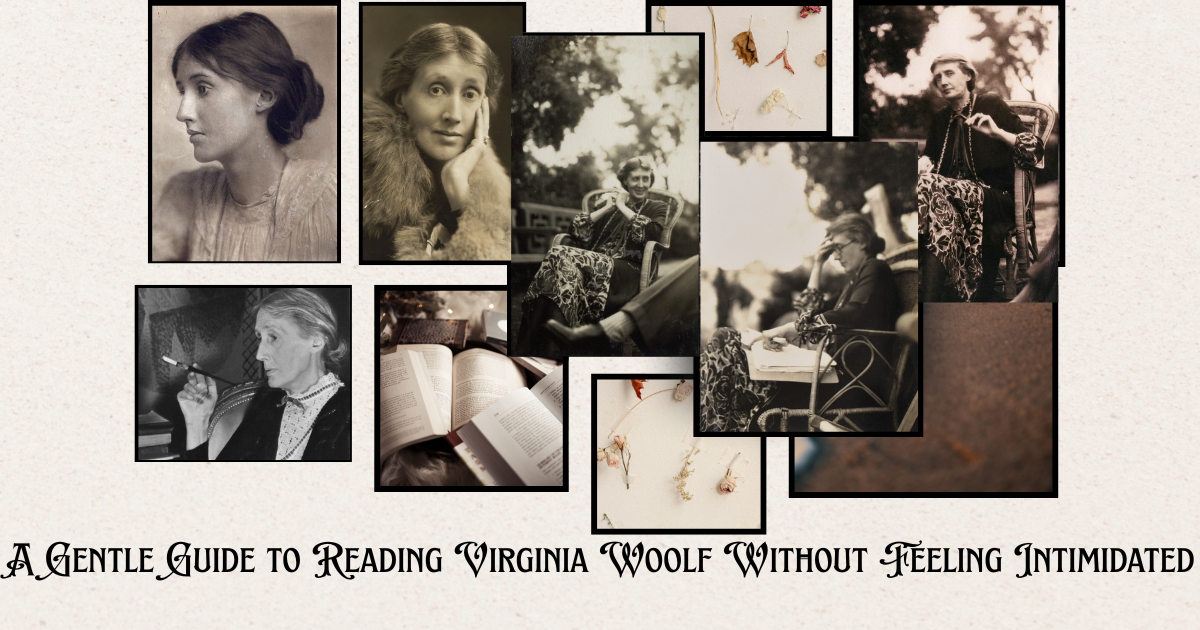
A Gentle Guide to Reading Virginia Woolf Without Feeling Intimidated
 Reading Virginia Woolf
For many readers, Virginia Woolf sits on a high shelf of literary greatness—admired from a distance, rarely touched. Her name often arrives with warnings: difficult, experimental, not for beginners. The irony is that Woolf herself wrote with an intense concern for the inner lives of ordinary people. She cared less about showing off intellectual fireworks and more about capturing what it feels like to be alive—thinking, remembering, longing, and drifting through time.
If you’ve ever wanted to read Virginia Woolf but felt unsure where to begin or how to stay with her, this guide is for you.
Also read: Why Virginia Woolf Believed Reality Was Felt, Not Explained
First, Let Go of the Idea That You Must ‘Understand Everything’
One of the biggest reasons Woolf feels intimidating is the assumption that her books demand total comprehension. They don’t. Woolf is not a puzzle to be solved; she is an experience to be entered.
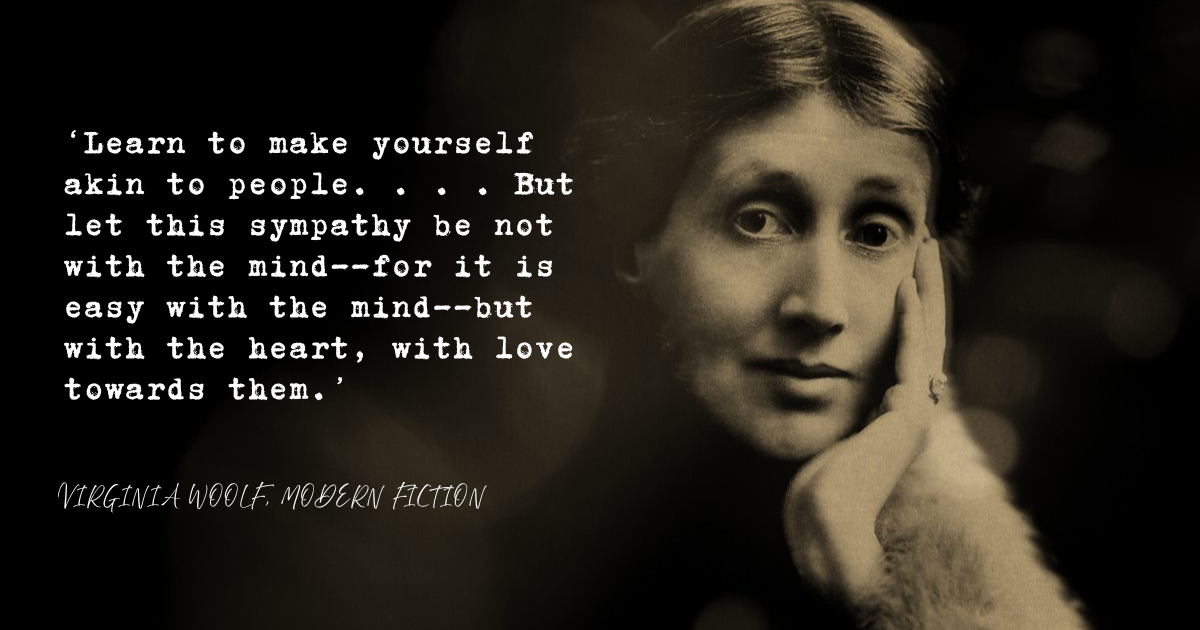
Virginia Woolf believed that the traditional novel focused too much on external events and not enough on what she called ‘life itself’. In her essay ‘Modern Fiction’ (1919), she criticises writers who obsess over neat plots while ignoring the mind’s fluid reality.
Her novels often move like thought itself—looping, wandering, pausing, doubling back. You may not always be able to summarise what happened in a chapter, but you will almost always know how it felt. That emotional recognition is not a failure of reading; it is the point.
Think of reading Woolf the way you might listen to music. You don’t stop a symphony every minute to analyse the notes. You let it wash over you.
Start with the Right Book (This Matters More Than You Think)
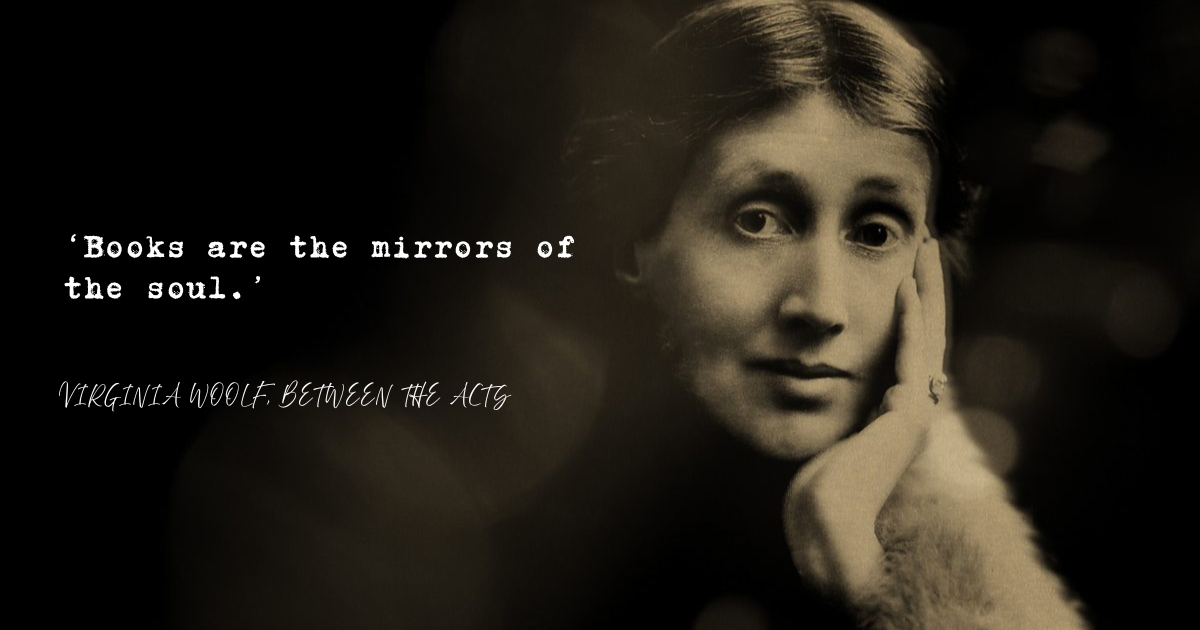
Woolf didn’t write her novels in isolation from readers. She was acutely aware of audience fatigue and accessibility, especially after early criticism that her work was ‘too experimental’.
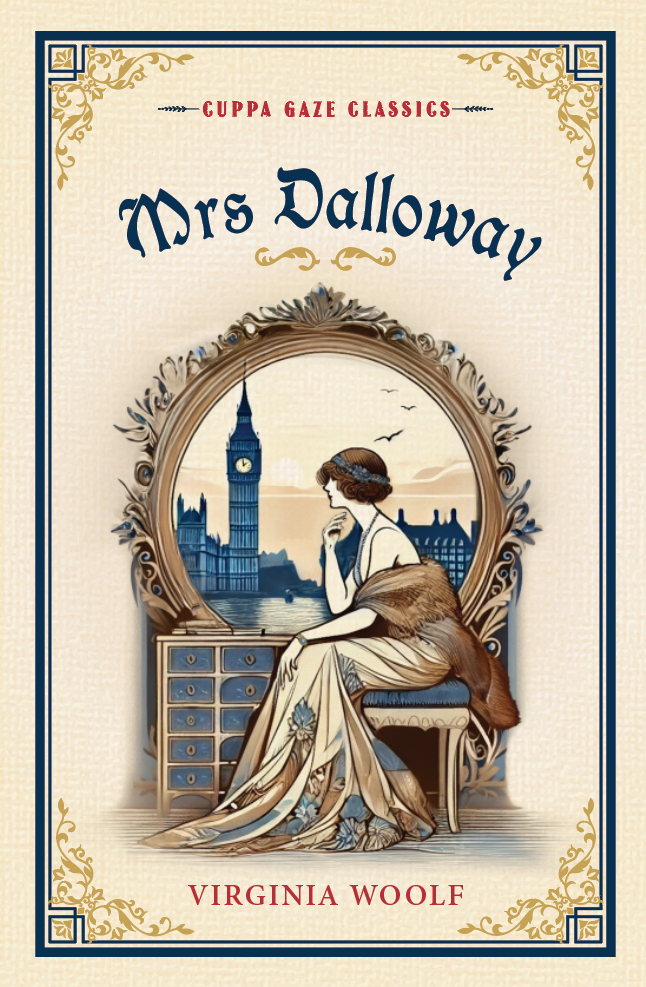
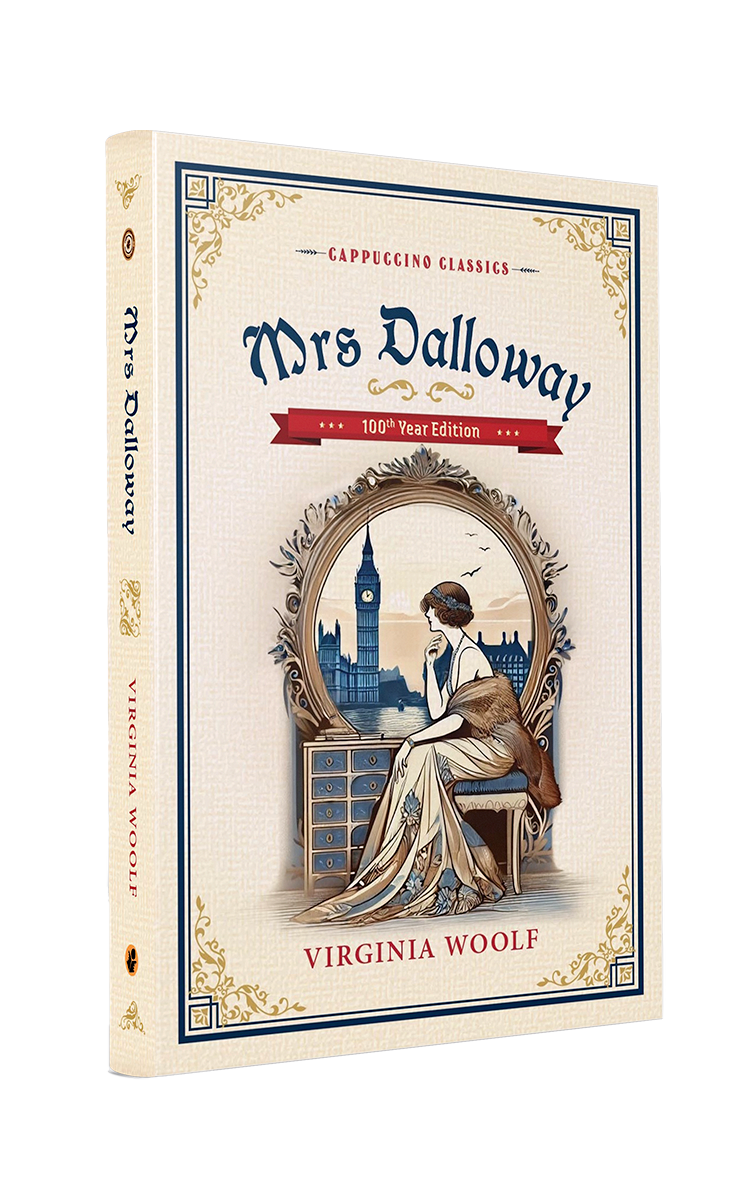
Mrs Dalloway (1925) was deliberately designed around a single day in London—an accessible framework Woolf used to anchor her innovative style. She modelled the novel partly on her own experiences walking through Bloomsbury, observing strangers, and reflecting on post–World War I England.
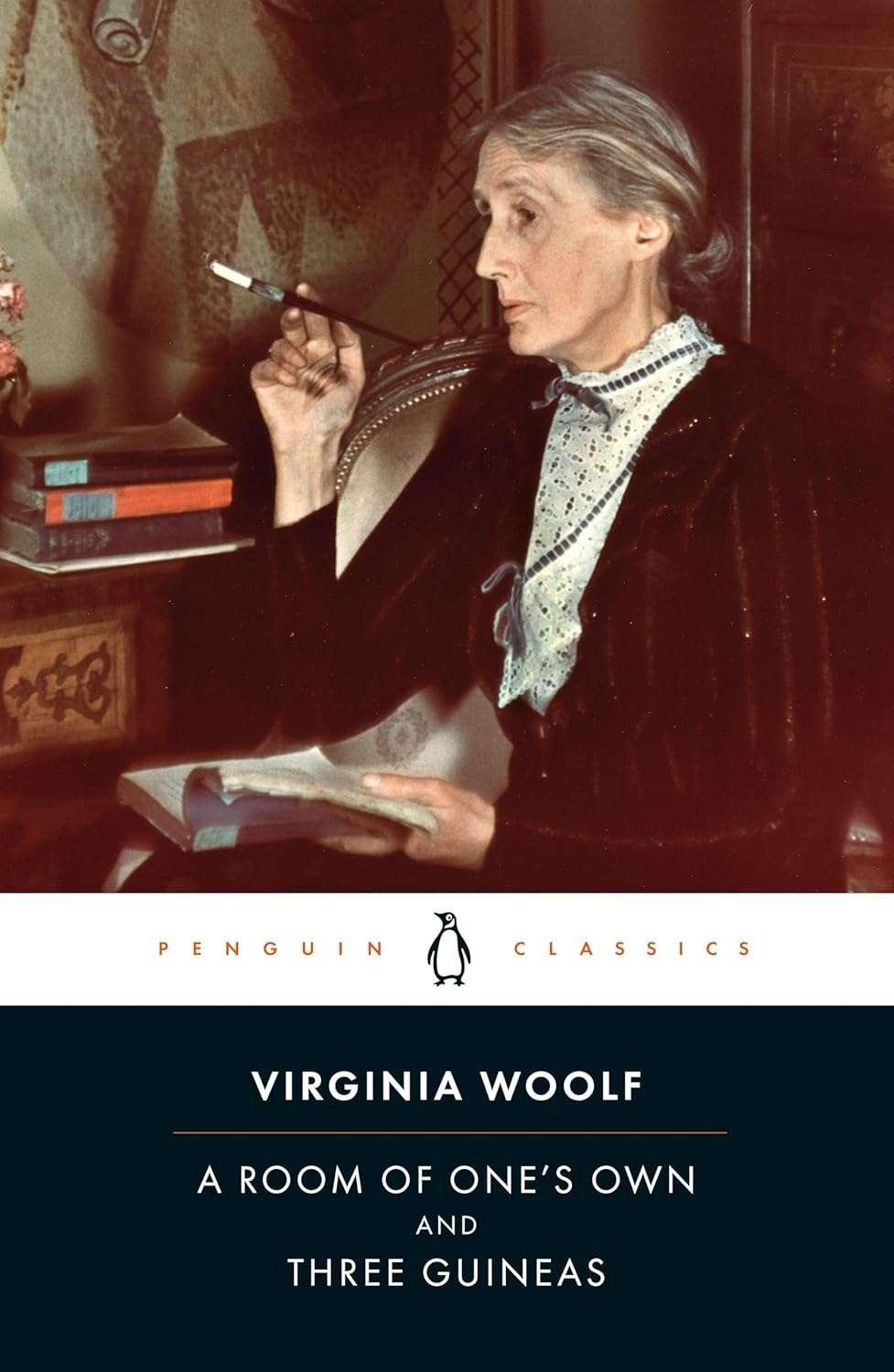
A Room of One’s Own (1929) grew out of lectures Woolf delivered to women students at Cambridge—meaning it was originally spoken, not written. This explains its conversational tone and clarity.
Once you feel comfortable, you can move toward To the Lighthouse, often considered her masterpiece—but best approached once you trust her rhythm.
Don’t Rush—Woolf Is Not a Speed Read
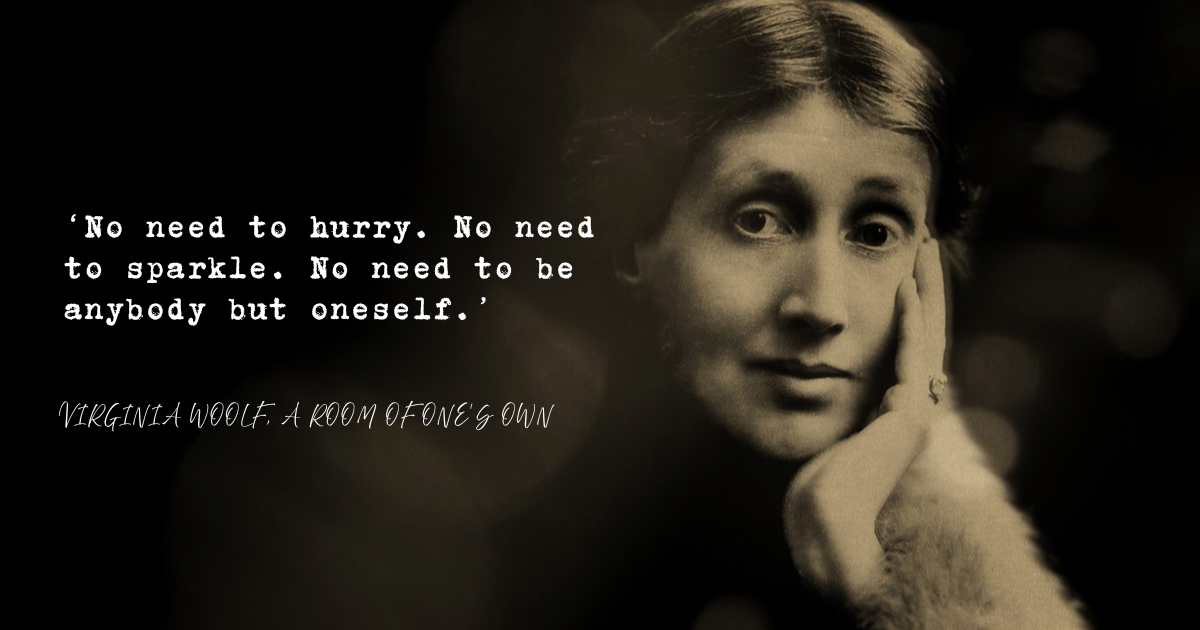
Virginia Woolf was a meticulous reviser. Her diaries reveal that she rewrote sentences repeatedly to achieve a musical rhythm rather than straightforward clarity. She often read her work aloud, adjusting commas and clauses until the prose felt right to the ear.
This explains why her sentences feel almost wave-like—surging forward, retreating, then advancing again. Racing through them flattens their effect.
Try reading in short stretches. A few pages at a time is enough. Let scenes linger in your mind. You’ll find that even when ‘nothing happens’, something quietly profound often does.
If you lose focus, don’t panic. Drift back in. Woolf expects it—she wrote for readers who think while they read.
Pay Attention to Images, Not Just Plot
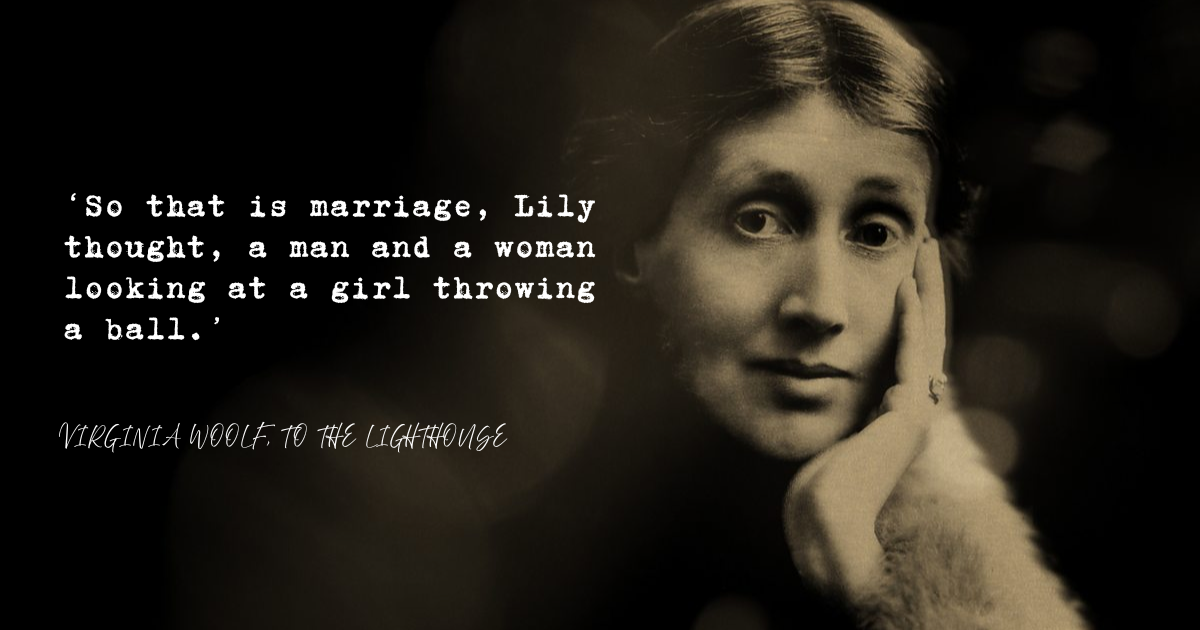
Woolf once described her novels as being built around ‘tunnels’ of imagery rather than linear storylines. In To the Lighthouse, for example, the recurring image of the sea mirrors her own childhood memories of summers in St Ives, Cornwall—a place deeply tied to both joy and loss in her life.
Traditional novels move forward through events. Woolf moves sideways through images.
A flower arrangement. The sound of waves. A beam of light on a wall. These details are not decorative; they are emotional anchors. Woolf uses them to hold meaning when language itself feels insufficient.
If you start noticing repeated images, you’re reading her well—even if you can’t yet explain why they matter.
Context Helps—Woolf Was Writing Against Literary Tradition
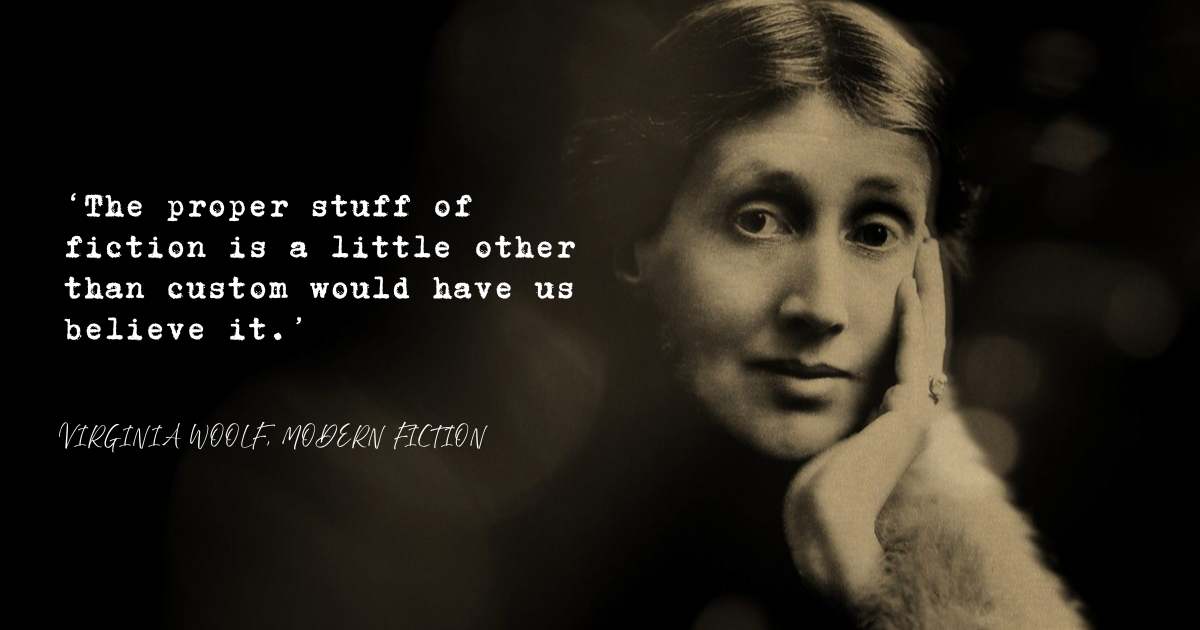
Virginia Woolf was part of the Bloomsbury Group, a circle of writers, artists, and thinkers who openly questioned Victorian values, rigid gender roles, and conventional art forms. Her experiments were not acts of rebellion for their own sake, but deliberate attempts to imagine freer ways of thinking and living.
Knowing this helps explain why her work feels so different. She wasn’t breaking rules carelessly—she was responding to a world reshaped by war, women’s suffrage, and rapid social change.
A clear example is Orlando (1928), which Woolf boldly subtitled ‘A Biography’ while discarding most conventions of the form. Inspired by Vita Sackville-West, the book follows a protagonist who lives for centuries and changes gender, using fantasy to question how identity, time, and truth are recorded. Rather than facts and chronology, Woolf offers emotional continuity—showing that a life cannot be captured by dates alone.
The key is to read alongside Woolf, not over her. Avoid over-annotating or stopping every paragraph to check interpretations. Let your own responses form first.
Remember: Woolf Was Writing About You
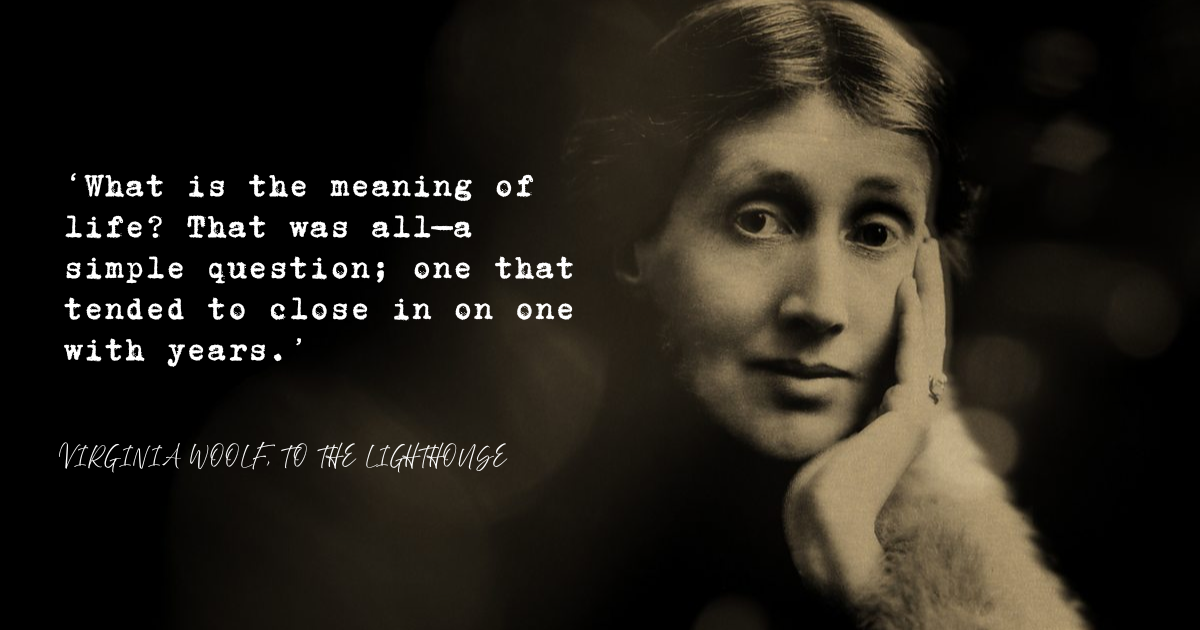
Strip away the reputation, and you’ll find that Woolf wrote about questions we still ask:
- How do we live with regret?
- What does it mean to be seen?
- How does time change love?
- Where does identity end and the world begin?
Her characters worry, drift, remember, and doubt in ways that feel startlingly familiar.
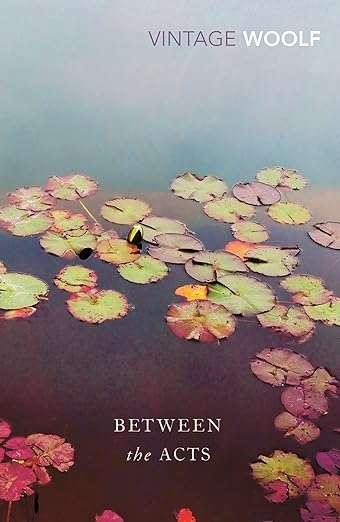
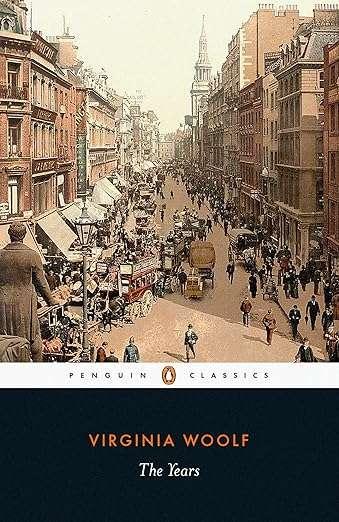
In Jacob’s Room, Woolf builds a life out of fragments—glimpses, conversations, absences—mirroring how we actually know people. In The Years, she traces ordinary family moments across decades, letting small gestures and unspoken tensions carry emotional weight. Even in Between the Acts, her final novel, fleeting thoughts during a village pageant reveal anxieties about time, belonging, and change. What draws readers back to Woolf is not intellectual admiration, but this quiet intimacy—the feeling that she is writing from inside the same uncertainties we live with.
Give Yourself Permission to Dislike Her (At First)
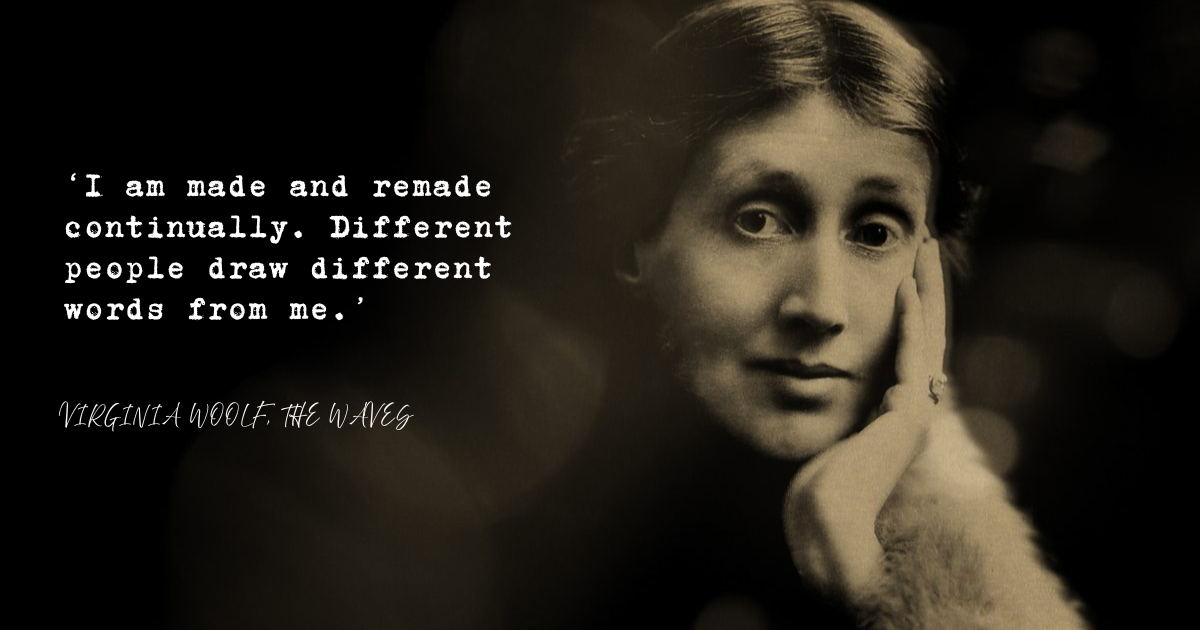
Not every book is for every reader, and Woolf knew this. You are allowed to struggle. You are allowed to put the book down and return later. Sometimes Woolf makes sense only at a certain stage of life.
Virginia Woolf worried constantly about how her books would be received. Her diaries are full of self-doubt, especially after publishing her more experimental novels. She once wrote that she expected To the Lighthouse to confuse many readers—and accepted that risk.
Many devoted Woolf readers didn’t love her on their first attempt. They grew into her—and she waited.
The Gentle Truth
Reading Virginia Woolf is less about conquering a literary mountain and more about learning to walk differently for a while. Once you stop demanding clarity at every step, you may find that her writing offers something rare: permission to be uncertain, inward, and deeply human.
And that, in the end, is not intimidating at all.
Your next read: Beyond Mrs Dalloway: 5 Most Underappreciated Works of Virginia Woolf Worth Reading