

Parent Categories



Related Products

Related Books
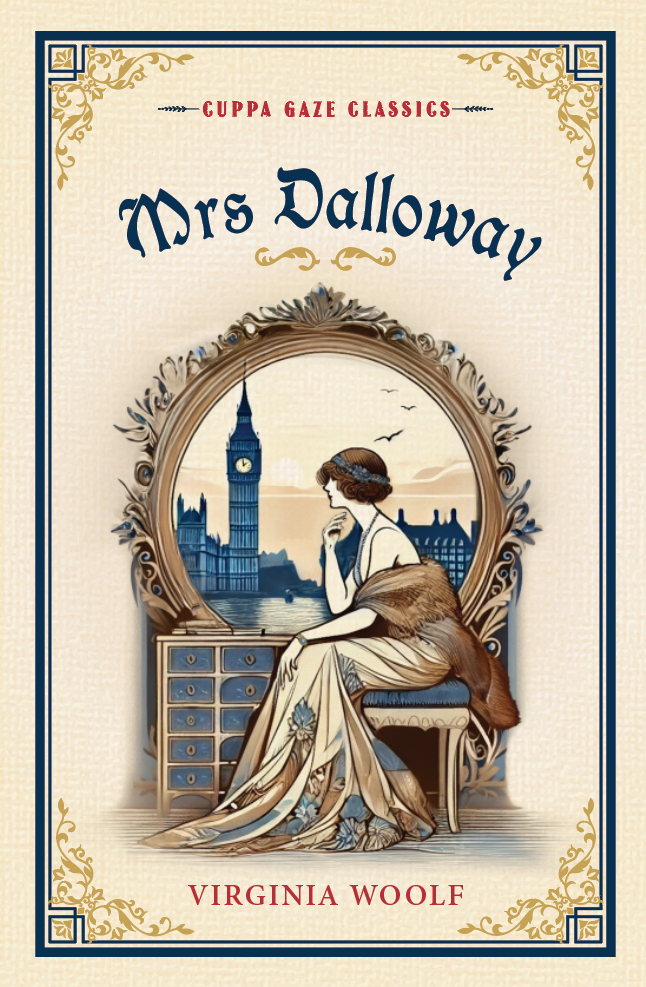

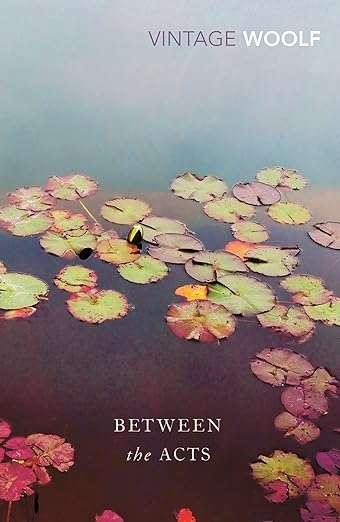
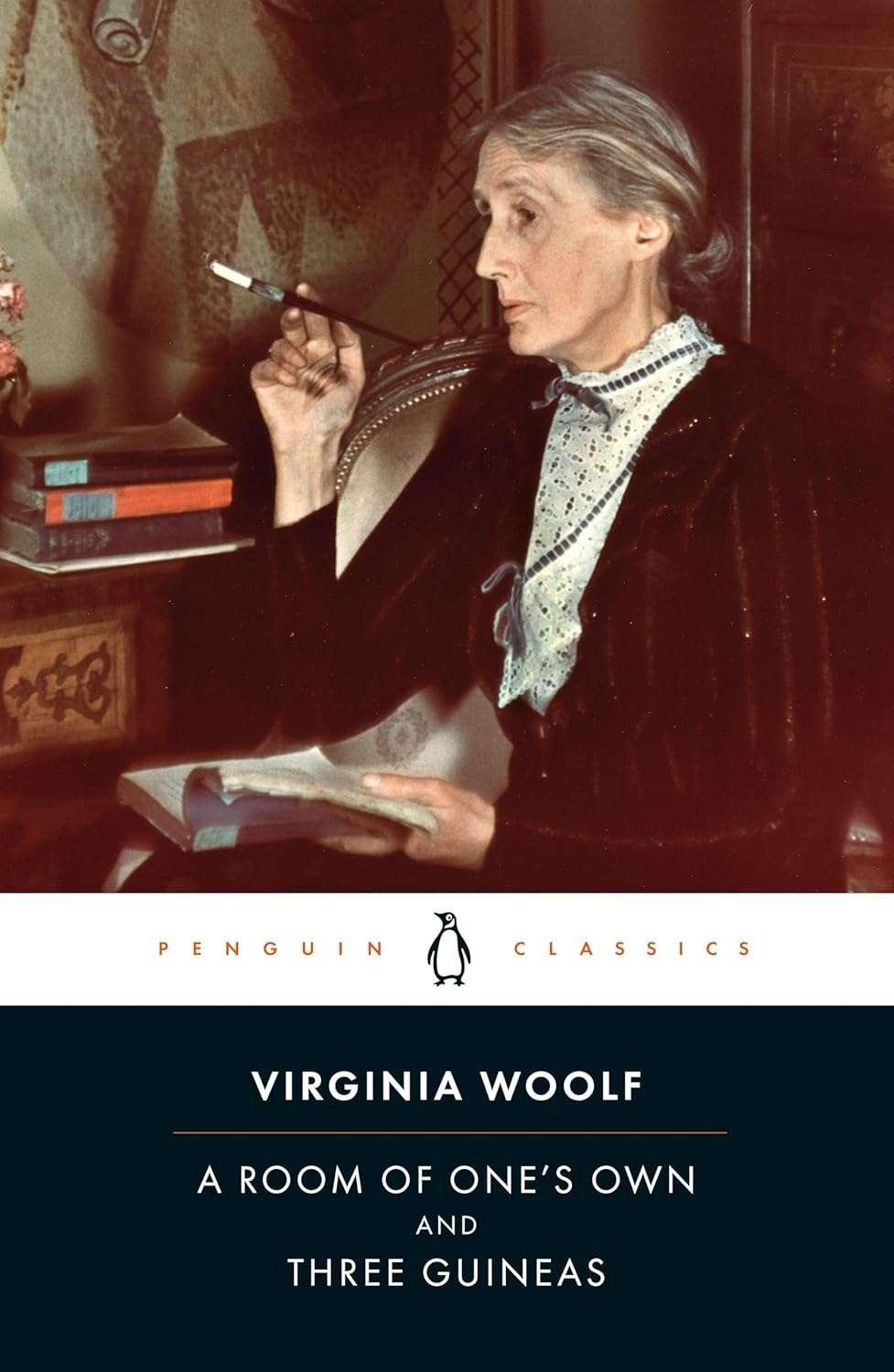
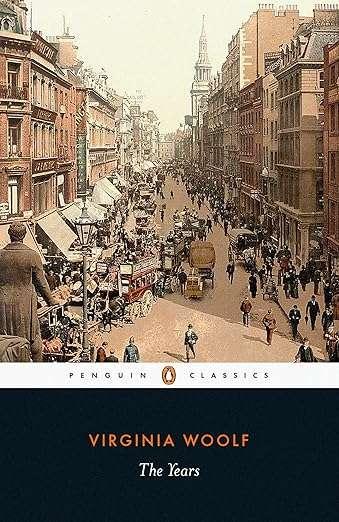
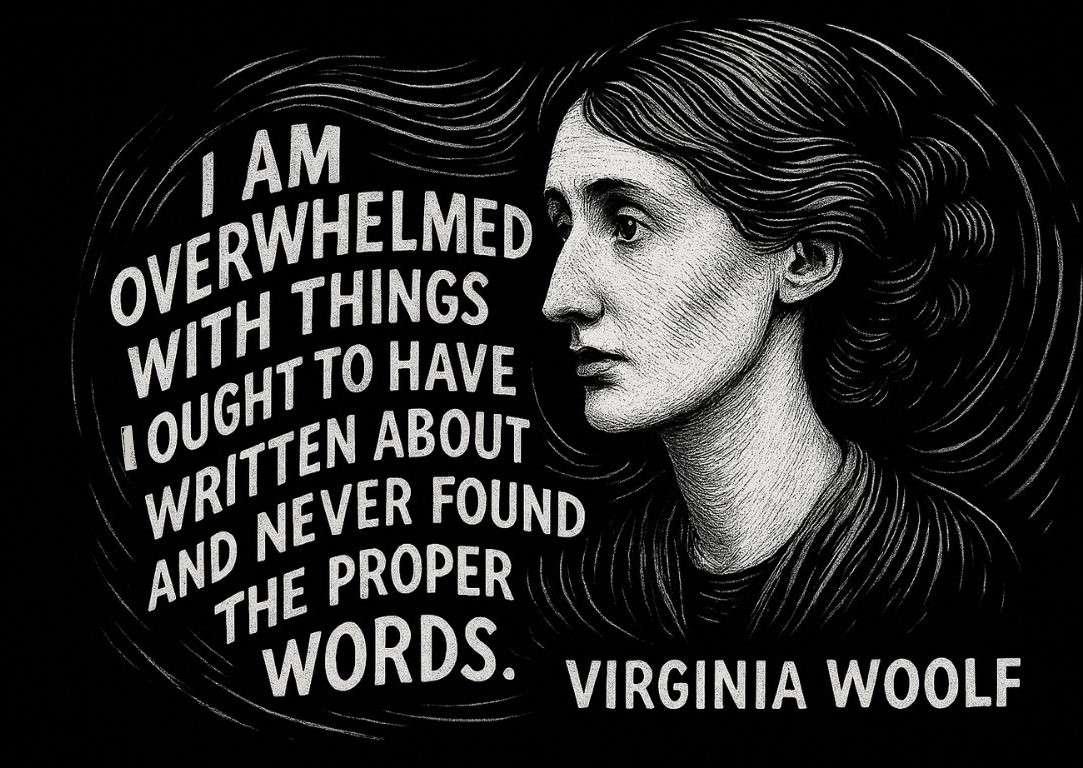
8 Virginia Woolf Quotes That Explain Modern Womanhood
 Virginia Woolf Quotes
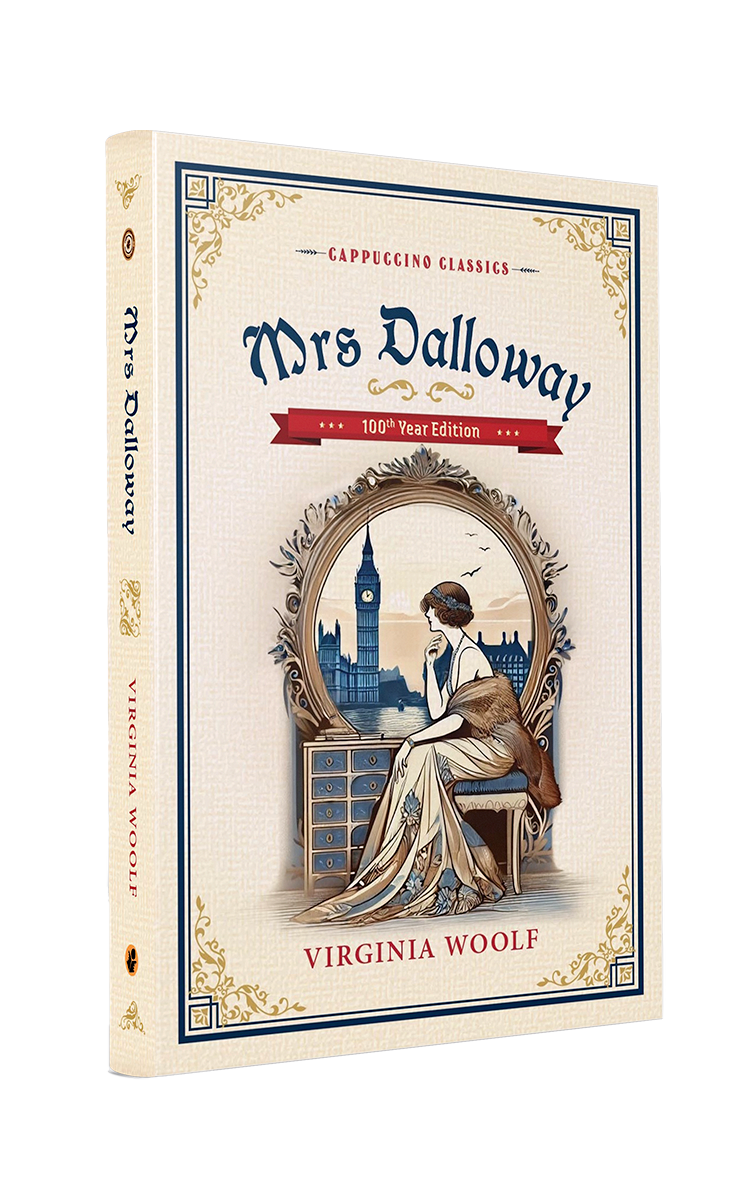
Virginia Woolf did not write manifestos for the twenty-first century, yet few writers feel so uncannily present within it. Her essays and novels—A Room of One’s Own, Mrs Dalloway, To the Lighthouse, Orlando—continue to echo through conversations about work, identity, creativity, love, and independence. Woolf understood that womanhood was not a fixed role but a constantly negotiated space, shaped by society yet fiercely personal. Long before the language of modern feminism became commonplace, she articulated the quiet pressures and private rebellions that still define women’s lives today.
Also read: Top 10 Leo Tolstoy Quotes That Still Resonate Today
Here are eight Virginia Woolf quotes that, together, read like a map of modern womanhood.
1. The Foundation of Independence

Perhaps her most quoted line, this statement from A Room of One’s Own is often reduced to a slogan—but its power lies in its simplicity. Woolf was not merely speaking about writers; she was speaking about autonomy.
Financial independence and personal space remain essential for women today, whether they are creating art, building careers, or simply trying to hear their own thoughts in a noisy world. Modern womanhood still grapples with this truth: freedom begins with material security and the right to solitude without guilt.
Buy here: A Room of One's Own and Three Guineas
2. The Untouchable Freedom of Thought

In an era when women’s voices were routinely dismissed or constrained, Woolf asserted the inviolability of inner freedom. This quote resonates strongly today, when women navigate social expectations, digital scrutiny, and cultural policing of opinions. Even now, the mind remains a last refuge—and a powerful site of resistance. Woolf reminds modern women that intellectual independence cannot be legislated away.
3. The Women History Forgot to Name

With this quiet observation, Woolf exposes centuries of erased female creativity. Modern womanhood inherits this legacy of invisibility, even as it fights for recognition. From unpaid emotional labour to overlooked professional contributions, many women still find their work detached from their names. Woolf’s quote restores dignity to those silent creators and urges contemporary women to claim authorship of their lives.
4. The Politics of Care and Survival

At first glance, this seems charmingly domestic. But beneath it lies a radical assertion: women’s intellectual and emotional lives are tied to physical wellbeing. Modern culture often glorifies exhaustion, especially among women balancing careers, families, and social expectations. Woolf’s insight feels surprisingly current—self-care is not indulgence; it is a prerequisite for clarity, creativity, and joy.
5. Beyond Borders and Assigned Loyalties

This quote captures Woolf’s refusal to be confined by nationalism, by gender, or by prescribed loyalties. Modern womanhood increasingly exists beyond borders, whether through migration, digital communities, or global feminist movements. Woolf’s words speak to women who belong everywhere and nowhere at once, who define identity on their own terms rather than inherited ones.
6. Stability Without Stagnation

In just five words, Woolf articulates a balance many modern women strive for. To be rooted is to honour one’s history, relationships, and responsibilities. To flow is to change, adapt, and evolve. Womanhood today often demands both stability and flexibility—career shifts, emotional labour, reinvention. This quote reassures women that transformation does not erase identity; it enriches it.
7. Reclaiming Visibility and Voice

This stark observation expands on Woolf’s earlier thought and speaks directly to systemic inequality. Modern womanhood continues to challenge structures that obscure women’s achievements. Whether in literature, science, or leadership, Woolf’s reminder sharpens awareness of how recognition itself can be political—and why visibility still matters.
8. Making Meaning from the Fragments

Why Woolf Still Matters
Virginia Woolf wrote from a specific historical moment, yet her insights feel uncannily attuned to the present. She understood that womanhood is lived in small, daily negotiations—between independence and intimacy, silence and speech, tradition and rebellion. Her words do not shout; they linger. And perhaps that is why they endure.
In a world that still asks women to explain themselves, Woolf offers something rarer: recognition. Through her sentences, modern womanhood finds not instruction, but understanding—a reminder that complexity is not a flaw, and that a woman’s inner life is worthy of space, attention, and freedom.
Your next read: Beyond Mrs Dalloway: 5 Most Underappreciated Works of Virginia Woolf Worth Reading