

Parent Categories



Related Books

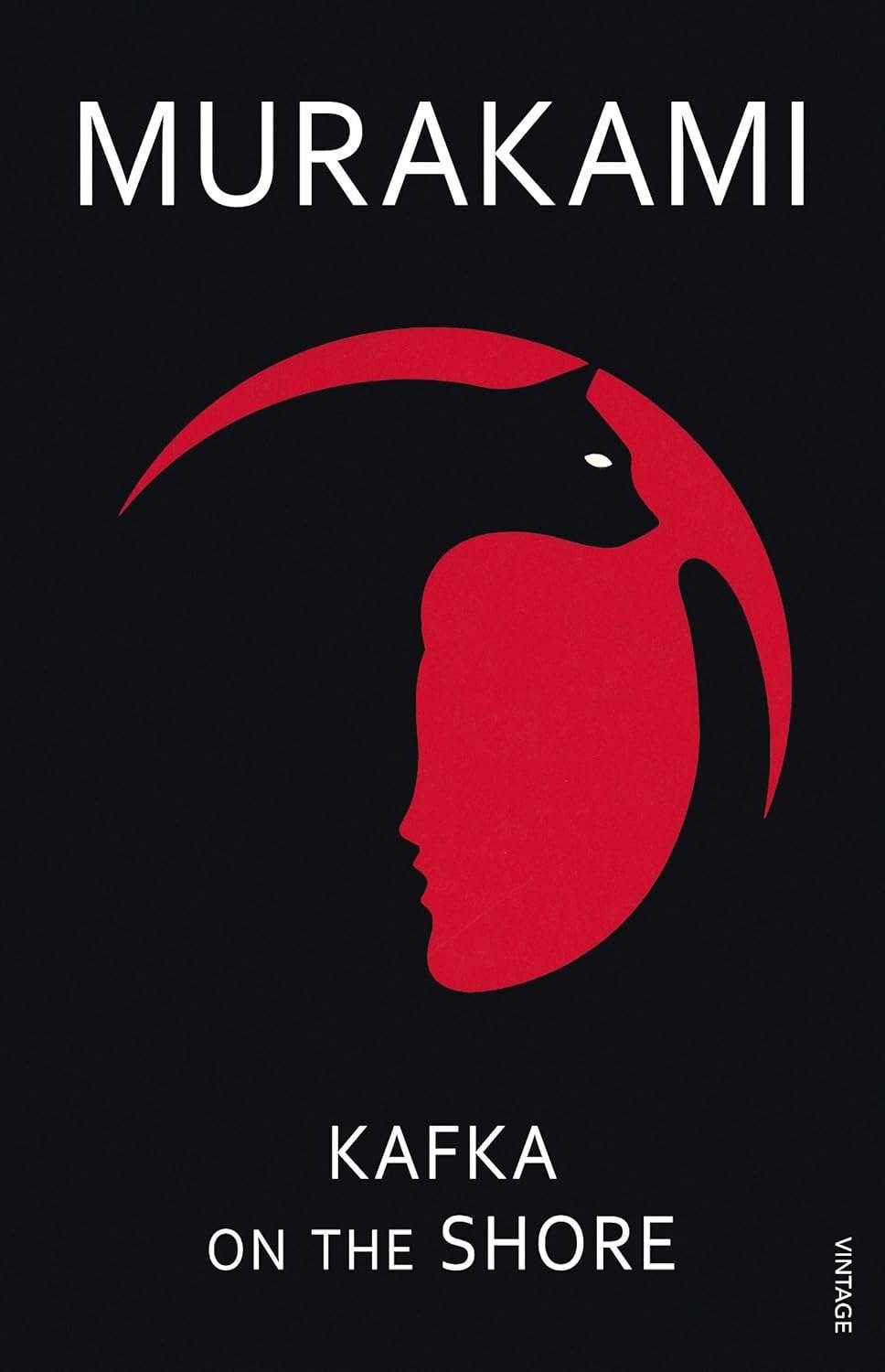

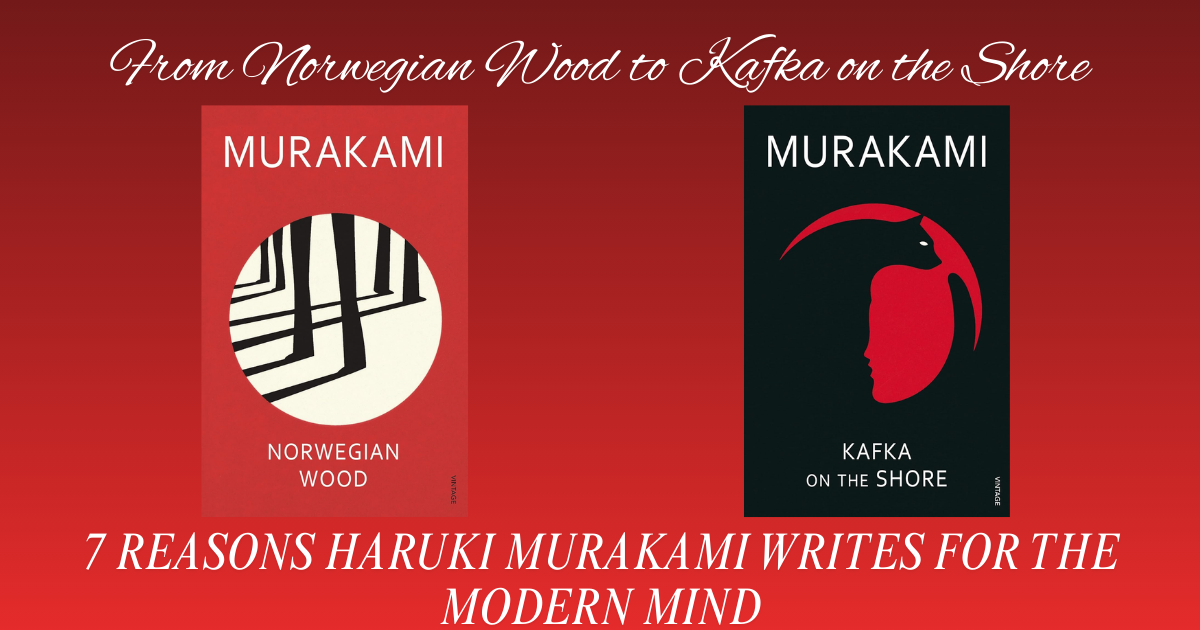
From Norwegian Wood to Kafka on the Shore: 7 Reasons Haruki Murakami Writes for the Modern Mind
 Haruki Murakami
To read Haruki Murakami is to step into a familiar yet strangely tilted world—one where jazz plays softly in the background, cats disappear without explanation, wells lead inward rather than downward, and loneliness hums like an electrical current beneath everyday life.
From the aching realism of Norwegian Wood to the dreamlike labyrinth of Kafka on the Shore, Murakami has built a body of work that speaks uncannily to the modern mind. His novels are not merely stories; they are emotional atmospheres, mental states, mirrors held up to an age defined by dislocation and quiet yearning.
Also read: Timeless Lessons on Starting Over: New Year Reflections from Classic Books
Here are seven reasons why Murakami continues to resonate so powerfully with contemporary readers.
1. He Writes the Language of Modern Loneliness
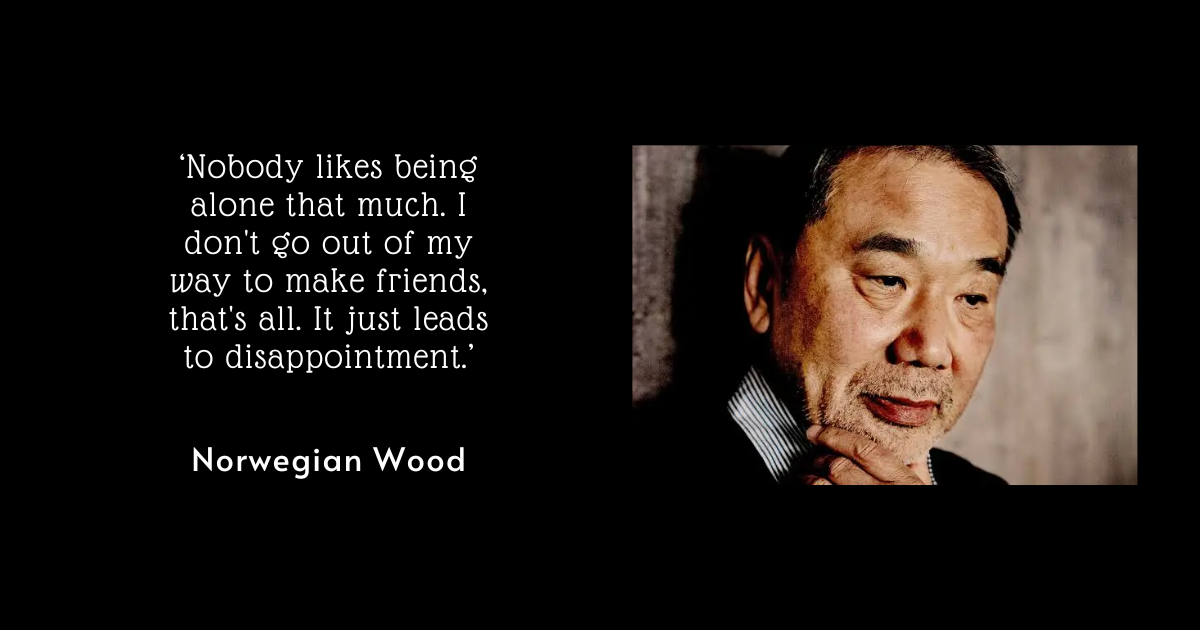
Murakami’s protagonists are often solitary figures—drifting men and women who live alone, cook simple meals, listen to music, and move through life without strong anchors. This loneliness is not melodramatic; it is subdued, almost casual, and therefore deeply recognisable. In Norwegian Wood, Toru Watanabe’s quiet grief feels more devastating because it is internalised rather than announced. Murakami captures the particular isolation of modern life: surrounded by people, yet emotionally untethered. In an age of constant connection, his characters articulate what it means to feel profoundly alone.
2. His Worlds Mirror the Fragmented Mind

The modern mind is rarely linear. It jumps between memories, anxieties, fantasies, and half-formed thoughts—and Murakami structures his narratives the same way. Dreams bleed into waking life; reality fractures without warning. In Kafka on the Shore, talking cats and metaphysical storms coexist with deeply human struggles around identity and fate. Murakami does not insist on clear answers because the contemporary psyche itself is unresolved. His novels reflect how we think now: in fragments, symbols, and emotional undercurrents rather than neat conclusions.
3. Music, Pop Culture, and Global Sensibility
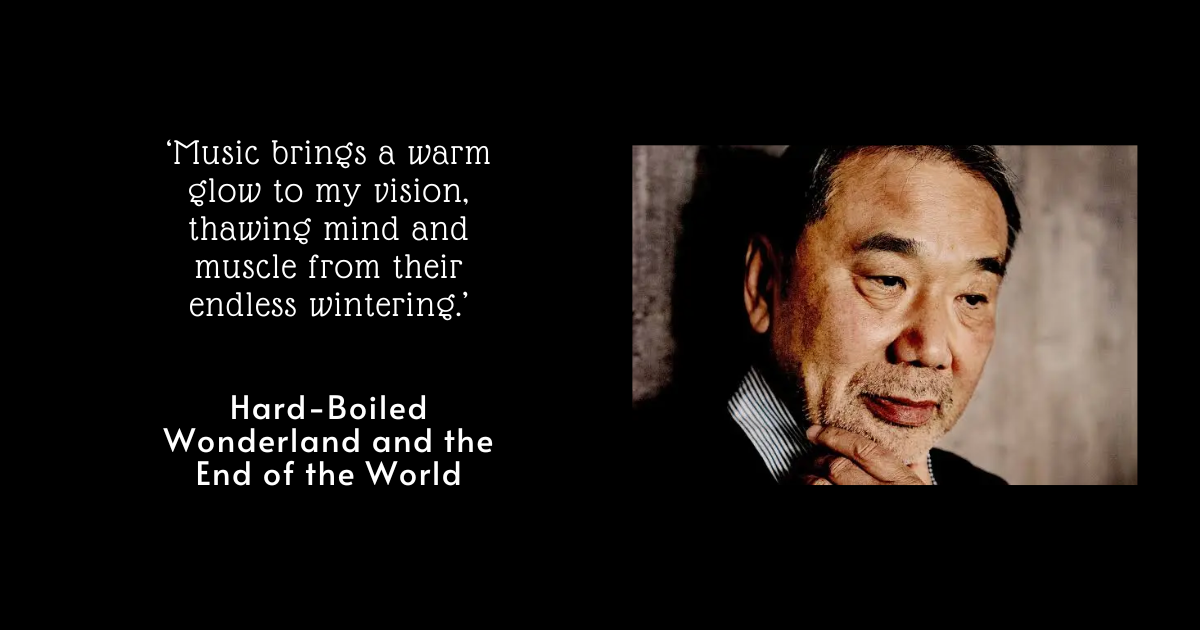
In Hard-Boiled Wonderland and the End of the World, Murakami divides existence into two parallel realms: one mechanised, cerebral, and emotionally insulated; the other inward, dreamlike, and stripped of excess. Music appears not as spectacle but as warmth—an intimate human signal in a world governed by systems, codes, and cold logic. The quote captures this perfectly: music thaws what the modern world freezes.
In the “Hard-Boiled” city, consciousness is transactional and efficient; in the “End of the World,” emotions surface quietly, through memory and sensation rather than action. Murakami suggests that in contemporary life, where intellect often dominates feeling, art and music become essential bridges back to the self. For the modern reader, this resonates deeply: culture is not escapism, but survival—a way to remain human within systems that demand emotional restraint.
4. He Treats the Ordinary as Sacred

Cooking pasta, ironing shirts, making coffee—Murakami lingers on mundane acts with almost meditative attention. These moments ground his surreal narratives and offer a quiet reassurance: meaning can be found in repetition and routine. For readers navigating fast-paced, overstimulated lives, this attentiveness to the ordinary feels restorative. It suggests that even in a confusing world, there is solace in small rituals, in the physical act of being present.
5. Emotional Honesty Without Sentimentality

Murakami writes about love, loss, sex, and grief with remarkable emotional clarity, yet he avoids sentimentality. His characters rarely articulate grand declarations; instead, they experience emotions as something bodily and unsettling. In Norwegian Wood, love is intertwined with pain and impermanence, never idealised. This emotional realism speaks to readers wary of clichés and oversimplified hope. Murakami respects the complexity of feeling, acknowledging that joy and sorrow often coexist.
6. He Embraces Ambiguity as Truth

One of Murakami’s most distinctive traits is his refusal to explain everything. Mysteries remain unresolved; symbols resist interpretation. This frustrates some readers—but for many, it is precisely the appeal. The modern world is filled with uncertainty: moral, emotional, existential. Murakami does not pretend otherwise. His ambiguity invites readers to sit with discomfort, to accept that not all questions demand answers. In doing so, his work feels philosophically aligned with contemporary life.
7. He Writes Inner Journeys, Not Just Stories

At their core, Murakami’s novels are about inward movement. Wells, forests, libraries, and alternate realms are less physical spaces than psychological ones. In Kafka on the Shore, the journey is as much about self-recognition as it is about destiny. This inward focus resonates in an era increasingly concerned with mental health, identity, and self-understanding. Murakami suggests that the most important journeys are invisible—and that confronting one’s inner shadows is both frightening and necessary.
A Mirror Held to the Modern Soul
From Norwegian Wood’s aching realism to Kafka on the Shore’s metaphysical dreamscape, Haruki Murakami writes for readers who sense that something is missing but cannot quite name it. His novels do not offer solutions; they offer companionship in uncertainty. In doing so, Murakami has become a chronicler of the modern mind—lonely, searching, fragmented, and quietly hopeful that meaning, however elusive, is still worth pursuing.
Your next read: Why RK Narayan’s Malgudi Still Speaks to Us: Timeless Lessons from a Fictional Town