

Parent Categories

Related blogs


Related Products



Related Books
7 Famous Classic Books Most People Start—but Rarely Finish
 Classics People Rarely Finish
Sometimes, you pick up a classic that everyone seems to rave about—on the internet, in book clubs, across discussion forums. You’ve heard how profound it is, how life-changing, how it’s a “must-read.” Even when it has a reputation for being dense or difficult, you decide to see what the fuss is about. You begin with enthusiasm, determined to crack it.
A few months later, the bookmark hasn’t moved. The book now sits in a quiet corner of your shelf, gathering dust. You’ve started it, restarted it, put it aside, picked it up again, and promised yourself you’ll return to it someday… yet somehow, you never do.
Of course, sometimes it simply comes down to personal preference—you may not connect with the story enough to push through. But certain classics are infamous for a reason: layered characters, philosophically complex themes, and language that demands patience and focus.
In this blog, we explore those iconic classics that many people begin with the best intentions, yet surprisingly few ever finish.
1. Catch-22
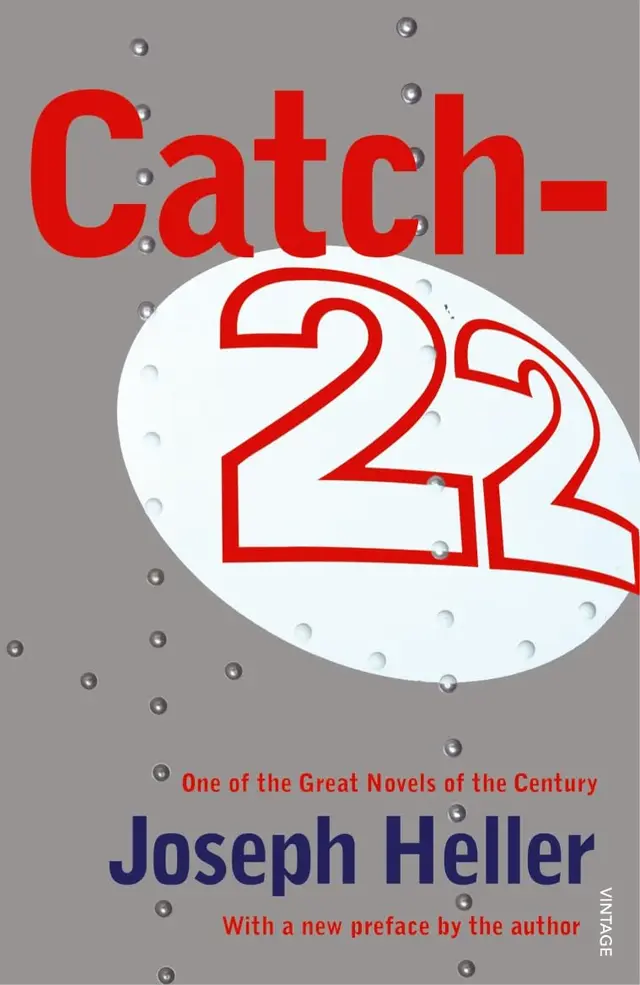
War novels can be complex when done right, and Catch-22 by Joseph Heller is a prime example. Set in World War II Italy, it follows a US bombardier trying to survive missions that grow increasingly pointless and deadly. His greatest enemy isn’t the opposition, but the absurd military bureaucracy trapping him in a no-win situation.
Why do many readers stop? It gets as fragmented, messy, overwhelming, darkly humorous, and as real as a war can get. And that is not a cup of tea for all.
2. Ulysses

Ulysses is another classic, notorious for its high abandonment rate. Don’t be fooled by its seemingly simple premise of a single day in Dublin. The novel follows the experiences of three Dubliners on 16 June 1904, but that one ordinary day unfolds with the full intensity and chaos of the human mind. Joyce uses stream-of-consciousness narration, constantly shifting styles, and dense literary references that can feel overwhelming very quickly. You won’t catch every reference, and that very realisation is often what makes readers give up.
If you have any of James Joyce’s classics lying around unread for a while, check out: Intimidated by James Joyce? Here’s What You Need to Know Before Reading Him
3. Moby-Dick
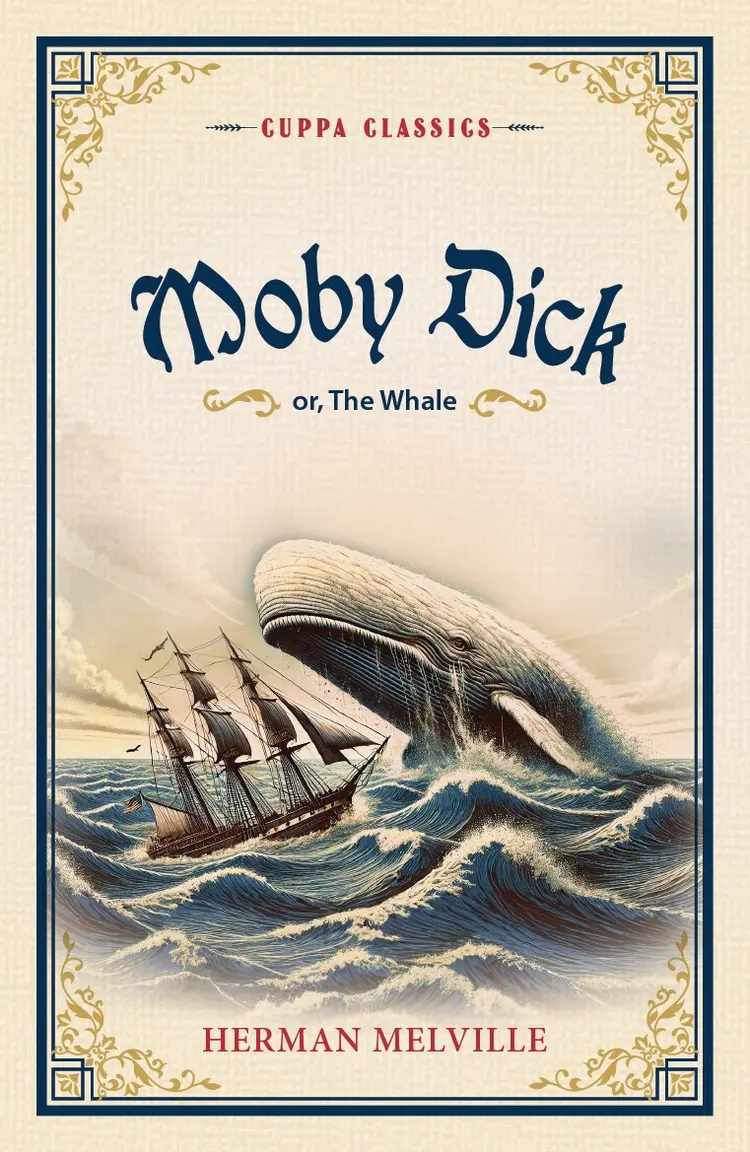
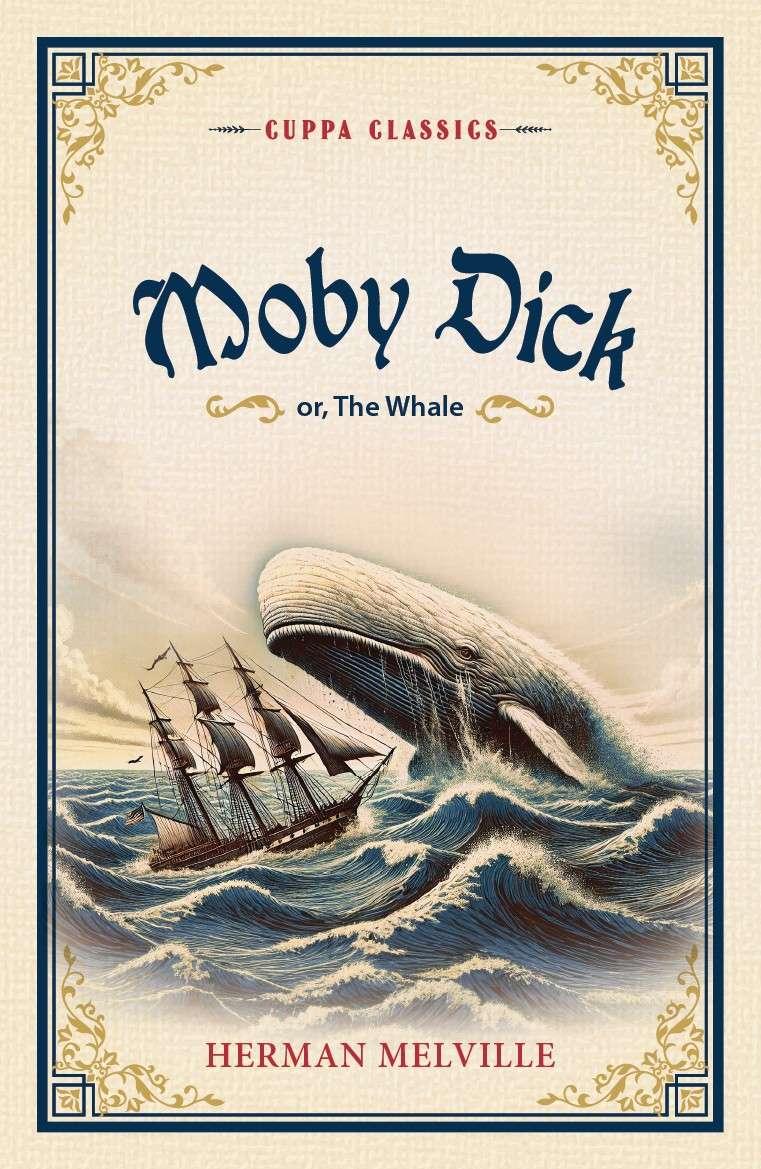
Moby-Dick often intimidates readers with its sheer length and detail. What begins as the tale of a whaling voyage soon turns into an obsessive pursuit of the elusive white whale. Along the way, the narrative frequently pauses for long, encyclopedic passages on whales, ships, and the whaling industry, which can test a reader’s patience. The dense prose and philosophical undertones make it feel slower than expected, leading many to abandon it despite its status as a magnum opus.
Buy here: Moby-Dick
4. War and Peace
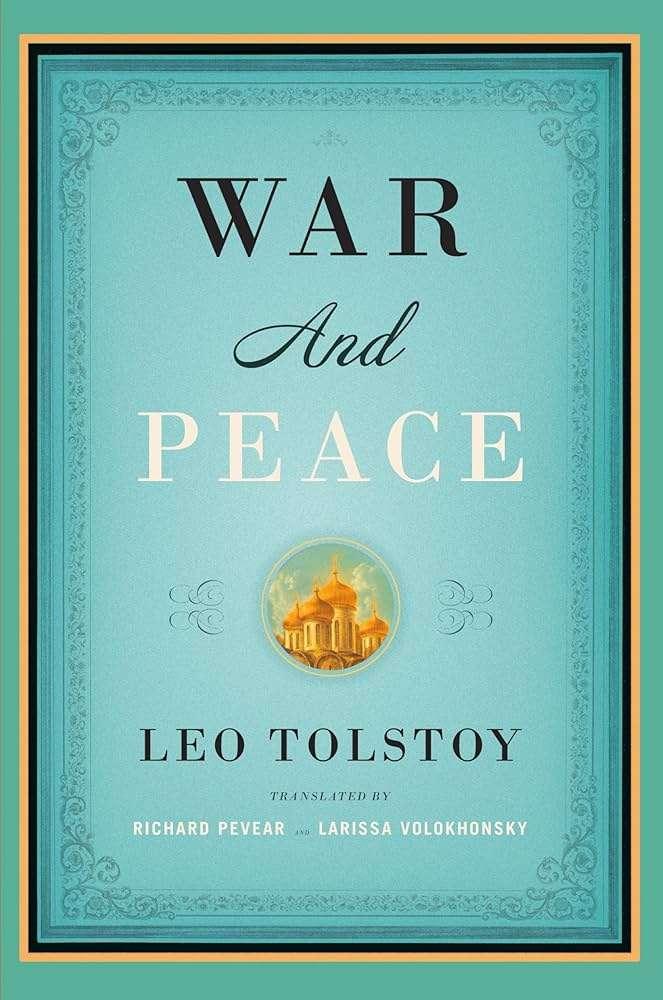
War and Peace has a reputation for being huge—and it absolutely lives up to it. Set during the Napoleonic Wars, it follows several Russian families, jumping between war scenes, society drama, and personal struggles. The challenge isn’t just the length, but also the massive cast of characters (many with long, similar names) and the slower, philosophical sections. It’s a brilliant novel, but staying invested for that many pages is where most readers tap out.
5. Les Misérables
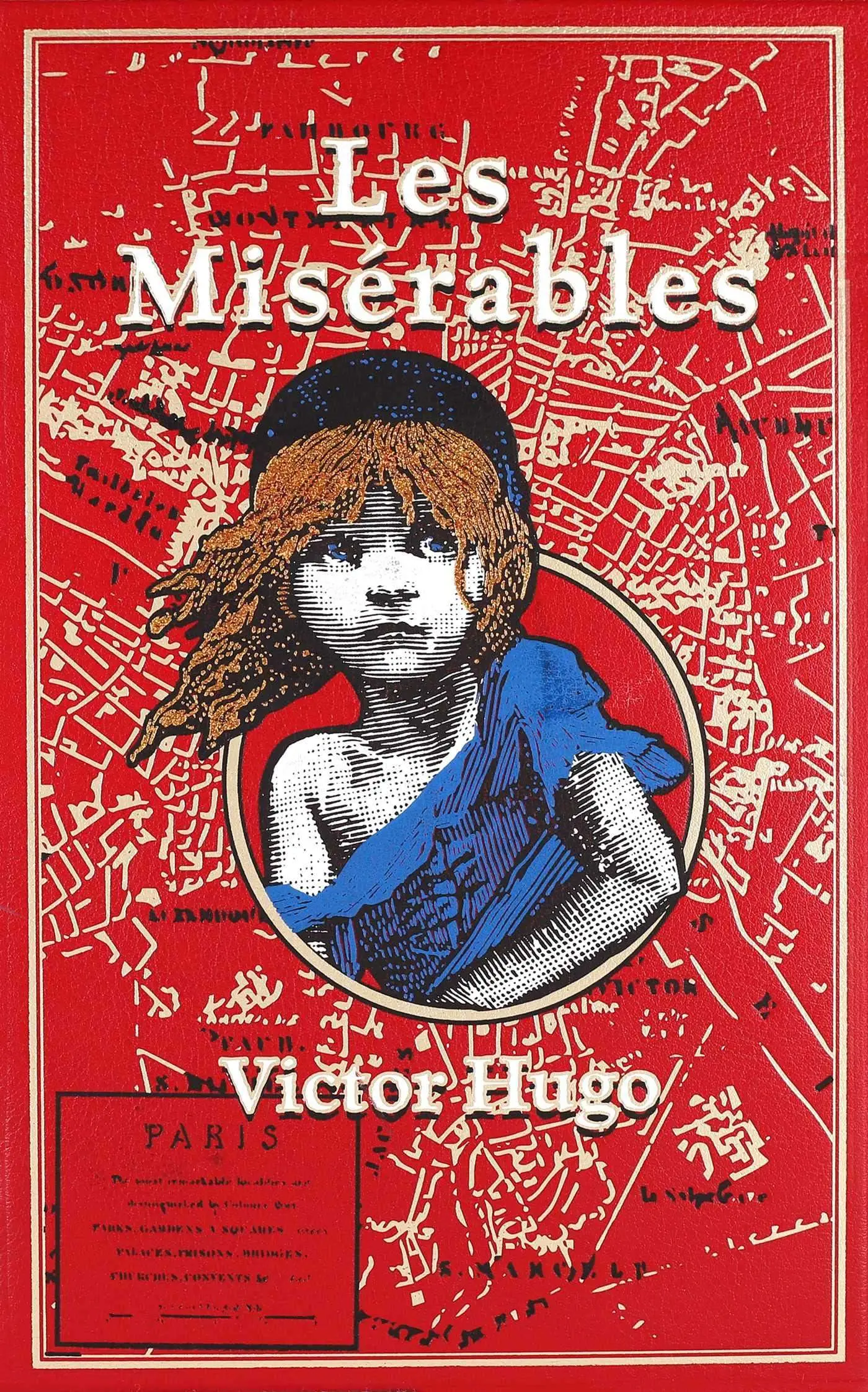
Les Misérables by Victor Hugo is famous for its powerful story—but also for how long and detailed it can get. While it follows the moving journey of an ex-convict who stole bread, the novel frequently pauses for massive digressions on history, politics, religion, and even things like the Paris sewer system. These sections can feel never-ending if you’re just there for the story, causing many readers to lose momentum despite the emotional payoff.
6. Don Quixote

Don Quixote by Miguel de Cervantes instantly grabs readers’ attention because of its reputation as the first modern novel of Western literature, and many expect a challenging read before they even begin. While parts are genuinely funny and clever, the episodic structure, repetition, and old-fashioned style can make it feel longer than it actually is. Some readers adore this, while others simply can’t bear the time and patience it demands, losing steam before reaching the end.
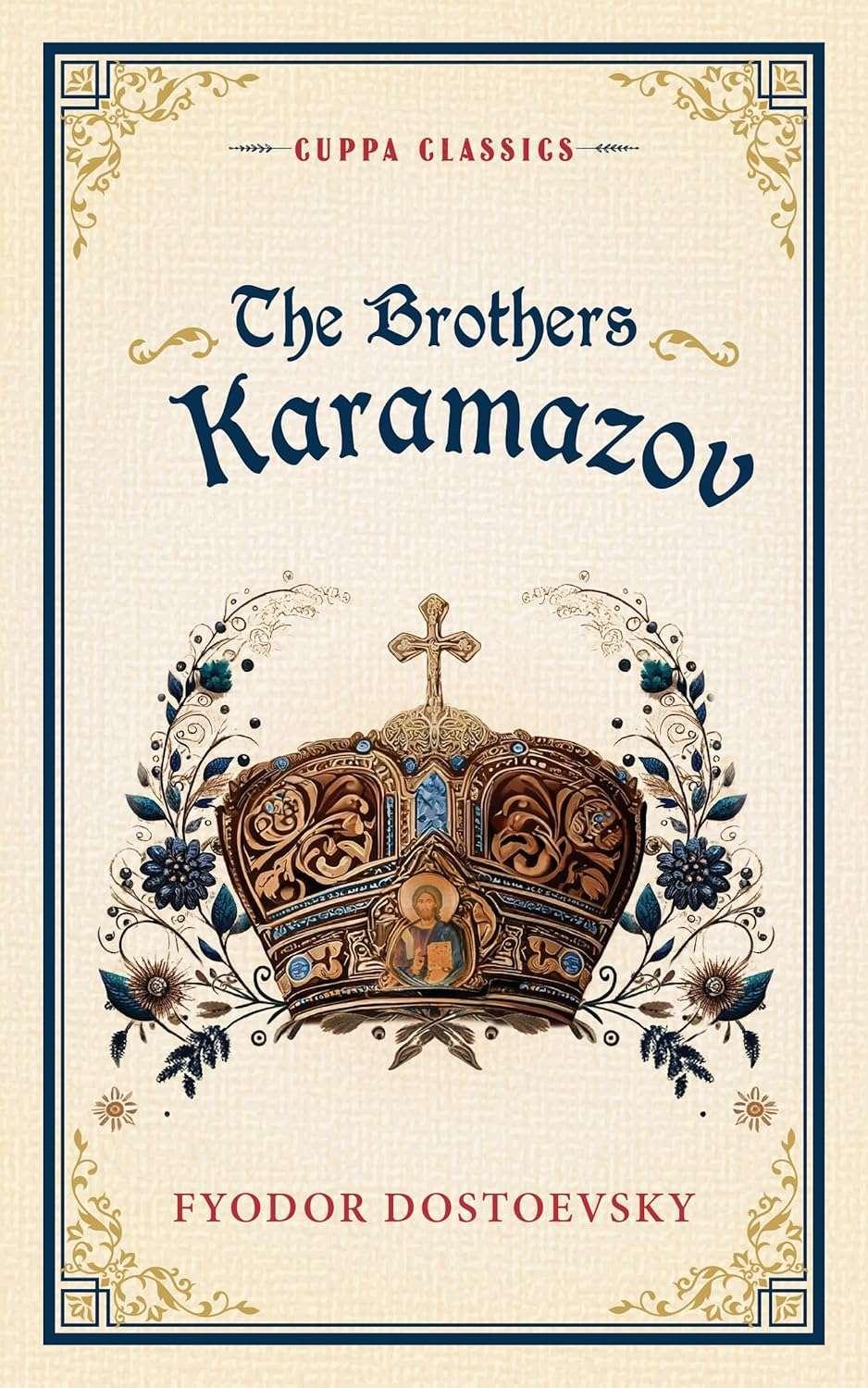
7. The Brothers Karamazov

The Brothers Karamazov is often praised as a masterpiece—but it can feel heavy from the very start. The novel dives deep into faith, morality, free will, and family conflict through the lives of three very different brothers. Long philosophical discussions, dense themes, and emotional intensity make it a demanding read. Some readers find it profoundly moving and life-changing, while others struggle to stay engaged with the never-ending list of characters with complicated names and their depth.
Buy here: The Brothers Karamazov
Why Endure Through These Classics
We’re not here to remind you how hard these books are—if you own one and have attempted it, you already know. Yes, they demand the right headspace, emotional stamina, time, and a great deal of patience. But they also offer something rare in return: depth that lingers long after you’ve closed the book. For readers who have pushed through and cherished that experience, revisiting a difficult classic can feel surprisingly rewarding, revealing new layers each time—intellectually and emotionally.
If you’ve been waiting for a sign to pick one up again, this is it. Dust it off, open to that dog-eared page, and give it another honest try.
Till then, happy reading!
Your next read: A Gentle Guide to Reading Virginia Woolf Without Feeling Intimidated