

Parent Categories


Related Books


5 Classics That Ask What a Republic Truly Owes Its People (Republic Day Special)
 5 Classics for Republic Day
Every Republic Day, we celebrate the visible symbols of nationhood—parades, flags, constitutions, and speeches that invoke liberty, equality, and fraternity. But beneath these rituals lies a deeper, more unsettling question: what does a republic actually owe its people? Is it merely protection and order, or something far more demanding—justice, dignity, freedom of thought, and the courage to reform itself?
Across centuries and continents, political thinkers have grappled with this very question. Their answers do not always agree, but together they form the intellectual spine of republican thought. On this Republic Day, revisiting five classics helps us move beyond patriotic slogans to the harder work of reflection. These books do not flatter the republic; they interrogate it.
Also read: Cheers to New Beginnings: Classic Books for Your 2026 Reading List
1. The Republic – Plato
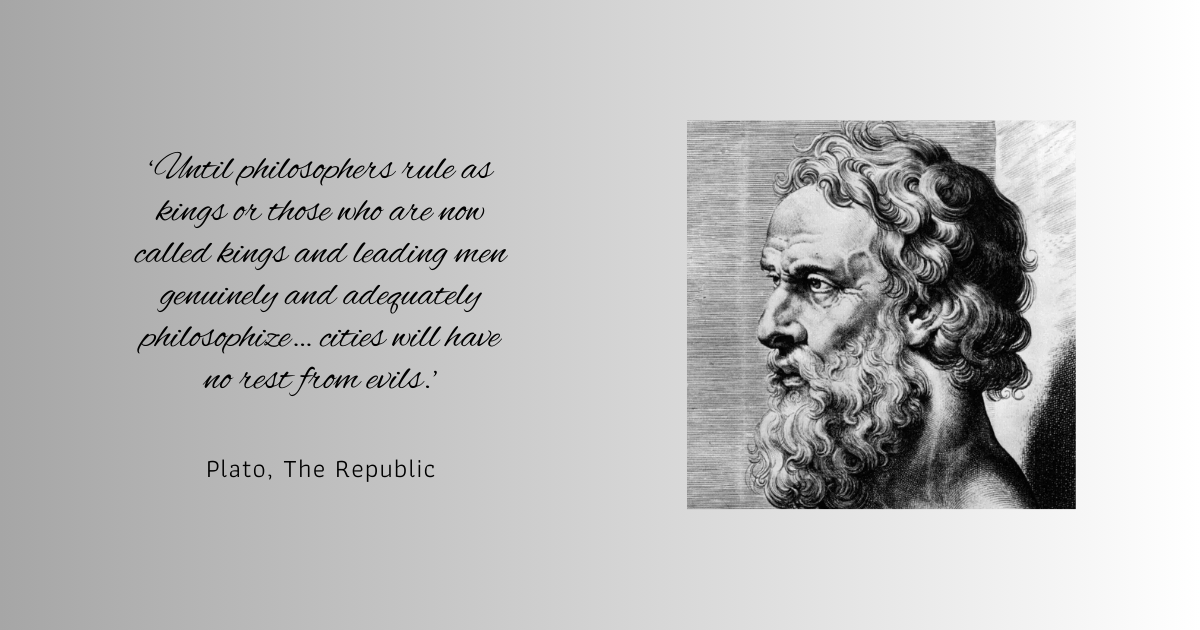
Plato’s The Republic is perhaps the earliest sustained attempt to imagine a just political order. Framed as a dialogue led by Socrates, the book asks a deceptively simple question: what is justice? Plato’s answer ties the health of the republic directly to the moral health of its citizens.
For Plato, a republic owes its people more than laws—it owes them moral education. He believed that when rulers are driven by appetite or ambition rather than wisdom, the state inevitably decays. His ideal republic, governed by philosopher-kings, prioritises truth and reason over popularity.
While modern democracies rightly reject Plato’s elitism, his warning still resonates: a republic that rewards ignorance, spectacle, or demagoguery betrays its own foundations. Plato reminds us that freedom without wisdom can quietly slide into chaos.
2. The Politics – Aristotle
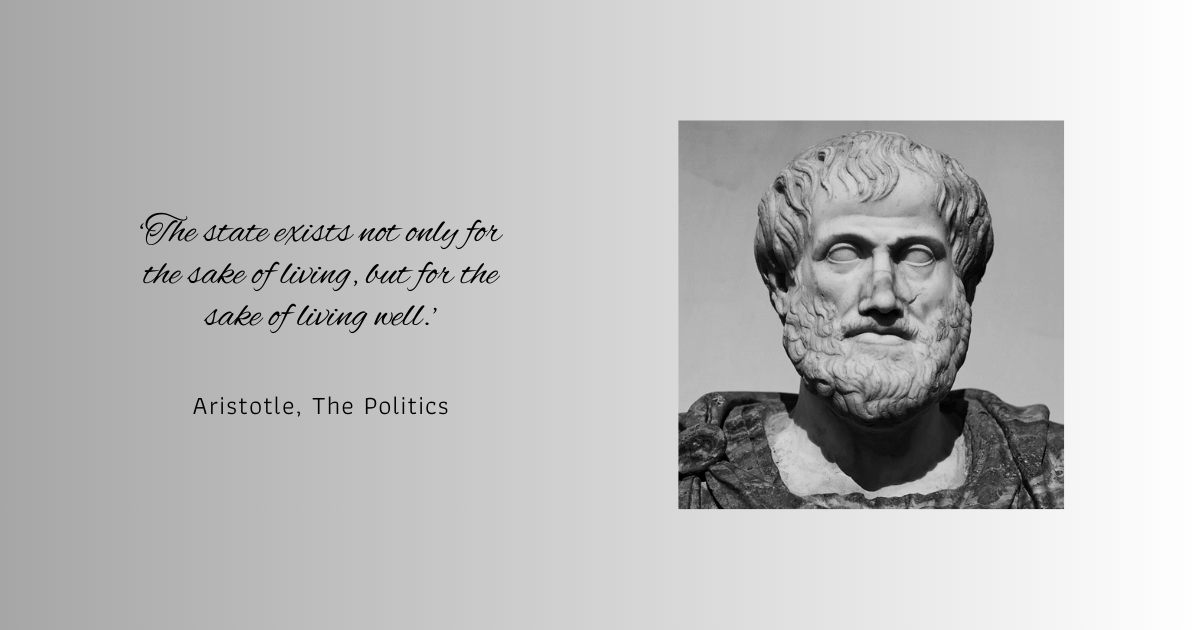
If Plato dreams, Aristotle observes. The Politics is grounded in the real workings of states, constitutions, and human behaviour. Aristotle famously declared that humans are ‘political animals’, arguing that the purpose of the state is not mere survival but the good life.
For Aristotle, a republic owes its people balance. He champions the middle class as the stabilising force of any polity and warns against extremes—both of wealth and power. Unlike Plato’s rigid hierarchy, Aristotle accepts that many forms of government can work, provided they serve the common good rather than narrow interests.
His insights feel strikingly contemporary. When inequality grows too vast, when institutions serve only elites, or when citizenship becomes hollow, the republic falters. Aristotle reminds us that good governance is less about ideology and more about cultivating fairness, participation, and moderation.
3. Rights of Man – Thomas Paine
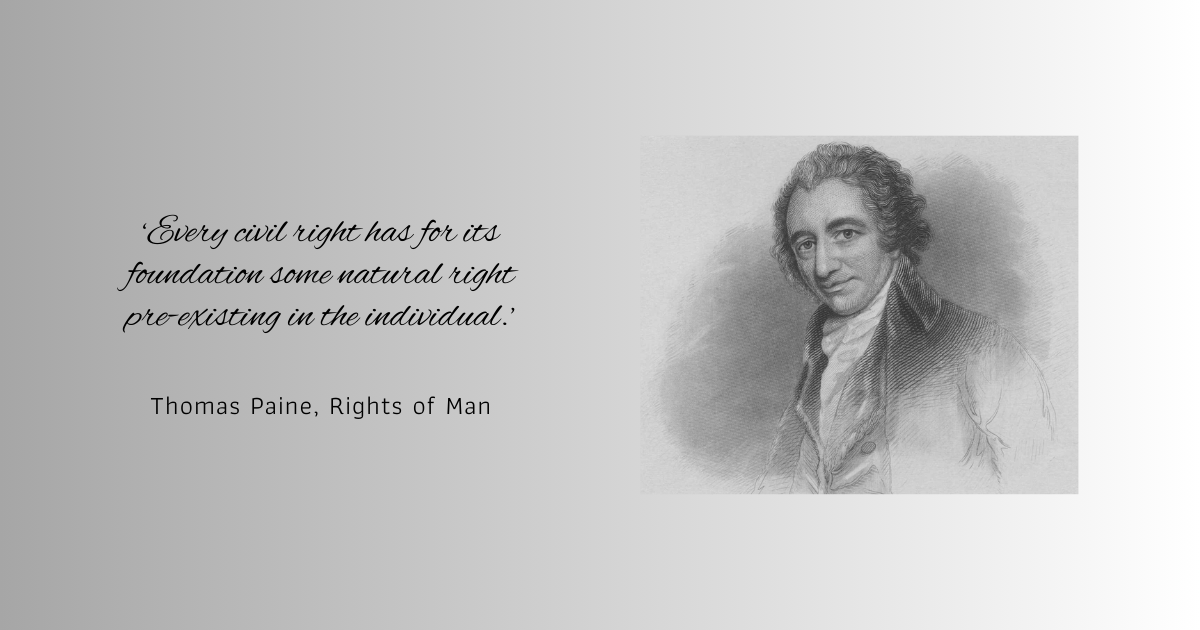
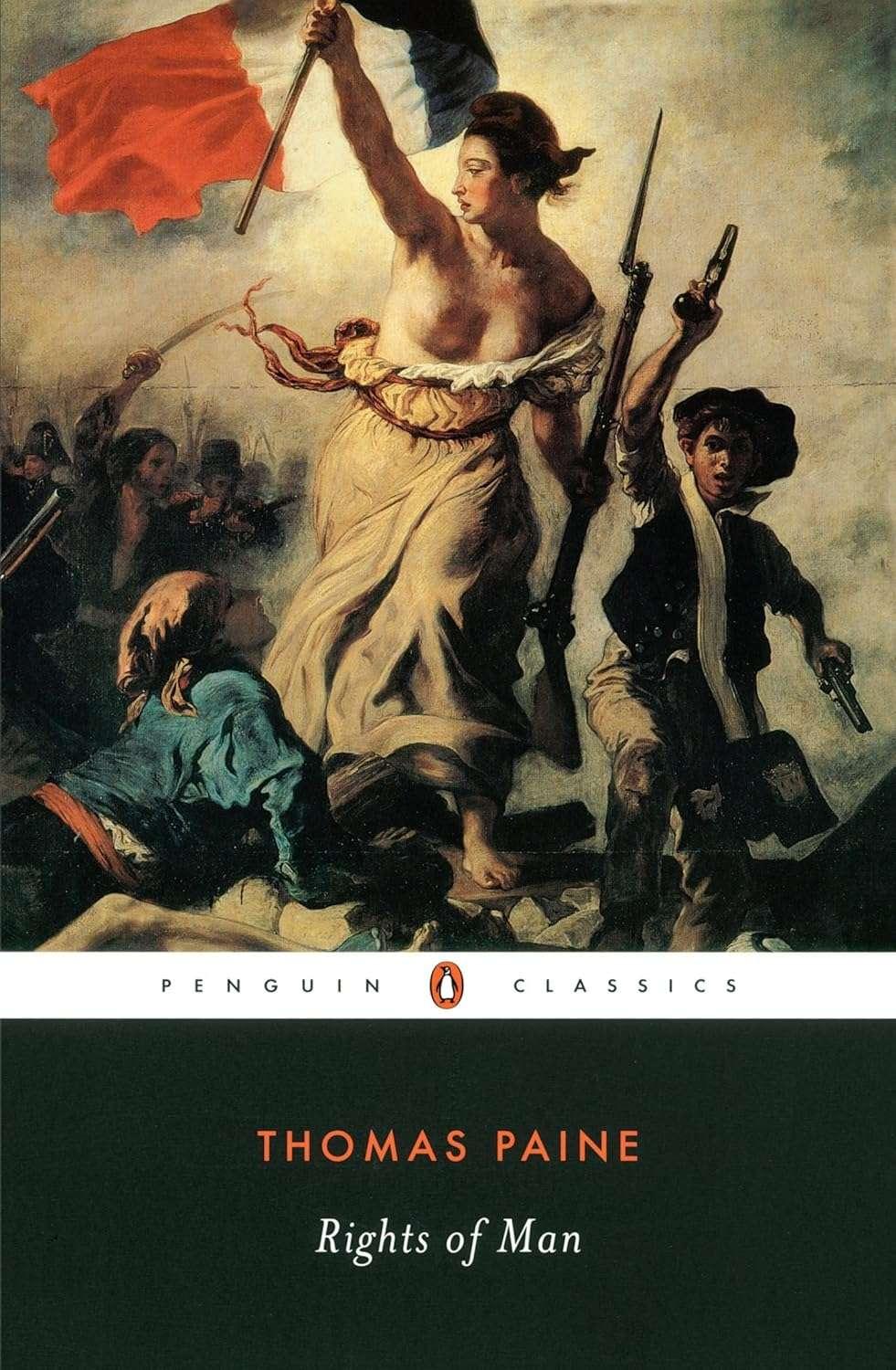
Written in the heat of revolutionary fervour, Thomas Paine’s Rights of Man is a defiant declaration that governments exist because of people—not the other way around. Paine rejects the idea that authority is inherited or divinely ordained. Instead, he insists that all individuals are born with natural rights that no state may legitimately violate.
For Paine, a republic owes its people accountability. If a government fails to protect rights or act in the public interest, citizens are justified in reforming or even replacing it. His work helped popularise the radical notion that sovereignty lies with the people, not with monarchs or ruling classes.
In a world where constitutional rights are often taken for granted—or quietly eroded—Paine’s writing crackles with urgency. A republic, he argues, must constantly earn its legitimacy through justice and transparency.
4. On Liberty – John Stuart Mill
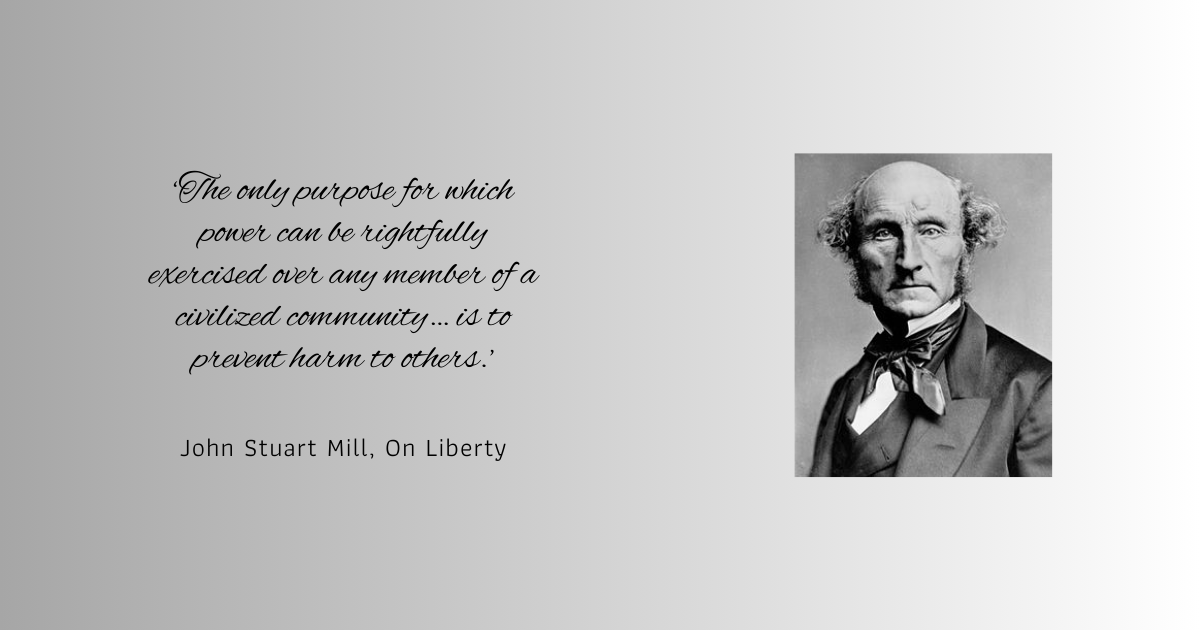
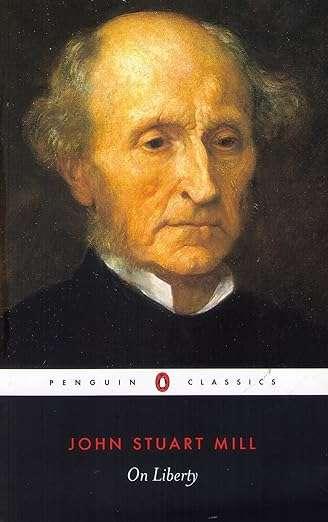
John Stuart Mill’s On Liberty narrows the focus from the state to the individual, asking how much power society can justly exercise over personal freedom. Mill’s answer is clear: the only legitimate reason to restrict liberty is to prevent harm to others.
Mill feared not just tyrannical governments, but tyrannical majorities. In a republic, he warned, public opinion itself can become oppressive, silencing dissent and originality. A healthy republic, therefore, owes its people space to think freely, speak boldly, and live differently.
Mill’s defence of free speech feels especially relevant in an age of outrage and conformity. He believed that even unpopular or offensive ideas serve a purpose: they test truth, challenge complacency, and keep societies intellectually alive. Without such freedom, a republic may remain democratic in form but hollow in spirit.
5. The Annihilation of Caste – Dr BR Ambedkar
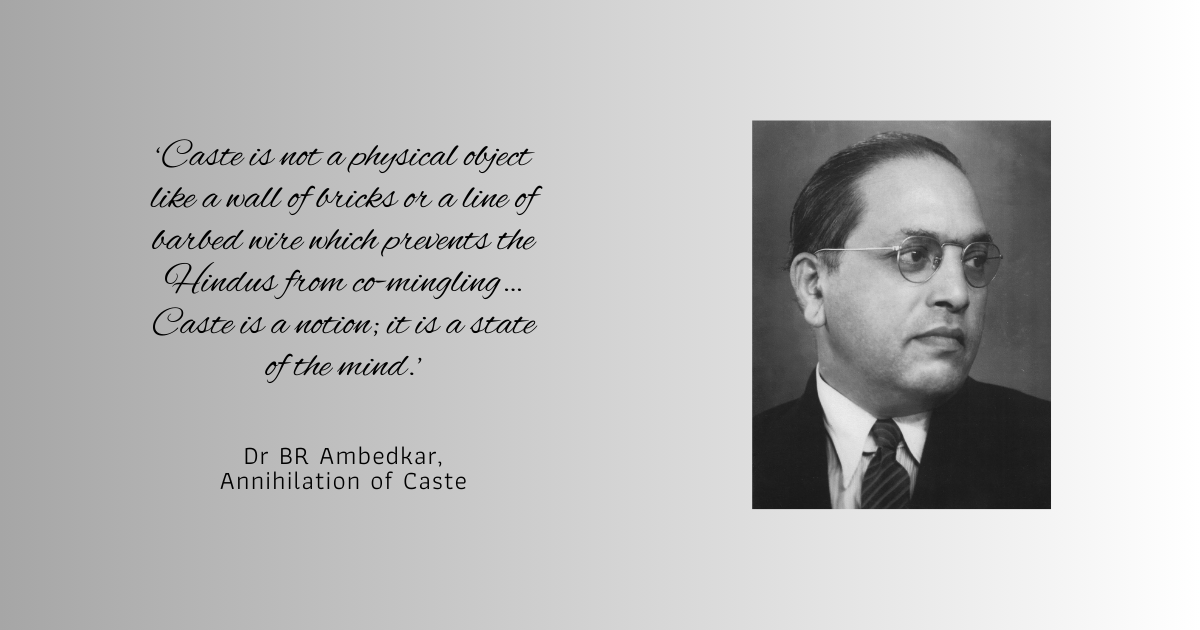
If the earlier classics ask what a republic should be, Dr BR Ambedkar confronts what it fails to be. The Annihilation of Caste is not a theoretical treatise; it is a moral indictment. Ambedkar argues that political freedom is meaningless without social equality.
For Ambedkar, a republic owes its people dignity. He exposes how caste hierarchies undermine the very idea of fraternity, turning citizenship into a hollow promise for millions. Democracy, he insists, is not just a system of government but a way of life—one that must be rooted in social justice.
Ambedkar’s work is especially vital in the Indian republican context. He forces us to confront an uncomfortable truth: constitutions can proclaim equality, but unless societies dismantle inherited privilege and discrimination, the republic remains incomplete.
What These Classics Ask of Us
Taken together, these five books reveal that a republic owes its people far more than borders, ballots, and bureaucracies. It owes them justice rooted in reason, governance aimed at the common good, protection of fundamental rights, freedom of thought, and above all, human dignity.
On Republic Day, these classics invite us to move beyond celebration toward introspection. They remind us that a republic is not a finished achievement but a continuous moral project—one that demands vigilance, courage, and the willingness to question power, including our own.
Because in the end, the strength of a republic is measured not by its ceremonies, but by how seriously it takes the lives of its people.
Your next read: Beyond The God of Small Things: The Literary and Political Legacy of Arundhati Roy