

Parent Categories



Related Books
130 Years On, Oscar Wilde Finds His Way Back to the Library
 Oscar Wilde Finds His Way Back to the Library
Oscar Wilde once wrote, “To live is the rarest thing in the world; most people exist, that is all.”
Those words carry a sharper edge when set against the forces that shaped his own life. The celebrated novelist, poet, playwright and author of The Picture of Dorian Gray was imprisoned for his sexuality.
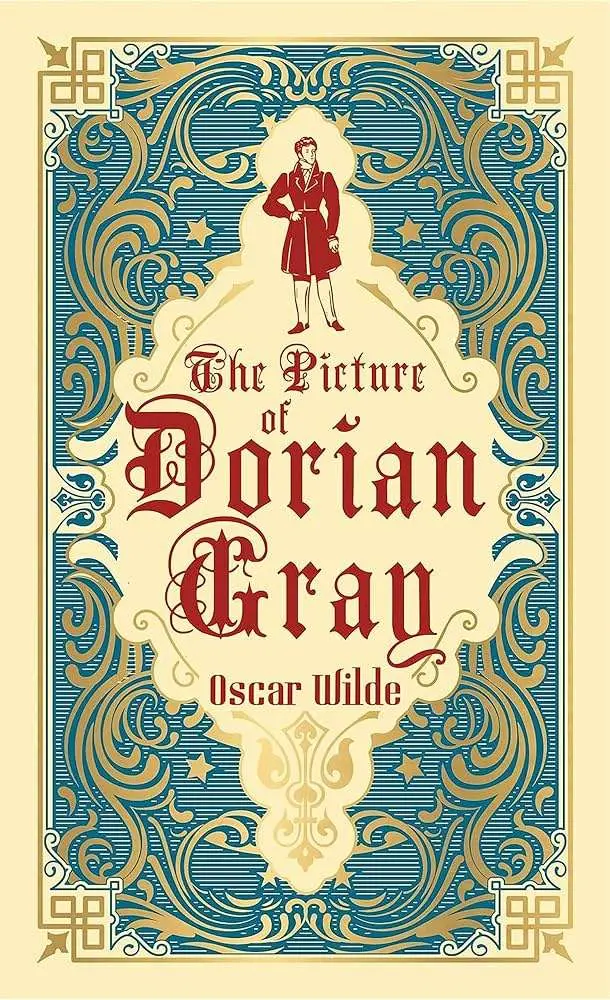
Buy here: The Picture of Dorian Gray
But the consequences extended beyond the courtroom. Now, 130 years later, Wilde’s name has been welcomed back: the British Library has reissued a reader’s card in his honour and presented it to his grandson.
In this blog, we’ll explore what Wilde endured, how institutions once turned their backs on him, and why the return of a single library card carries meaning far beyond its paper and ink.
Oscar Wilde’s Infamous Imprisonment & Trial
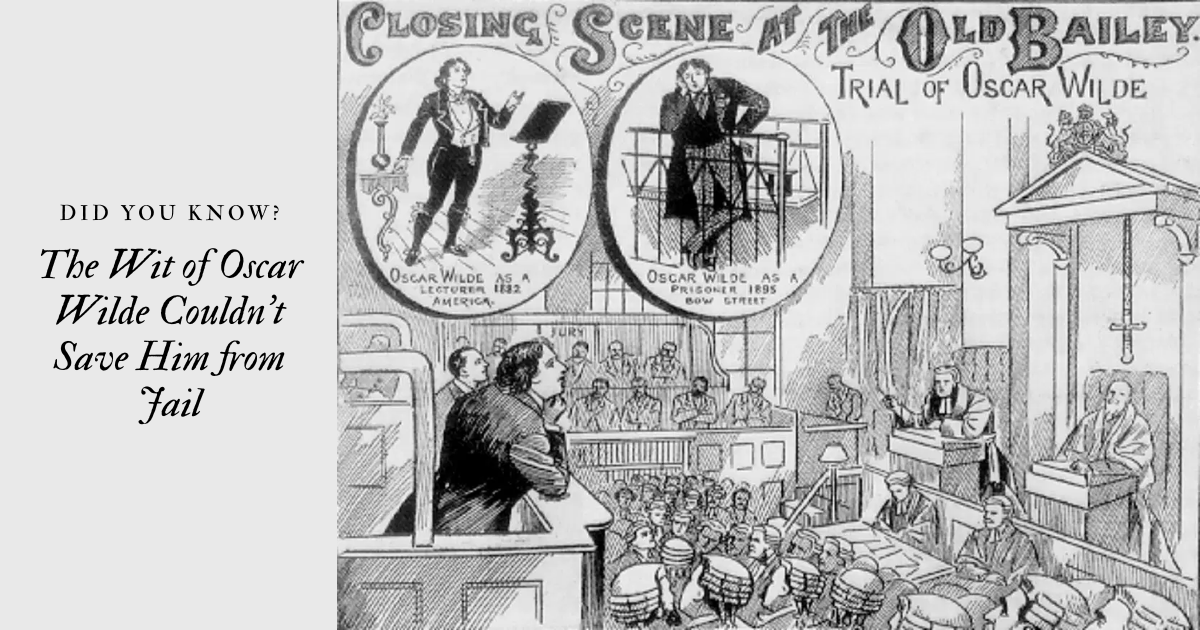
Long before Oscar Wilde’s library card was taken from him, his identity was already under attack. The catalyst came from his lover’s father, whose hostility toward Wilde was both personal and deeply public. In 1895, he left a calling card at Wilde’s club inscribed with the accusation: “For Oscar Wilde, posing somdomite.” It was a deliberate humiliation. And Wilde chose to respond by taking a legal stand.
But the courtroom quickly became a stage for something far more insidious. The trial shifted its focus to Wilde himself—his private relationships, his wit, his art. Most strikingly, The Picture of Dorian Gray was thrust into the proceedings as supposed proof of Wilde’s “corrupt influence” and “unnatural acts.”
Wilde was forced to withdraw the libel case. However, the retreat offered no protection. Almost immediately, he was arrested and charged with “gross indecency” for his homosexuality.
Also read: Did You Know? The Wit of Oscar Wilde Couldn’t Save Him from Jail
How the Trial Led to Wilde’s Library Card Being Revoked
After Wilde was convicted, the consequences extended far beyond the courtroom. His trial became a spectacle of public shaming, and with that came a series of institutional punishments. One of them was a standard practice at the time: banning convicted individuals from places like the British Museum’s Reading Room, which later became the British Library.
 [Credit: BBC, British Library Board]
The revocation of Wilde’s library pass was recorded quietly, without explanation or discussion, in the trustees' minutes dated 15 June 1895. By that point, Wilde had already spent three weeks in prison, beginning his two-year sentence of hard labour.
 [Trustees' papers noted Wilde's exclusion from the library at the time. Credit: BBC, British Library Board]
A Long-Overdue Gesture: Wilde’s Library Card Returned After 130 Years
As time has passed and societies have slowly opened their eyes to LGBTQIA+ identities, Oscar Wilde’s work has taken on a new and deeper resonance. The Picture of Dorian Gray, once criticised and used against him, has become a beloved classic, read with fresh understanding by generations who now see the longing, beauty, and coded pain embedded within it. With that shift came a renewed awareness of Wilde’s own struggles—the injustices he endured, and the suffering imposed on him simply for who he was.
 [The date of Oscar Wilde's death, 30 November 1900, has been used as the new card's expiry date. Credit: BBC, British Library Board]
In that spirit, one gesture had long felt overdue—reissuance of his revoked library. More than a century later, the British Library has finally reissued it as a symbolic act meant to acknowledge the injustices and immense suffering he faced. The new card was collected by his grandson, author Merlin Holland, on Wilde’s 171st birthday.
The Meaning of Wilde’s Return to the Library
Nothing can erase what Oscar Wilde was put through—not the humiliation, not the trial, not the months of hard labour that broke his body but never his mind. Regardless, the reissuing of his library card is a small, long-delayed acknowledgement that what happened to him was wrong. It’s a gesture that finally acknowledges the injustice for what it was.
What’s remarkable is that Wilde kept writing even when the world tried to silence him. In the darkest corners of his life, he held onto words. And those words became lifelines—for him, and later for us. The Picture of Dorian Gray, his poems, his plays, his letters: they refuse to soften the truth of who he was or what he suffered. They continue to reach readers who recognise themselves in his defiance, his loneliness, his beauty, his wit.
For readers, his return to the library feels like a belated correction, a moment where the institution that once shut him out finally opens its doors.
Your next read: The Queer Subtext of Dorian Gray: Oscar Wilde’s Hidden Desire in a Victorian World