

Parent Categories



Related Products


12 Classic Poems You Should Read This National Poetry Month
 National Poetry Month
Every April, as the world celebrates National Poetry Month, there’s a renewed invitation to slow down and listen—to language, to rhythm, and to the gentle truths poetry reveals. In a world that moves quickly, poetry asks us to pause. It captures fleeting emotions, preserves powerful ideas, and reminds us of the shared human experience that transcends time and place.
This National Poetry Month, immerse yourself in ten classic poems that have endured across generations. Each one offers not just words on a page, but a world to step into.
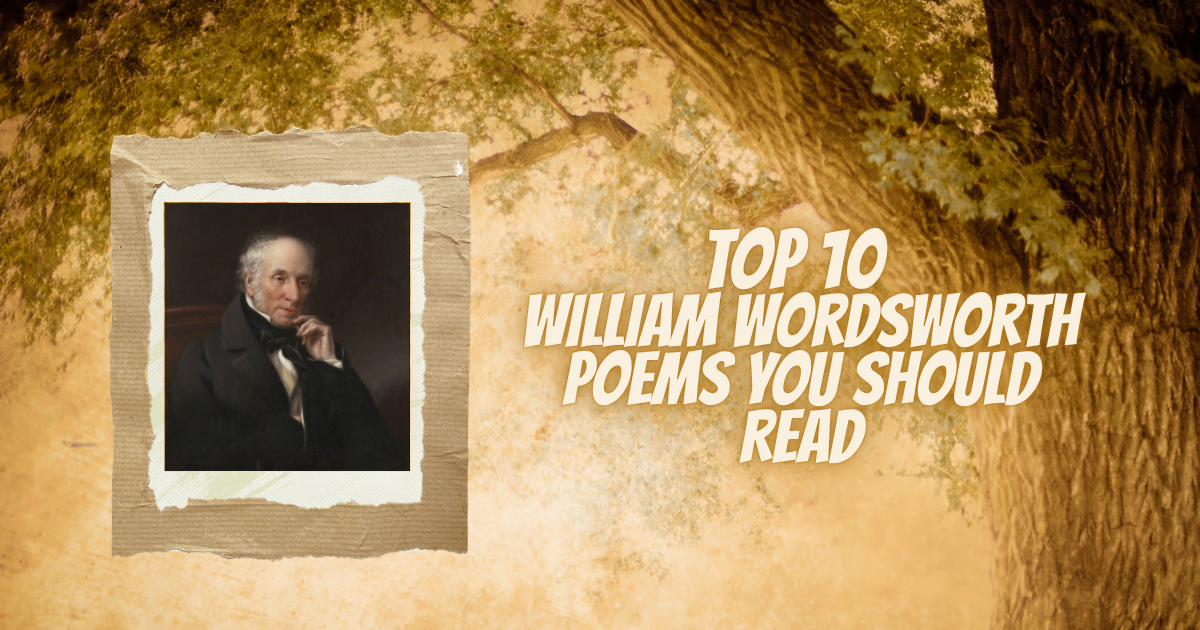
Also read: Top 10 William Wordsworth Poems You Should Read
1. ‘I Wandered Lonely as a Cloud’ by William Wordsworth
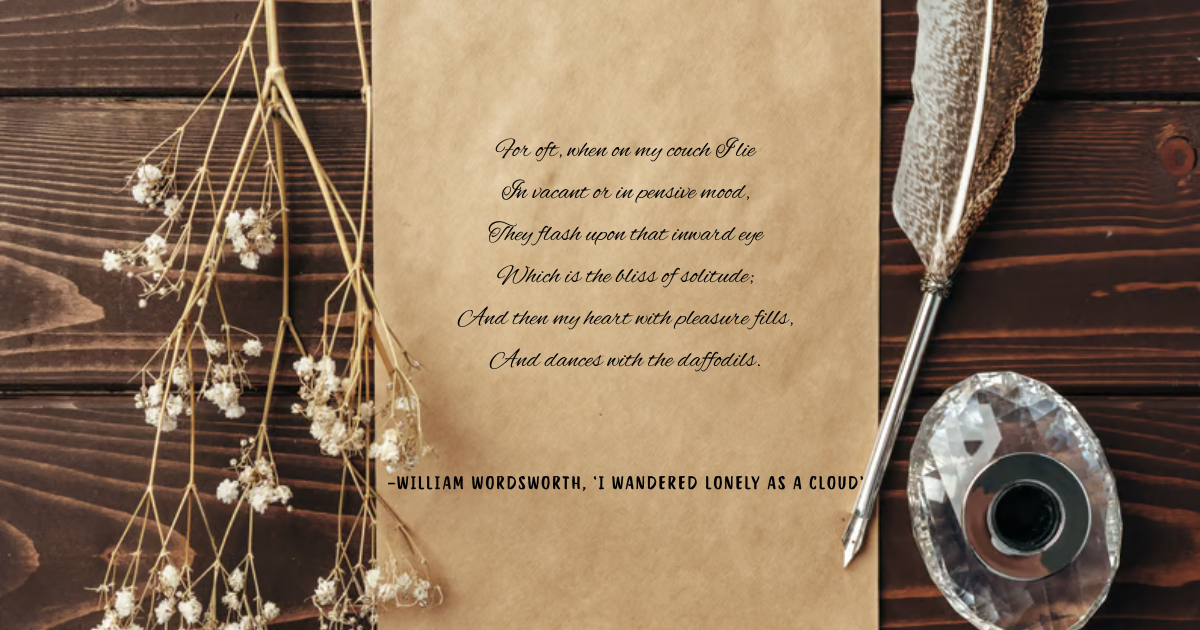
Also known as ‘Daffodils’, this beloved poem transforms a simple encounter with nature into something almost spiritual. Wordsworth’s daffodils are not merely flowers—they become companions, dancing with a life of their own. What makes the poem truly special is its reflection on memory: long after the moment has passed, the image continues to bring joy. It’s a gentle reminder that nature has the power to heal and uplift, even in solitude.
Timelessness: The poem captures a universal truth—the healing power of nature and memory. In an increasingly fast-paced and disconnected world, Wordsworth’s quiet reflection reminds us that even a fleeting moment of beauty can sustain us long after it has passed.
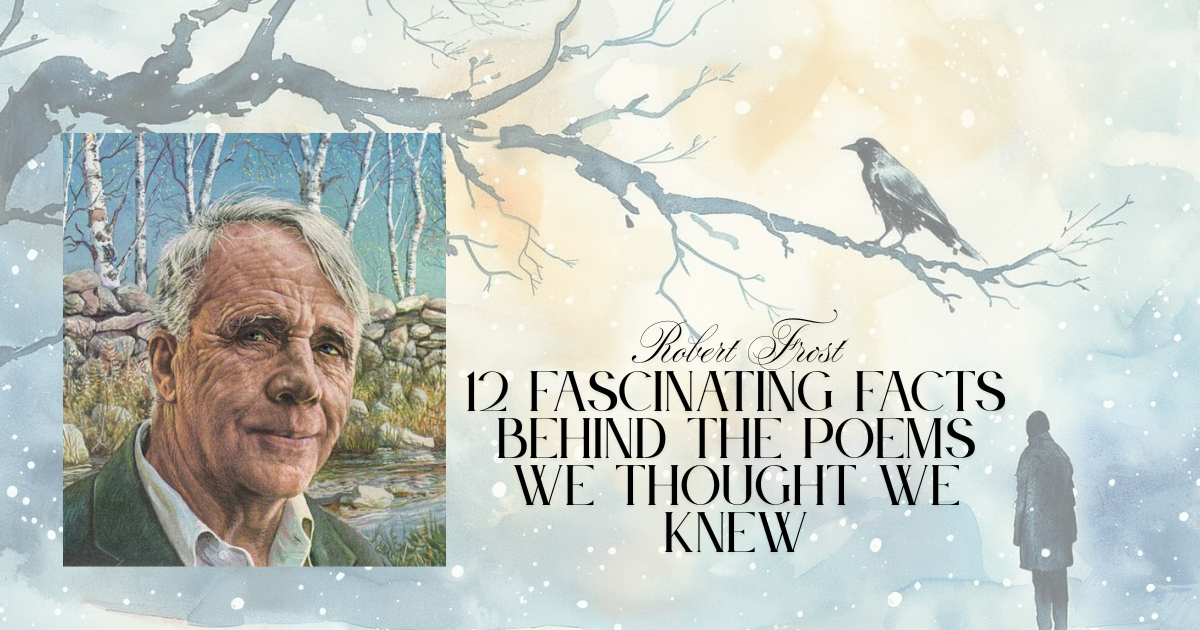
2. ‘The Road Not Taken’ by Robert Frost
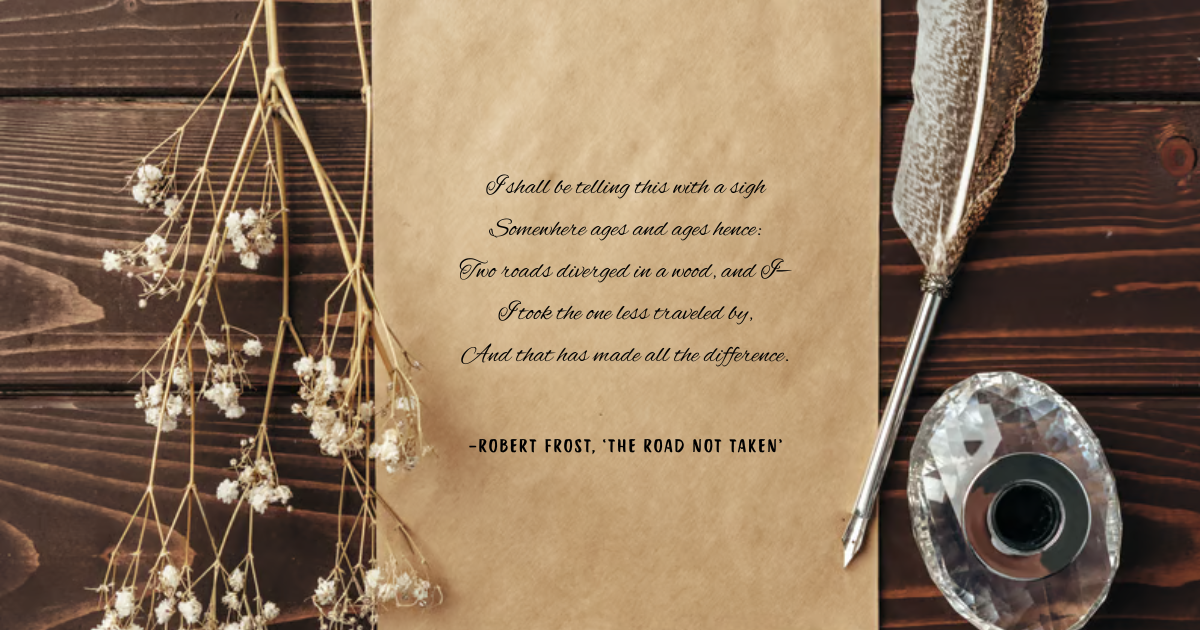
Often quoted as a celebration of individuality, this poem is more layered than it first appears. Frost presents a traveler faced with two seemingly similar paths, subtly challenging the idea that our choices are always clear-cut or heroic. The poem captures the tension of decision-making and the human tendency to assign meaning to our past choices. It lingers because it reflects a truth we all recognise—life is shaped as much by uncertainty as by intention.
Timelessness: Life is a series of choices, and uncertainty is unavoidable. Frost’s poem remains relevant because it reflects the human tendency to look back and assign meaning to decisions, making it relatable to anyone who has ever wondered ‘what if’?
3. ‘Sonnet 18: Shall I compare thee to a summer’s day?’ by William Shakespeare
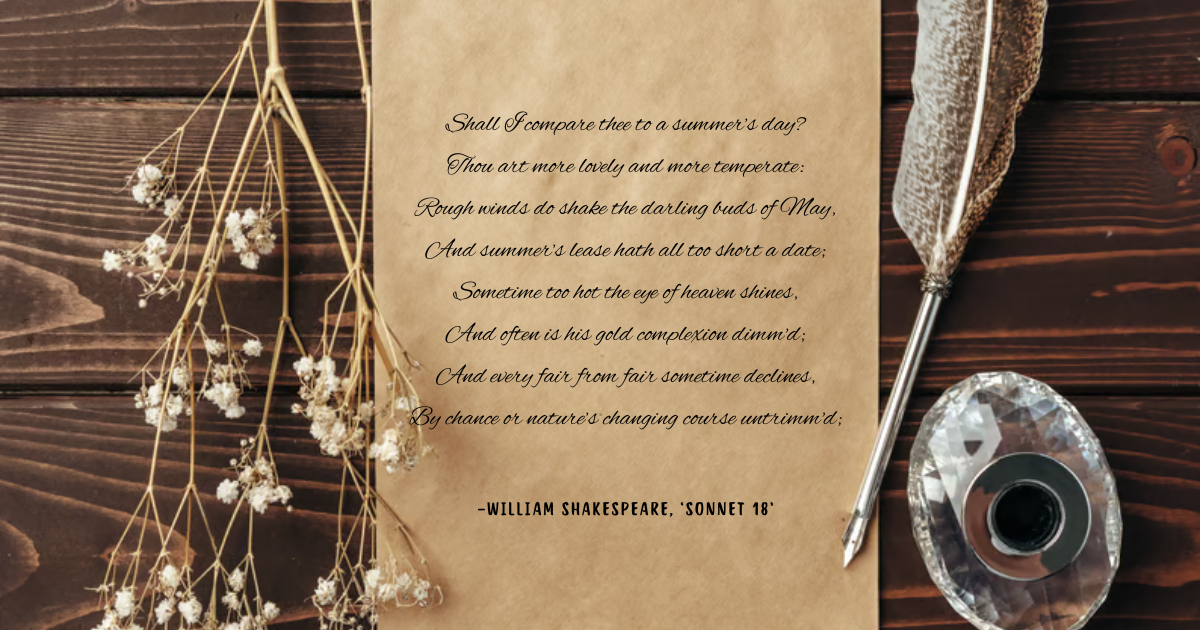
Few poems express love as elegantly as ‘Sonnet 18’. Shakespeare begins with a simple comparison but quickly elevates it, arguing that the beloved surpasses even the beauty of a perfect summer day. What gives the poem its enduring charm is its confidence in poetry itself—the idea that verse can defy time. While seasons change and beauty fades, the lines of this sonnet promise immortality through art. It’s as much about the power of poetry as it is about love.
Timelessness: Love and beauty may fade, but art endures. Shakespeare’s idea that poetry can grant immortality continues to resonate, especially in an age where people seek permanence in fleeting digital expressions.
4. ‘Still I Rise’ by Maya Angelou
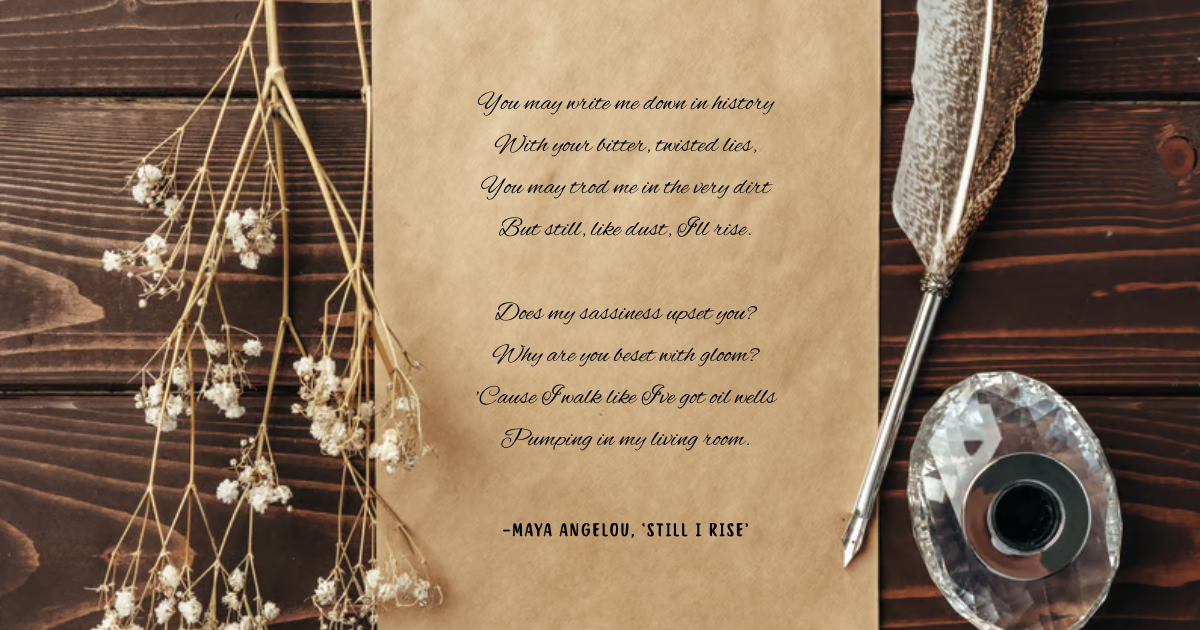
This poem pulses with strength, rhythm, and defiance. Rooted in the history of Black oppression and the lived realities of racism, Angelou’s voice rises above centuries of injustice with unwavering confidence. She confronts prejudice directly, yet her tone remains triumphant rather than bitter. With each repetition of ‘I rise’, the poem gathers power, transforming pain into pride and resistance into celebration. It’s not just about survival—it’s about reclaiming dignity and flourishing in the face of systemic adversity. Reading it feels empowering, as if the poem itself lifts you with every line.
Timelessness: Its message of resilience transcends specific historical contexts. Whether facing personal struggles or societal challenges, readers find strength in Angelou’s unwavering assertion of dignity and self-worth.
5. ‘If—’ by Rudyard Kipling
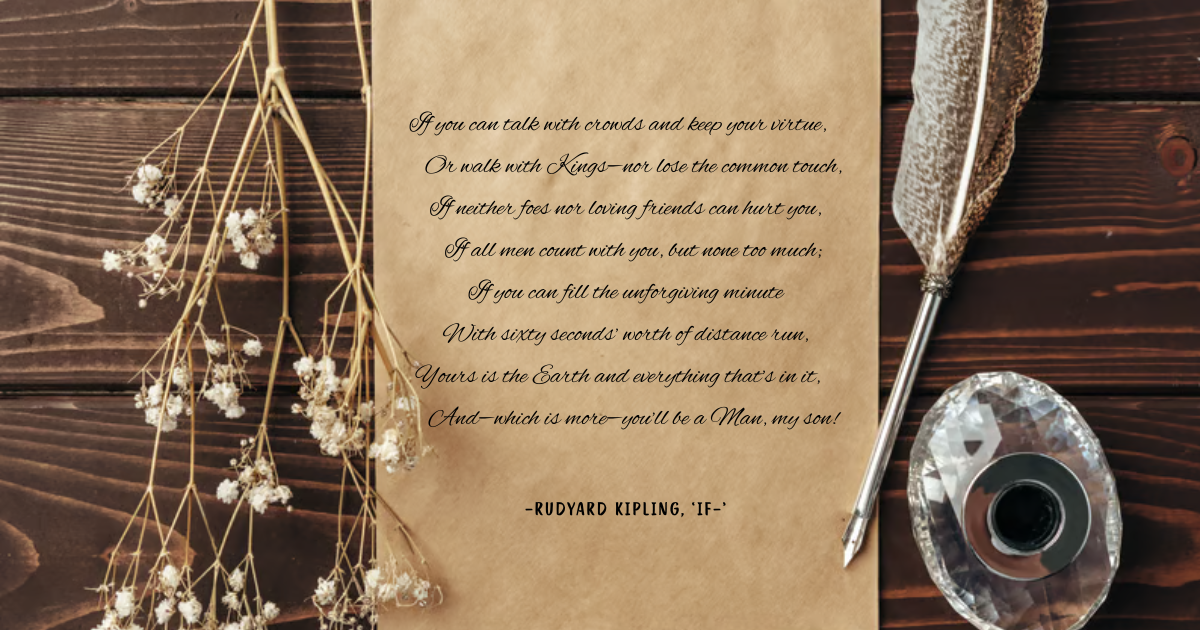
Structured as a series of conditions, ‘If—’ reads like timeless advice for navigating life’s challenges. Kipling emphasises balance—keeping your head when others lose theirs, trusting yourself without arrogance, and enduring both triumph and disaster with grace. The poem’s steady rhythm reinforces its message of composure and resilience. It’s often read as a guide to maturity, offering wisdom that remains relevant in any era.
Timelessness: The poem offers universal principles for living with integrity and balance. Its advice—about patience, humility, and perseverance—remains applicable regardless of time, culture, or circumstance.
6. ‘The Raven’ by Edgar Allan Poe
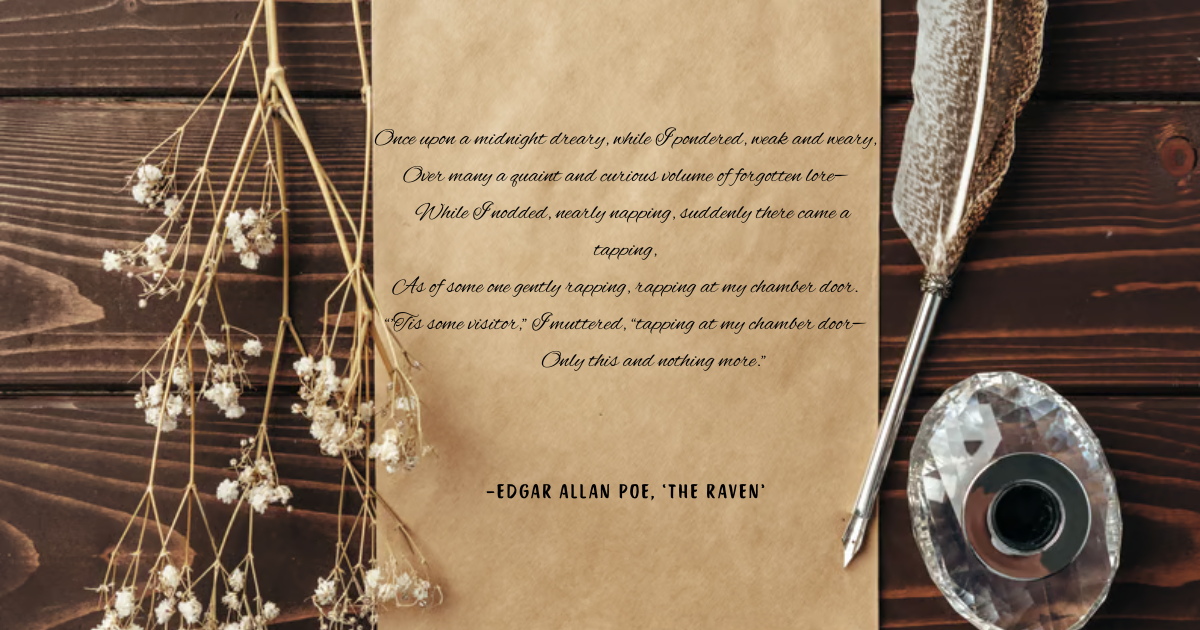
Dark and hypnotic, ‘The Raven’ draws readers into a world of grief and obsession. Poe’s use of repetition—especially the haunting ‘Nevermore’—creates a rhythm that feels almost inescapable. As the narrator confronts the mysterious bird, the poem becomes a psychological descent into sorrow. It’s not just a story of loss, but of the human tendency to dwell on it, to question it, and to be consumed by it.
Timelessness: Grief, loss, and obsession are deeply human experiences. Poe’s exploration of the mind’s darker corners continues to captivate readers, proving that emotional depth and psychological complexity never go out of relevance.
7. ‘Because I could not stop for Death’ by Emily Dickinson

Dickinson’s treatment of death is strikingly calm and contemplative. Instead of fear, she presents Death as a polite companion who escorts her on a quiet journey. The imagery is serene yet unsettling, moving through scenes of life before arriving at eternity. The poem invites readers to reconsider their perceptions of mortality—not as something abrupt or terrifying, but as a natural, even gentle transition.
Timelessness: The poem reframes death in a way that feels both intimate and philosophical. Its calm, almost conversational tone invites readers from any era to confront mortality with curiosity rather than fear.
8. ‘The Charge of the Light Brigade’ by Alfred Lord Tennyson
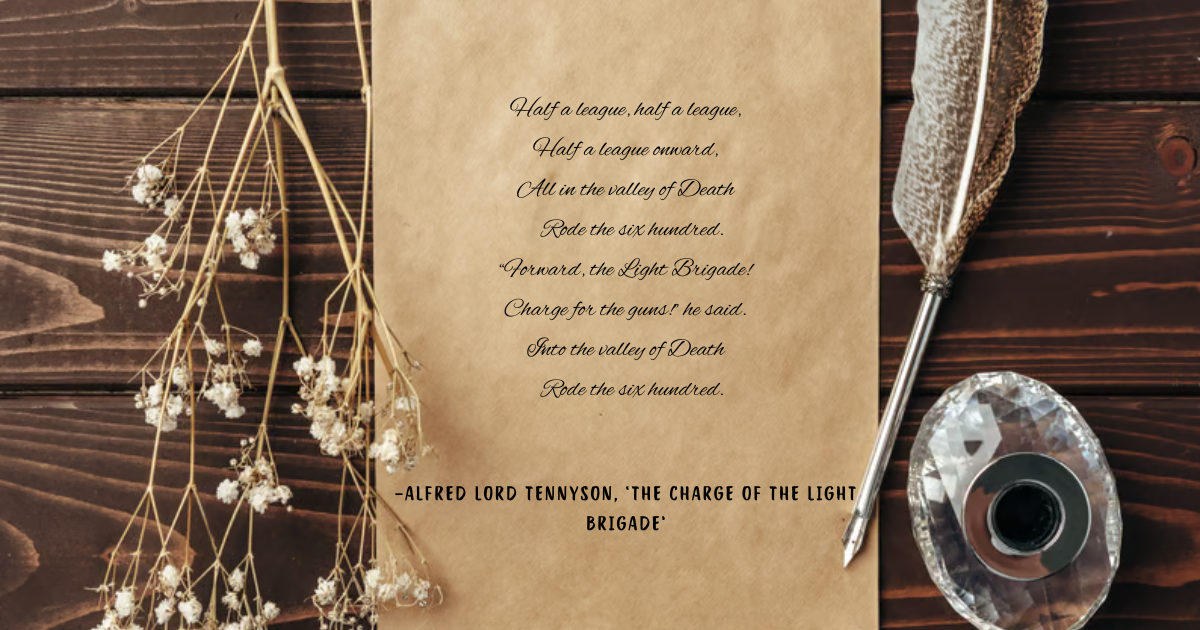
Inspired by a real event during the Crimean War, this poem captures the courage and tragedy of soldiers riding into a doomed battle. Tennyson’s rhythmic lines echo the pounding of hooves, immersing readers in the urgency of the charge. While it honours bravery, it also subtly questions the cost of blind obedience. The result is a powerful tribute that resonates with both pride and sorrow.
Timelessness: Themes of courage, duty, and sacrifice remain constant, especially in discussions of war and leadership. The poem’s emotional power lies in its ability to honour bravery while subtly acknowledging the tragedy of blind obedience.
9. ‘O Captain! My Captain!’ by Walt Whitman
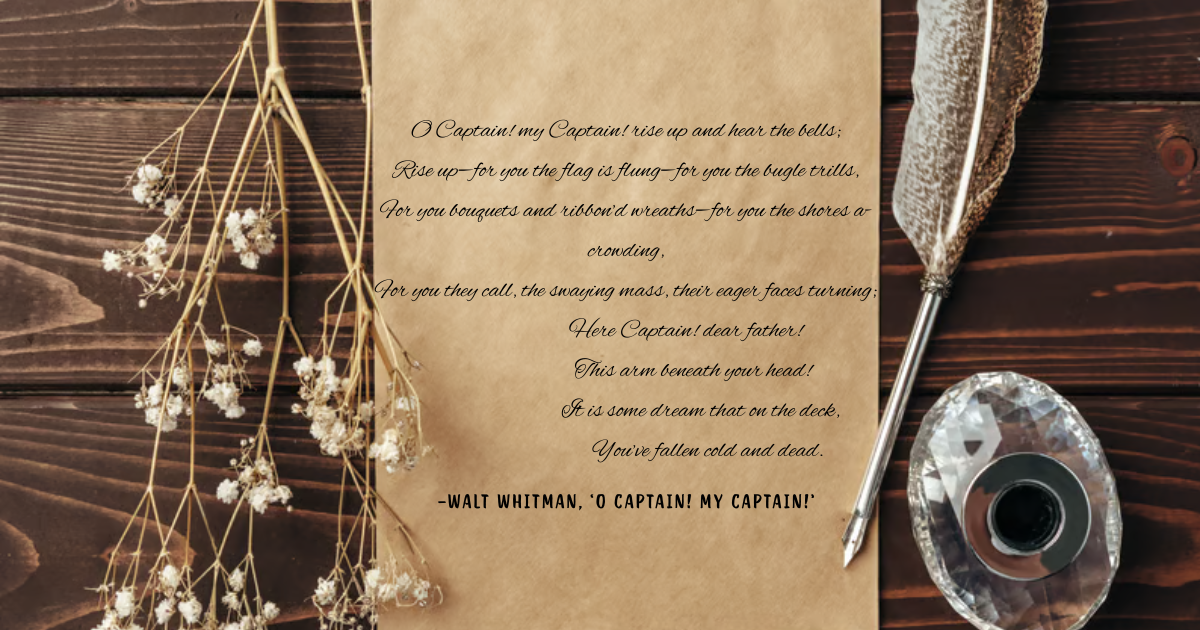
Written in response to the assassination of Abraham Lincoln, this poem blends personal grief with national mourning. Whitman uses the metaphor of a ship and its fallen captain to express the shock of victory overshadowed by loss. Unlike his usual free verse, the structured form adds a sense of control, as if trying to contain overwhelming emotion. It’s a poignant reflection on leadership, loss, and legacy.
Timelessness: Collective grief and the loss of great leaders are experiences that recur throughout history. Whitman’s elegy continues to resonate whenever societies mourn figures who shaped their identity and future.
10. The Solitary Reaper by William Wordsworth
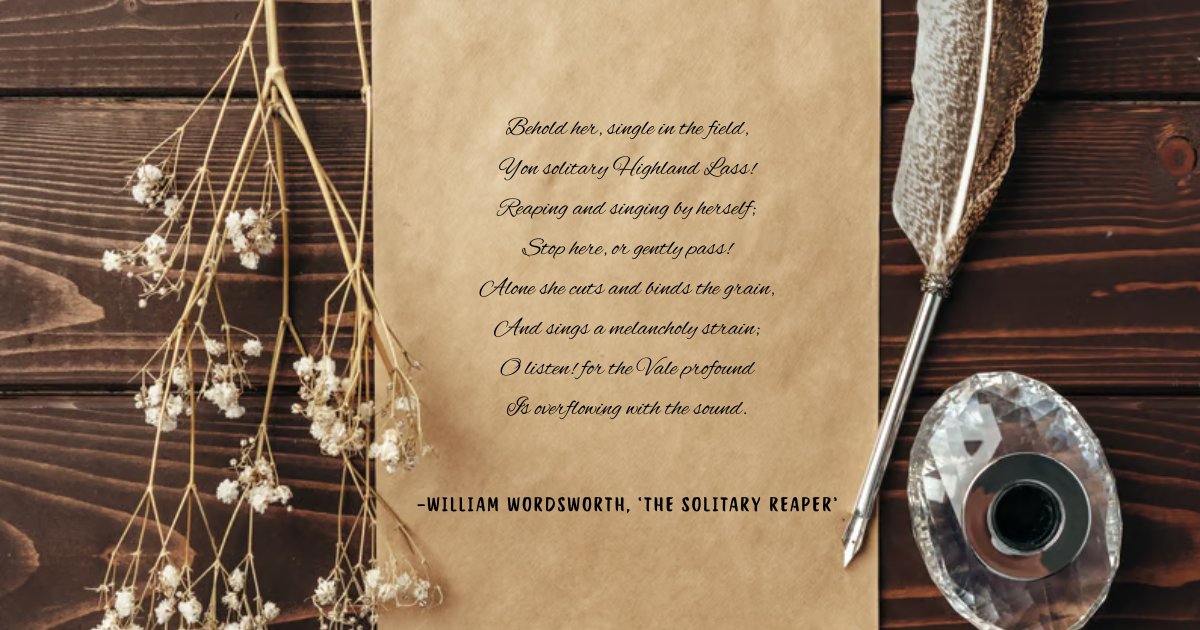
In this quiet, reflective poem, Wordsworth describes a lone girl singing while harvesting grain. The speaker doesn’t understand her language, yet her song leaves a deep emotional impression. The beauty lies in its mystery—the idea that meaning isn’t always necessary for connection. The melody lingers in the speaker’s mind, symbolising how fleeting moments can leave lasting echoes.
Timelessness: The poem celebrates the beauty of moments that cannot be fully understood or explained. Its emphasis on feeling over meaning reflects a universal human experience—the ability to be deeply moved by something beyond language.
That’s a beautiful addition—both works bring a deeper philosophical and modernist dimension to your list. Here are two seamless sections you can include:
11. ‘The Waste Land’ by TS Eliot
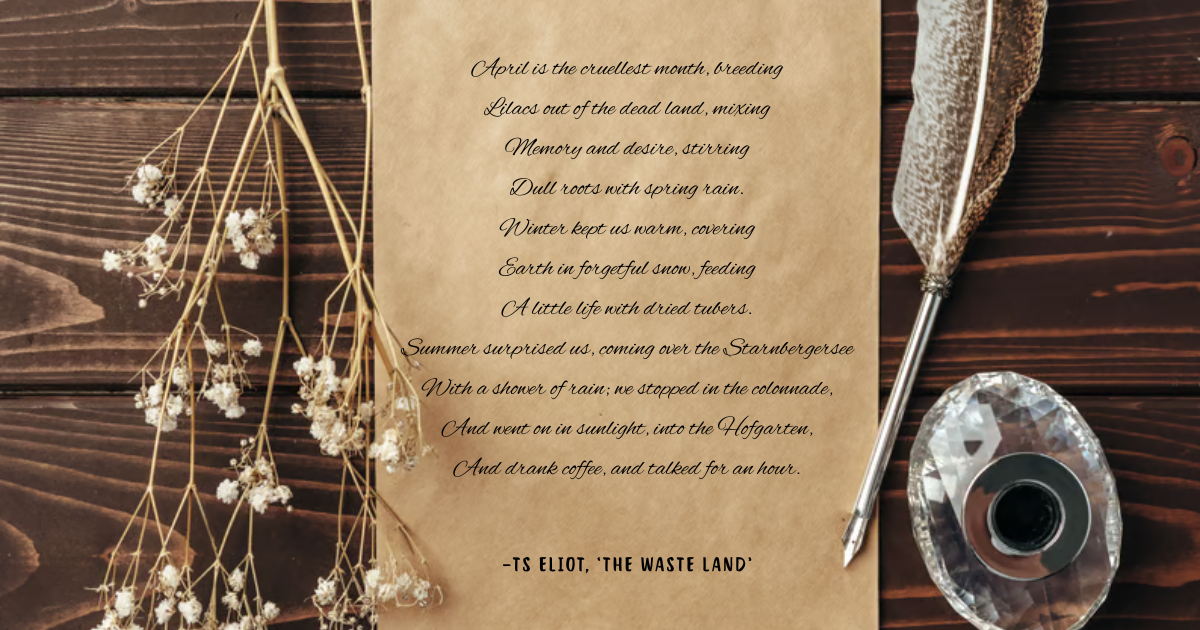
Few poems define an era as powerfully as ‘The Waste Land’. Rather than a single, linear narrative, Eliot offers fragments—voices, memories, and cultural echoes—reflecting the disillusionment of the post-war world. A section like ‘What the Thunder Said’ stands out for its haunting imagery and spiritual undertones, where despair meets the faint possibility of renewal.
Timelessness: The poem feels strikingly modern because it mirrors the fragmentation of contemporary life. Its themes of alienation, cultural decay, and the search for meaning continue to resonate in today’s uncertain world. Each reading reveals something new, making it less of a poem and more of an experience that evolves with time.
Buy here: The Waste Land by TS Eliot
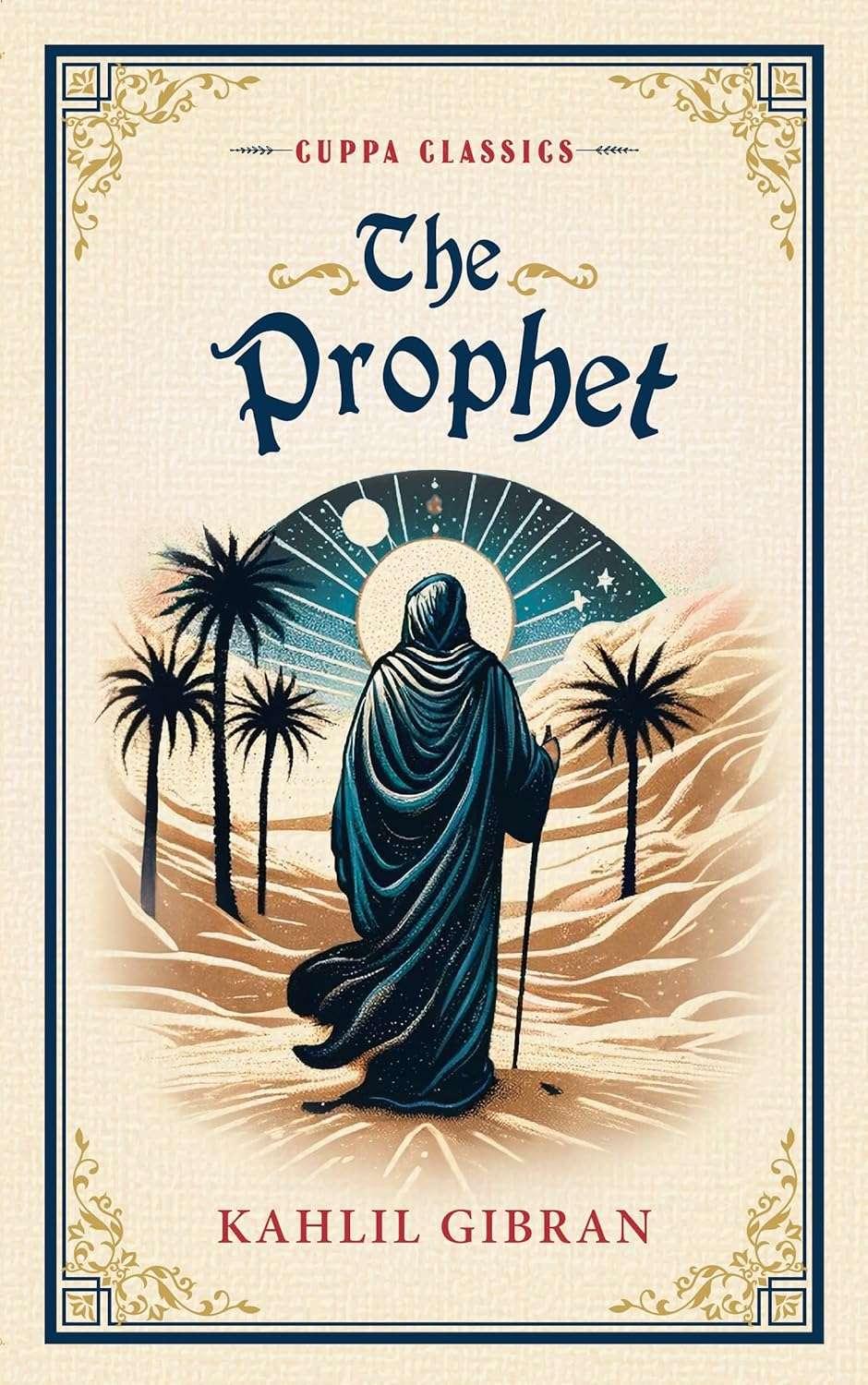
12. ‘On Love’ from The Prophet by Khalil Gibran
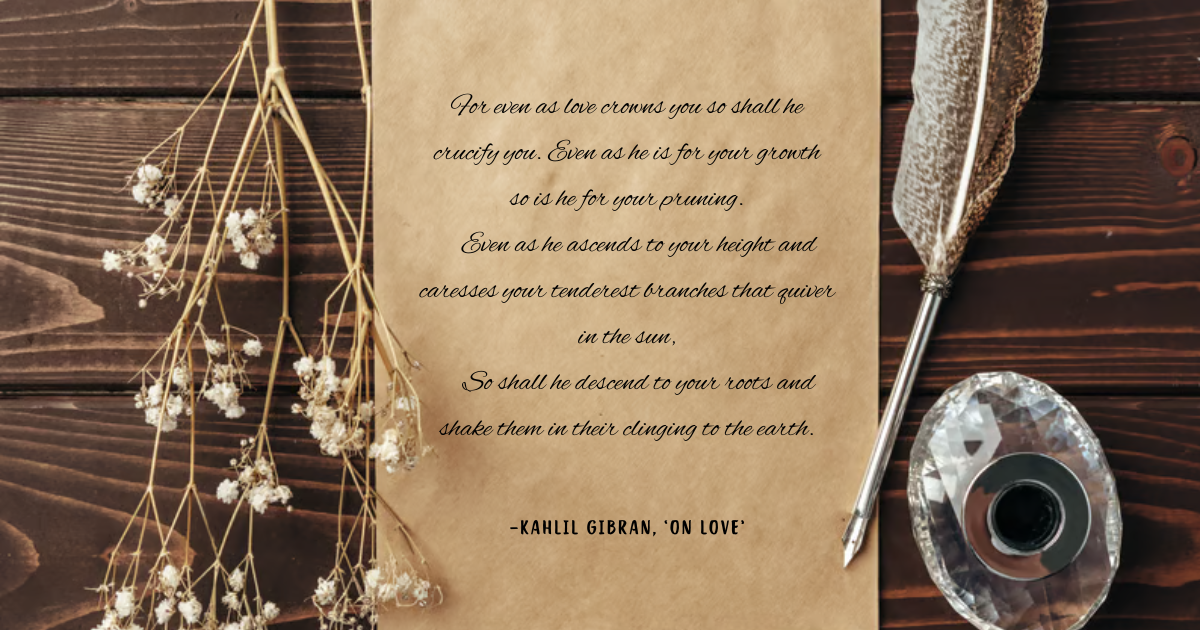
In The Prophet, Gibran writes in lyrical prose that often feels like poetry, and the chapter ‘On Love’ is among its most cherished passages. Here, love is not gentle or comforting—it is transformative, demanding, and at times painful. Gibran presents love as a force that shapes and reshapes us, urging us to embrace both its joys and its trials.
Timelessness: The passage endures because it speaks to the complexity of love in a way that feels deeply personal yet universal. It avoids romantic idealism and instead embraces love as a profound, sometimes difficult journey—something every generation continues to grapple with and understand anew.
Buy here: The Prophet by Kahlil Gibran
Why These Poems Still Matter
What unites these poems is their timelessness. They speak of love and loss, choice and consequence, resilience and remembrance—experiences that remain constant across centuries. Each poet, in their own way, captures something deeply human, reminding us that while the world changes, our emotions often do not.
This National Poetry Month, don’t just read these poems—experience them. Read them aloud, revisit them, and let their rhythms settle into your thoughts. You may find that a single line stays with you, quietly shaping how you see the world.
Because the beauty of poetry is this: long after the words are read, their meaning continues to unfold.