

Parent Categories




Related Products


Related Books

From The Cat in the Hat to How the Grinch Stole Christmas!: 10 Things You Didn’t Know About Dr Seuss
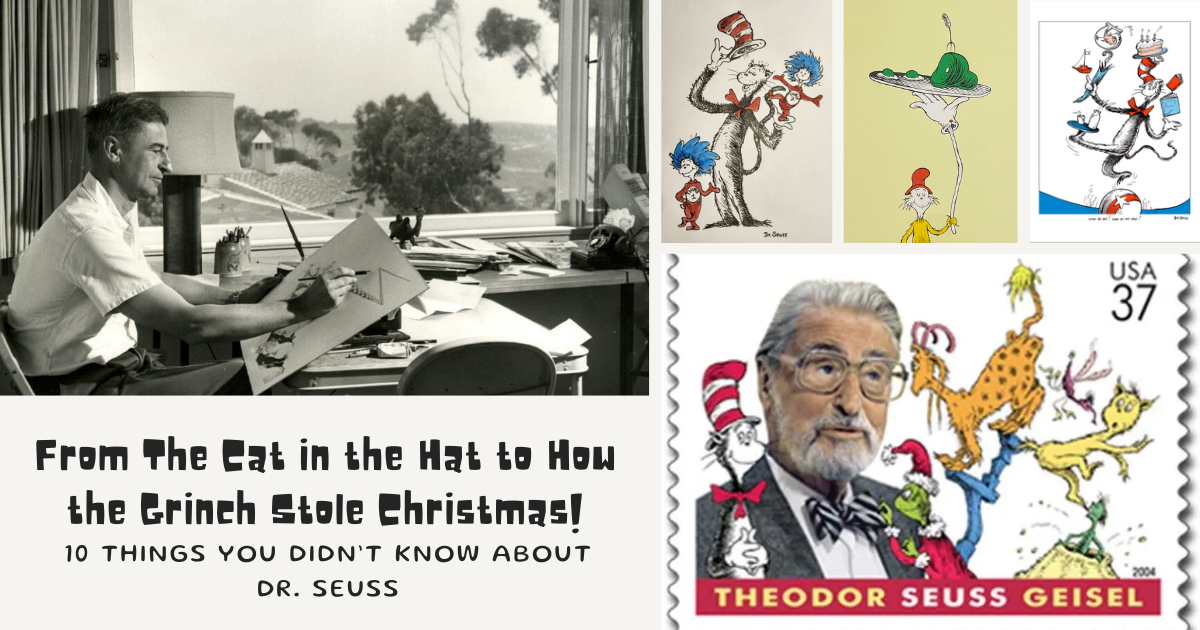 Dr Seuss
When you hear the name Dr Seuss, you probably picture a striped hat tilting mischievously across a page, a grumpy green Grinch peering down from Mount Crumpit, or a plate of improbable green eggs that somehow look delicious. His books feel effortless—bouncy rhymes, elastic language, wild creatures with impossible tails.
But behind the whimsy stood a man whose life was far more layered than the bright worlds he created. Here are ten surprising things you may not know about the writer who reshaped children’s literature forever.
Also read: Victor Hugo’s Very Loud Private Life: Exile, Mistresses, and His Naked Writing Rituals
1. His Mother Gave Him His Rhythm
Before he was Dr Seuss, he was Theodor Seuss Geisel, a boy listening to his mother chant rhymes she’d learned in her family’s bakery. She had a gift for cadence—sing-song phrases that rose and fell like waves.
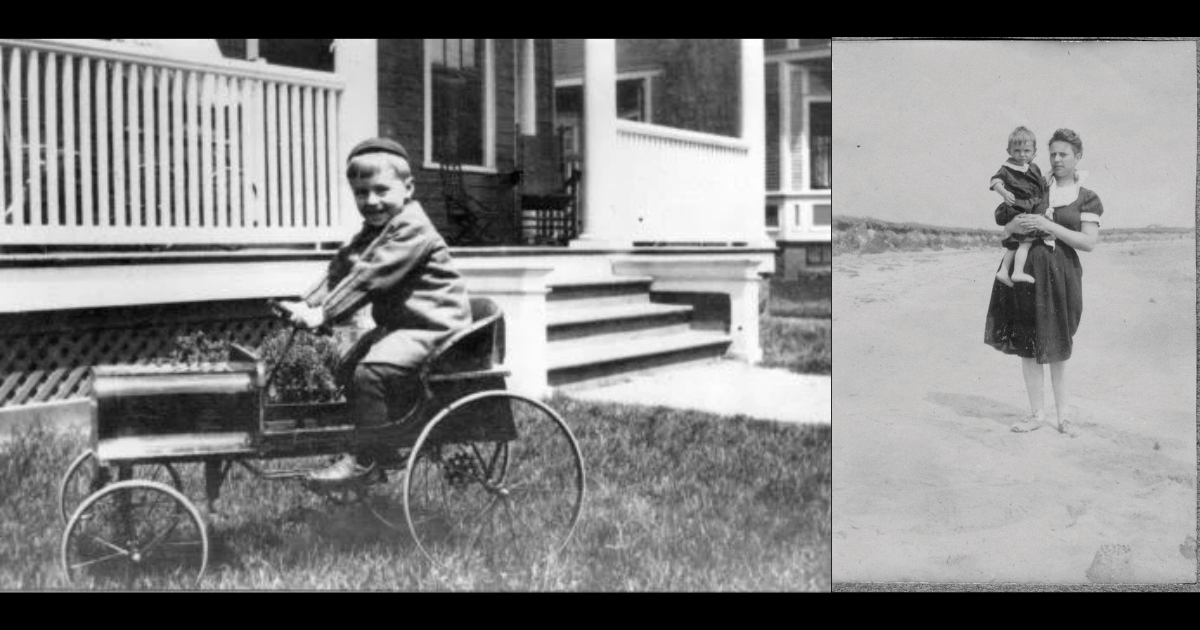
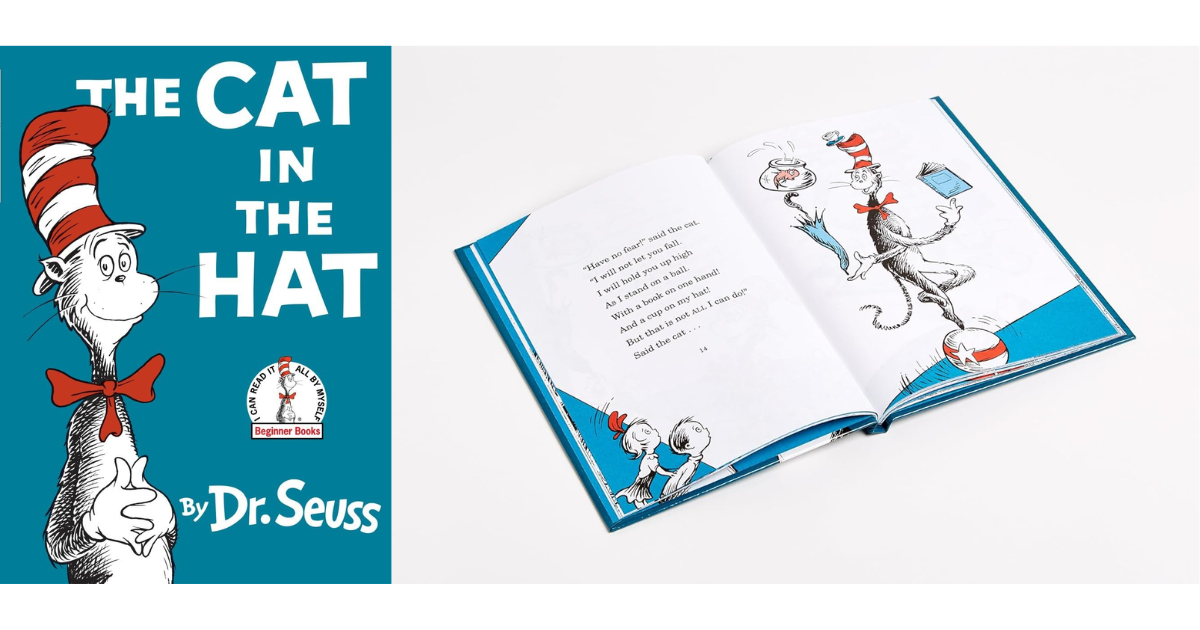
Those early bedtime verses stayed with her son and shaped the lyrical cadence that would define his lifetime of work. If you read The Cat in the Hat aloud, you can almost hear the echo of those early bedtime recitations guiding the bounce of every line.
2. ‘Dr Seuss’ Began as a Rebellious Alias
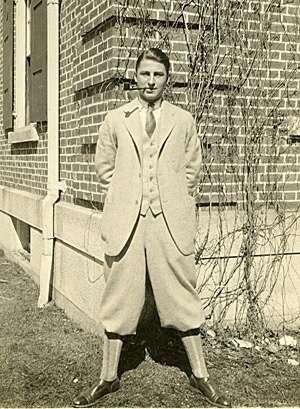 [Geisel as a student in 1925. (photo courtesy Dartmouth College Library)]
While studying at Dartmouth during Prohibition, Geisel was caught drinking gin and removed from his position as editor of the college humour magazine, Jack-O-Lantern.
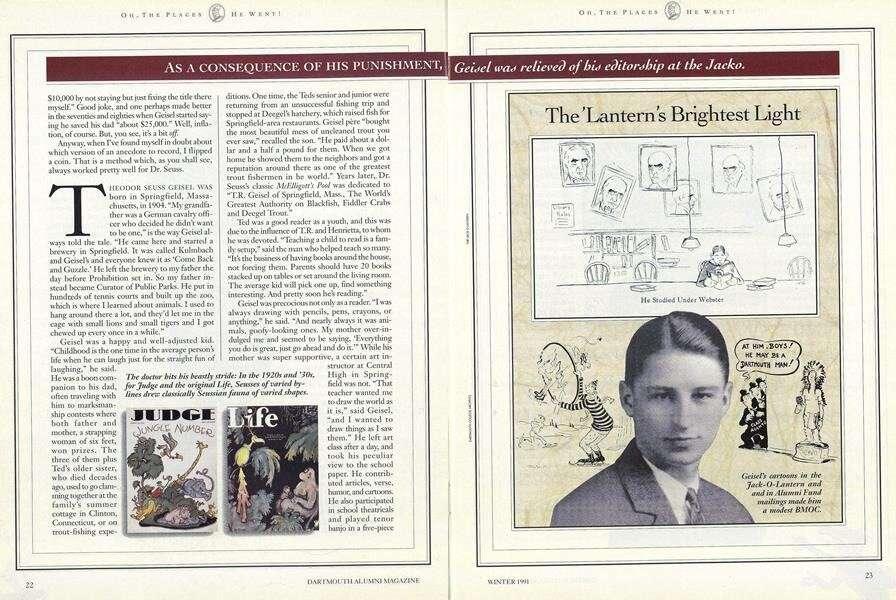 [Image credit: archive.dartmouthalumnimagazine.com]
Undeterred, he continued submitting cartoons under pseudonyms—including ‘Seuss’, his mother’s maiden name. Later, he added the ‘Dr’ (despite never earning a doctorate), and the legend was born.
Sometimes literary history begins with a rule broken.
3. He Never Had Children of His Own
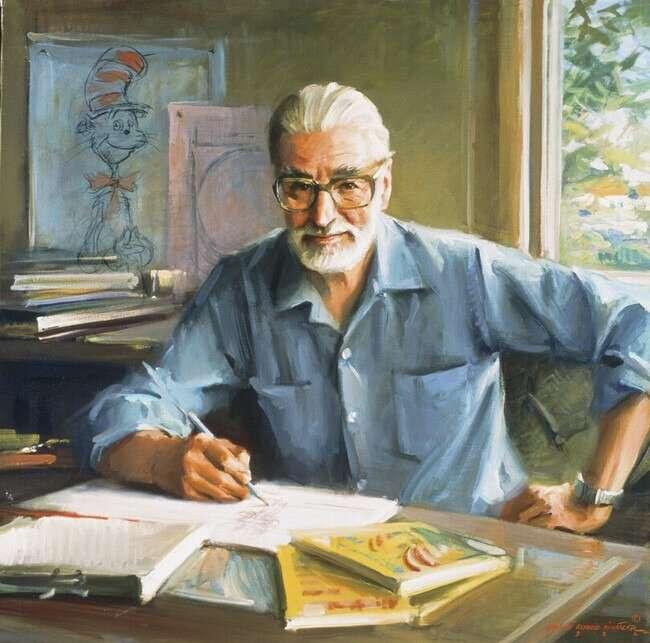 [Image credit: hoodmuseum.dartmouth.edu]
It’s ironic that one of the most celebrated children’s authors in history never had kids of his own. Geisel’s first wife, Helen Palmer, was unable to have children, and although he later remarried, he never fathered biological children.
When asked how he could write so well for them, he reportedly joked, ‘You make them, I’ll amuse them.’
Perhaps that distance helped. He wrote not down to children, but alongside them—respecting their imagination and intelligence.
4. He Was Once an Advertising Star
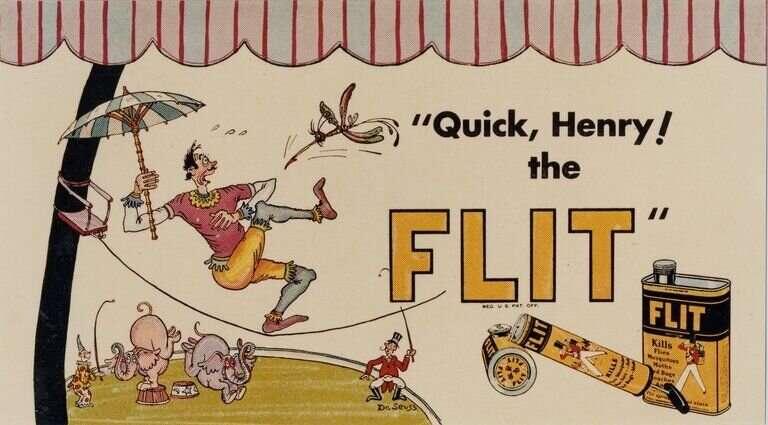 [Image credit: www.pbs.org]
Long before his first children’s book was published, Geisel was a successful advertising copywriter and illustrator. One of his most memorable campaigns was for Flit insect spray, where the catchphrase ‘Quick, Henry, the Flit!’ became a cultural phenomenon.
Advertising sharpened his instinct for rhythm, brevity, and visual punch. The same skills that sold bug spray would later sell millions of books.
5. Green Eggs and Ham Was Written on a Dare
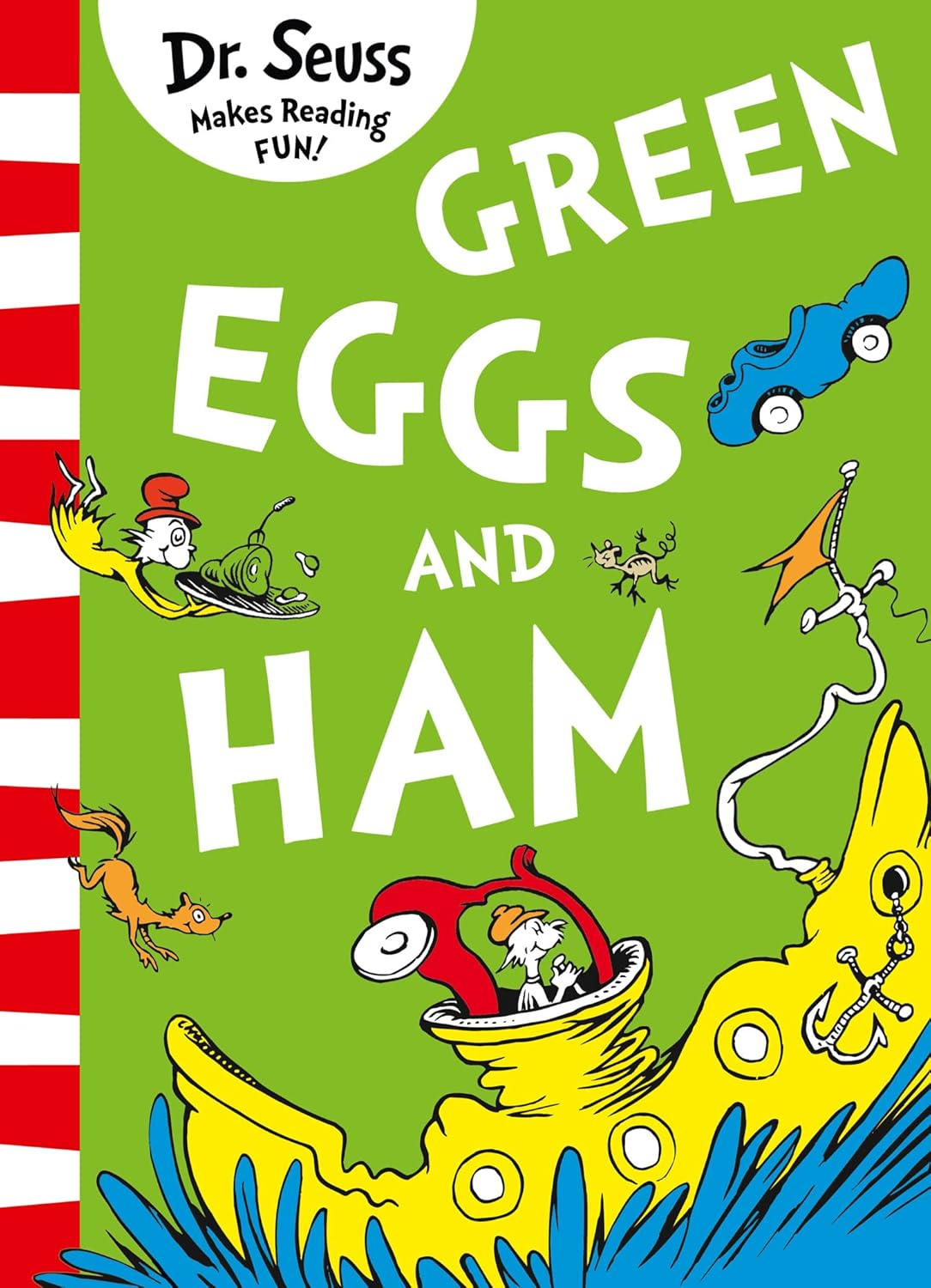
Arguably one of the most beloved Seuss books, Green Eggs and Ham wasn’t just a creative idea—it was the result of a challenge from his editor. Geisel bet that he couldn’t write a book using just 50 different words. Not only did he complete the task, but the book went on to sell millions of copies.
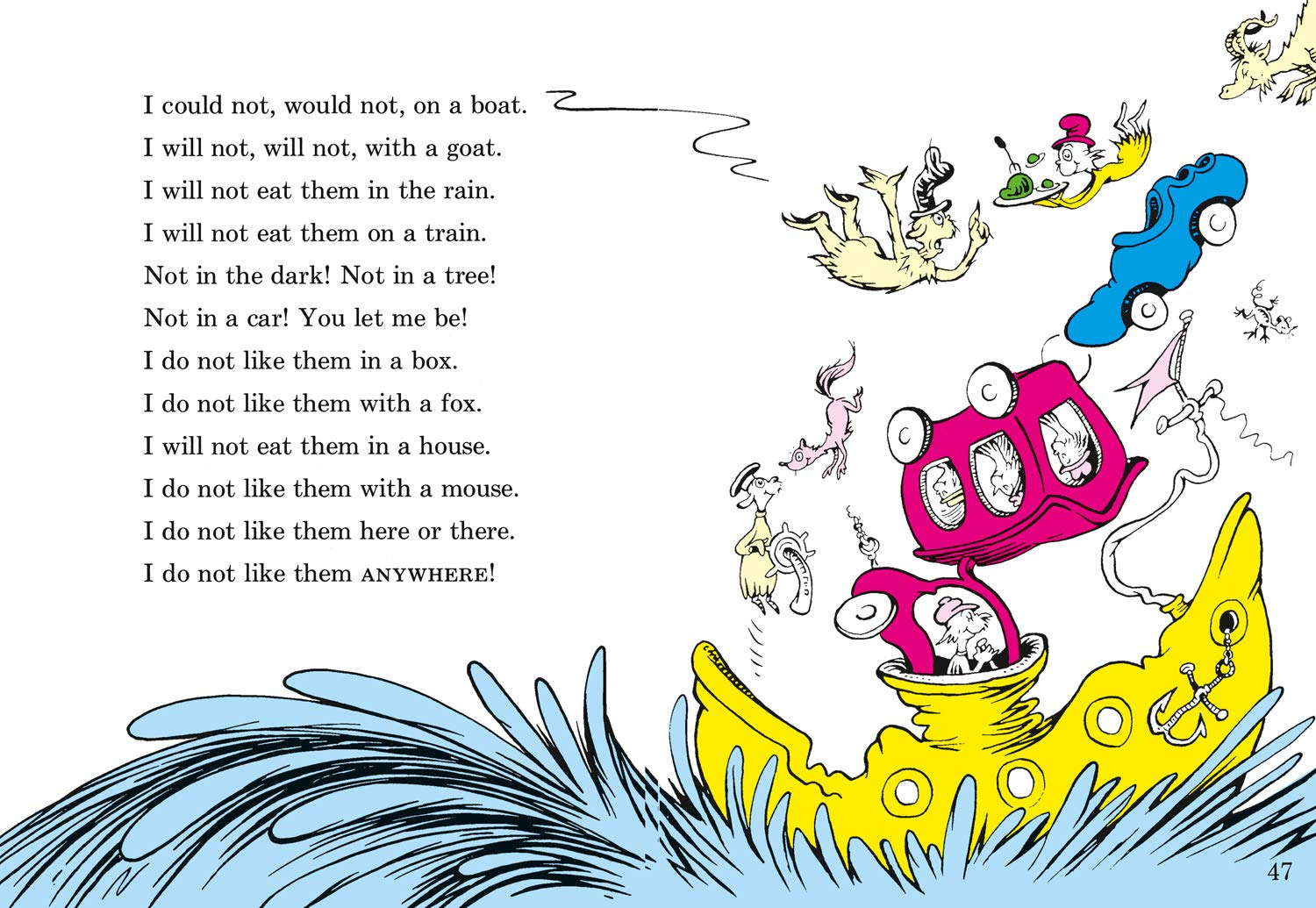
The result was a masterpiece of repetition, persuasion, and linguistic play that has taught generations to try something new… even if it looks a little odd.
6. He Fought World War II with Cartoons
 [Image credit: library.ucsd.edu]
 [Image credit: www.pbs.org]
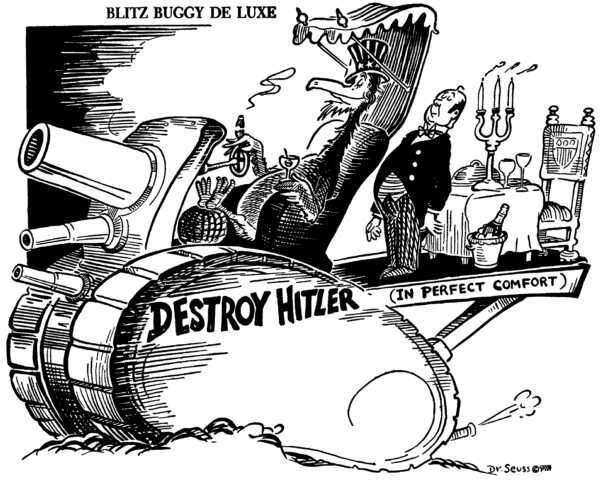
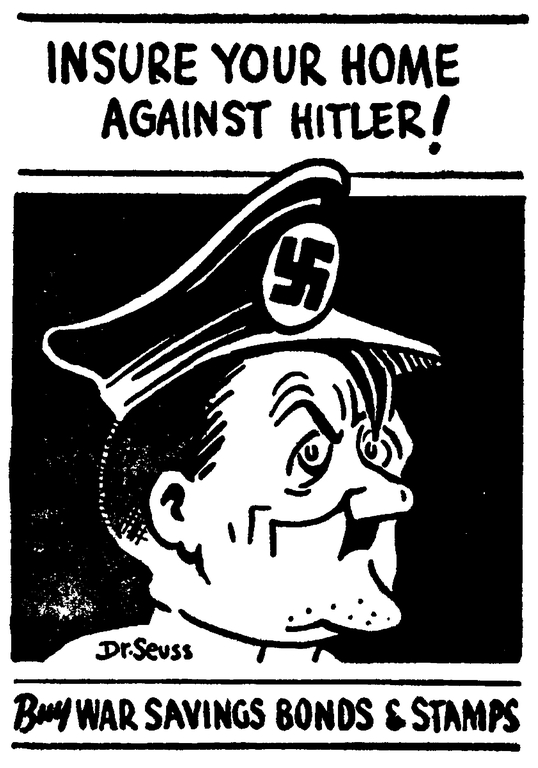
During World War II, Seuss put his pen to work for more than children. He created political cartoons for a liberal New York newspaper, critiquing isolationism and US policies. Later, he was asked to produce animated training films for the US Army with filmmakers like Frank Capra and animators including Chuck Jones. These cartoons—humorous yet instructional—helped train soldiers and honed Geisel’s storytelling skills.
The experience broadened his storytelling range. Beneath the whimsy of his later books lies a moral clarity forged during turbulent times.
7. The Grinch May Have Been Personal
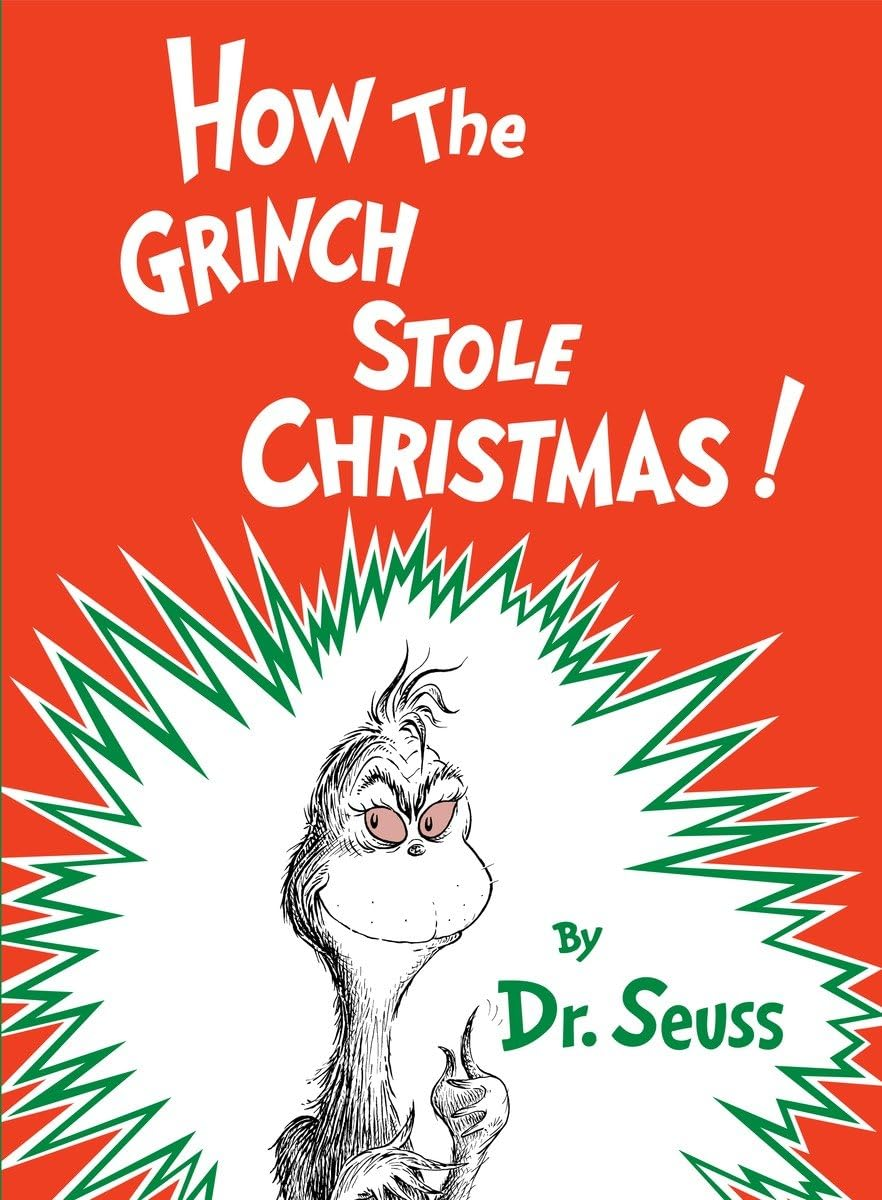
When Seuss wrote How the Grinch Stole Christmas! in 1957, he was 53—the same age as his famously grouchy creation. He later admitted he looked in the mirror one December morning and saw something Grinch-like staring back.
The Grinch’s transformation, from isolated cynic to joyous participant in Whoville’s festivities, resonates beyond holiday cheer: it’s a story about finding meaning beneath the surface—something the author himself valued deeply.
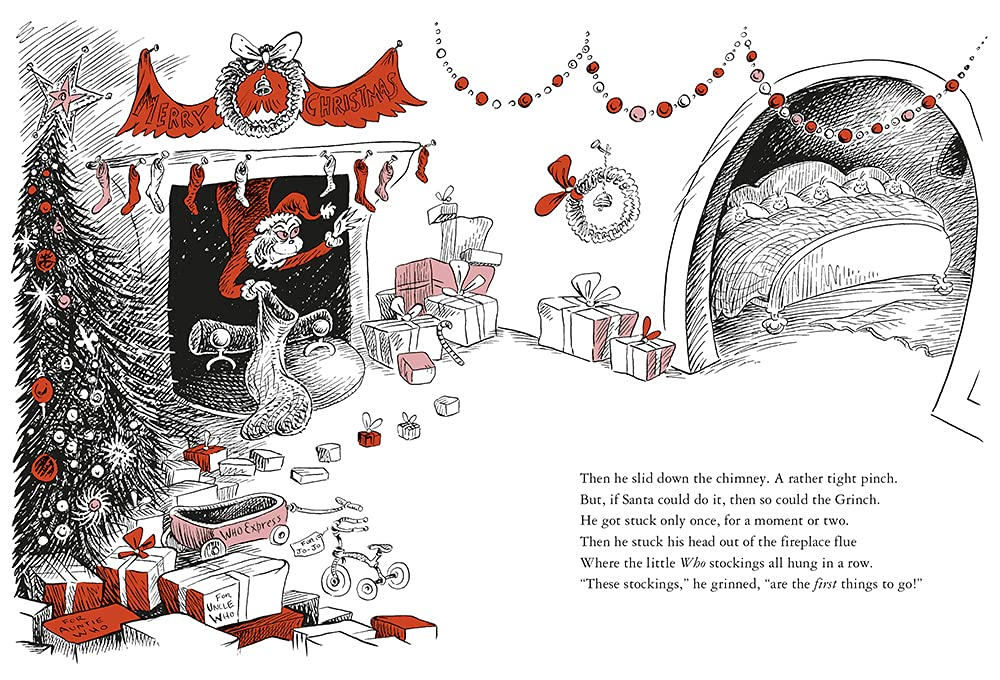
The story’s message—that joy isn’t found in packages or ribbons—feels both timeless and deeply personal. It’s less a children’s fable and more a meditation on perspective.
8. He Gave Us Words We Still Use
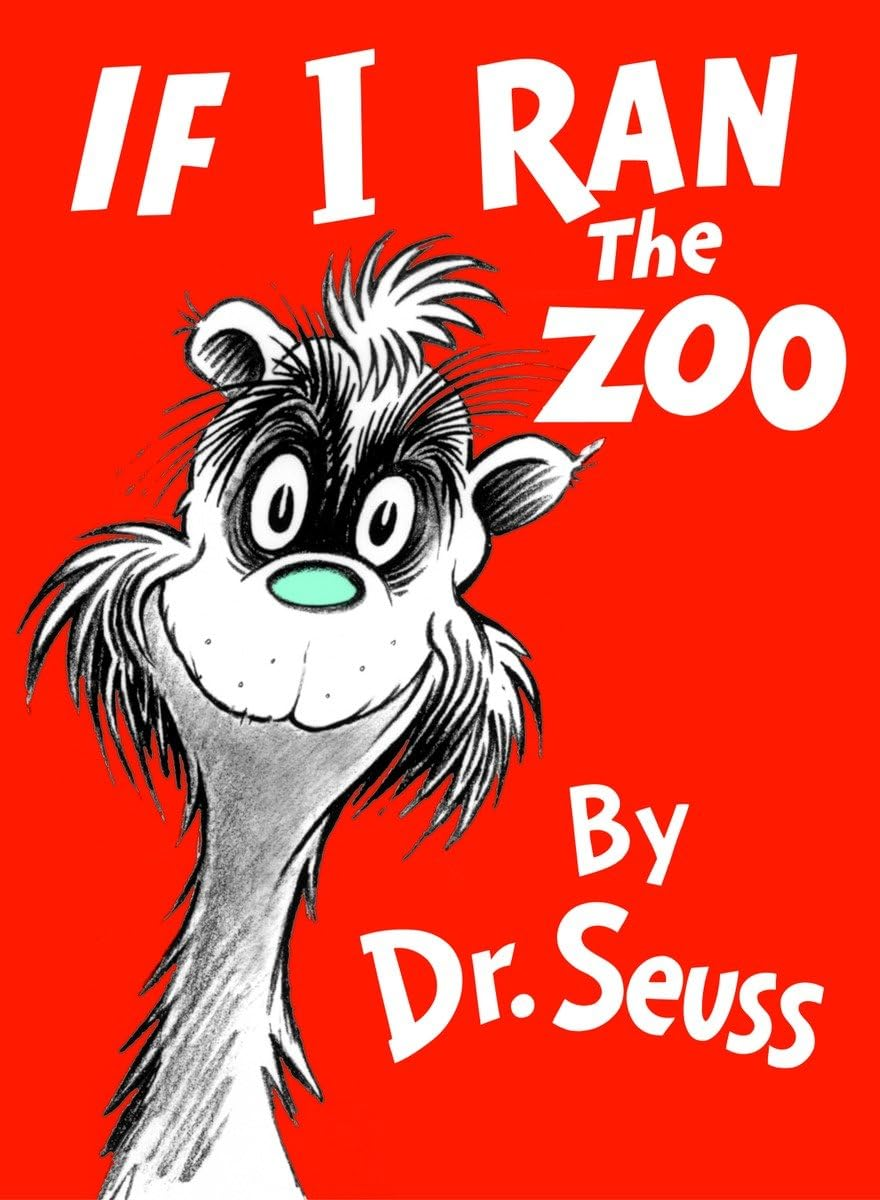
Seuss didn’t just write books—he expanded language itself. Words like ‘nerd’ first appeared in his 1950 book If I Ran the Zoo, and though the term’s origins are debated among linguists, it’s widely acknowledged that Seuss helped popularise it.
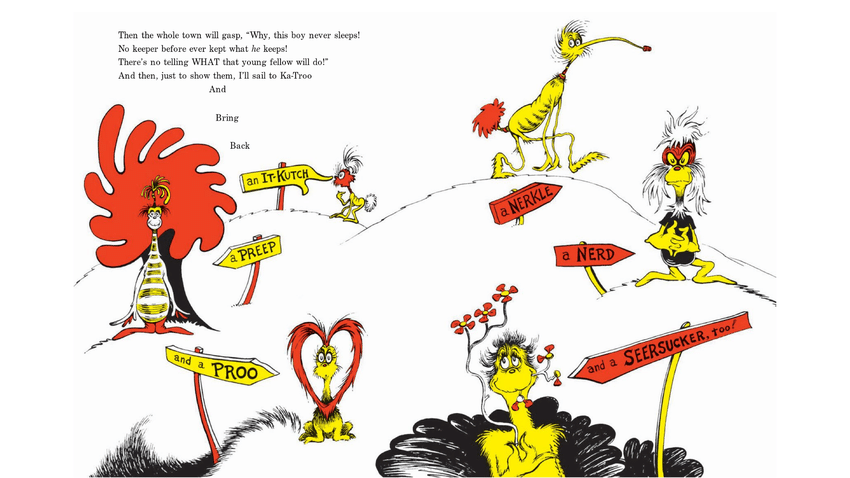 [Image credit: www.researchgate.net]
‘Grinch’, too, entered everyday language as shorthand for anyone who dampens the mood. Few authors leave such lasting fingerprints on vocabulary itself.
9. His Legacy Includes Complicated Chapters
While most know Seuss for his whimsical worlds, some of his earlier works—both cartoons and illustrations—included racial stereotypes that later generations found offensive. This reality sparked a reevaluation of parts of his catalogue and led to decisions to retire certain titles from publication to reflect modern values.
In recent years, certain titles have been withdrawn from publication.
Acknowledging this fuller picture doesn’t erase his influence—it deepens our understanding of the era he lived in and the ways artists evolve.
10. His First Book Was Rejected 27 Times
 [Image credit: holycard.org/products]
 [Image credit: holycard.org/products]
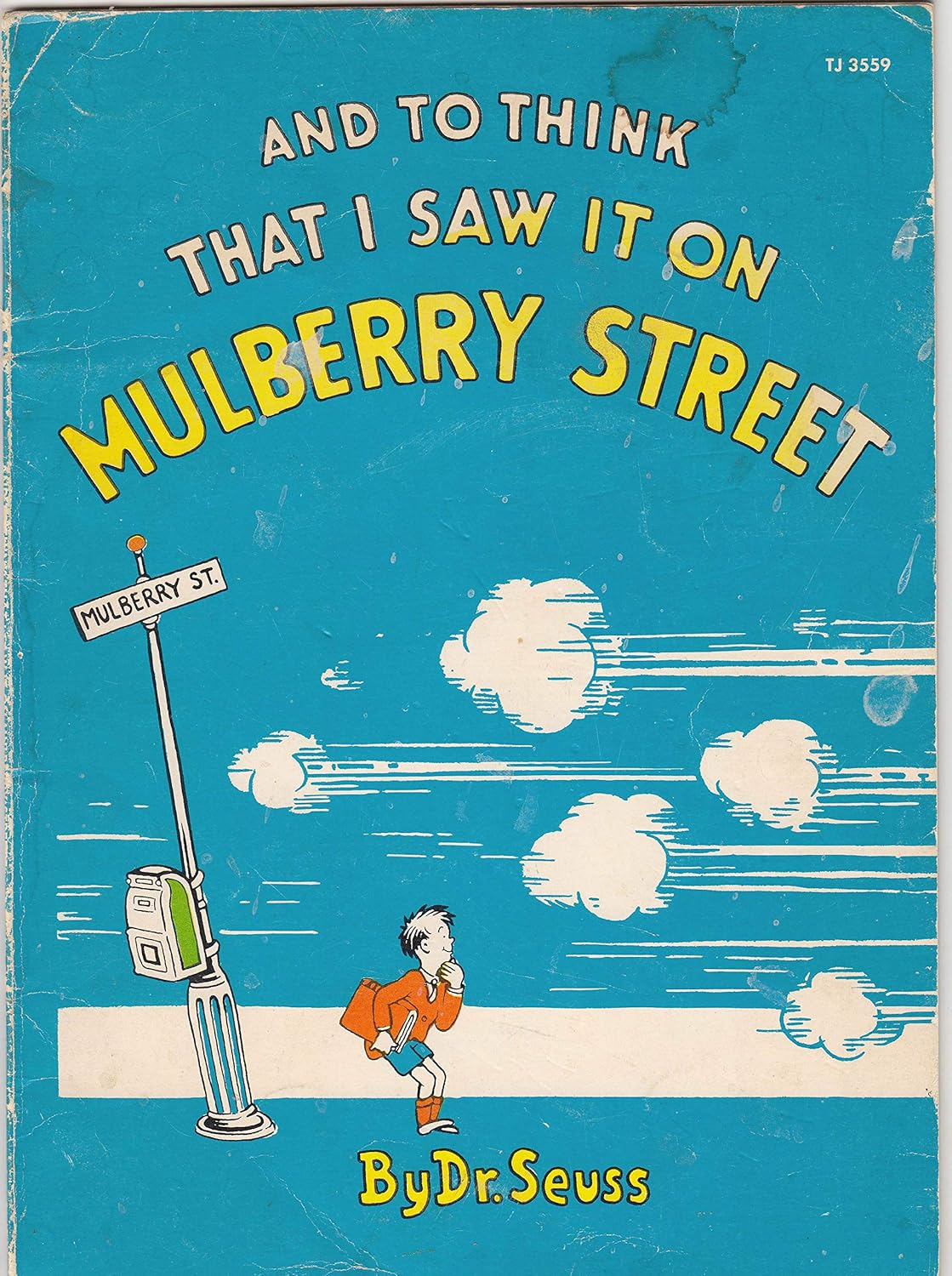
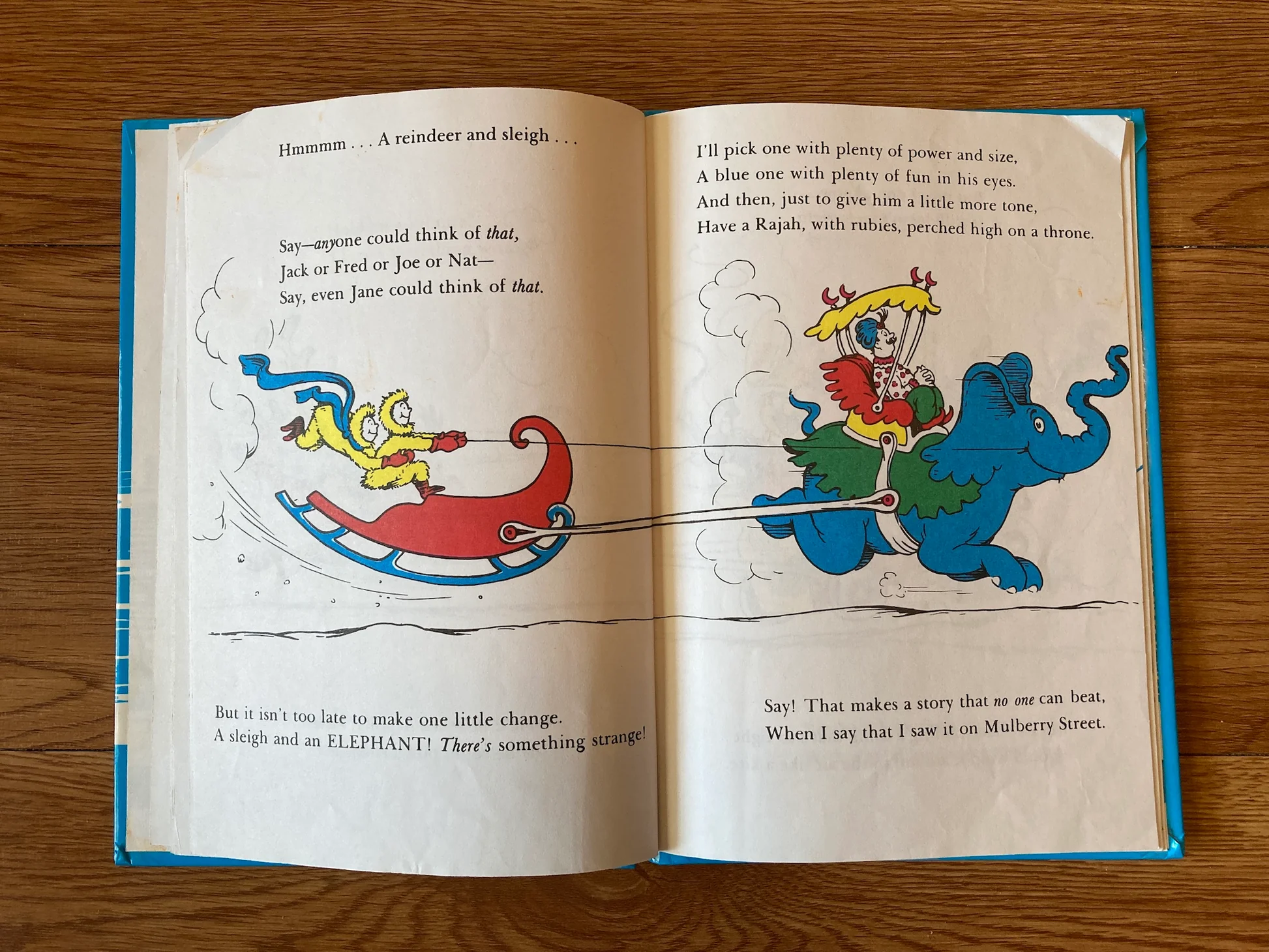
Seuss’s first published children’s book, And to Think That I Saw It on Mulberry Street, was rejected by 27 publishers before finally finding a home. Imagine a world without that debut: the landscape of children’s literature might look very different today.
The story goes that he was ready to burn the manuscript when he ran into a former classmate who worked at Vanguard Press. That chance meeting changed everything.
The book was published. The rest is literary history.
The Man Behind the Hat
Dr Seuss wasn’t merely a spinner of silly rhymes. He was a disciplined craftsman who agonised over word choice, sometimes spending a year on a single book. He was a political cartoonist, a filmmaker, an ad man, a perfectionist.
Most of all, he was a believer in imagination as moral force. In The Cat in the Hat, chaos tests order. In The Grinch, cynicism yields to connection. In Green Eggs and Ham, resistance gives way to openness.
His stories remind us that language can leap, that kindness can grow three sizes, and that even the most unlikely ideas—green eggs included—deserve a second look.
And perhaps that is the most Seussian lesson of all: the world is always bigger, stranger, and more hopeful than it first appears.
Your next read: John Steinbeck’s Writing Rituals: Why He Sharpened Pencils Between Every Page