
Parent Categories

Related blogs



Related Books



Plot Twist: 10 Surprising Facts About Classic Authors
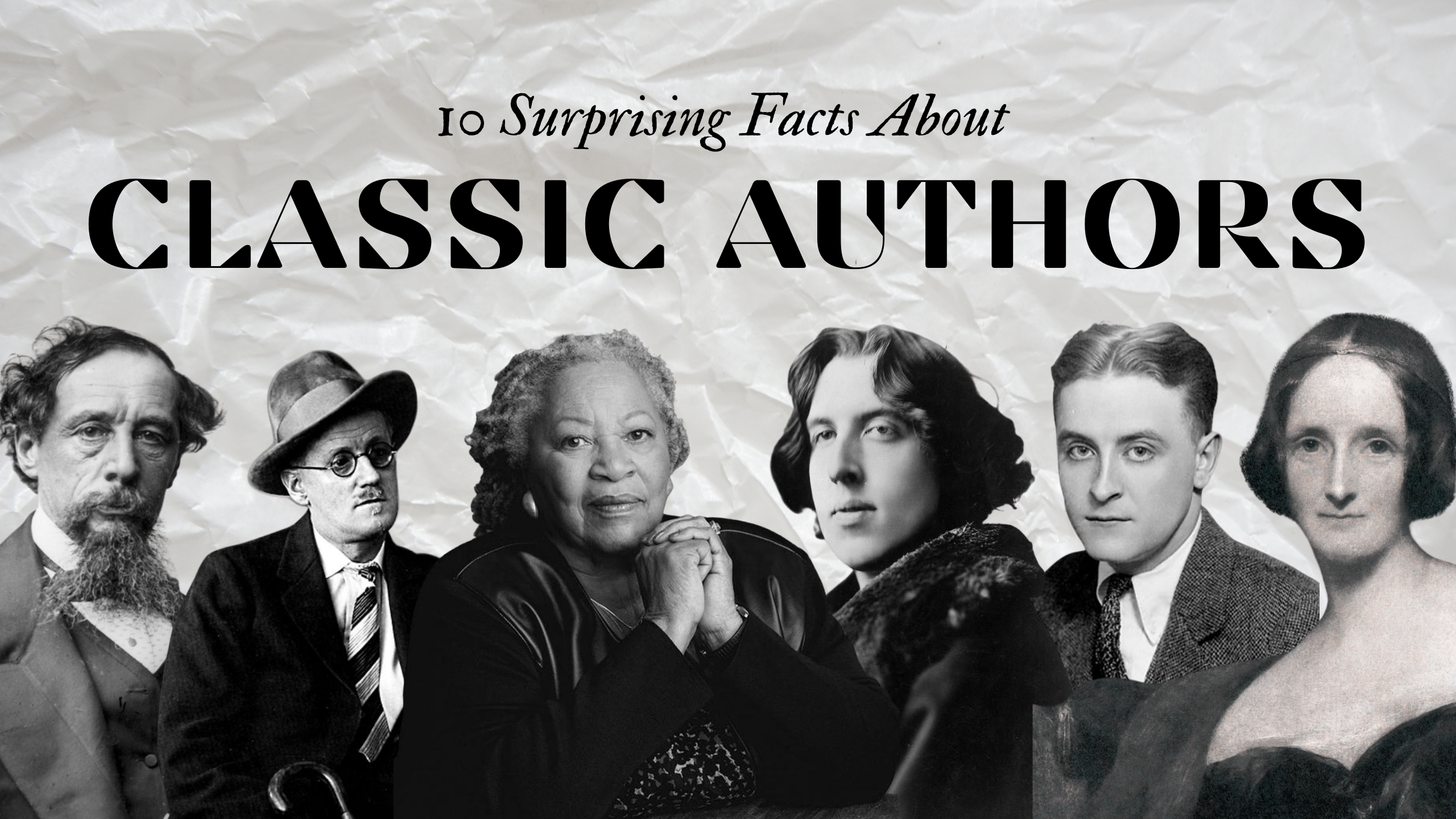 10 Surprising Facts About Classic Authors
Once you read a classic, there’s no going back to the regular world. Classic authors don’t just tell stories—they pull us into their timeless universes, and before we know it, we’re spiralling down the rabbit hole of discovering who they were, how they lived, and what shaped the masterpieces they left behind. And in that rabbit hole, you can always count on stumbling across the unexpected: some facts are hilarious, some unsettling, some heartbreaking, and others genuinely wholesome.
If you’re someone who chronically finds themselves Googling classic authors and their quirks till 2 AM, this blog is for you. Scroll to the end and discover 10 surprising facts about literary legends—most of which will delight you, and a few that might just shock you.
Fact 1: Charles Dickens Used to Visit the Paris Morgue to Stare at Dead Bodies
 [Credit: Nat Geo]
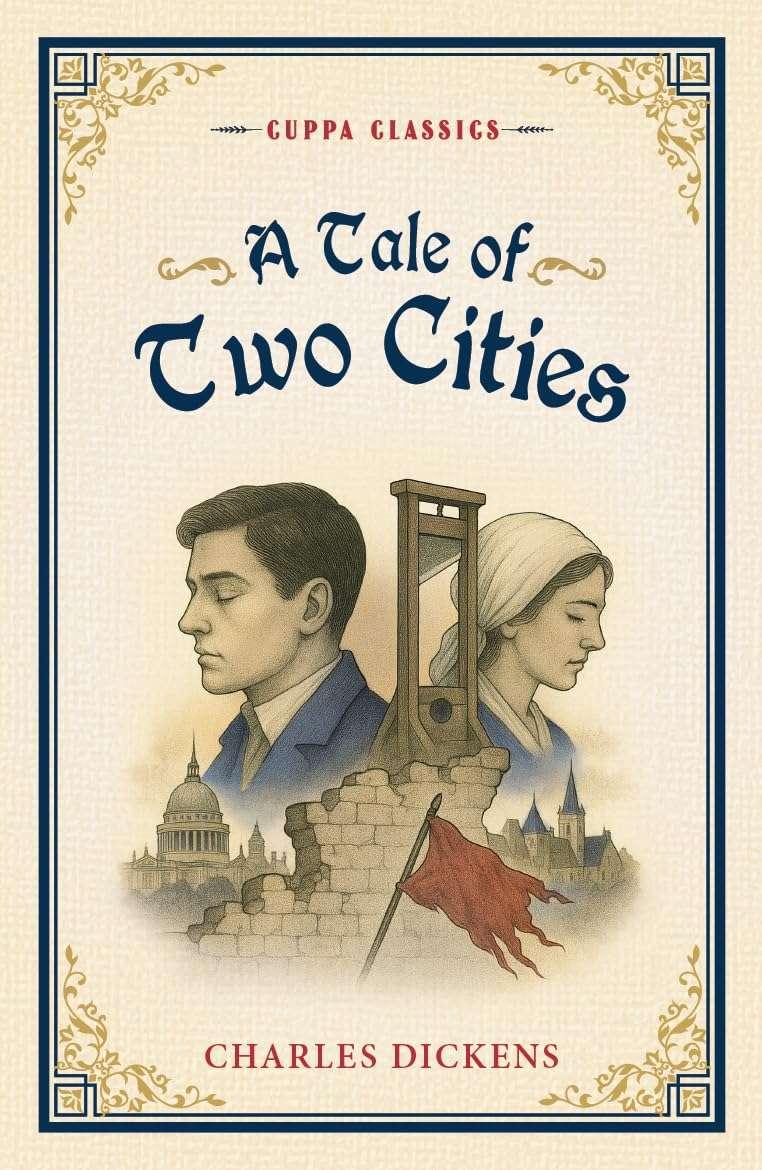
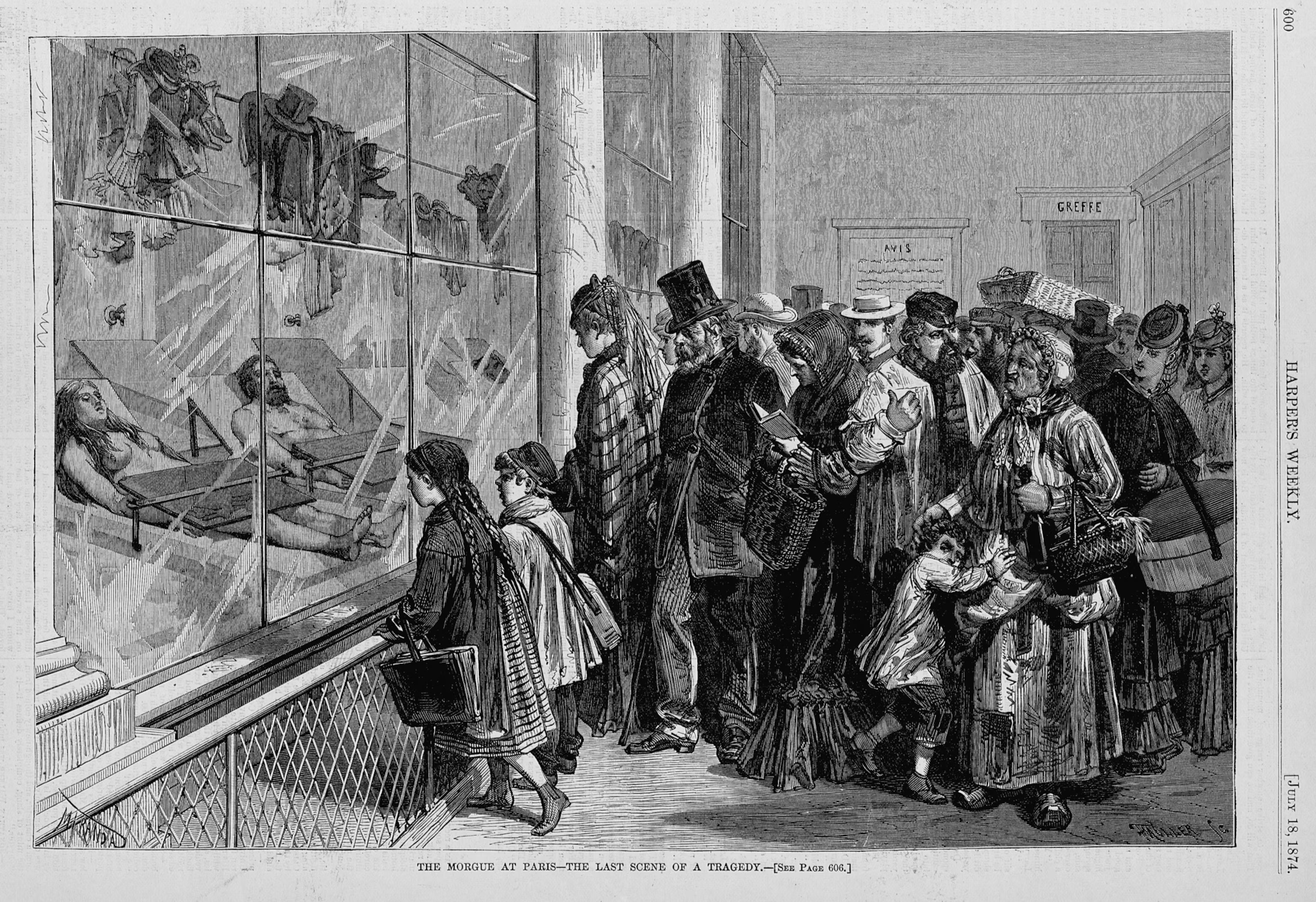
Here’s a surprisingly ghoulish Dickens fact: he used to visit the Paris Morgue to stare at dead bodies. Originally meant to help identify unknown bodies, the morgue eventually became a bizarre public attraction where crowds gathered to stare at unclaimed corpses behind glass. And yes, Dickens was one of those curious visitors.
Some say his fascination might trace back to childhood stories he heard about cannibalism, or perhaps to the darker symbolism he wove into many of his novels. Either way, it adds a very unexpected layer to the author we usually associate with heartfelt Christmas tales and social commentary.
Fact 2: Oscar Wilde Was Banned from the British Museum’s Reading Room in 1895
 [Credit: BBC, British Library Board]
Most people know Oscar Wilde was put on trial and imprisoned for his homosexuality. But here’s a lesser-known blow he faced: after his conviction, he was banned from the British Museum’s Reading Room, now The British Library.
At the time, anyone with a criminal conviction automatically lost their library privileges, and Wilde’s card was also revoked. Another layer of punishment, all for simply being who he was.
Also read: 130 Years On, Oscar Wilde Finds His Way Back to the Library
Fact 3: Sir Arthur Conan Doyle Was Fooled by Two Kids With Fake Photos
Yes, you read that right. In December 1920, Sir Arthur Conan Doyle, the brilliant mind who created the ultra-logical Sherlock Holmes, fell for one of the most famous hoaxes of the 20th century: the Cottingley Fairies.
The story began when two young cousins, Elsie Wright and Frances Griffiths, took photographs in their garden that appeared to show them surrounded by tiny winged fairies. The images were staged using paper cut-outs, but the girls insisted they were real. And despite scepticism from many, Doyle was convinced.

Deeply interested in spiritualism at the time, he saw the photos as proof that magical beings truly existed. He even published the images in The Strand Magazine, giving the hoax massive credibility and worldwide attention.
It wasn’t until decades later that the girls finally admitted the fairies were fake. It turns out, even Sherlock Holmes’s creator wasn’t immune to a good story told with confidence.
Fact 4: F Scott Fitzgerald Once Sold over 150 Stories for $4,000 Each
During the roaring 1920s—the era of jazz, gin, and glitter—F Scott Fitzgerald wasn’t just the man who wrote The Great Gatsby. He was a short-story hustler. According to one survey of his magazine work by The Guardian, Fitzgerald sold more than 150 short stories to magazines, often raking in as much as $4,000 apiece.
Fitzgerald often brushed off many of these stories as mere “potboilers.” But whether he loved them or not, they helped and funded the glittering lifestyle he and Zelda (his wife) became famous for.
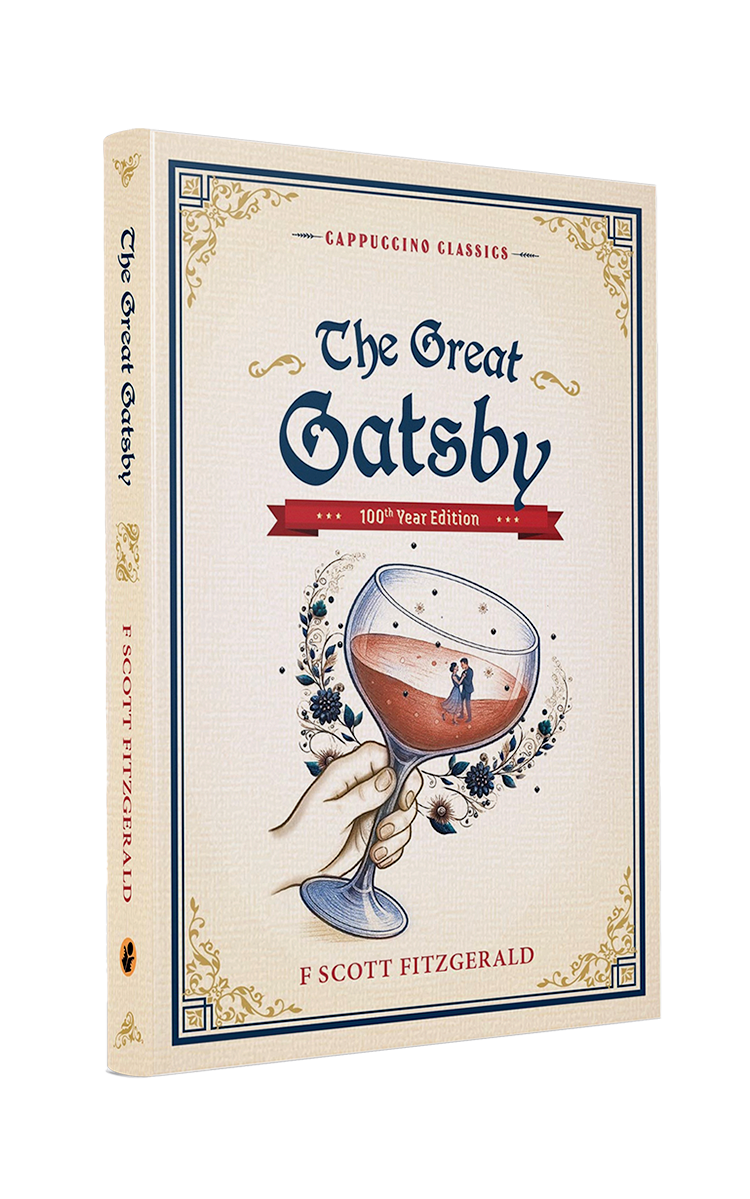
Buy here: The Great Gatsby (Cappuccino Edition)
Fact 5: Toni Morrison Became the First Black Woman to Win a Nobel Prize in 1993
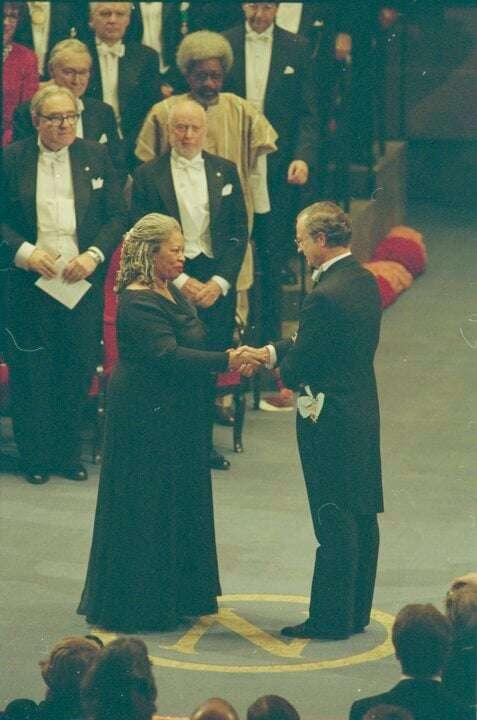 [Toni Morrison receiving her Nobel Prize in December 1993. Credit: The Nobel Prize]
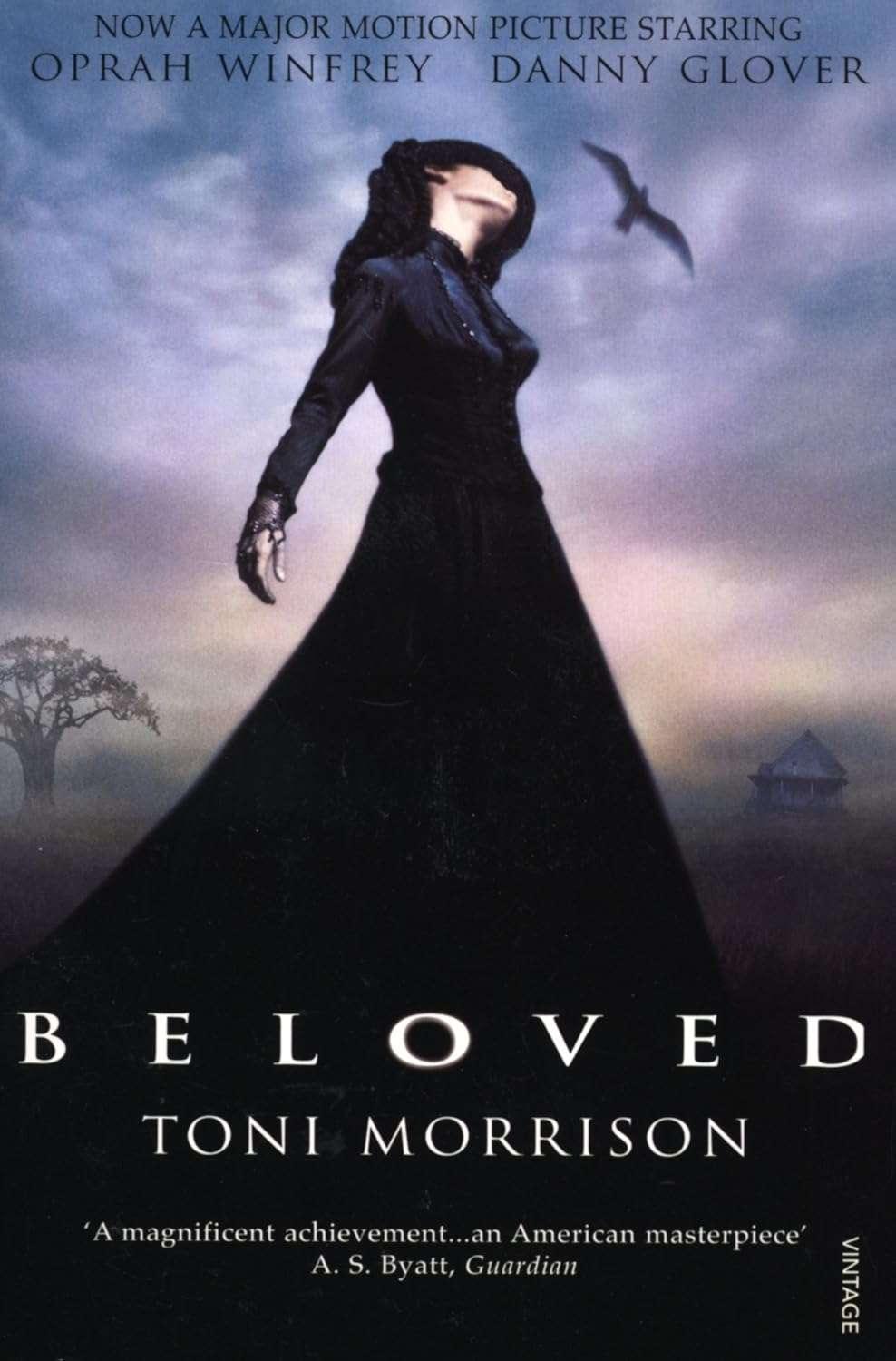
In 1993, Toni Morrison made history as the first Black woman to win the Nobel Prize in Literature—a moment that cemented her place among the world’s greatest storytellers. But before Morrison was a literary icon, she was shaping other writers’ voices.
From 1967 to 1983, she worked as an editor at Random House, becoming the company’s first Black female editor. She championed literature long before her own novels became classics, proving her impact stretched far beyond her own pages.
Fact 6: JM Barrie Gave Peter Pan to a Hospital
 [Hospital’s iconic Peter Pan and Tinkerbell sculpture. Credit: GOSH]
JM Barrie, the imaginative mind behind Peter Pan, had a quiet but lifelong affection for Great Ormond Street Hospital (GOSH). In 1929, the hospital invited him to join a committee to help fund a much-needed new wing. Barrie politely declined but added that he hoped to find another way to help.
Two months later, the board discovered just how serious he was. Barrie had gifted the entire rights to Peter Pan to the hospital. And for nearly a century, that gift has helped fund GOSH’s care for seriously ill children, allowing them fuller, brighter, and longer lives.
Fact 7: George Orwell Drew Inspiration for 1984 From Yevgeny Zamyatin’s Novel ‘We’
Before 1984 became the blueprint for dystopian fiction we know today, George Orwell had been reading a Russian novel that shook him to the core: We by Yevgeny Zamyatin. Written in the 1920s and banned in the Soviet Union, We introduced a world ruled by surveillance, control, and a state that watched everything. These themes would later echo through Orwell’s own work.
While 1984 stands entirely on its own, its roots are unmistakably connected to the groundbreaking dystopian world Zamyatin created first. So yes, Big Brother had a literary ancestor.
Buy here: 1984
Fact 8: James Joyce Was a Polyglot
James Joyce, the Irish novelist and poet behind classics like A Portrait of the Artist as a Young Man and Ulysses, wasn’t just a genius on the page—he was a full-on polyglot. Joyce was fluent in around 13 languages, including Italian, French, German, Latin, Portuguese, Spanish, Swedish, Greek, Arabic, and even Sanskrit.
His dedication to language ran so deep that he learned Norwegian just so he could read Henrik Ibsen's works in the original. That obsession with words shows up everywhere in his writing—multilingual puns, layered references, and sentences that slip between languages as effortlessly as Joyce himself did.
Buy here: Ulysses
Fact 9: Mary Shelley Carried Her Husband’s Calcified Heart for Years
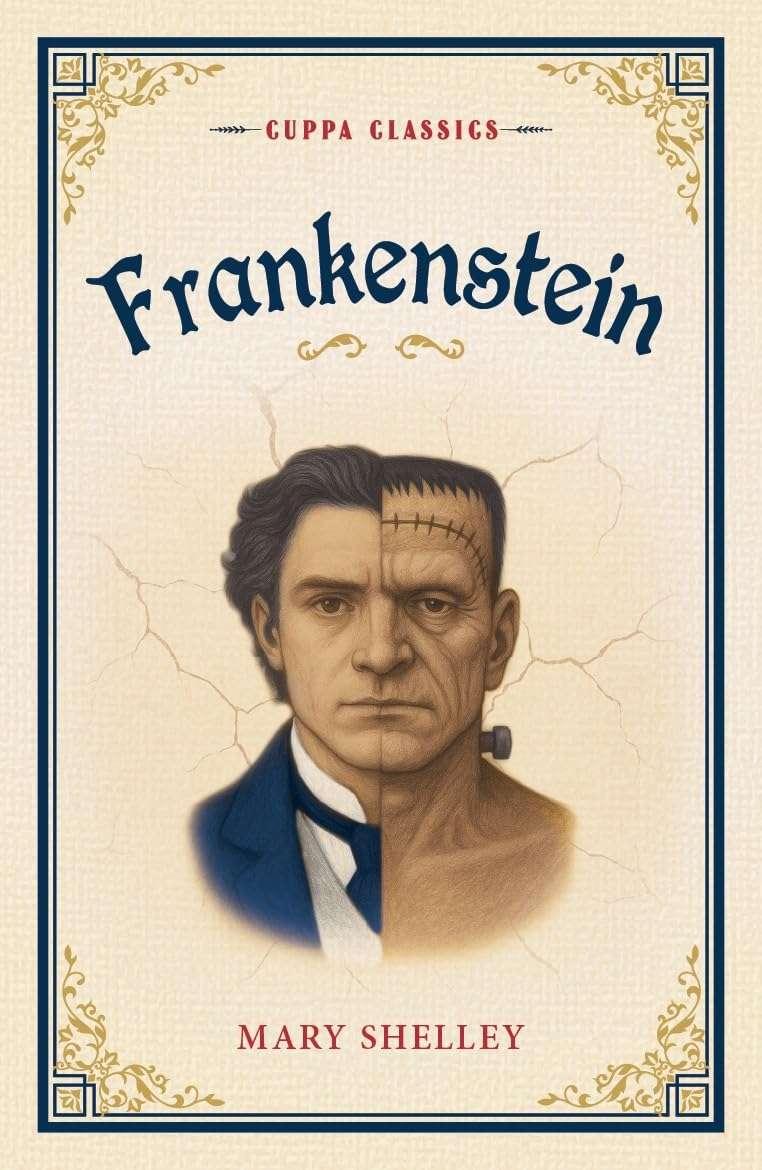
Here’s one of the most gothic facts you’ll ever read, and fittingly, it belongs to the author of Frankenstein. When Percy Bysshe Shelley drowned in 1822, his heart didn’t fully burn during the cremation. Instead, it calcified and was removed from the pyre. Mary Shelley kept it.
She wrapped Percy’s heart in silk and carried it with her for years, tucked away like a tragic memento. When she died, the heart was found in her desk along with some of his final poems.
Fact 10: Dostoyevsky Was Sentenced to Death but Was Saved at the Last Moment
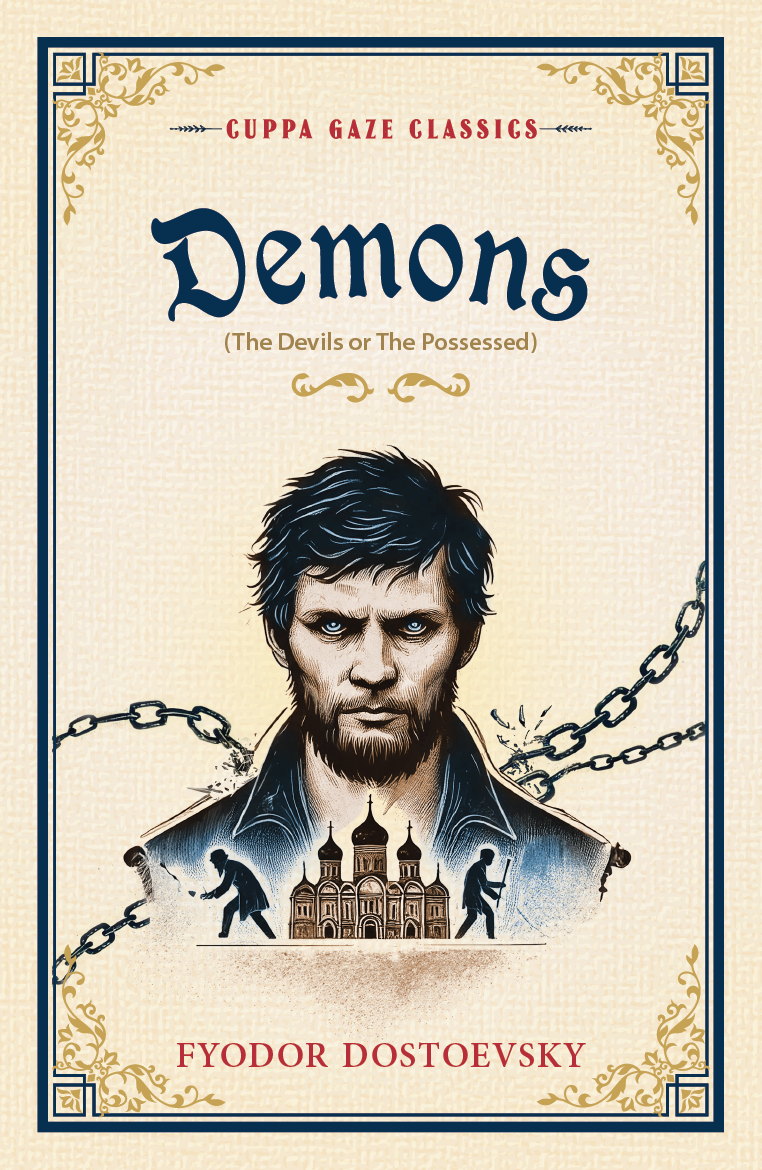
In 1849, Fyodor Dostoyevsky was arrested for belonging to a discussion group the Russian government didn’t like. He and the other members were taken to a public square, tied up, and prepared for execution. At the very last moment, literally minutes before they were to be shot, a messenger arrived with a pardon from the Tsar.
The death sentence was replaced with years of hard labour in Siberia. The experience broke him down, rebuilt him, and ultimately shaped the intense moral and psychological depth that defines his greatest novels.
That’s where we’ll take our leave. Thank you for reading till the end. Let these surprising facts sink in, and the next time someone talks about your favourite classic author, pull out one of these facts.
That’s All the Facts for Today
That’s where we’ll take our leave. Thank you for reading all the way to the end. Let these surprising, strange, and sometimes downright wild facts sink in—and the next time someone brings up your favourite classic author, you’ll have the perfect unexpected detail to drop into the conversation.
Until then, keep reading, keep discovering, and keep falling in love with classics!
Your next read: Beyond Narnia: Understanding the Genius of CS Lewis