
Parent Categories


Related Products



Related Books

Page-Turners That Spark Debate: 10 Classics Perfect for Every Book Club
 Classics for Book Club
Book clubs thrive on conversation—the kind that lingers long after the last page is turned, spilling into debates about morality, society, identity, and the human condition. Some books are especially good at this. They refuse to stay silent, demanding interpretation, disagreement, and personal reflection. Classics, in particular, have a remarkable way of feeling both rooted in their time and uncannily relevant to ours.
Here are ten such page-turners—classics that don’t just invite discussion but ignite it—making them perfect picks for any book club looking to move beyond polite agreement into meaningful dialogue.
Also read: Plot Twist: 10 Surprising Facts About Classic Authors
1. The Picture of Dorian Gray by Oscar Wilde
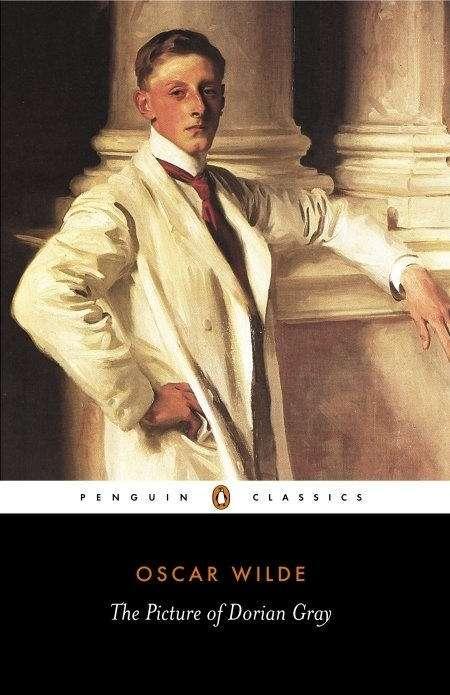
Few novels provoke moral debate quite like The Picture of Dorian Gray. At its heart lies a disturbing question: what happens when the pursuit of beauty and pleasure is freed from consequence? Wilde’s lush prose seduces the reader even as it exposes the danger of aestheticism without ethics. Book clubs often find themselves divided—does Dorian fall victim to corruption, or does he merely reveal what was already within him? Wilde’s paradoxes ensure
2. 1984 by George Orwell
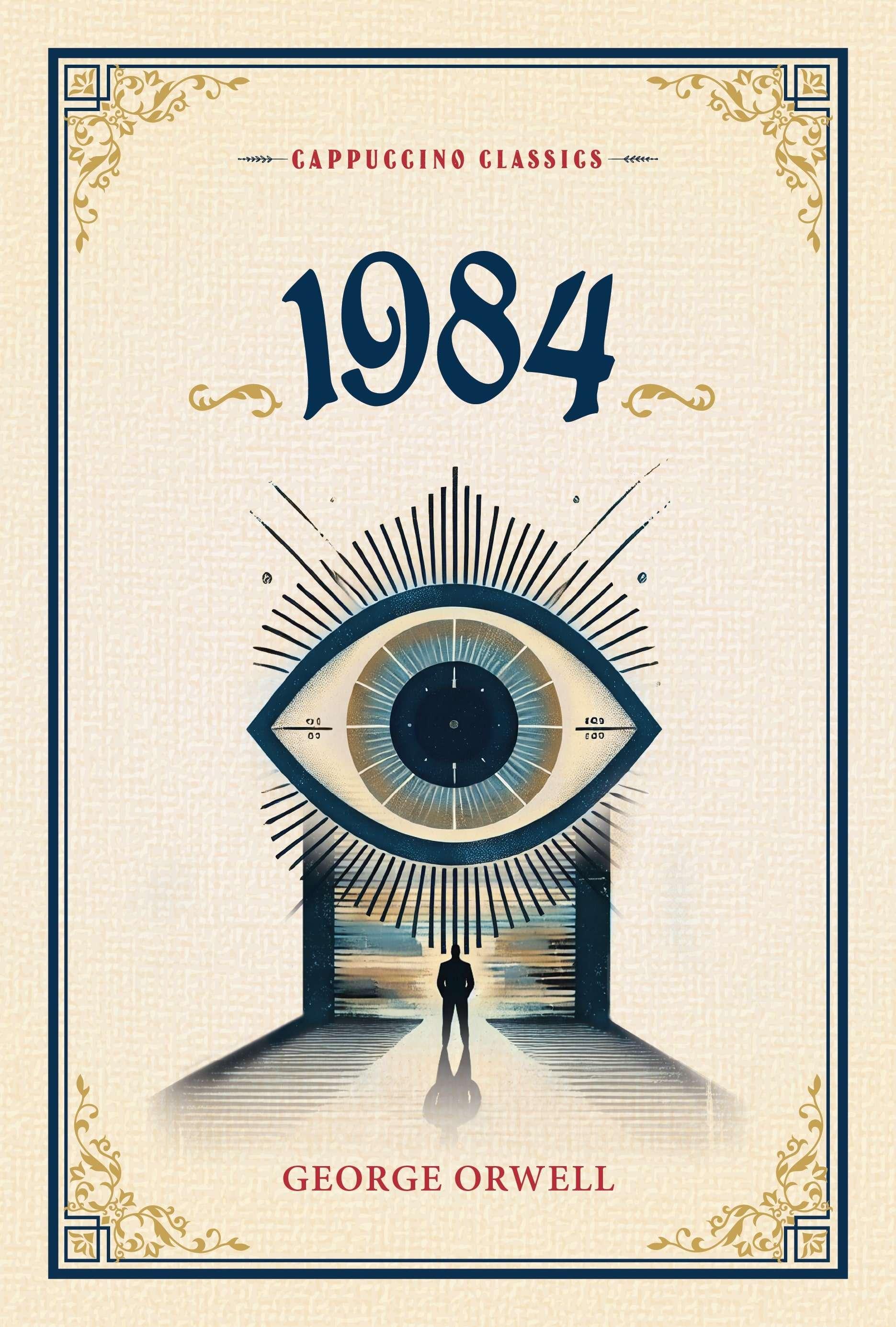
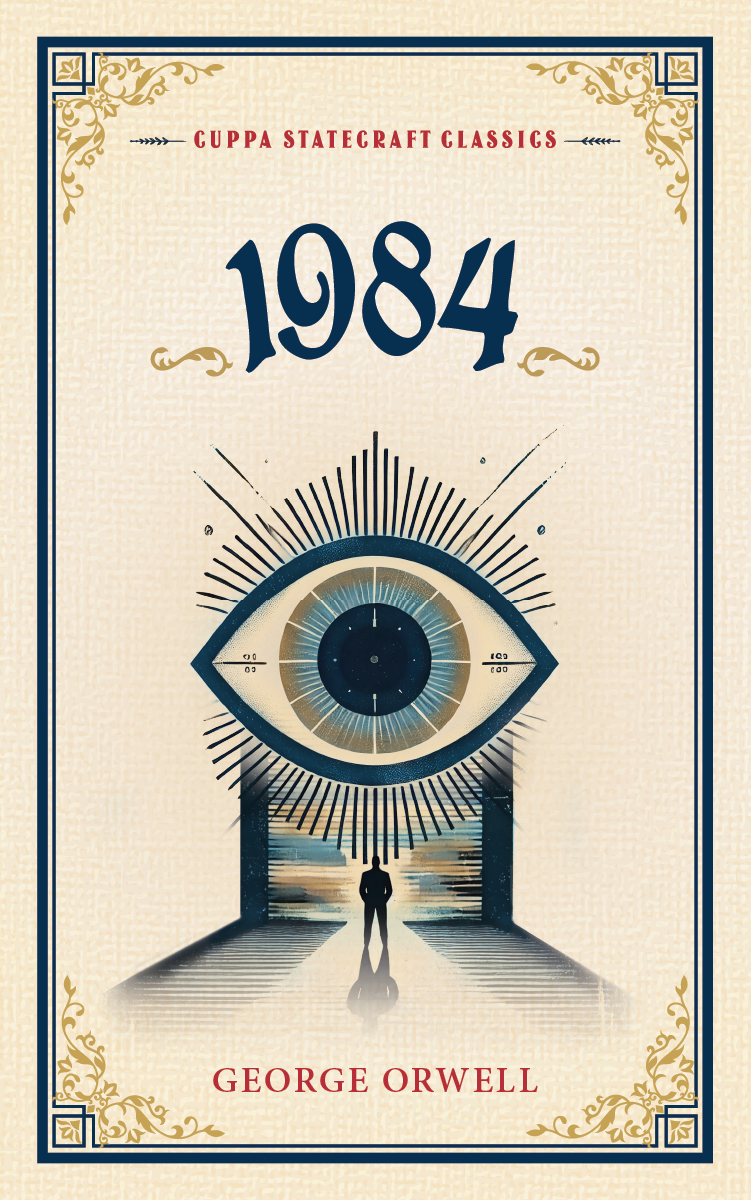
A perennial favourite for discussion, 1984 feels newly urgent with every generation. Orwell’s vision of surveillance, propaganda, and manipulated truth opens up debates on freedom, power, language, and resistance. Readers often clash over whether the novel is a warning, a prediction, or an exaggeration—and how closely it mirrors modern political realities. The haunting idea of ‘doublethink’ alone can fuel an entire meeting.
3. Frankenstein by Mary Shelley

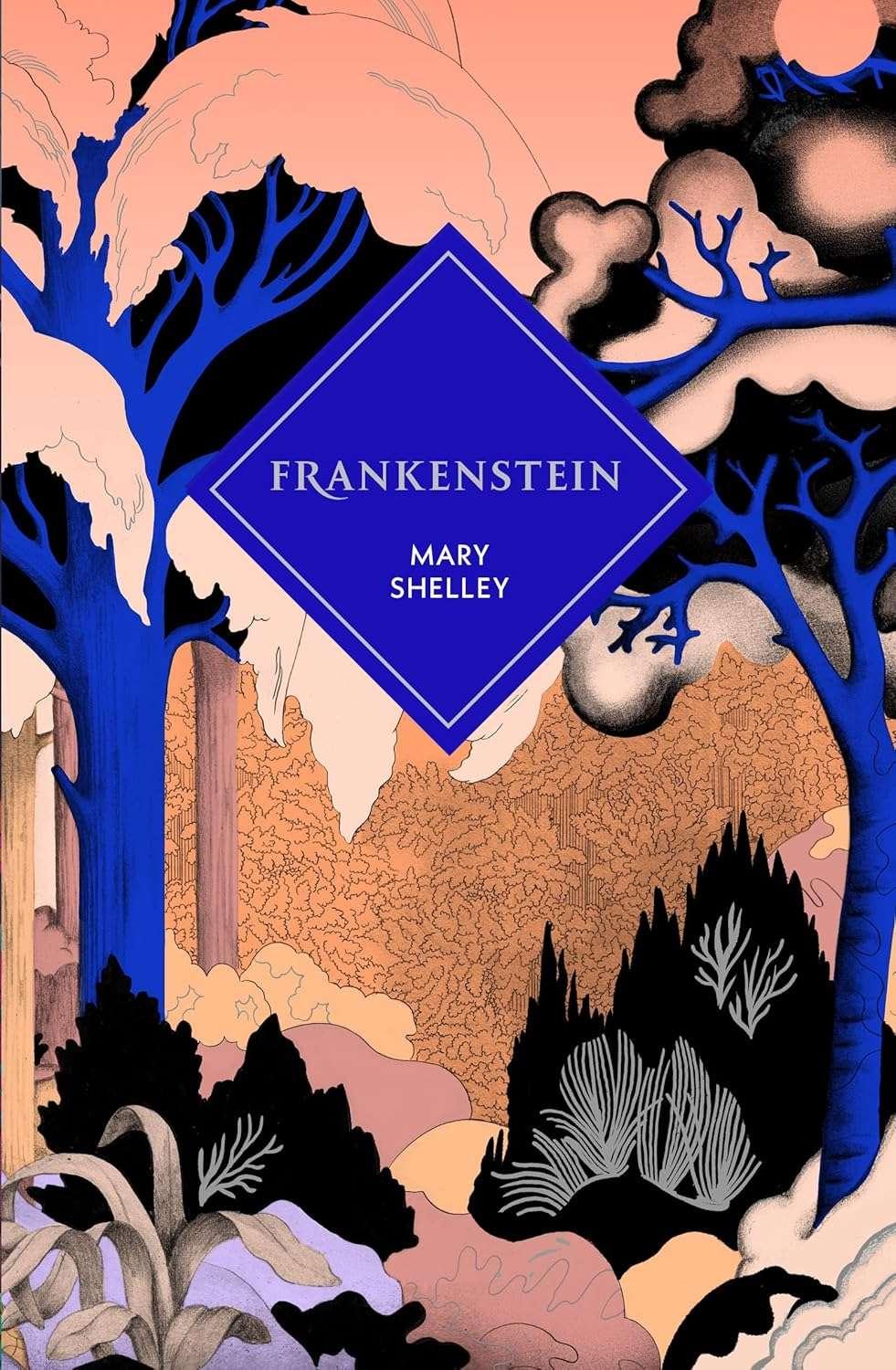
Often mislabeled as a simple horror story, Frankenstein is a philosophical novel in disguise. Shelley raises questions about creation, responsibility, ambition, and alienation. She invites us to ask who is the true monster? The abandoned creature or Victor Frankenstein himself.
In book clubs, sympathy often shifts from character to character, sparking discussions about ethics in science, parenthood, and what society owes to those it rejects.
4. The Interpretation of Dreams by Sigmund Freud

The Interpretation of Dreams is perhaps the most unconventional choice for a book club—and one of the most divisive. Freud’s exploration of the unconscious challenges readers to question how much of human behaviour is shaped by hidden desires. Some readers are fascinated; others are sceptical or resistant. That tension makes the book a powerful discussion starter, especially around themes of self-knowledge, symbolism, and whether Freud’s ideas liberate or confine our understanding of the mind.
5. The Famished Road by Ben Okri
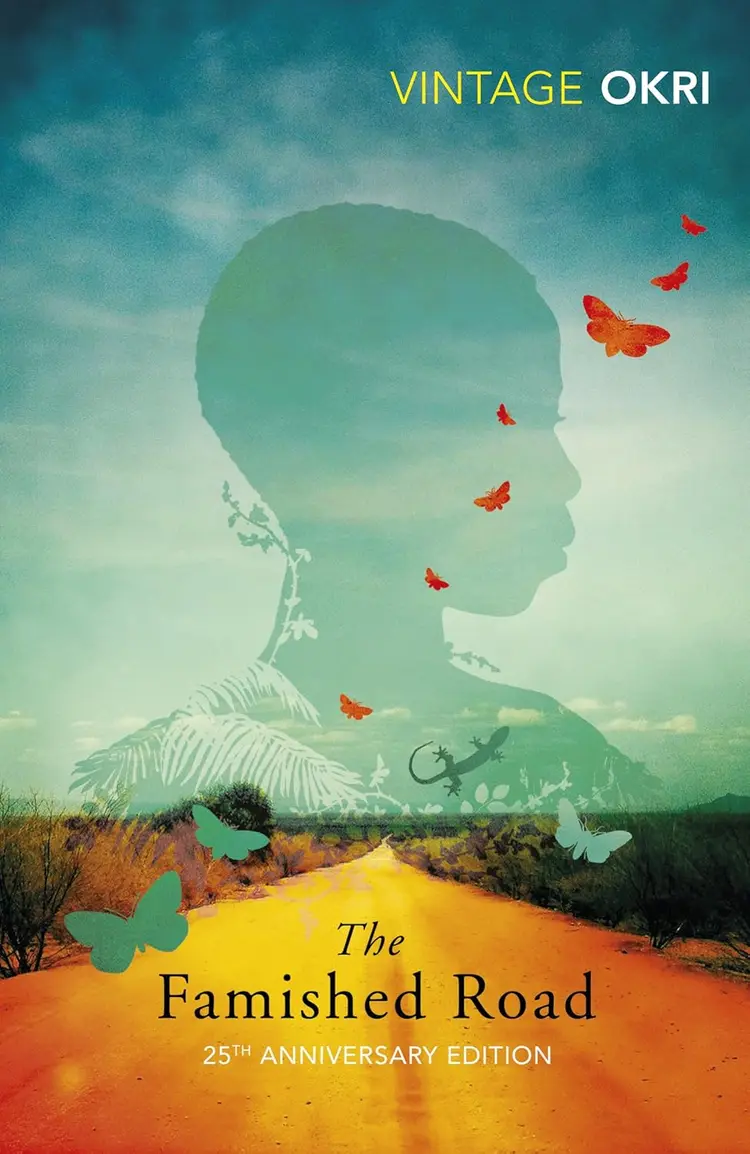
Blending magical realism with political and spiritual allegory, The Famished Road resists easy interpretation. Through the eyes of Azaro, a spirit-child, Okri explores postcolonial Nigeria, poverty, hope, and cyclical suffering. Book clubs often debate what is real and what is metaphor, and whether the novel’s dreamlike structure clarifies or obscures its political message. It’s a novel that rewards multiple readings—and multiple viewpoints.
6. Treasure Island by Robert Louis Stevenson

On the surface, Treasure Island feels like pure adventure: pirates, maps, mutiny, and buried gold. But beneath the excitement lies a subtle moral complexity. Characters like Long John Silver blur the line between hero and villain, loyalty and betrayal. Book clubs often find themselves discussing how the novel complicates ideas of masculinity, morality, and growing up, proving that a classic adventure can still carry surprising depth.
7. Dracula by Bram Stoker

Dracula offers fertile ground for debate, from its portrayal of fear and desire to its anxieties about modernity, sexuality, and the foreign ‘other’. While vampire tales existed long before Stoker, this novel is the original cultural touchstone that popularised the vampire myth as we know it today—shaping everything from gothic horror to modern pop culture. Book clubs often ask whether the novel is fundamentally conservative, defending Victorian values, or whether it inadvertently exposes the era’s repressed fears. Its epistolary form further invites discussion about truth, perspective, and whose voices get to define monstrosity.
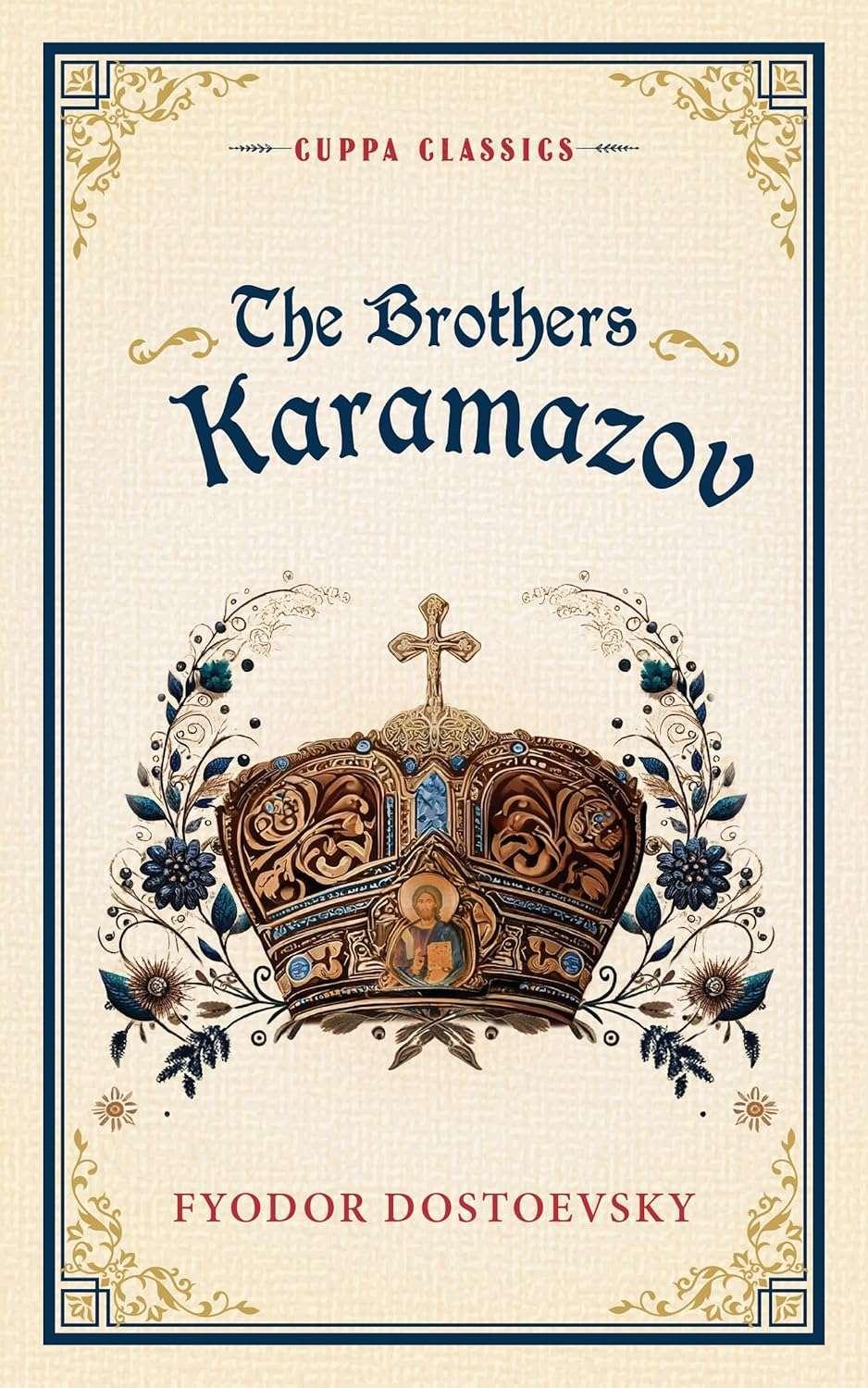
8. The Brothers Karamazov by Fyodor Dostoevsky

Few novels match The Brothers Karamazov in philosophical intensity, which is why Dostoevsky is a perennial, almost never-missed presence in book clubs. Questions of faith, free will, morality, guilt, and suffering dominate its pages, refusing simple resolution. The famous “Grand Inquisitor” chapter alone can sustain hours of debate, often becoming the emotional and intellectual centre of discussion. Book clubs find themselves wrestling not only with which brother represents the most compelling worldview, but also with whether Dostoevsky offers answers—or deliberately leaves readers to carry the weight of the questions themselves.
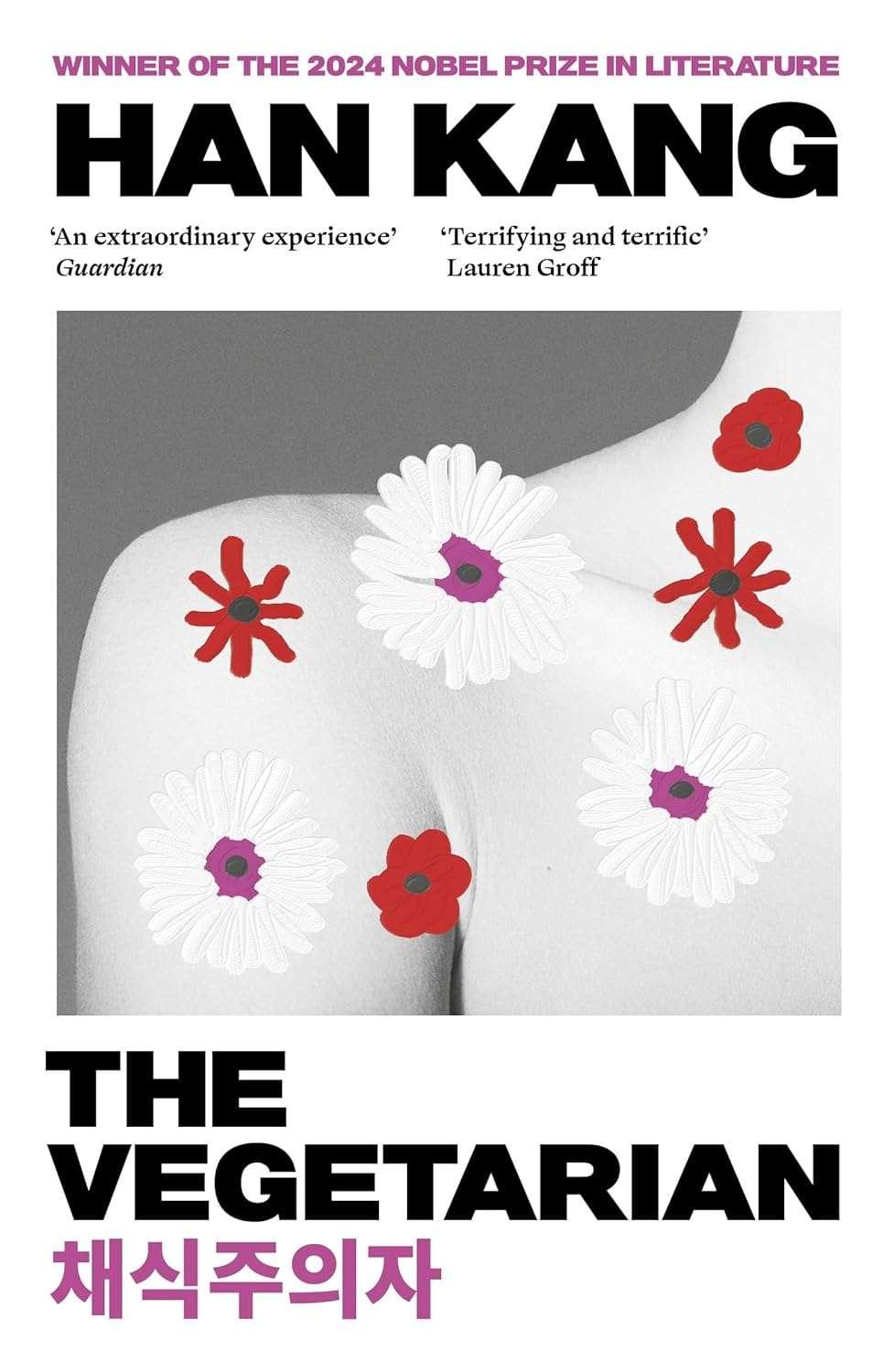
9. The Vegetarian by Han Kang

Quiet, unsettling, and deeply symbolic, The Vegetarian provokes strong reactions. Han Kang’s exploration of bodily autonomy, violence, and resistance challenges conventional ideas of normalcy and obedience. Book club discussions often centre on the eerie narration and whether the protagonist’s refusal to eat meat is an act of liberation, madness, or silent protest—and how society responds to those who refuse to conform.
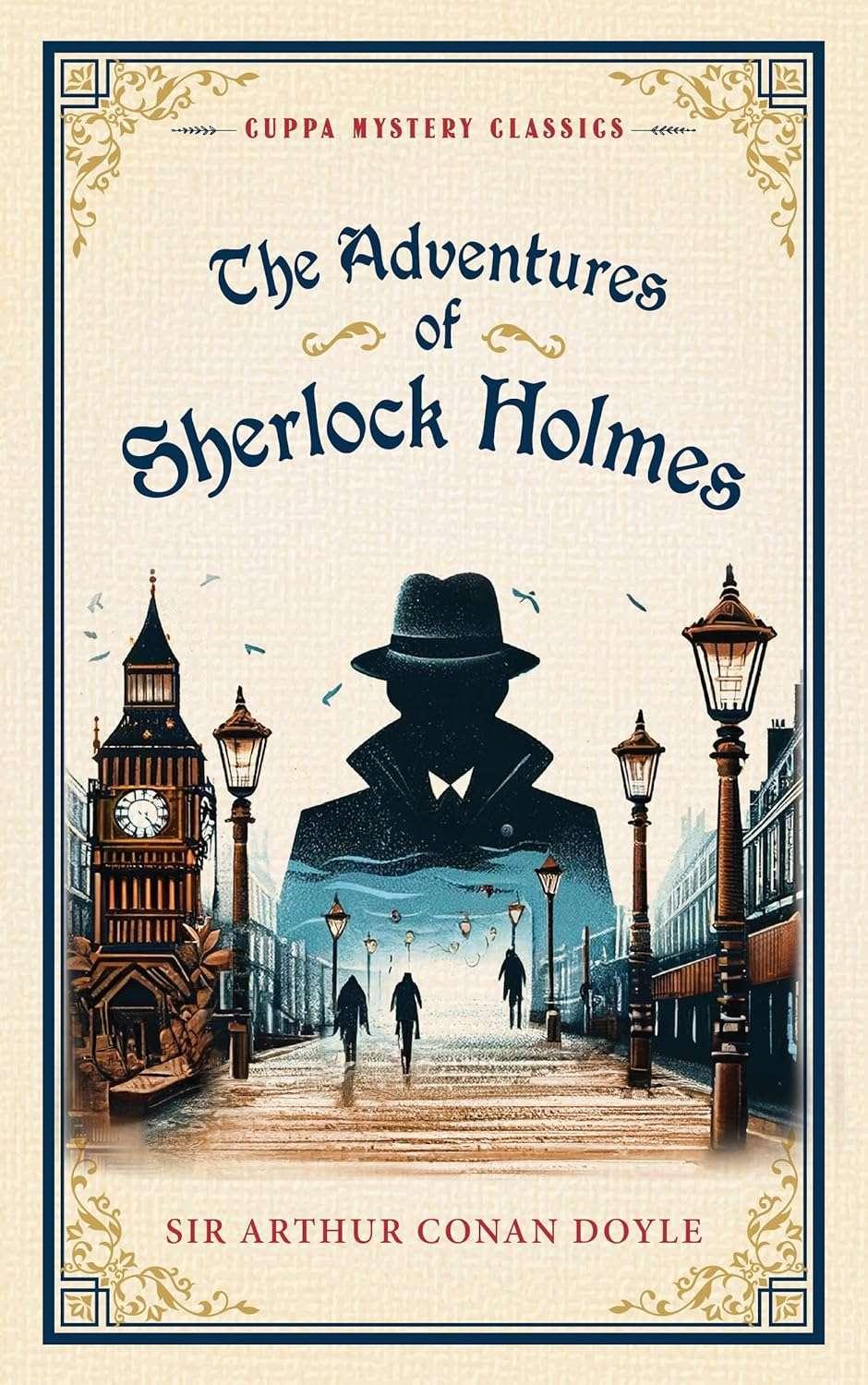
10. The Adventures of Sherlock Holmes by Sir Arthur Conan Doyle
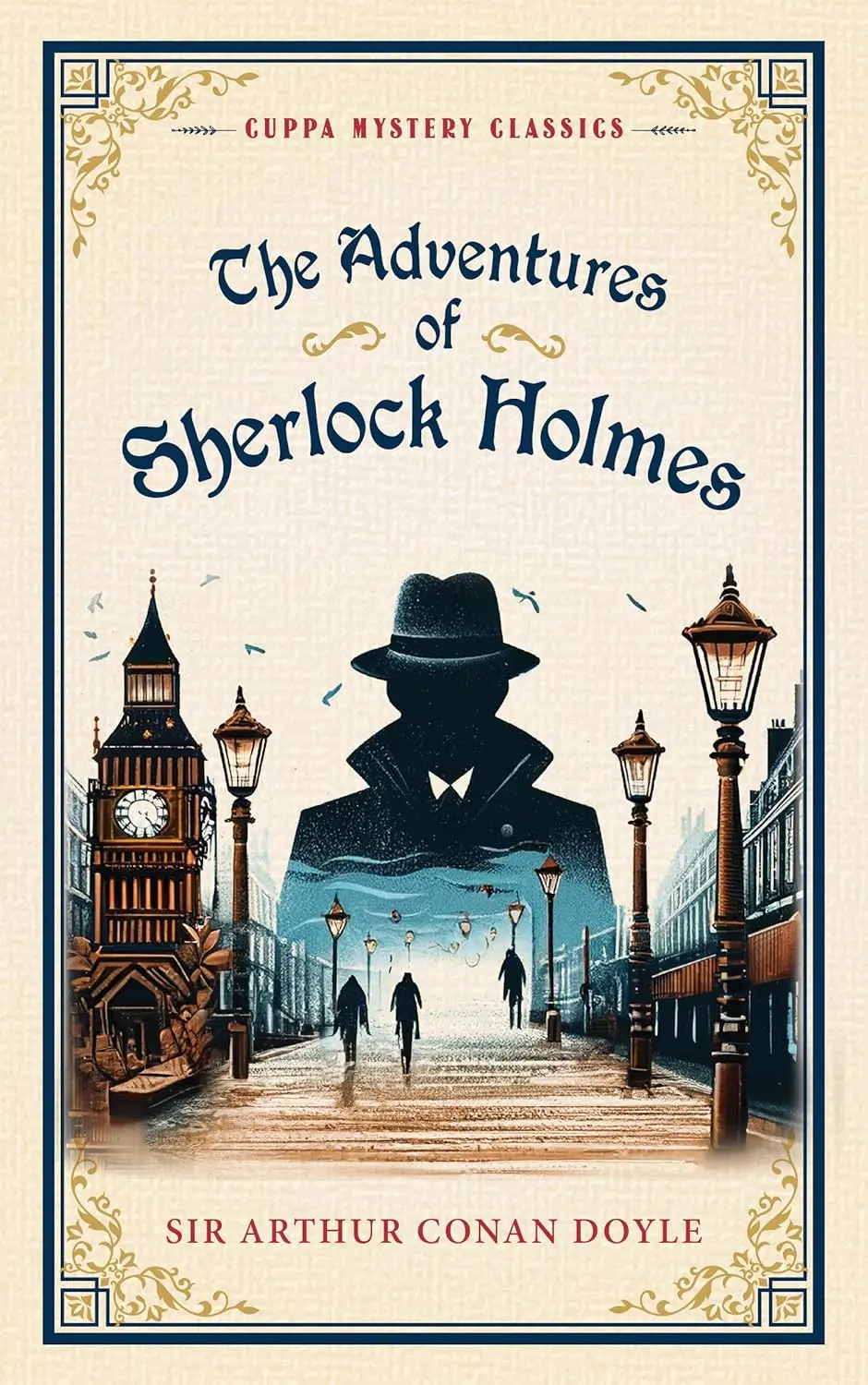
While often seen as comfort reading, Sherlock Holmes stories spark lively debate about logic, justice, and morality. Holmes himself is a fascinating subject: brilliant yet emotionally distant, ethical yet sometimes ruthless. Book clubs enjoy discussing whether Holmes represents the triumph of reason—or its limitations—and how these stories reflect changing attitudes toward crime and authority.
Why These Classic Books Belong in Every Book Club
What unites these books is not just their literary merit, but their ability to provoke disagreement without alienation. They ask big questions without offering easy answers. They challenge readers to confront uncomfortable ideas, re-evaluate assumptions, and listen to opposing interpretations.
In a world where conversations are often rushed or polarised, these classics create space for slower, deeper engagement. They remind us that the best book club reads are not the ones everyone loves—but the ones everyone has something to say about.
Your next read: Timeless Lessons on Starting Over: New Year Reflections from Classic Books