

Parent Categories

Related blogs


Related Products




Related Books


10 Classic Books Other Great Writers Absolutely Hated
 10 Classic Books Other Great Writers Absolutely Hated
We tend to speak of classics in hushed tones. They are the sacred texts of literature—quoted reverently, taught religiously, and displayed proudly on bookshelves. But here’s the delicious secret: many of these masterpieces were absolutely loathed by other great writers.
Yes—literary legends throwing shade at literary legends. What follows isn’t just a list of complaints; it’s a reminder that art is subjective, rivalry is real, and even genius has its critics.
Also read: Forbidden Yet Unforgettable: 10 Classics That Were Once Banned
1. Pride and Prejudice by Jane Austen

Few novels enjoy the cultural immortality of Pride and Prejudice. Its wit sparkles; its romantic tension still feels modern. Yet Mark Twain could barely stomach Austen’s prose. He once confessed that reading her made him want to ‘dig her up and beat her over the skull with her own shin-bone’. Hyperbolic? Certainly. But telling.
Twain found her world trivial—too concerned with drawing rooms and manners, too removed from the raw absurdities of life he preferred to satirise. Meanwhile, Charlotte Brontë admired Austen’s technical skill but criticised her emotional restraint. For Brontë, Austen’s world lacked ‘passion’—no storms, no ferocity, no wildness of spirit.
It’s fascinating: what modern readers adore as subtlety and irony, others dismissed as emotional limitation.
2. Emma by Jane Austen
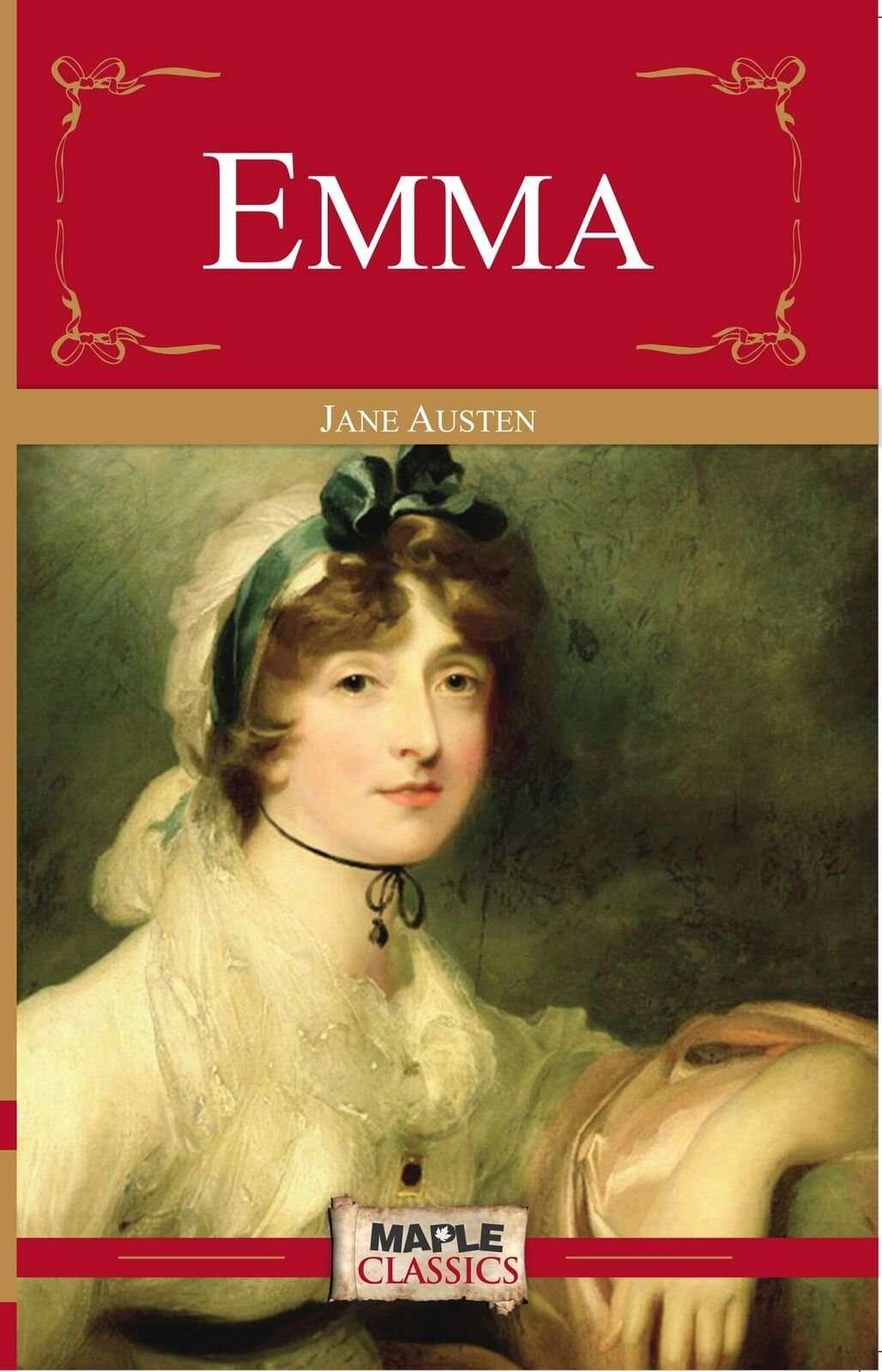
If Austen’s social comedy was divisive, Emma deepened the divide. A novel about a wealthy young woman who meddles in others’ lives sounds like charming satire today. But critics like Brontë felt the novel was too confined, too domesticated.
Brontë longed for something ‘vehement’, something burning. In contrast, Austen offered psychological nuance over melodrama. Emma Woodhouse’s growth is incremental and internal—not explosive. For writers drawn to gothic intensity or romantic fervour, this careful interior evolution felt like watching teacups rearrange themselves.
Yet perhaps that’s precisely why the novel endures—it trusts readers to notice the quiet shifts.
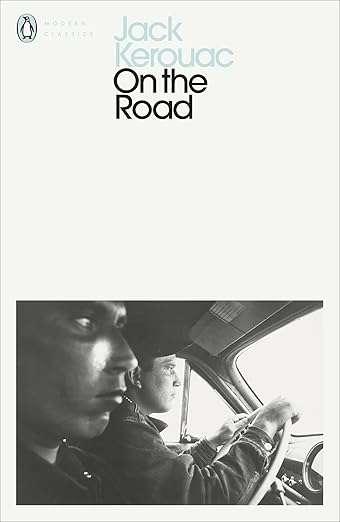
3. On the Road by Jack Kerouac
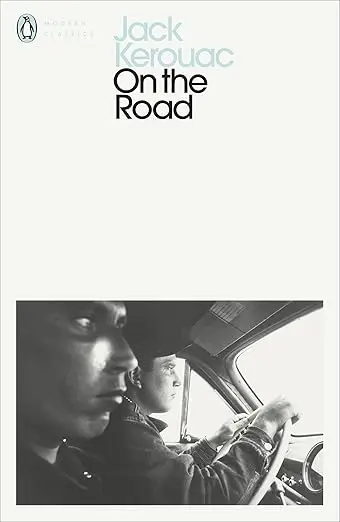
Kerouac’s On the Road promised liberation: jazz rhythms in prose, highways stretching endlessly westward, youth refusing to be tamed. But for some established literary voices, the novel’s breathless spontaneity felt exhausting rather than revolutionary.
Aldous Huxley reportedly found the journey tiresome—the road simply too long. And it’s easy to see why. Kerouac’s style rejects polish in favour of immediacy. Paragraphs tumble forward like speeding cars, powered by energy more than structure.
To admirers, it’s electric. To detractors, it’s undisciplined. The very quality that defined a generation struck some as literary chaos masquerading as profundity.
4. Don Quixote by Miguel de Cervantes

Often crowned the first modern novel, Don Quixote is praised for its layered irony and metafictional brilliance. Yet not everyone has the stamina—or patience—for its digressions.
Martin Amis acknowledged its historic importance but complained about stretches of dullness. The episodic wanderings, the embedded tales, the repetitive mishaps—what once felt innovative can also feel sprawling.
But perhaps that sprawl is the point. Cervantes created a world where illusion and reality collide endlessly. Still, for readers who crave narrative efficiency, Quixote’s windmills may feel like overkill.
5. The Great Gatsby by F Scott Fitzgerald
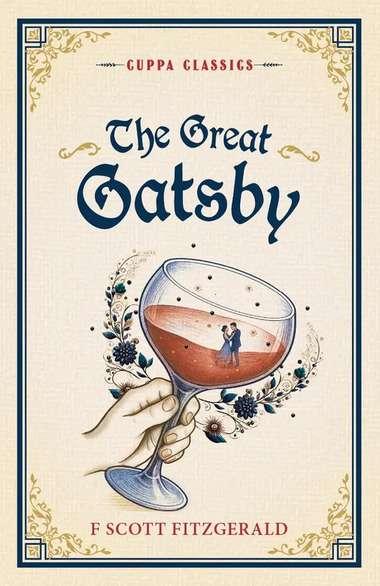
Today, The Great Gatsby gleams with canonical certainty. But early reactions were far from unanimous praise. Influential critic HL Mencken dismissed it as thin—more anecdote than epic.
Some contemporaries felt Gatsby himself was too symbolic, too constructed, a man built to represent the American Dream rather than live as flesh and blood. The novel’s elegance—its tight structure and poetic brevity—may have worked against it in an era expecting grander scope.
Ironically, what was once seen as slight is now admired for its precision. Fitzgerald’s restraint became its power.
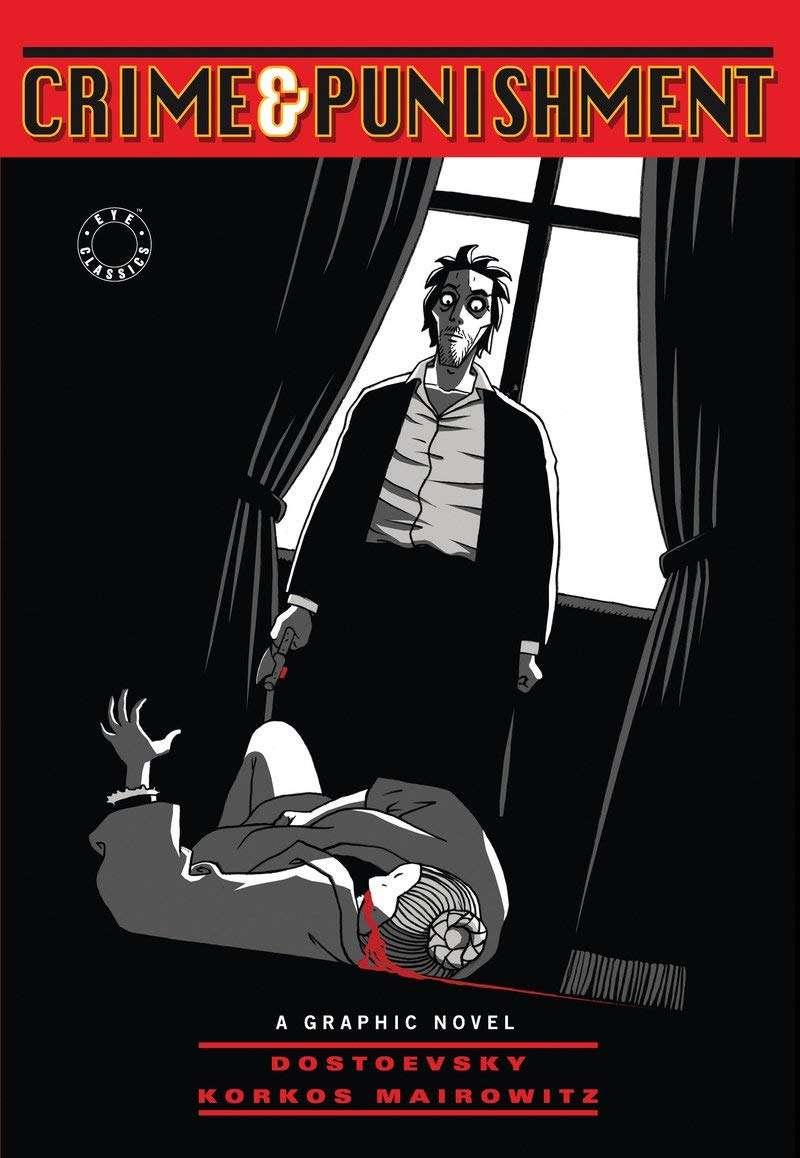
6. Crime and Punishment by Fyodor Dostoevsky

In Crime and Punishment Dostoevsky plunges readers into the feverish mind of Raskolnikov, exploring guilt, morality, and redemption with relentless intensity. But Vladimir Nabokov was unimpressed.
Nabokov criticised Dostoevsky’s prose style and found the novel heavy-handed in its moralism. He saw sentimentality where others saw spiritual depth. For Nabokov, the psychological anguish bordered on melodrama.
Yet readers who revere the novel would argue that its emotional extremity is its genius. It forces confrontation—with crime, conscience, and suffering. Not everyone enjoys staring into that abyss.
7. American Psycho by Bret Easton Ellis
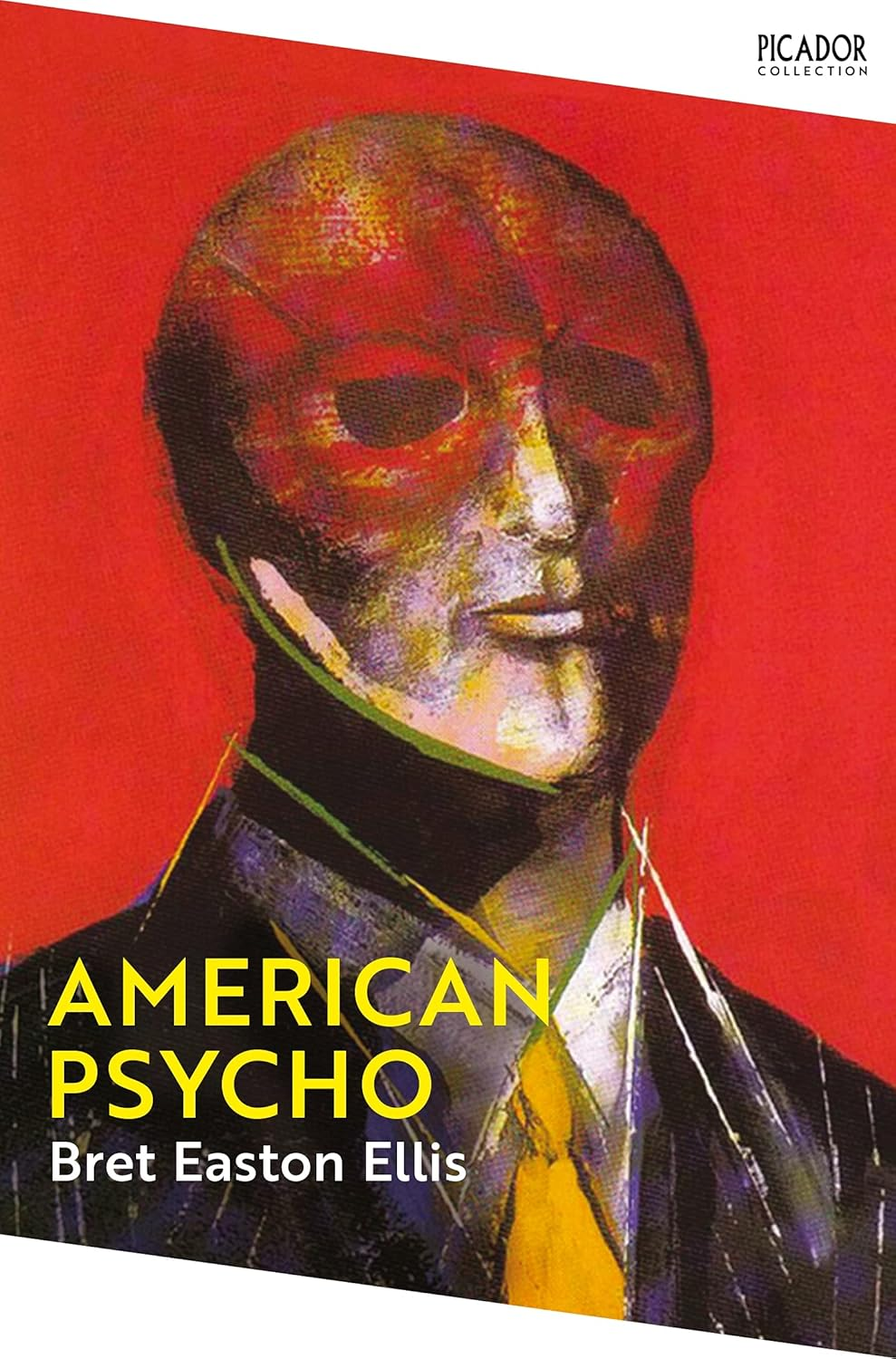
When American Psycho exploded onto the literary scene, it wasn’t just readers who recoiled—writers did too. Among its sharpest critics was David Foster Wallace, who found the novel’s violence and detachment troubling on a deeper level. Wallace suggested that the book’s relentless irony and brutality risked becoming complicit in the very emptiness it aimed to satirise.
For Wallace, fiction carried an ethical responsibility. Shock alone wasn’t enough; it needed moral weight. In his view, Ellis’s cool, affectless style blurred the line between critique and indulgence, leaving readers stranded in nihilism rather than insight.
And yet, defenders argue that this emotional void is precisely the point—that Patrick Bateman’s blankness mirrors a culture hollowed out by greed and image. Whether you see daring satire or numbing excess may depend on what you believe fiction owes its audience: confrontation or consolation.
8. Franny and Zooey by JD Salinger
Salinger’s novel of spiritual angst and sibling conversation feels intimate, even claustrophobic. Its devotees cherish its introspection. But Mary McCarthy criticised it for self-indulgence.
She felt the Glass family’s brilliance and neuroses turned inward too obsessively, creating a world more reflective than expansive. In her view, the novel risked mistaking cleverness for depth.
Salinger’s defenders argue that interiority is the terrain—that the novel captures the loneliness of intellectual and spiritual searching. But for some, it felt like being trapped inside someone else’s head.
9. Doctor Zhivago by Boris Pasternak
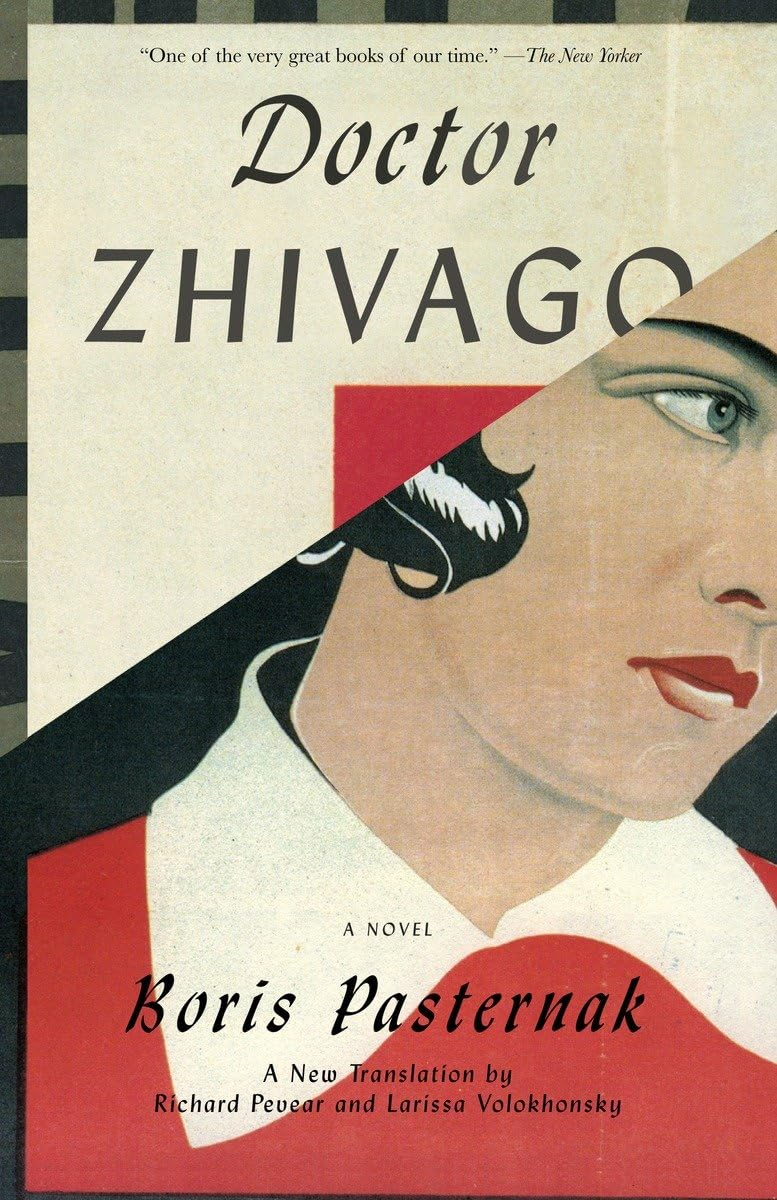
A sweeping tale of love and revolution, Doctor Zhivago won global admiration—and controversy. Yet Vladimir Nabokov dismissed it sharply, suggesting the novel lacked the poetic mastery Pasternak displayed elsewhere.
To Nabokov, the prose felt ordinary, the politics simplistic. He saw a mismatch between ambition and execution.
Still, readers moved by Zhivago’s emotional core often forgive—or never notice—those perceived shortcomings. Its power lies in its romantic tragedy set against historical upheaval. For some, that’s grandeur; for others, melodrama.
10. Finnegans Wake by James Joyce
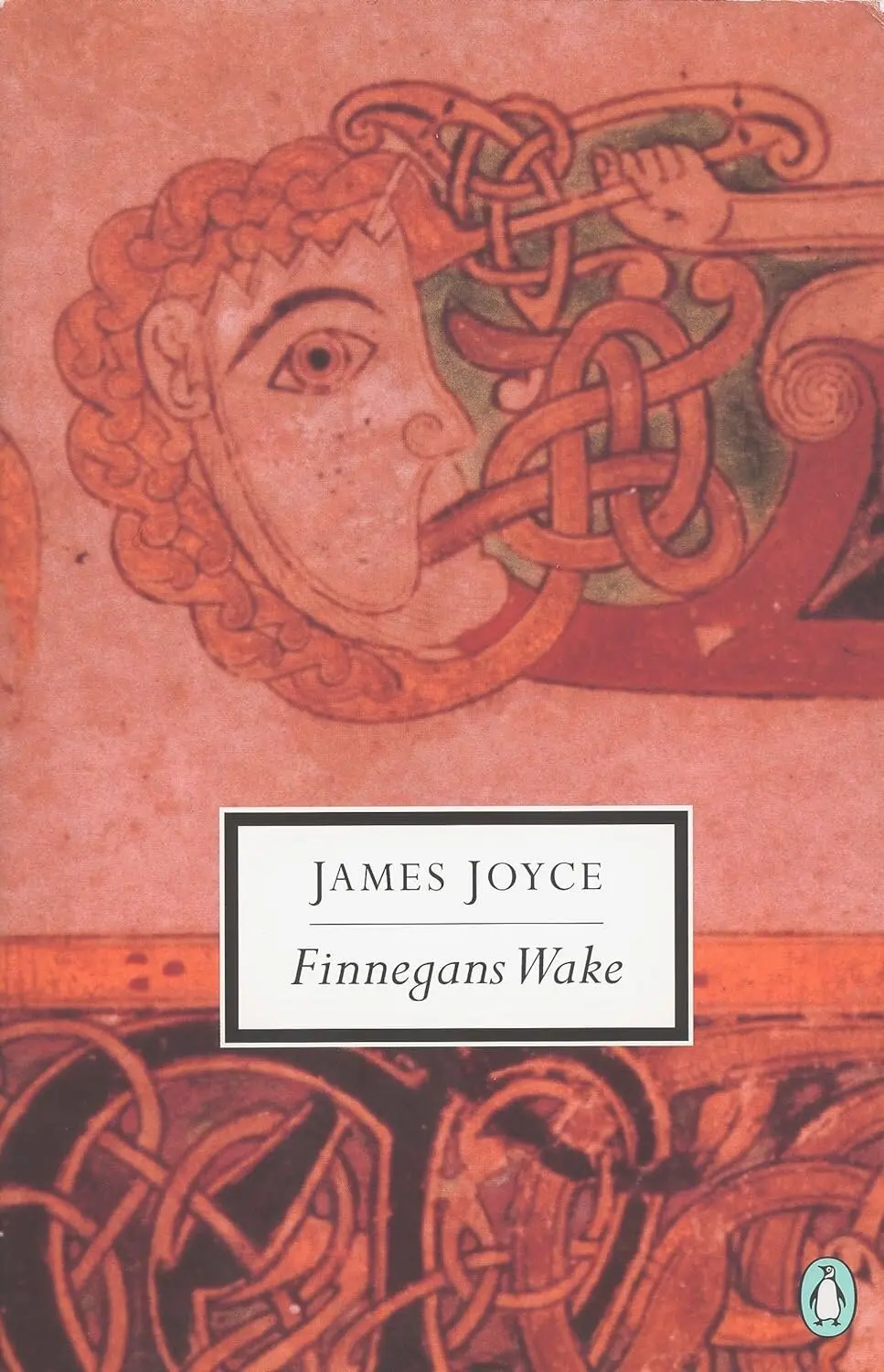
Perhaps no novel divides readers more dramatically. Joyce’s linguistic labyrinth dissolves grammar, invents words, and reshapes narrative itself.
Even admirers of Joyce struggled. Nabokov famously mocked it as formless. Critics accused it of being unreadable, opaque, indulgent—a puzzle with no solution.
But Finnegans Wake wasn’t meant to be easy. It was meant to reinvent language. The question remains: is difficulty a flaw or a daring triumph? The answer depends entirely on your tolerance for experimentation.
The Beautiful Brutality of Literary Opinion
What’s striking about all these clashes is not just the disagreement—it’s the intensity. Great writers didn’t merely shrug at books they disliked; they attacked them, dissected them, sometimes gleefully condemned them.
And yet, here we are—still reading all of them.
Perhaps that’s the final irony. The classics endure not because everyone agrees on them, but because they provoke reaction. Admiration. Annoyance. Debate. Rage. Love.
A book that inspires nothing is forgettable. A book that inspires fury? That just might be immortal.
Your next read: 10 Classic Novels That Failed When First Published