Cuppa Classics - Classics for Authentic Me Time


Timeless Stories,
curated for you.
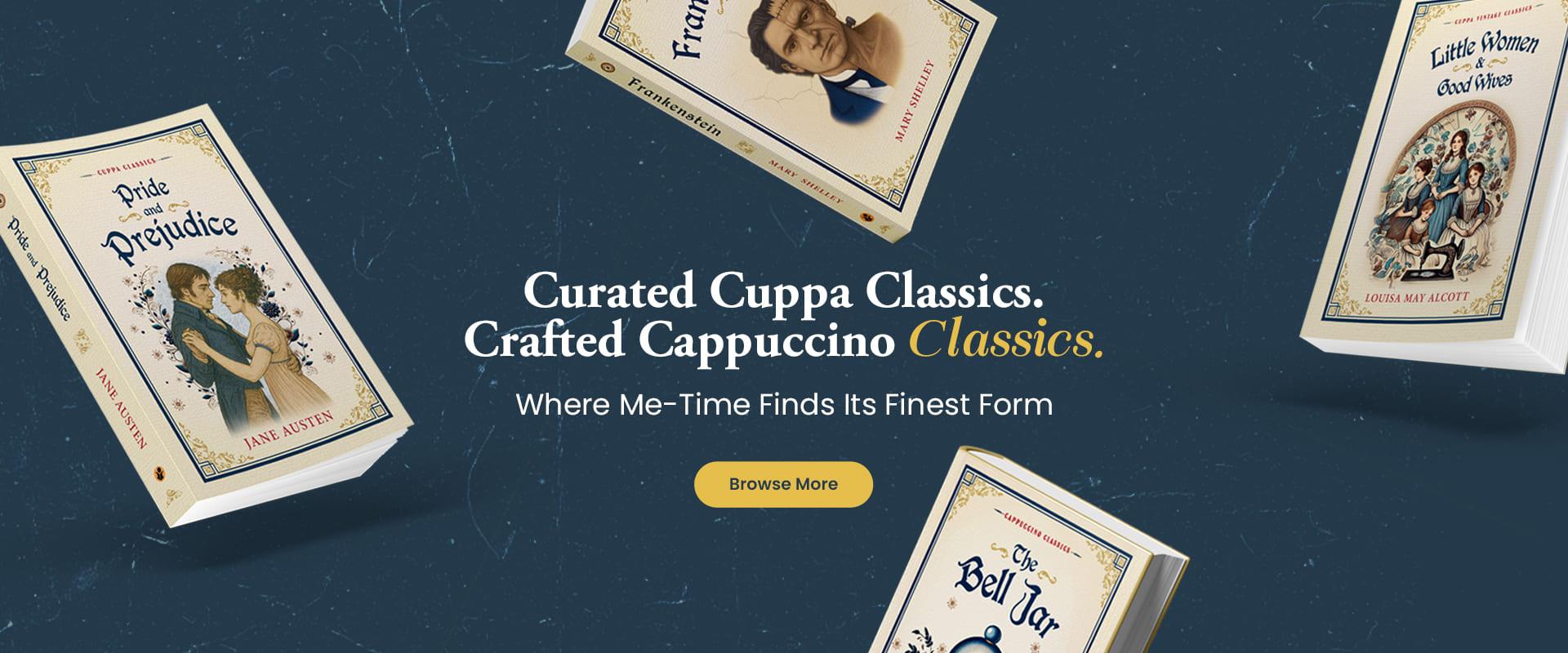
Cuppa Classics brings together classic brews and timeless reads. Each edition is crafted for moments of reflection, discovery, and quiet joy.
Know MoreClassics





Blogs
 Classics for Book Club
Page-Turners That Spark Debate: 10 Classics Perfect for Every Book Club
Book clubs thrive on conversation—the kind that lingers long after the last page is turned, spilling into debates about morality, society, identity, and the human condition. Some books are especially good at this. They refuse to stay silent, demanding interpretation, disagreement, and personal reflection. Classics, in particular, have a remarkable way of feeling both rooted in their time and uncannily relevant to ours. Here are ten such page-turners—classics that don’t just invite discussion but ignite it—making them perfect picks for any book club looking to move beyond polite agreement into meaningful dialogue. Also read: Plot Twist: 10 Surprising Facts About Classic Authors
From Norwegian Wood to Kafka on the Shore: 7 Reasons Haruki Murakami Writes for the Modern Mind
To read Haruki Murakami is to step into a familiar yet strangely tilted world—one where jazz plays softly in the background, cats disappear without explanation, wells lead inward rather than downward, and loneliness hums like an electrical current beneath everyday life. From the aching realism of Norwegian Wood to the dreamlike labyrinth of Kafka on the Shore , Murakami has built a body of work that speaks uncannily to the modern mind. His novels are not merely stories; they are emotional atmospheres, mental states, mirrors held up to an age defined by dislocation and quiet yearning. Also read: Timeless Lessons on Starting Over: New Year Reflections from Classic Books Here are seven reasons why Murakami continues to resonate so powerfully with contemporary readers.
8 Virginia Woolf Quotes That Explain Modern Womanhood
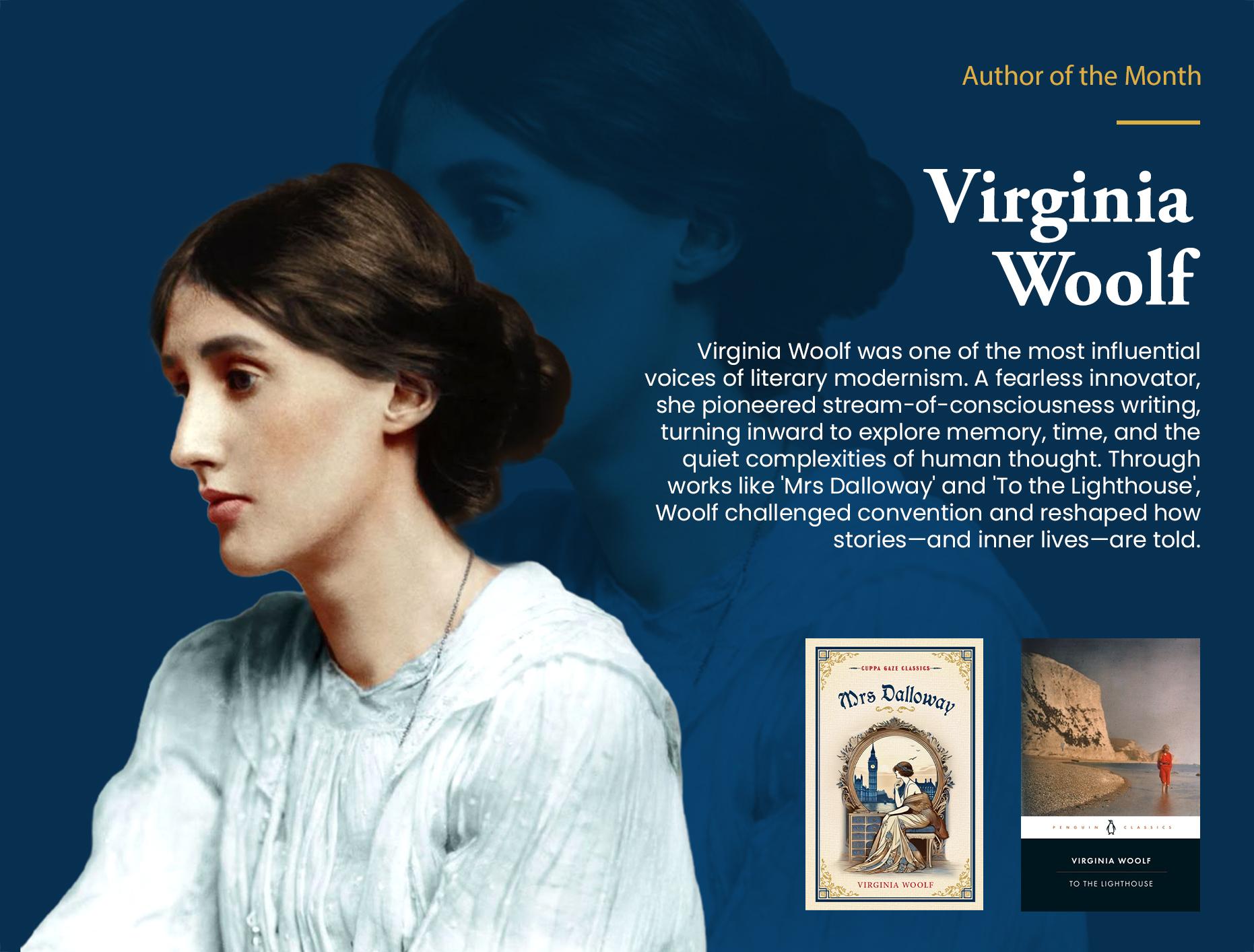
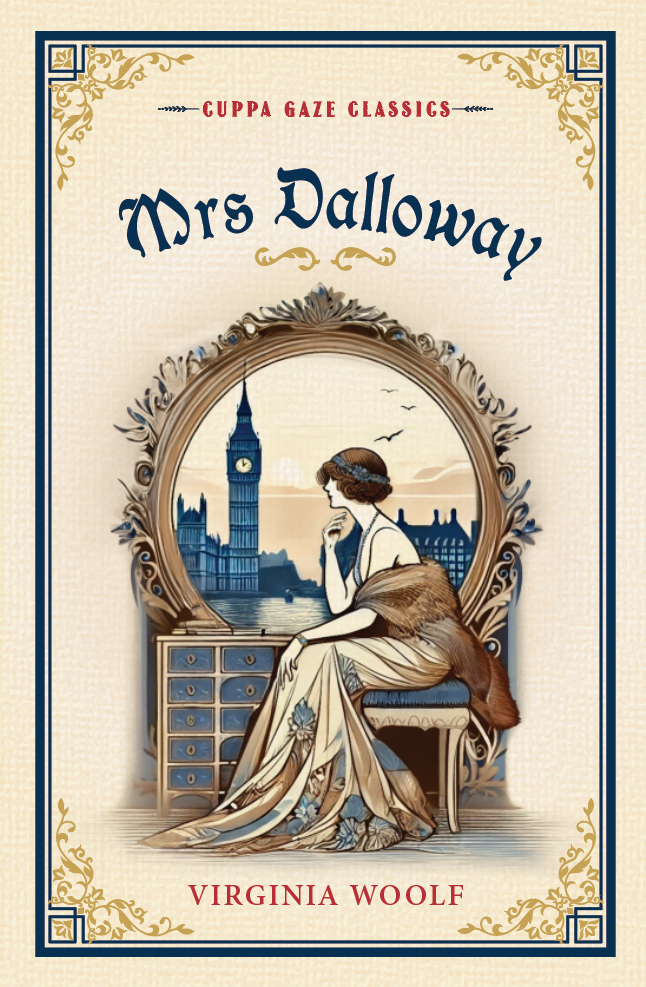
Virginia Woolf did not write manifestos for the twenty-first century, yet few writers feel so uncannily present within it. Her essays and novels— A Room of One’s Own , Mrs Dalloway , To the Lighthouse , Orlando —continue to echo through conversations about work, identity, creativity, love, and independence. Woolf understood that womanhood was not a fixed role but a constantly negotiated space, shaped by society yet fiercely personal. Long before the language of modern feminism became commonplace, she articulated the quiet pressures and private rebellions that still define women’s lives today. Also read: Top 10 Leo Tolstoy Quotes That Still Resonate Today Here are eight Virginia Woolf quotes that, together, read like a map of modern womanhood.